

Skip to content
Evidence & learning hub

Research articles & guides.

Find compound explainers, evidence reviews, comparisons, product-specific preparation guidance and practical research tools. Use the protocol directory to start with a vial.

Source-linked mechanism library · 71 topics

How these compounds work—and what the studies actually show.

Browse the full A–Z library →
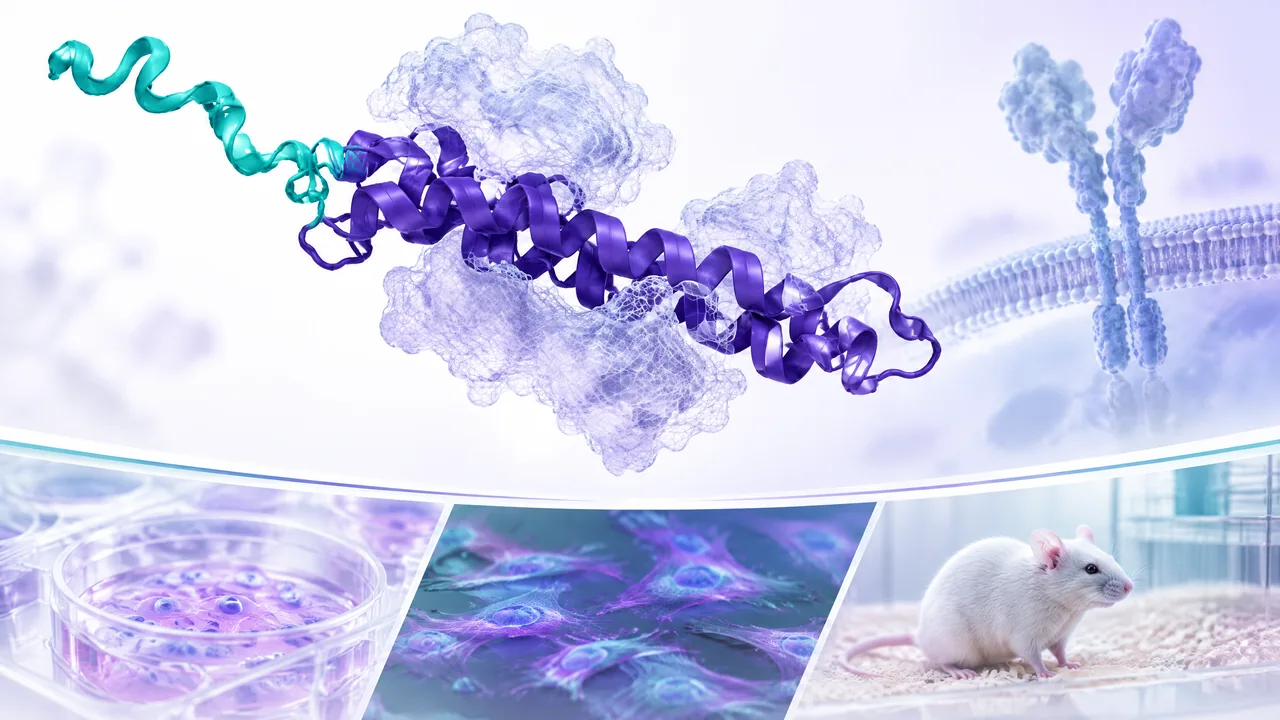
Original conceptual science illustration for IGF-1 LR3; the adjoining labelled figure separates established biology from observed and unverified findings.Mechanism explained
Mechanism explained · 14 linked sources

IGF-1 LR3 (Long R3 IGF-I): mechanism, evidence and research limits

IGF-1 LR3 is an engineered IGF-1 analogue designed to bind IGF-binding proteins less strongly than native IGF-1. Its evidence base is chiefly structural, cell-culture and animal research…

Read the research
Original conceptual science illustration for BPC-157; the adjoining labelled figure separates established biology from observed and unverified findings.Mechanism explained
Mechanism explained · 11 linked sources

BPC-157: mechanism, evidence and research limits

BPC-157 is a synthetic 15-amino-acid peptide promoted for tissue repair, but the strongest direct evidence remains in cell systems and rodent injury models. Small human reports exist, yet…

Read the research
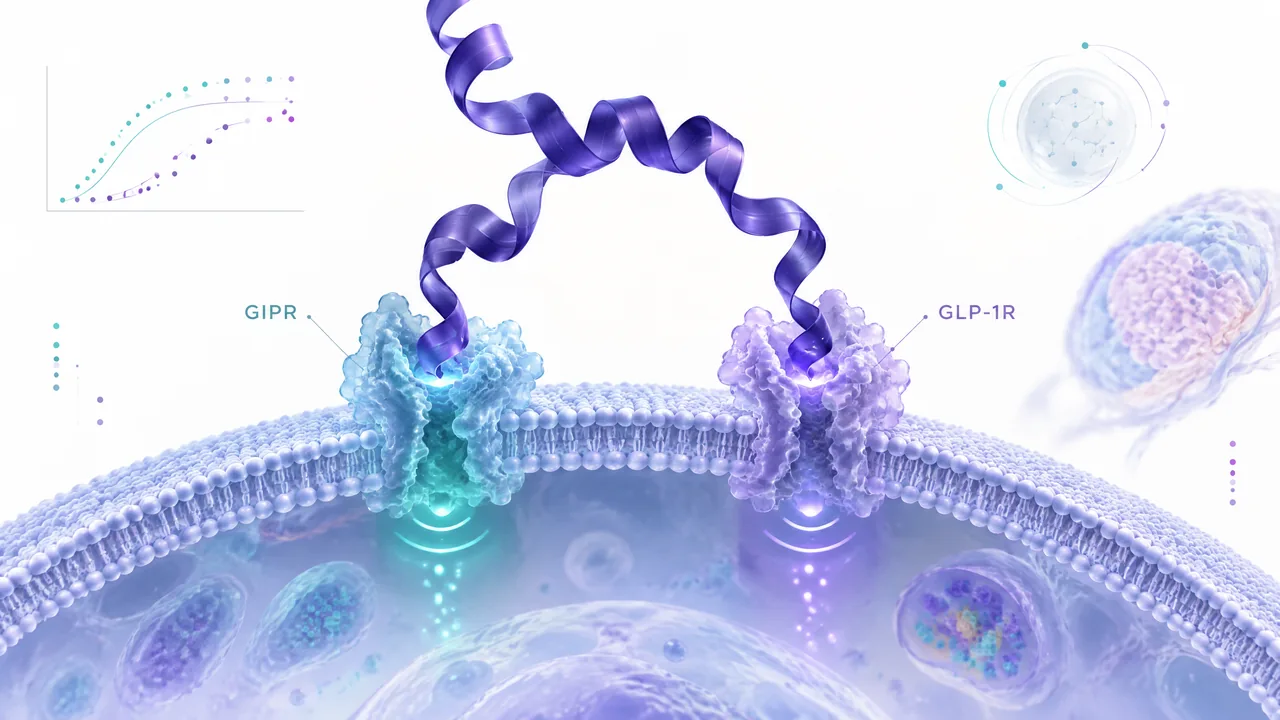
Original conceptual science illustration for Tirzepatide; the adjoining labelled figure separates established biology from observed and unverified findings.Mechanism explained
Mechanism explained · 7 linked sources

Tirzepatide: mechanism, evidence and research limits

Evidence-grounded Australian educational material distinguishing the registered tirzepatide medicine from unregulated products, with primary clinical-trial results, safety context, and…

Read the research
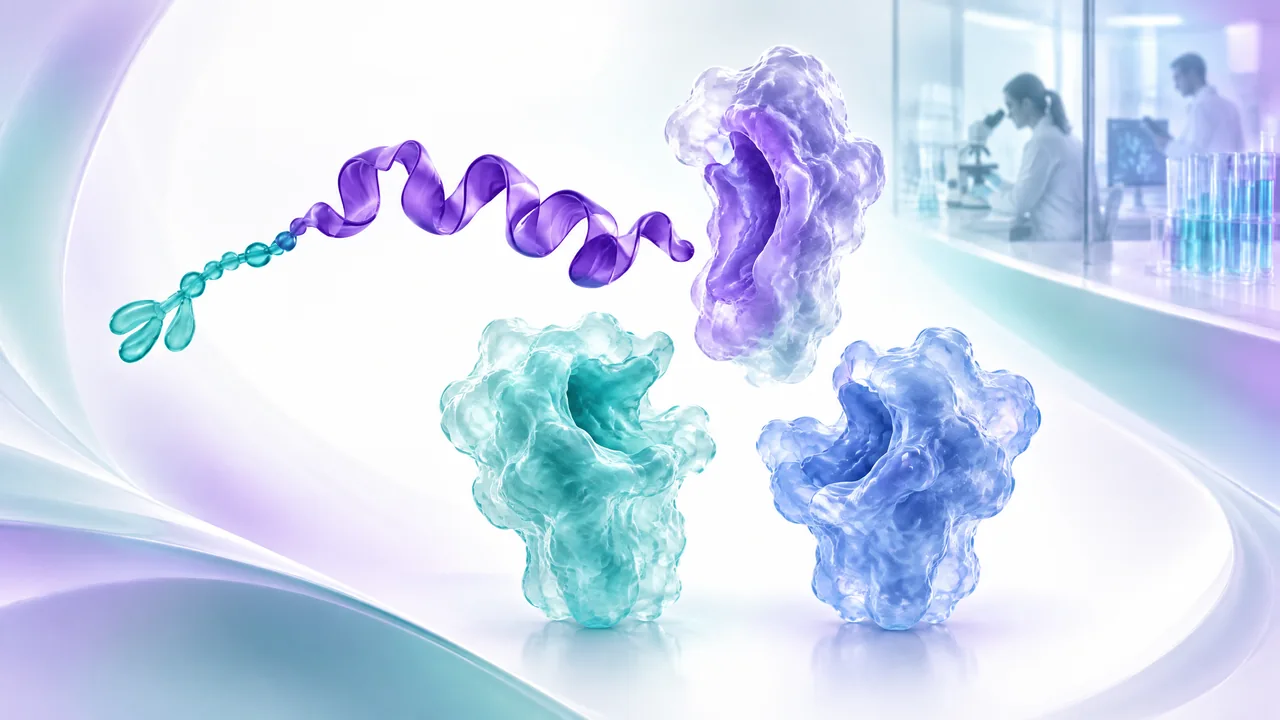
Original conceptual science illustration for Retatrutide; the adjoining labelled figure separates established biology from observed and unverified findings.Mechanism explained
Mechanism explained · 9 linked sources

Retatrutide: mechanism, evidence and research limits

Retatrutide is a purpose-designed peptide that activates GIP, GLP-1 and glucagon receptors. Randomised phase 2 trials have reported substantial short-term improvements in body weight and…

Read the research
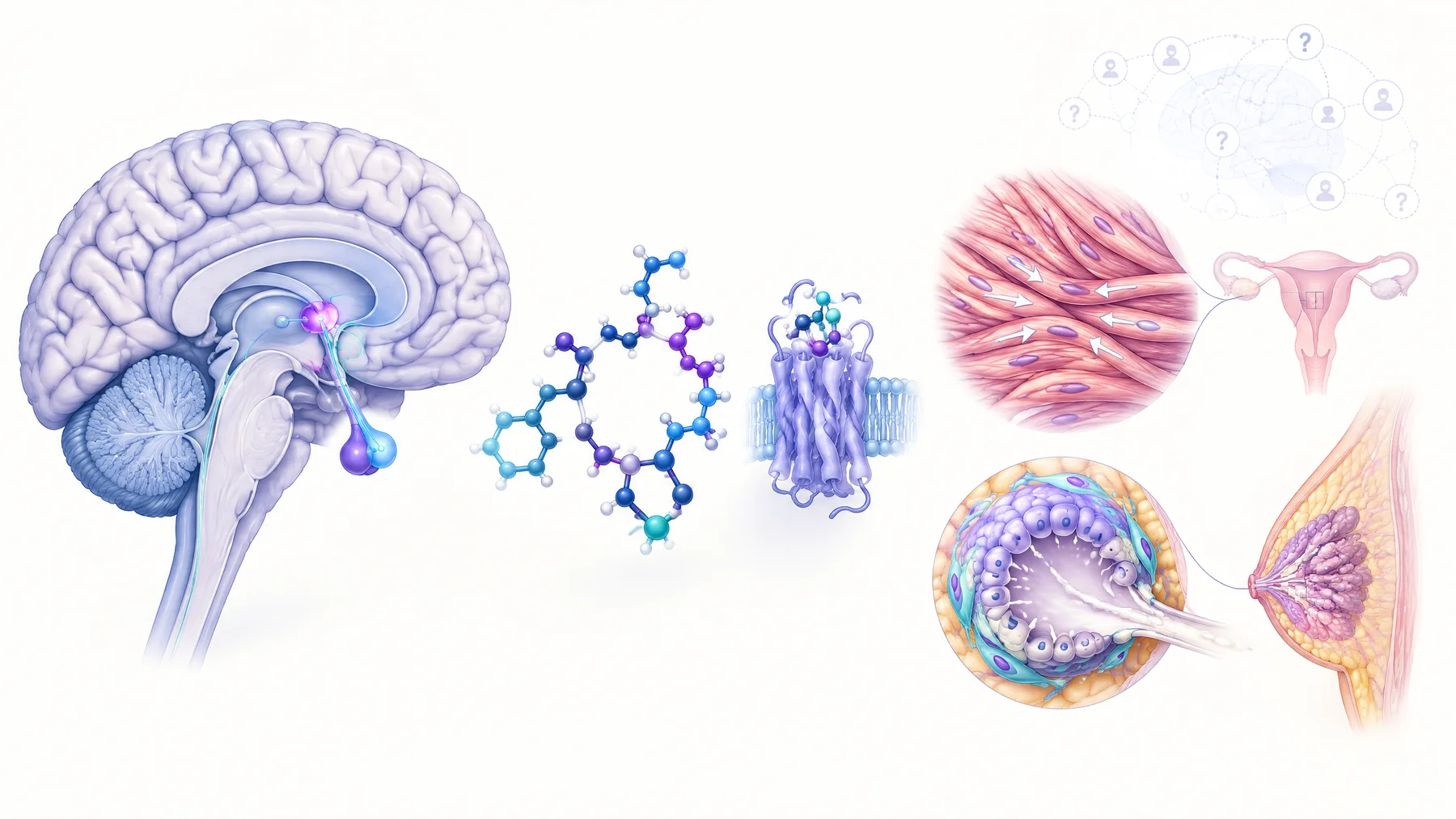
Conceptual illustration of hypothalamus and posterior pituitary signalling, an oxytocin receptor, uterine smooth muscle and breast alveoli; social-brain effects are indicated as uncertain research.Mechanism explained
Mechanism explained · 7 linked sources

Oxytocin explained: the receptor pathway, clinical uses and social-research reality

Trace the hormone from hypothalamus to oxytocin receptor, then see why proven obstetric uses cannot be stretched into a promise about bonding or mood.

Read the research
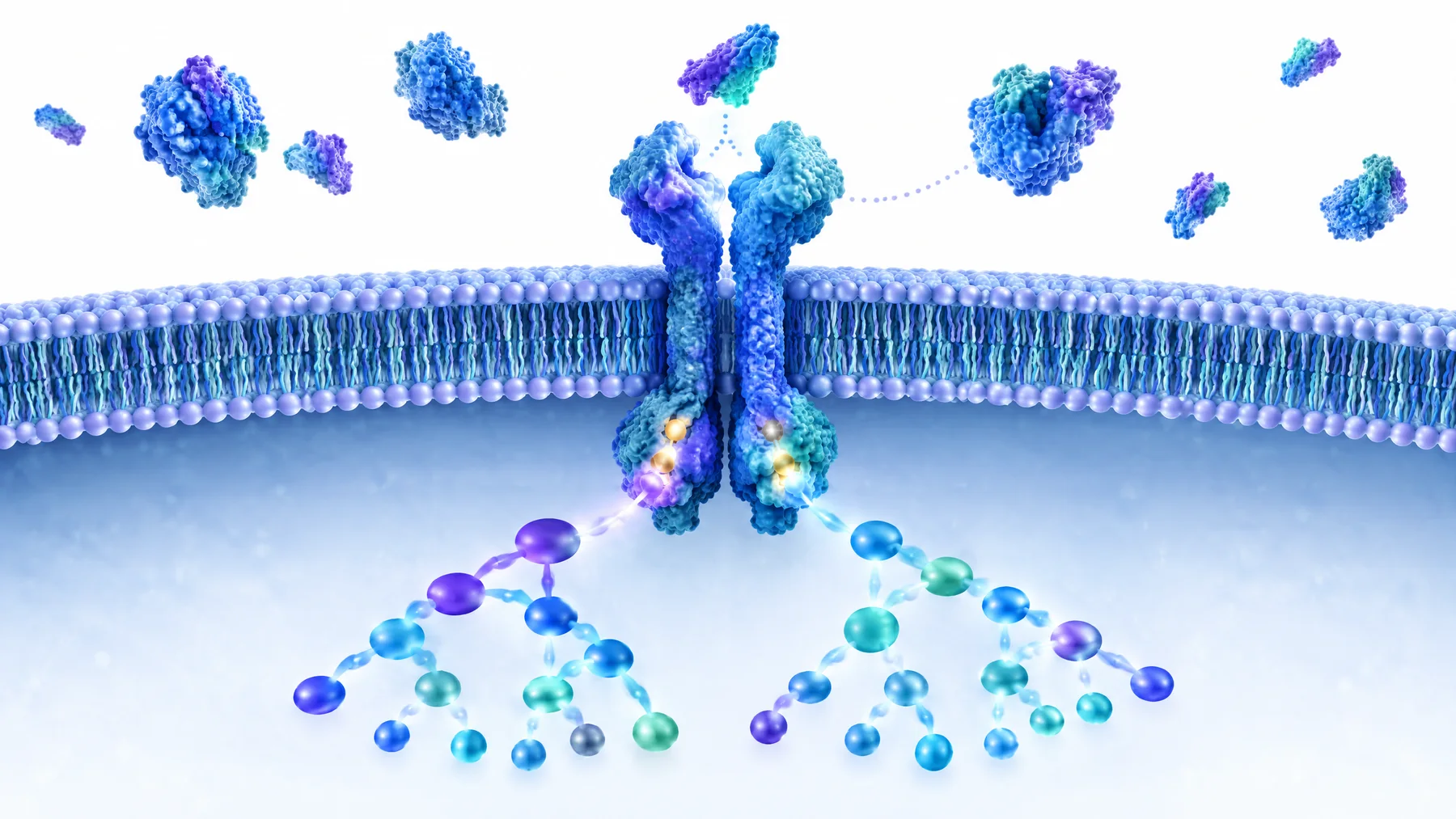
Conceptual cell-membrane illustration of an IGF1 receptor, growth factor ligands, nearby binding proteins and two intracellular signalling branches, not a proven human effect.Mechanism explained
Mechanism explained · 9 linked sources

IGF-1 DES: what the binding-protein studies actually show

Three missing amino acids change an experimental protein interaction. Follow the receptor pathway without turning cell and rat results into a human muscle-growth claim.

Read the research

Showing 179 articles

Scientific illustration for How to Reconstitute Peptides Correctly: An Illustrated Research Guide
Solution inspection
Reconstitution11 min read

How to Reconstitute Peptides Correctly: An Illustrated Research Guide

Four clear illustrations show wall-side transfer, gentle swirling, no shaking, and why visible particles must be resolved or quarantined before use and product-specific storage.

Read Article
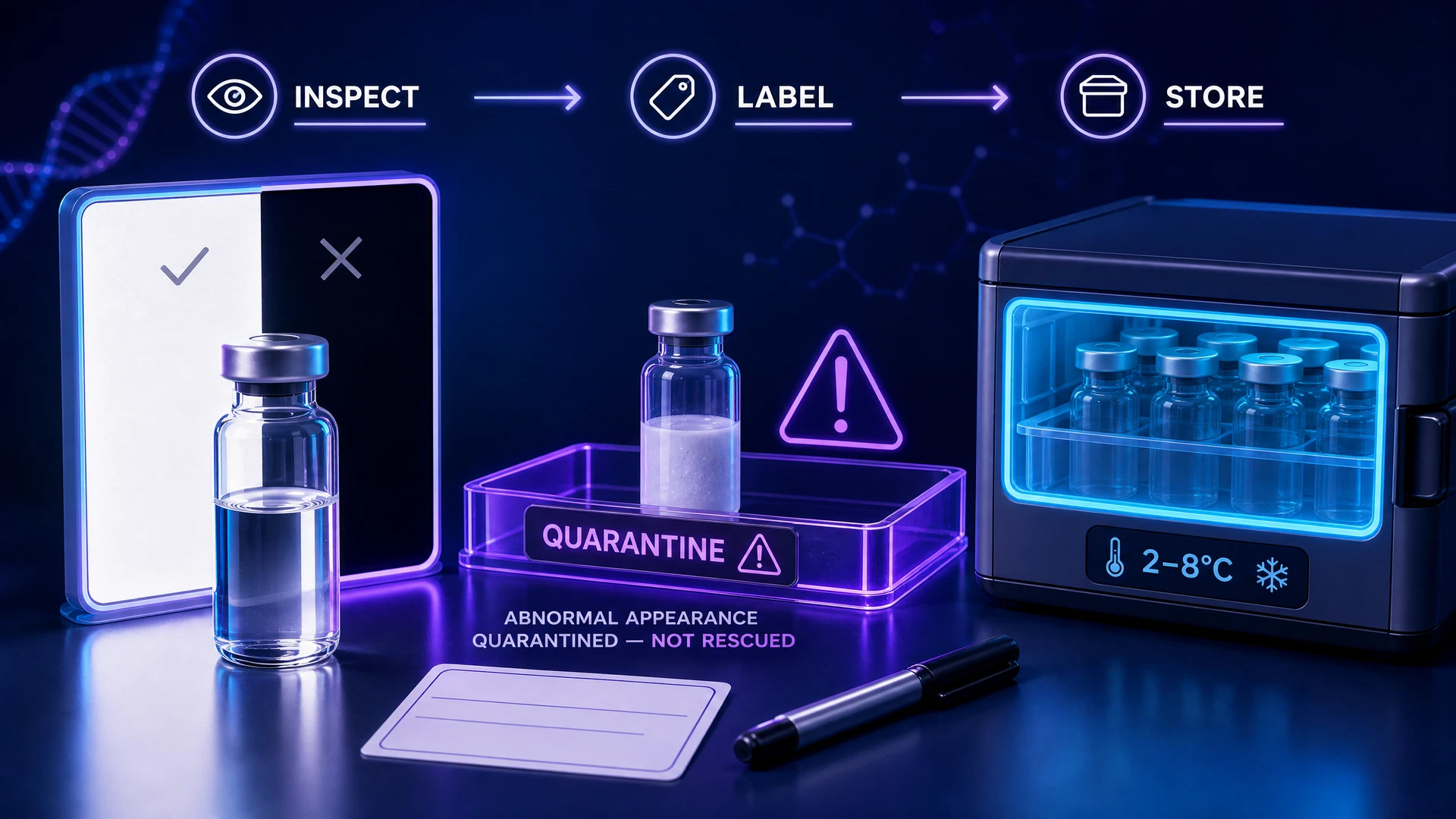
Scientific illustration for Cloudy or Clumped Peptide After Reconstitution: Causes, Safety and What to Do
Solution inspection
Reconstitution10 min read

Cloudy or Clumped Peptide After Reconstitution: Causes, Safety and What to Do

A safety-first troubleshooting guide explaining precipitation, aggregation, contamination, stopper fragments and why a persistently abnormal solution must be quarantined rather than rescued.

Read Article
Scientific illustration for Dilute Acetic-Acid Solution for Peptide Research: When It Is and Is Not Appropriate
Solution inspection
Reconstitution12 min read

Dilute Acetic-Acid Solution for Peptide Research: When It Is and Is Not Appropriate

A product-specific guide to dilute acetic-acid solution, peptide solubility, and why the vial instructions or lot-specific certificate of analysis must come before generic advice.

Read Article
Reconstitution8 min read

How to Reconstitute Peptides: Complete Step-by-Step Guide

A product-specific guide to checking the vial, diluent, concentration, solution appearance and storage evidence before interpreting research charts.

Read Article
Guides5 min read

How Much Bacteriostatic Water to Add to Peptides

Why a vial's mg amount cannot determine a compatible diluent or volume, plus simple concentration arithmetic once the product instructions are confirmed.

Read Article
Protocols7 min read

BPC-157 Research Protocol: Evidence, Vial & Safety

BPC-157 has mainly preclinical evidence; explore what the literature establishes, what remains unknown and how to interpret a research-vial label.

Read Article
Comparisons6 min read

BPC-157 vs TB-500: What the Research Actually Shows

A head-to-head research overview that separates experimental mechanisms from established clinical outcomes and explains why a named blend is not a treatment protocol.

Read Article
Comparisons9 min read

Tirzepatide vs Semaglutide: Dual vs Single Agonist Comparison

A head-to-head comparison of tirzepatide (dual GIP/GLP-1 agonist) and semaglutide (GLP-1 agonist) — two of the most researched metabolic peptides in test subjects.

Read Article
Guides5 min read

How to Store Peptides: Product-Specific Guide

A practical checklist for checking temperature, light protection, expiry, appearance and discard instructions for an exact peptide formulation.

Read Article
Guides5 min read

Peptide Injections: Approved Medicines vs Research Vials

A safety-first answer to common injection questions: which products have licensed directions, why research vials are different, and what to ask a clinician.

Read Article
Guides5 min read

Peptide Concentration Calculator: mg, mcg, mL & U-100

A clear guide to calculating concentration and liquid volume without confusing U-100 markings with biological IU or choosing a diluent from a vial's mg content.

Read Article
Guides4 min read

Bacteriostatic Water vs Sterile Water for Peptides

Understanding the difference between bacteriostatic water and sterile water is essential for safe peptide reconstitution. This guide explains when to use each.

Read Article
Protocols8 min read

CJC-1295 + Ipamorelin Stack: Growth Hormone Protocol

The CJC-1295 and Ipamorelin combination is the most popular growth hormone secretagogue stack in research. This guide covers dosing, timing, and cycle length.

Read Article
Guides6 min read

Peptide Cycling: How Long to Run Each Peptide

Different peptides require different cycle lengths for optimal results in test subjects. This guide covers recommended on/off periods for every major research peptide.

Read Article
Protocols7 min read

Tirzepatide Reconstitution and Dosing Guide

An evidence-aligned Tirzepatide guide explaining the four-week initiation phase, maintenance-dose selection, and why dose increases are not automatic.

Read Article
Comparisons8 min read

Tirzepatide vs Retatrutide: Dual vs Triple Agonist Comparison

Comparing the dual agonist tirzepatide with the triple agonist retatrutide — the next generation of incretin-based metabolic peptides under research in test subjects.

Read Article
Comparisons8 min read

Semaglutide vs Retatrutide: Single vs Triple Agonist Comparison

Comparing the established GLP-1 agonist semaglutide with the investigational triple agonist retatrutide — representing two different generations of metabolic peptide research.

Read Article
Comparisons7 min read

CJC-1295 DAC vs No DAC: Which Variant for Research?

Understanding the critical difference between CJC-1295 with DAC (sustained release) and without DAC (pulsatile release) — two variants of the same GHRH analog with very different pharmacokinetics.

Read Article
Comparisons7 min read

Ipamorelin vs GHRP-6: Selective vs Broad GH Secretagogues

Comparing the highly selective GH secretagogue ipamorelin with the broader-acting GHRP-6 — understanding their different side effect profiles and research applications in test subjects.

Read Article
Comparisons7 min read

Ipamorelin vs GHRP-2: Comparing GH Secretagogue Profiles

Comparing ipamorelin's high selectivity with GHRP-2's greater potency — two GH secretagogues with different trade-offs between clean release and maximum output in test subjects.

Read Article
Comparisons6 min read

GHRP-2 vs GHRP-6: Growth Hormone Releasing Peptides Compared

A direct comparison of GHRP-2 and GHRP-6 — two closely related growth hormone releasing peptides with distinct appetite and hormonal profiles in test subjects.

Read Article
Comparisons7 min read

Semax vs Selank: Nootropic Peptides Compared

Comparing two Russian-developed nootropic peptides — Semax for cognitive enhancement through BDNF upregulation and Selank for anxiolytic effects through GABA modulation in test subjects.

Read Article
Comparisons7 min read

Sermorelin vs CJC-1295: GHRH Analogs Compared

Comparing sermorelin (the original GHRH analog) with CJC-1295 (the modified, more potent version) — understanding their pharmacokinetic differences for GH research in test subjects.

Read Article
Comparisons7 min read

Tesamorelin vs CJC-1295: GHRH Analogs for Different Goals

Comparing tesamorelin (researched specifically for visceral adipose reduction) with CJC-1295 (general-purpose GHRH analog) — two GHRH analogs with different research applications in test subjects.

Read Article