What is BPC-157?
Synthetic pentadecapeptide (a 15-amino-acid peptide); an experimental, predominantly preclinical substance with limited exploratory human reports. It is not a hormone and is not an approved medicine in Australia. The original rat tendon paper describes BPC-157 as GEPPPGKPADDAGLV with molecular weight 1419. It is therefore actually a peptide, rather than a small molecule, coenzyme, mixture or glycoprotein hormone. An online vial labelled “BPC-157” is not an approved BPC-157 formulation. In Australia, approved therapeutic products are found on the ARTG; Sport Integrity Australia states BPC-157 is not on that register. A research-product label is not a substitute for an ARTG product entry, Product Information or Consumer Medicine Information.
BPC-157 is a synthetic 15-amino-acid peptide promoted for tissue repair, but the strongest direct evidence remains in cell systems and rodent injury models. Small human reports exist, yet they cannot establish clinical effectiveness or long-term safety. In Australia it is not on the ARTG; it has been Schedule 4 and Appendix D since 1 June 2024. It is also prohibited in sport at all times under WADA’s S0 non-approved-substances category (Sources 1–10).
What BPC-157 is — and is not
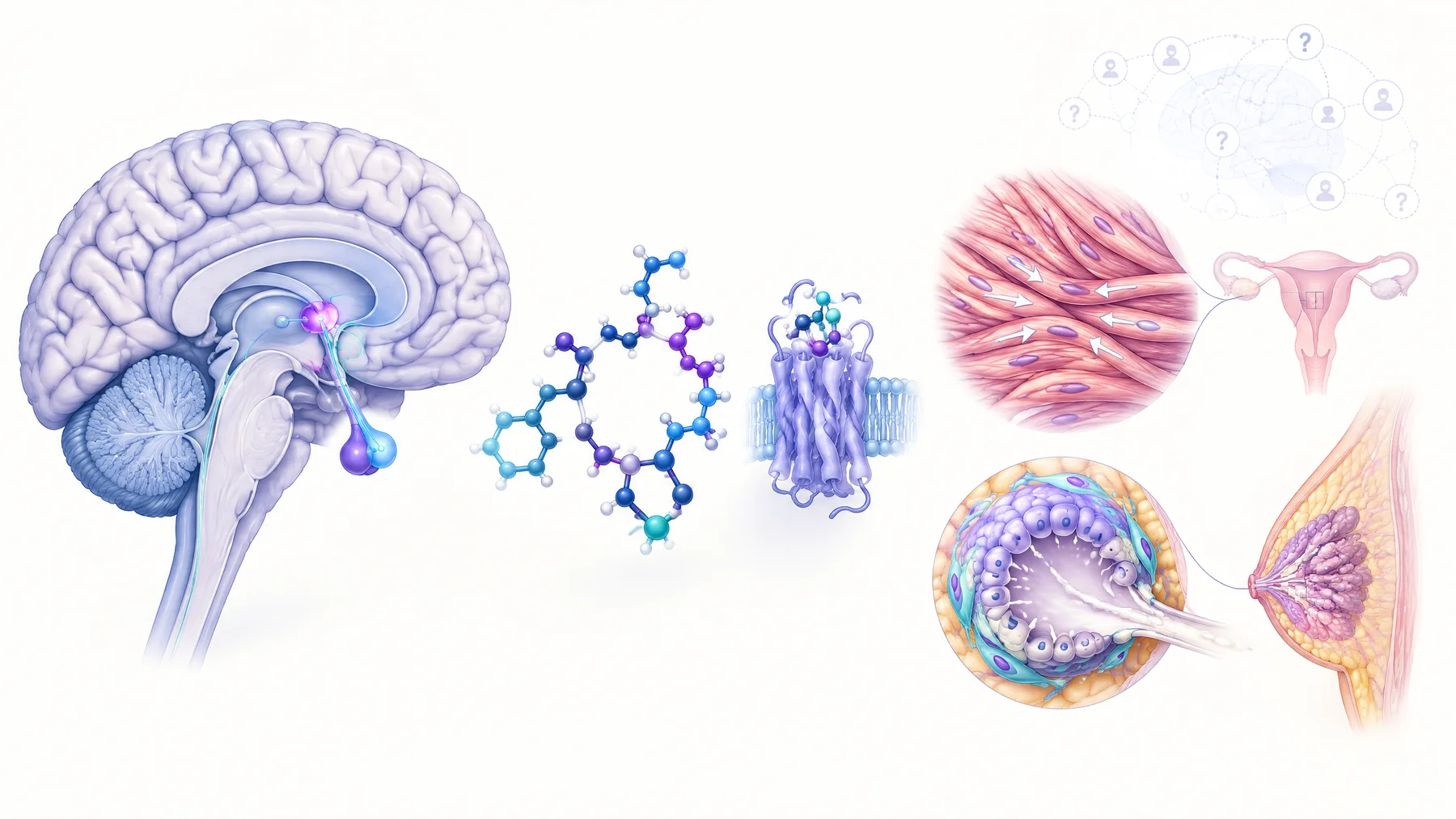
BPC-157, also called PL 14736 or PLD-116 in some literature, is a synthetic pentadecapeptide: a chain of 15 amino acids. The sequence reported in the rat Achilles-tendon experiment is GEPPPGKPADDAGLV. It is neither a hormone nor a conventional small-molecule drug. “Body Protection Compound” is a name used for this research peptide, not evidence of a proven protective effect in people. [1] [9]
The most accurate evidence label is **preclinical substance with limited exploratory human research**, not an established treatment. Sport Integrity Australia describes BPC-157 as an experimental peptide and says it is not approved for use by any regulatory agency worldwide; its Australian page also states that BPC-157 is not listed on the Australian Register of Therapeutic Goods (ARTG). [9] [8]
Molecular pathway: promising observations, not a settled human mechanism
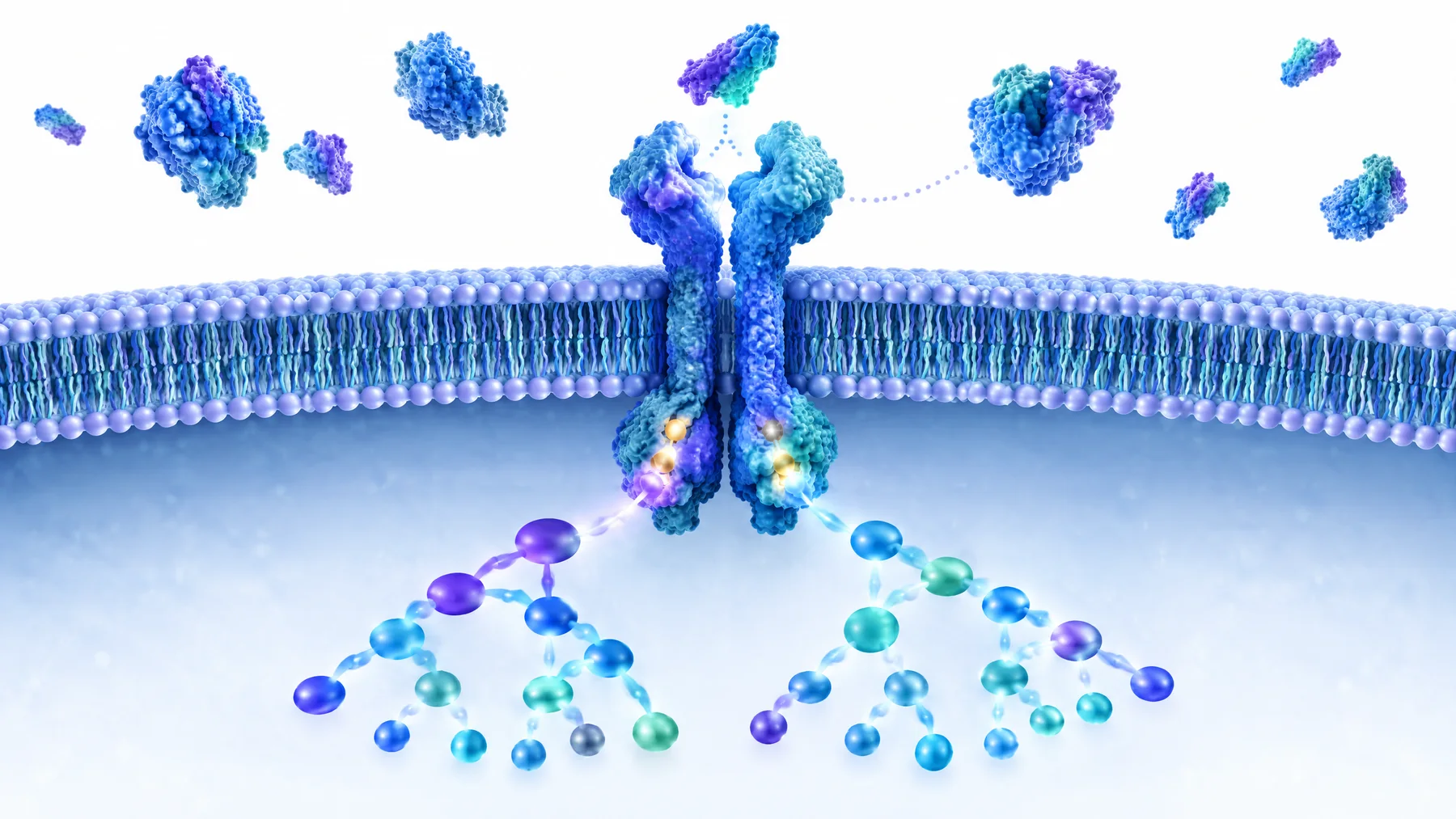
One well-defined mechanistic study used chick chorioallantoic membrane, human vascular endothelial-cell and rat hind-limb-ischaemia systems. In those systems, BPC-157 increased endothelial tube formation and vessel-density measures, and was associated with greater VEGFR2 expression, VEGFR2 internalisation and VEGFR2–Akt–eNOS signalling. In rats with hind-limb ischaemia, treated animals had higher vessel counts and faster measured blood-flow recovery. [2]
Those results make vascular signalling a research hypothesis worth testing, not a demonstrated explanation for human tendon, muscle or ligament recovery. The same paper does not show that this pathway produces a patient-important benefit in people, nor does it establish a human target, dose, route or treatment duration. [2] [11]
What the injury models actually found
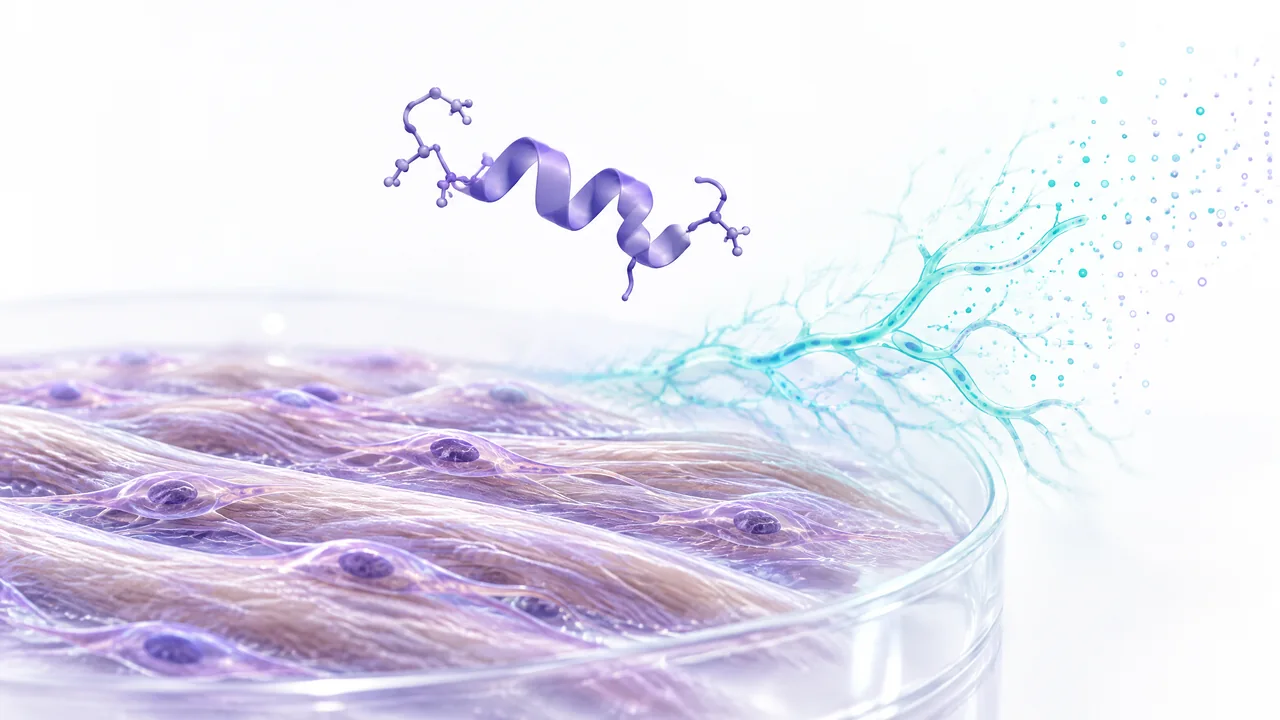
In a 2003 Wistar-rat experiment, investigators surgically transected the Achilles tendon 5 mm above its calcaneal insertion. Compared with saline controls, BPC-157-treated rats had better Achilles functional-index values, mechanical failure measures and histological features over 1–14 days. The accompanying cell work involved cultured tendocytes and 4-hydroxynonenal; it was not a human tendon trial. [1]
A separate rat study surgically transected the medial collateral ligament and followed healing for up to 90 days. It reported better functional, biomechanical, macroscopic and histological outcomes in treated rats across the study’s tested administration methods. That supports a model-specific animal signal; it does not show that an injured human knee ligament will respond the same way. [3]
A critical 2019 review reached a similarly cautious translation point: much of the musculoskeletal literature was in small rodent models, only a handful of groups had conducted in-depth work, and human efficacy had not been confirmed. Consistently positive animal reports should therefore be read alongside the risk of model-to-human differences and limited independent replication. [11]
Human evidence: small, uncontrolled and condition-specific
A 2024 pilot report enrolled 12 women with moderate-to-severe interstitial cystitis who had not responded to pentosan polysulfate. After one cystoscopy-guided local bladder procedure, 10 participants reported complete symptom resolution and two reported 80% improvement on a Global Response Assessment; no adverse events were reported. It was a single-clinic, uncontrolled report using self-reported outcomes, so it cannot distinguish a treatment effect from expectation, procedure effects, natural variation or selection bias, and it is not evidence for musculoskeletal injuries. [4]
A 2025 private-clinic pilot examined intravenous exposure in only two adults, both of whom had previously received intravenous BPC-157. The authors reported no side effects and no measurable changes in the selected heart, liver, kidney, thyroid or glucose biomarkers over the brief study period. Two previously exposed participants without a comparator or long follow-up cannot establish general safety, rare harms, long-term effects or clinical benefit. [5]
ClinicalTrials.gov currently returns four records for a BPC-157 search, including a recruiting hamstring-strain study and a not-yet-recruiting rotator-cuff-repair study; the search page shows no posted results for the four records. Registration signals research activity, but a registry entry is not evidence that a treatment works or is safe. [6]
Safety and uncertainty
There is no adequately sized, well-controlled human programme that defines BPC-157’s adverse-effect profile, interactions, contraindications, reproductive safety or long-term outcomes. The absence of adverse events in the two-person intravenous pilot and the 12-person bladder pilot is reassuring only within those very small, short and specialised reports; it does not demonstrate safety for other people, routes or products. [4] [5] [11]
Because angiogenesis and growth-related pathways are biologically consequential, it would be unsafe to treat a laboratory observation as a universal healing benefit. Sport Integrity Australia specifically cautions that short- and long-term human safety is unknown. People with an injury or chronic symptom need a diagnosis and evidence-based care plan rather than relying on marketing claims around a research peptide. [2] [9]
Australian regulatory and sport context
BPC-157 is not listed on the ARTG. The ARTG is the TGA database used to search therapeutic goods that can be supplied in Australia and can show product, formulation, sponsor and, where available, Product Information or Consumer Medicine Information. Accordingly, an overseas or research-supplier vial should not be described as an ARTG-approved BPC-157 medicine. [8] [9]
The TGA’s 2024 final scheduling decision created a Schedule 4 entry for BPC-157 and placed it in Appendix D, clause 5, which identifies poisons for which possession without authority is illegal. The decision took effect on 1 June 2024. Scheduling is a control decision; it is not evidence that BPC-157 is clinically effective or an approved therapy. Requirements can also vary with circumstances and state or territory law, so this is educational information rather than legal advice. [7]
For athletes, WADA places BPC-157 within S0, Non-Approved Substances, and lists it as prohibited at all times. Sport Integrity Australia likewise identifies it as a specified substance under the World Anti-Doping Code. Athletes should seek sport-specific anti-doping advice before using any product that claims to contain it. [10] [9]
How BPC-157 differs from an approved medicine or a ‘peptide blend’
An approved medicine is a specific regulated product with an assessed indication, formulation and official prescribing information. BPC-157 has no ARTG-listed Australian formulation. It should not be conflated with a supplier’s research vial simply because the vial names the same peptide; an unapproved product is not an approved formulation. [8] [9]
The BPC-157 papers also do not create a transferable protocol. The rat tendon and ligament experiments, the endothelial-cell and hind-limb models, and the two small human reports addressed different conditions and methods. Combining BPC-157 with another peptide would add a new intervention that has not been validated by these single-substance studies; no combined protocol can be inferred from them. [1] [2] [3] [4] [5]
A practical way to read BPC-157 claims
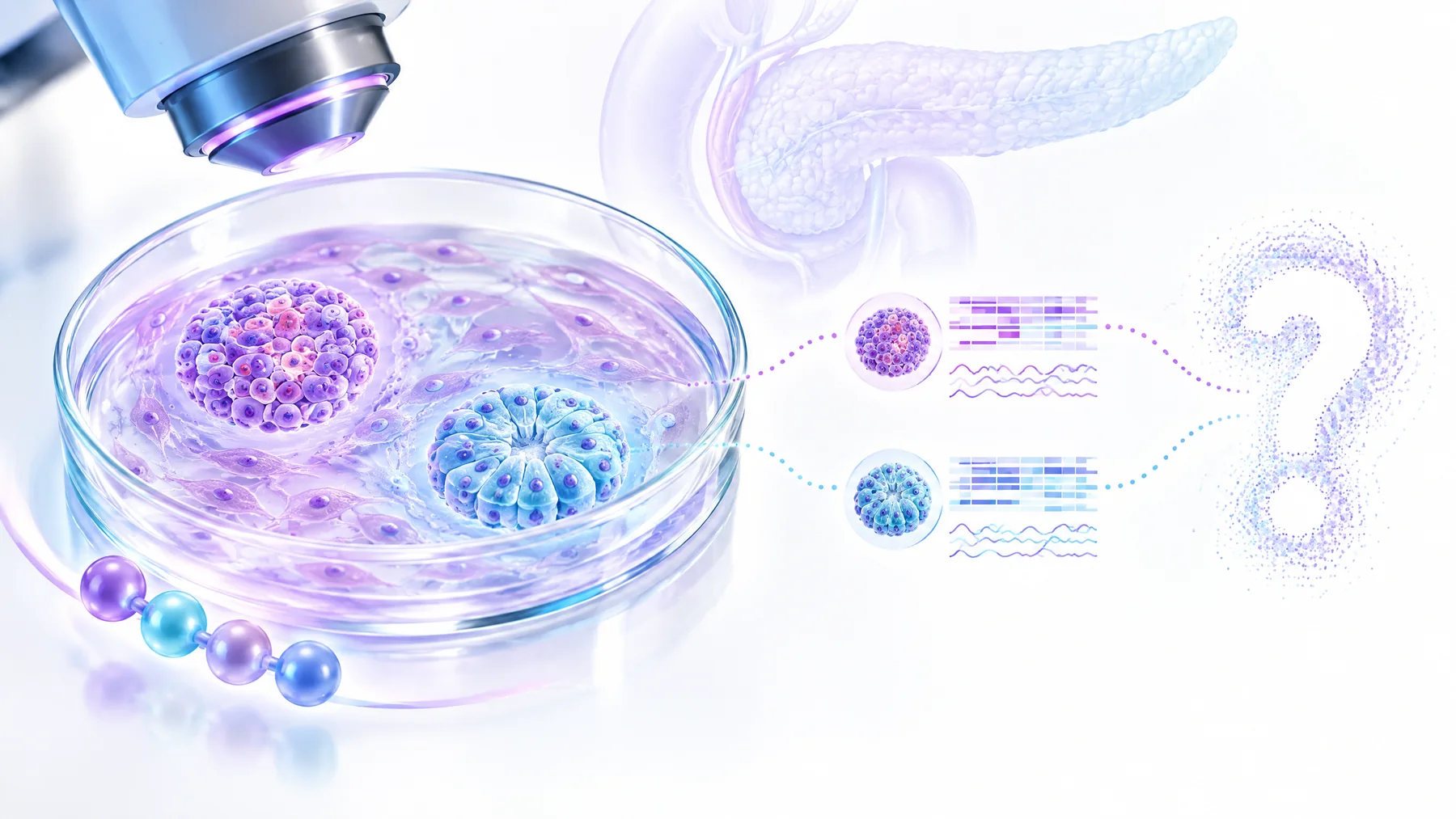
Start by asking what was studied: a cell culture, a chick membrane, a rat injury, a registry entry or a controlled human trial. The tendon and ligament studies measured outcomes in surgically injured rats, while the published human reports involved interstitial cystitis and a two-person safety pilot. None is a randomised human trial showing that BPC-157 repairs sports injuries or speeds return to activity. [1] [3] [4] [5] [11]
Next, separate a result from a recommendation. “More vessels in a rat ischaemia model” and “higher load to failure in a rat tendon model” are results in those systems. They cannot by themselves answer whether a person should use BPC-157, by any route, at any dose or on any schedule. Strong future evidence would need well-designed, independently replicated human trials with relevant outcomes, transparent adverse-event reporting and longer follow-up. [1] [2] [5] [11]
Questions readers ask
Is BPC-157 an approved medicine in Australia?
No. Sport Integrity Australia states that BPC-157 is not on the ARTG. The TGA’s 2024 decision instead placed BPC-157 in Schedule 4 and Appendix D; that control status is not therapeutic approval. [7] [9]
Is BPC-157 actually a peptide?
Yes. The primary rat-tendon paper describes a 15-amino-acid sequence, GEPPPGKPADDAGLV, and gives a molecular weight of 1419. It is not a hormone or small molecule. [1]
Does BPC-157 heal tendons or ligaments in people?
That has not been established. Rat Achilles-tendon and medial-collateral-ligament studies reported improved model outcomes, but the critical review found that most evidence was from small rodents and human efficacy was unconfirmed. Published human reports cited here concern bladder pain syndrome and a two-person safety pilot, not tendon or ligament repair. [1] [3] [4] [5] [11]
Is it safe because small human studies reported no adverse events?
No conclusion of general safety follows. The available pilots were very small, uncontrolled and short. They cannot reliably detect uncommon, delayed or population-specific harms, nor do they validate other routes or products. [4] [5] [11]
Can an athlete use BPC-157?
BPC-157 is prohibited at all times under WADA’s S0 Non-Approved Substances category. Sport Integrity Australia also identifies it as prohibited and specified; athletes should obtain advice from their anti-doping organisation rather than rely on supplier claims. [9] [10]
What remains uncertain
This record is intentionally limited by the evidence base. The primary musculoskeletal evidence cited is from surgically injured rats and laboratory systems, while published human reports are small, uncontrolled and in different conditions. No source here establishes a clinically validated BPC-157 indication, product formulation, administration schedule, storage method, combined-peptide protocol, long-term safety profile or efficacy for sports injury. Regulatory status can change, and Australia-specific decisions should be checked against current TGA and state or territory requirements.
References and further reading
- [1] Gastric pentadecapeptide BPC 157 accelerates healing of transected rat Achilles tendon and in vitro stimulates tendocytes growth. Surgically transected right Achilles tendon in Wistar rats; saline comparison; daily intraperitoneal treatment; functional, biomechanical, microscopic and macroscopic assessments on days 1, 4, 7, 10 and 14, plus cultured tendocyte experiments.
- [2] Therapeutic potential of pro-angiogenic BPC157 is associated with VEGFR2 activation and up-regulation. Chick chorioallantoic membrane assay, endothelial tube-formation experiments with human vascular endothelial cells, and rat hind-limb ischaemia with laser-Doppler and histological measures.
- [3] Pentadecapeptide BPC 157 (PL 14736) improves ligament healing in the rat. Rat medial collateral ligament surgical transection, with intraperitoneal, oral or local topical experimental treatment and functional, biomechanical, macroscopic and histological outcomes followed through 90 days.
- [4] Effect of BPC-157 on Symptoms in Patients with Interstitial Cystitis: A Pilot Study. Single private-clinic, uncontrolled report in 12 women with moderate-to-severe interstitial cystitis refractory to pentosan polysulfate; cystoscopy-guided local bladder procedure; Global Response Assessment outcome.
- [5] Safety of Intravenous Infusion of BPC157 in Humans: A Pilot Study. Private-clinic, two-participant, three-day, uncontrolled intravenous-exposure study with selected vital signs and laboratory biomarkers measured before and after exposure; both participants had previously received intravenous BPC-157.
- [6] ClinicalTrials.gov search: BPC-157. Registry search result page reviewed for study count, recruitment status and whether results were posted.
- [7] Notice of final decision to amend (or not amend) the current Poisons Standard — ACMS #43, ACCS #37, Joint ACMS-ACCS #35. Final Poisons Standard scheduling decision published by the TGA delegate after committee advice and consultation.
- [8] Australian Register of Therapeutic Goods (ARTG). TGA public register information page.
- [9] BPC-157 Information. Regulatory and anti-doping educational record, not a clinical study.
- [10] The Prohibited List. Current international anti-doping prohibited-list resource.
- [11] Gastric pentadecapeptide body protection compound BPC 157 and its role in accelerating musculoskeletal soft tissue healing. Review of BPC-157 literature on tendon, ligament and skeletal-muscle healing.