
Find the protocol.
Understand the research.
Find a compound, see the evidence behind its reported schedule, examine the vial and formulation, and check the concentration math—all in one clear research reference.
Featured research protocols
Open a protocol to see the vial, research context, preparation considerations and documented schedules together.
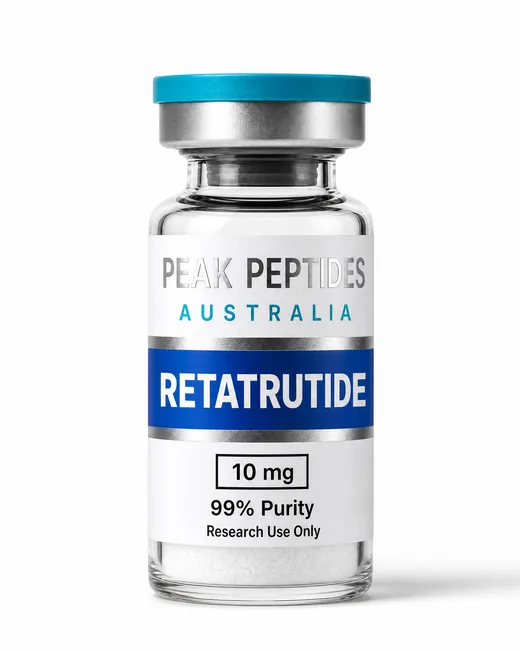
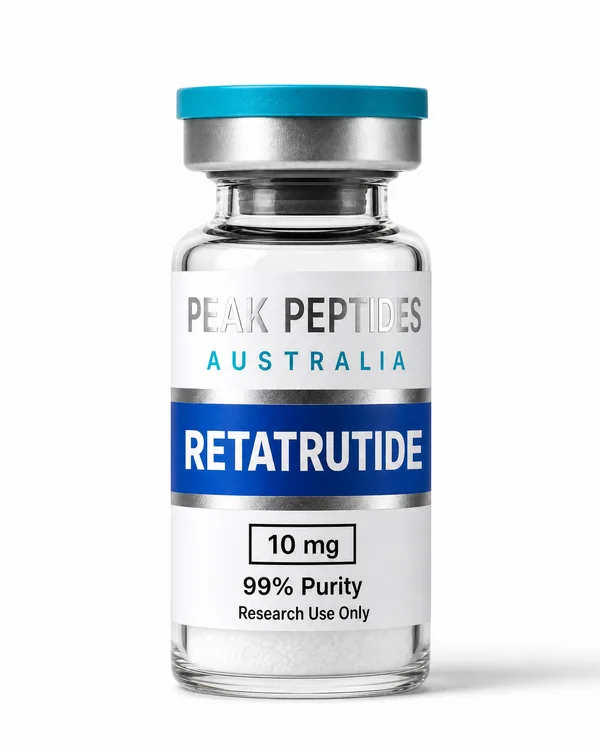 SINGLEPeak Peptides image
Retatrutide
Triple Agonist (GLP-1/GIP/Glucagon)
Also available: 20 mg vial
Retatrutide (LY3437943) is an investigational triple GLP-1/GIP/glucagon receptor agonist. It has been studied in supervised clinical trials but is not an approved medicine. The phase 2 obesity trial used fixed-dose and target-dose arms with gradual escalation every 4 weeks—not automatic weekly increases. For research purposes only.
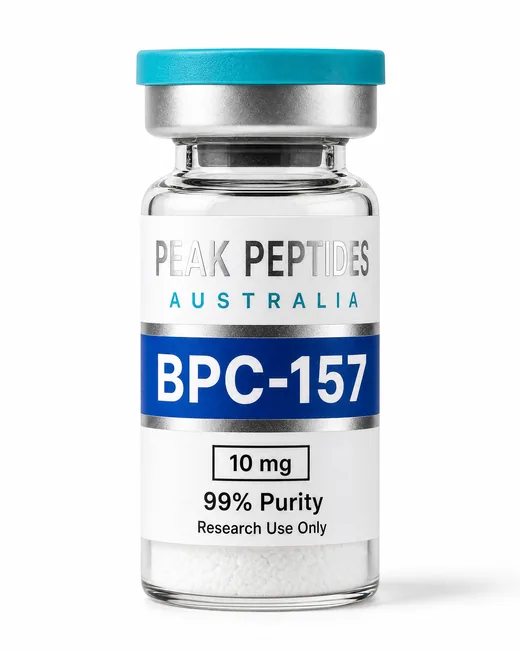
 SINGLEPeak Peptides image
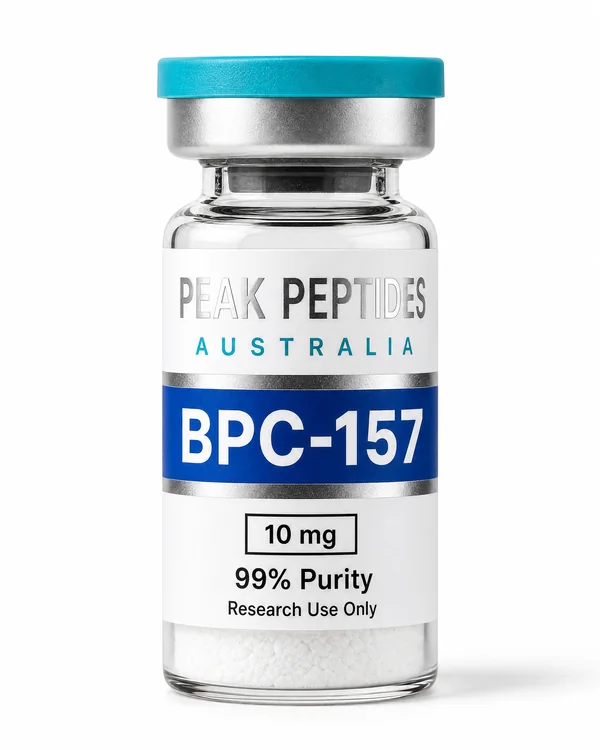
BPC-157
Body Protection Compound-157
BPC-157 (Body Protection Compound-157) is a synthetic 15-amino-acid peptide derived from a gastric protein sequence studied for tissue-healing and cytoprotective properties. Preclinical models demonstrate accelerated wound repair and anti-inflammatory activity, though human clinical data remain limited to early-phase safety trials and small case reports.
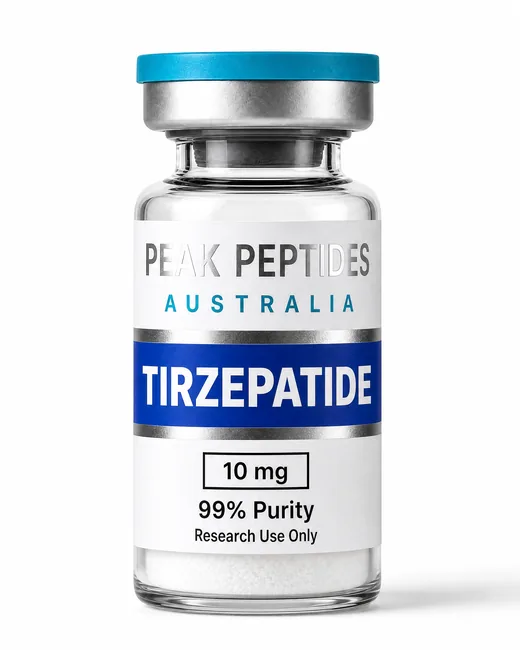
 SINGLEPeak Peptides image
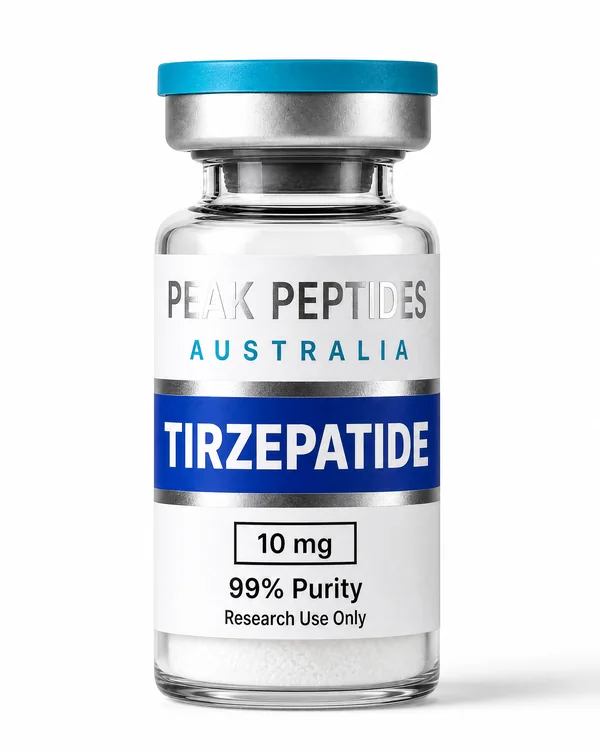
Tirzepatide
Dual Agonist (GLP-1/GIP)
Tirzepatide is a dual glucose-dependent insulinotropic polypeptide (GIP) and glucagon-like peptide-1 (GLP-1) receptor agonist. It works synergistically to improve glycemic control and support weight loss by enhancing insulin secretion, delaying gastric emptying, and reducing appetite.
 SINGLEPeak Peptides image
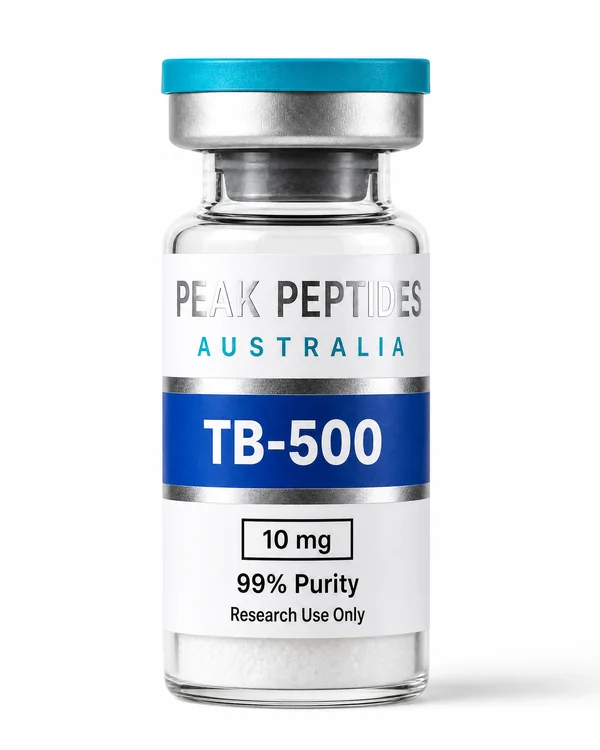
TB-500
Thymosin Beta-4 Fragment
TB-500 is a synthetic peptide fragment corresponding to the active region of thymosin beta-4 (Tβ4), a naturally occurring 43-amino-acid protein involved in tissue repair and regeneration.
 SINGLEPeak Peptides image
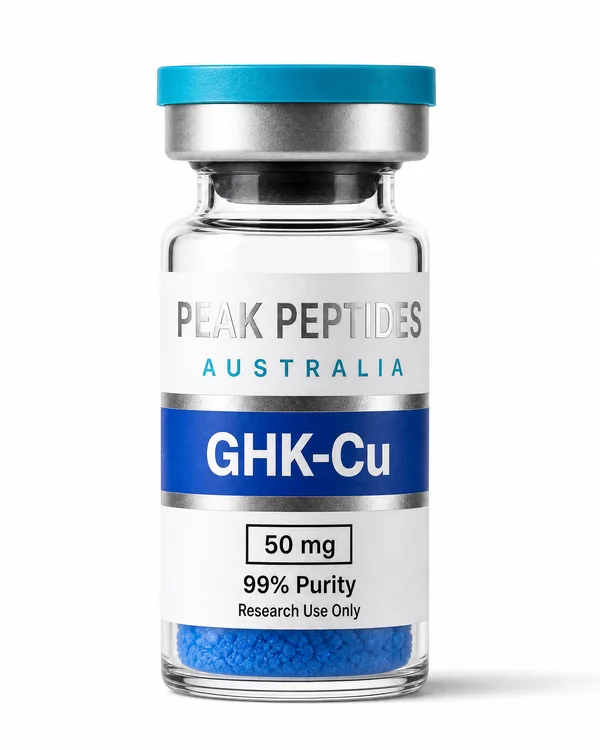
GHK-Cu
Copper Tripeptide-1
GHK-Cu is a naturally occurring tripeptide that complexes with copper ions to modulate numerous biological processes. Research has demonstrated its involvement in wound healing through enhanced collagen and decorin gene expression, activation of tissue remodeling pathways, and regulation of genes associated with antioxidant defense and anti-inflammatory responses.
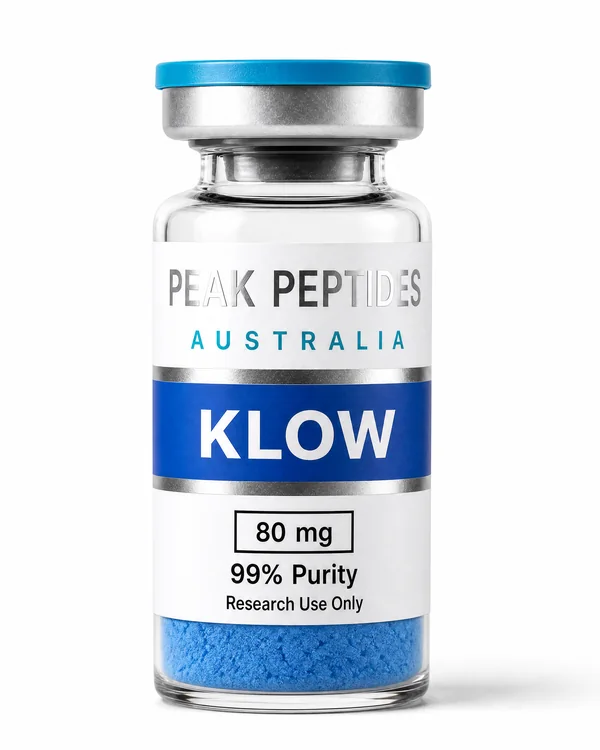 BLENDPeak Peptides image
KLOW Blend
GHK-Cu (50mg) + BPC-157 (10mg) + TB-500 (10mg) + KPV (10mg)
Cited example and evidence context
A research-labelled 80 mg blend combining GHK-Cu, BPC-157, TB-500 and KPV. Research on its individual ingredients does not establish combined human efficacy, compatibility, route or administration schedule.
From labelled vial to understandable research context.
Identify the exact vial
Check the compound, labelled strength and formulation. Similar-sounding products are not interchangeable.
Read the evidence context
Distinguish licensed-product labels, published trial schedules and early-stage research.
Check the preparation details
Use the specific product's validated diluent, volume, handling and storage instructions.
Verify the arithmetic
Understand mg, mcg, mL and U-100 volume markings without treating a calculation as a prescription.
Guides that answer the next question
Preparation & diluents
Follow a product-specific preparation pathway and learn what changes the concentration.
Research articles
Explore comparisons, evidence explainers, formulation questions and Australian research topics.
Vial caps & supplies
Identify cap designs and learn what to check before handling a vial.
HGH: IU to mg
Why 10 IU corresponds to about 3.33 mg for documented somatropin—and how 12/32 IU kit vials differ.
Mass is not volume.
Keep the units straight.
The same labelled vial amount yields a different concentration when the final liquid volume changes. Use the calculator to check arithmetic, not to select an amount or override product instructions.
Explore the research library
How to Reconstitute Peptides Correctly: An Illustrated Research Guide
Four clear illustrations show wall-side transfer, gentle swirling, no shaking, and why visible particles must be resolved or quarantined before use and product-specific storage.
Read the guide ReconstitutionCloudy or Clumped Peptide After Reconstitution: Causes, Safety and What to Do
A safety-first troubleshooting guide explaining precipitation, aggregation, contamination, stopper fragments and why a persistently abnormal solution must be quarantined rather than rescued.
Read the guide ReconstitutionDilute Acetic-Acid Solution for Peptide Research: When It Is and Is Not Appropriate
A product-specific guide to dilute acetic-acid solution, peptide solubility, and why the vial instructions or lot-specific certificate of analysis must come before generic advice.
Read the guideResearch-only supplier vials are not the same as approved medicines. An educational schedule or calculation is not a recommendation to inject or treat a condition; use licensed care for medical decisions.