
 View on Peak SINGLEDosage chart
Tirzepatide
Dual Agonist (GLP-1/GIP)
Approved medicine · label context differs from research vials
Open dosage chart
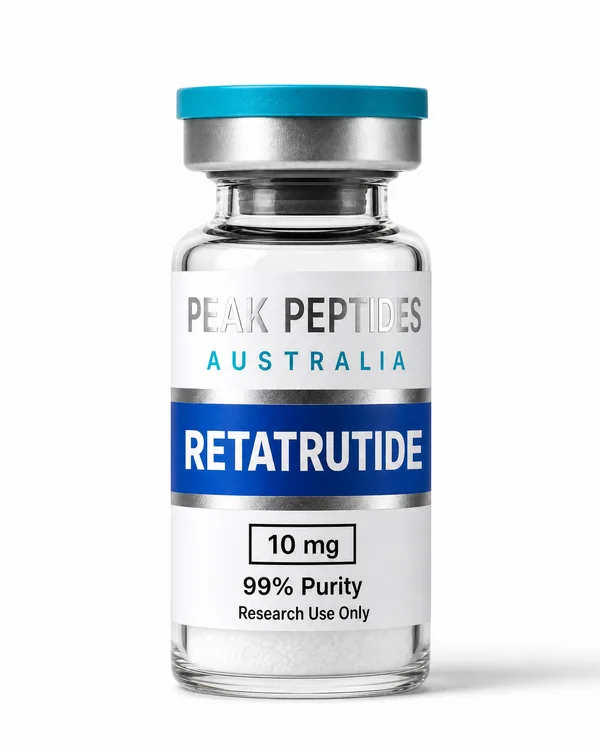
LY3437943 · GIP / GLP-1 / glucagon triple agonist
Retatrutide is taken once weekly under the skin. The reference protocol starts at 2 mg and steps up every 4 weeks only if tolerated, to a studied maximum of 12 mg. Mix 1 mL of bacteriostatic water into the 10 mg vial (or 2 mL into the 20 mg vial) for 10 mg/mL — so 2 mg is 20 units on a U-100 syringe.
Reviewed 25 Oct 2026 · Education only, not medical advice
Gradual weekly approach · 10 mg vial + 1 mL BAC water
1 mL in the 10 mg vial or 2 mL in the 20 mg vial both give 10 mg/mL, so 10 units = 1 mg and every step up to 9 mg fits in one syringe. Peak's 10 mg page also shows a 2 mL mix (5 mg/mL) — switch above to see those units.
| Week | Weekly dose | Syringe units | Syringe fill |
|---|---|---|---|
| Weeks 1–4Start | 2 mg | 20 units0.2 mL | |
| Weeks 5–8 | 4 mg | 40 units0.4 mL | |
| Weeks 9–12 | 6 mg | 60 units0.6 mL | |
| Weeks 13–16 | 9 mg | 90 units0.9 mL | |
| Week 17 onwardsMax | 12 mg | 120 units1.2 mL · 2 syringe drawsMore than one 10 mg vial — use the 20 mg vial |
Once weekly · same day each week · subcutaneous injection
Step up only after at least 4 weeks on the current dose, and only if it is well tolerated. If side effects are bothersome, stay on the current step.
4 mg and 9 mg were also studied as ongoing doses — 12 mg is the maximum studied, not a dose everyone needs to reach.
Steps match the escalation used in Eli Lilly's phase 3 TRIUMPH trials. Retatrutide is not an approved medicine in Australia — education only, not medical advice. Dose amounts adapted from Retatrutide 10 mg vial dosage protocol (PeptideDosages.com); units are recalculated for the vial and mix selected above.
Using a 1 mL (100-unit) insulin syringe, one full draw of bacteriostatic water gives 10 mg/mL.
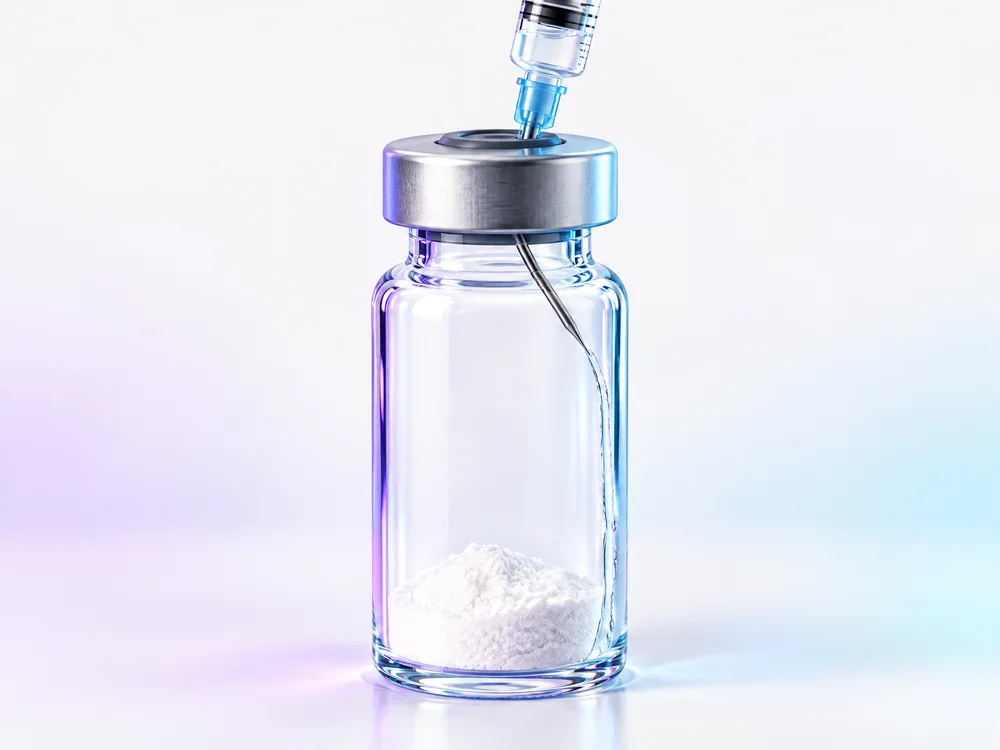 1
Wipe both rubber stoppers with an alcohol swab and let them dry. Draw 1 mL of bacteriostatic water and let it run slowly down the inside of the vial wall — not straight onto the powder.
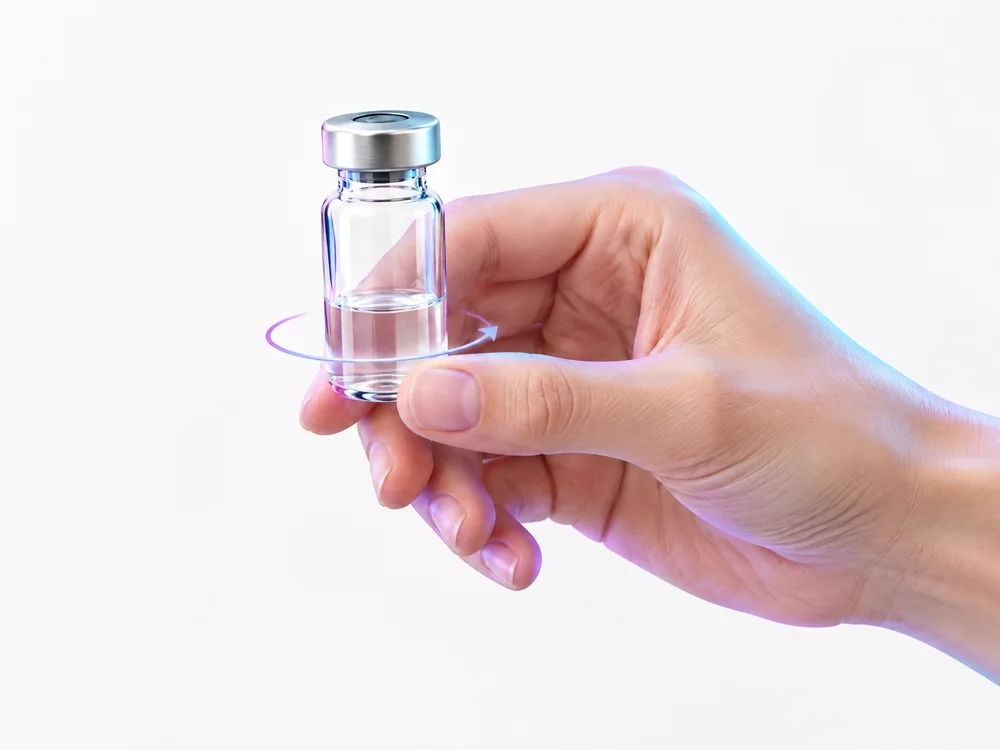 2
Swirl or roll the vial gently until the powder has dissolved. Give it a few minutes to settle if needed.
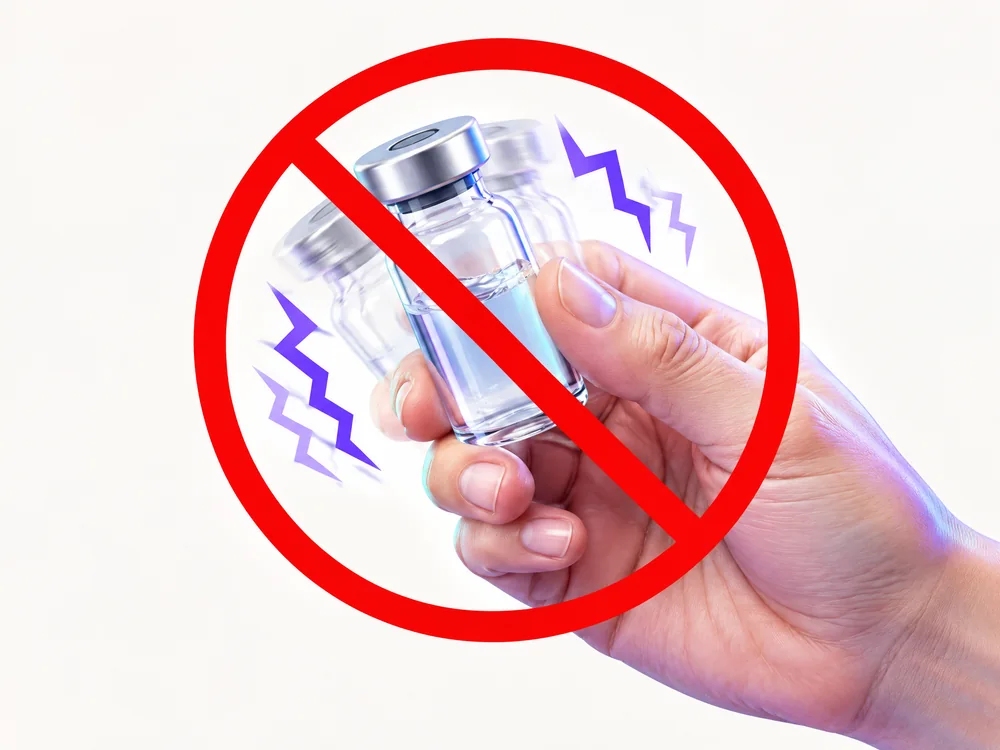 3
Shaking can damage the peptide and cause foaming. Gentle swirling only.
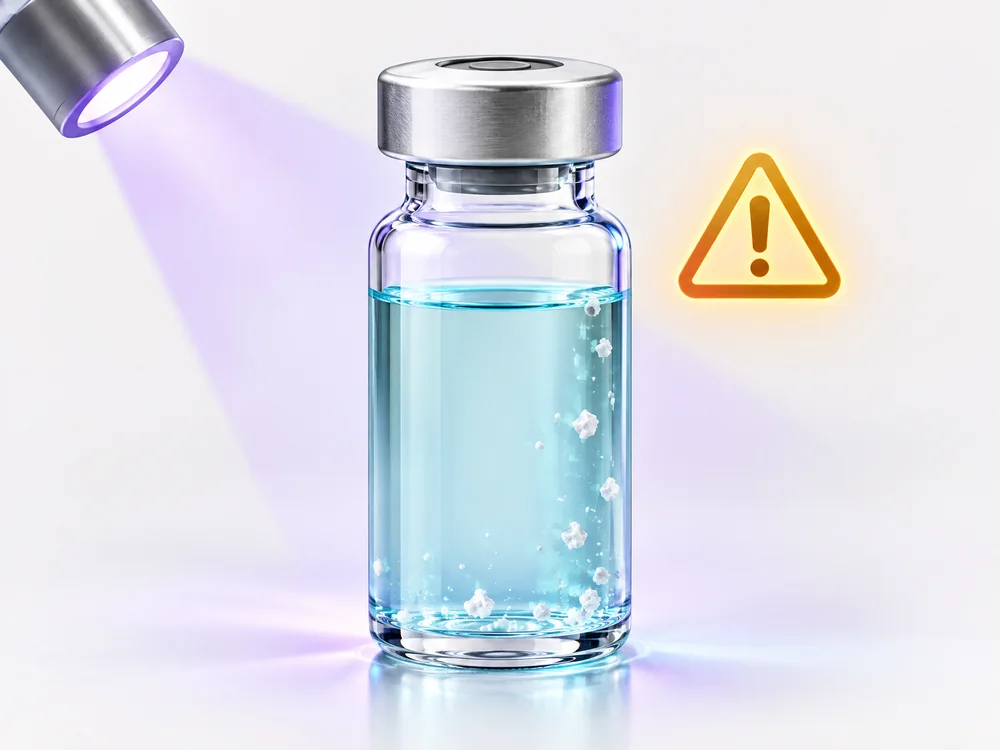 4
Only use it once it is fully clear with no particles. Label the vial with the date and 10 mg/mL, then store it in the fridge at 2–8 °C.
Counts follow the dosage chart above at the highest amount in each step, using a 10 mg vial mixed with 1 mL.
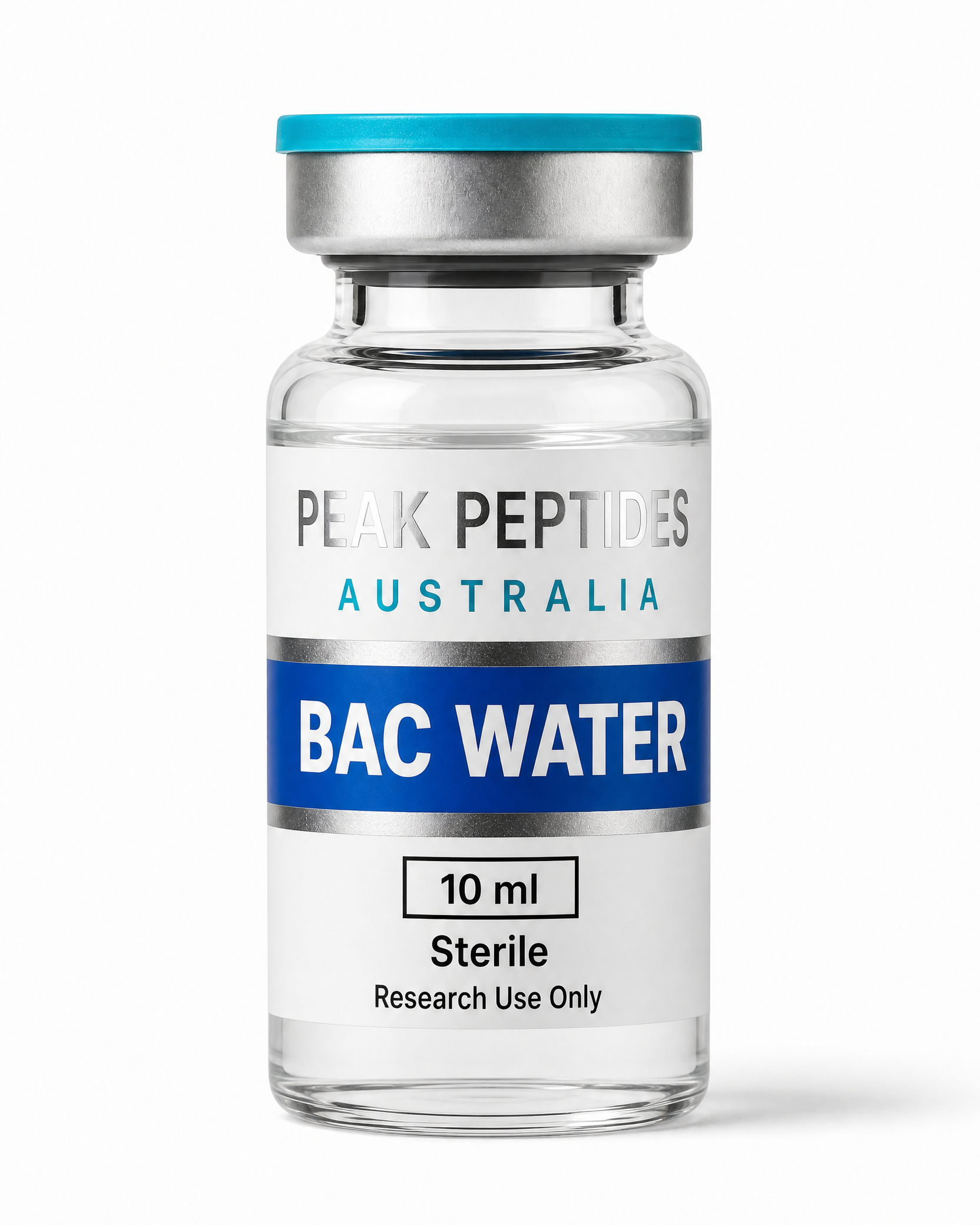
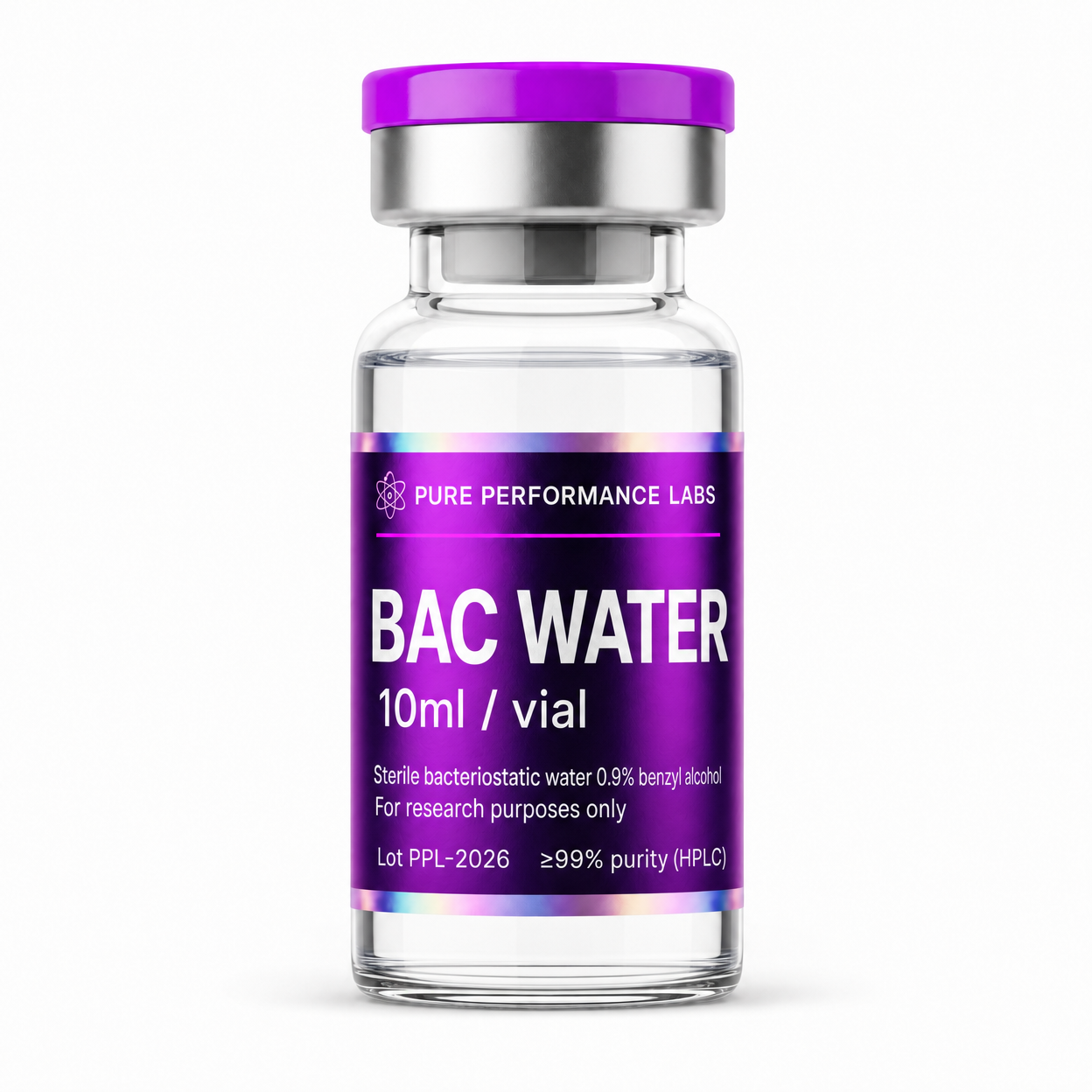
Plus an approved sharps container. Syringes and swabs are sold by Australian pharmacies — Peak Peptides and Pure Performance supply the bacteriostatic water.
Enter your vial, water and dose to see the matching syringe units.
Concentration
10.00 mg/mL
(10000 mcg/mL)
Calculated Liquid Volume
0.200 mL
Equivalent U-100 volume scale position
Illustration of a U-100 volume scale, not preparation or injection guidance
Retatrutide (LY3437943) is a single molecule that activates three hormone receptors: GIP, GLP-1 and glucagon — which is why it's called a triple agonist.
GLP-1 and GIP signalling reduce appetite and improve blood-sugar control. Glucagon-receptor activity is thought to increase energy use and reduce liver fat.
Guidance: World Health Organization · National Diabetes Services Scheme (NDSS)
It depends on how much water you added. In a 10 mg vial, 2 mg is 40 units with 2 mL of water (5 mg/mL), 20 units with 1 mL (10 mg/mL), and 60 units with 3 mL.
1 mL gives 10 mg/mL (10 units = 1 mg), which keeps every step up to 9 mg inside one 1 mL syringe. Peak's guide also shows 2 mL, which gives 5 mg/mL (20 units = 1 mg). For the 20 mg vial, 2 mL gives 10 mg/mL. Use the selector above the chart to match your mix.
In the trials, no sooner than every 4 weeks — not every week — and only if the current dose is well tolerated.
Five weekly doses at 2 mg, or two and a half doses at 4 mg. Higher steps use more than one 10 mg vial — Peak also lists a 20 mg vial.
View on Peak SINGLEDosage chartDual Agonist (GLP-1/GIP)
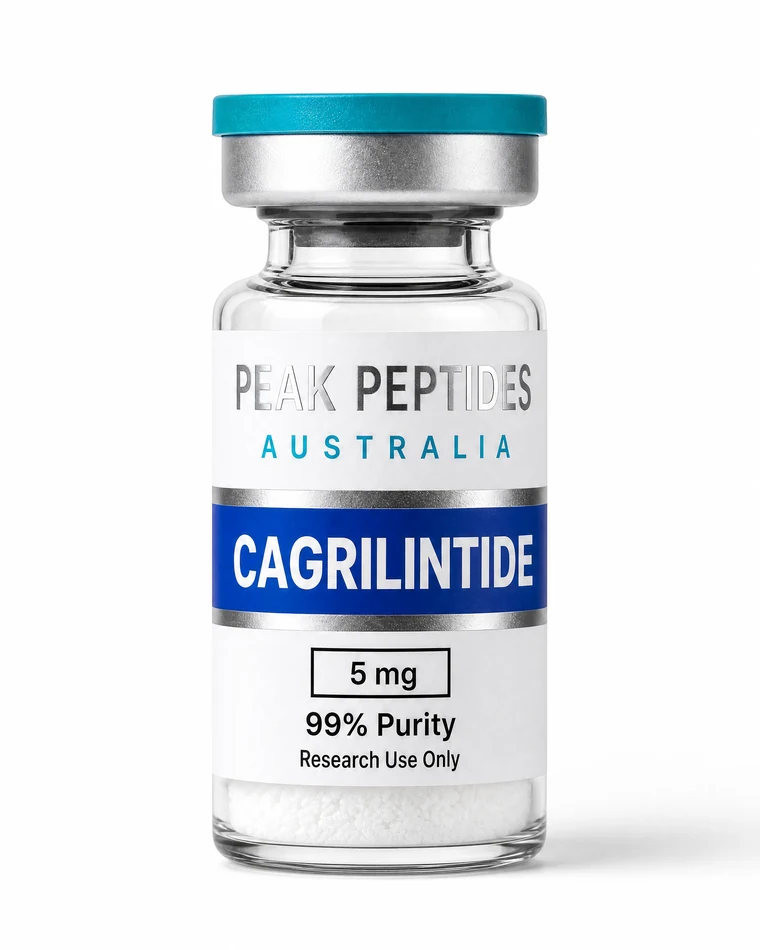 View on Peak SINGLEDosage chart
Cagrilintide (Long-Acting Amylin Analogue)
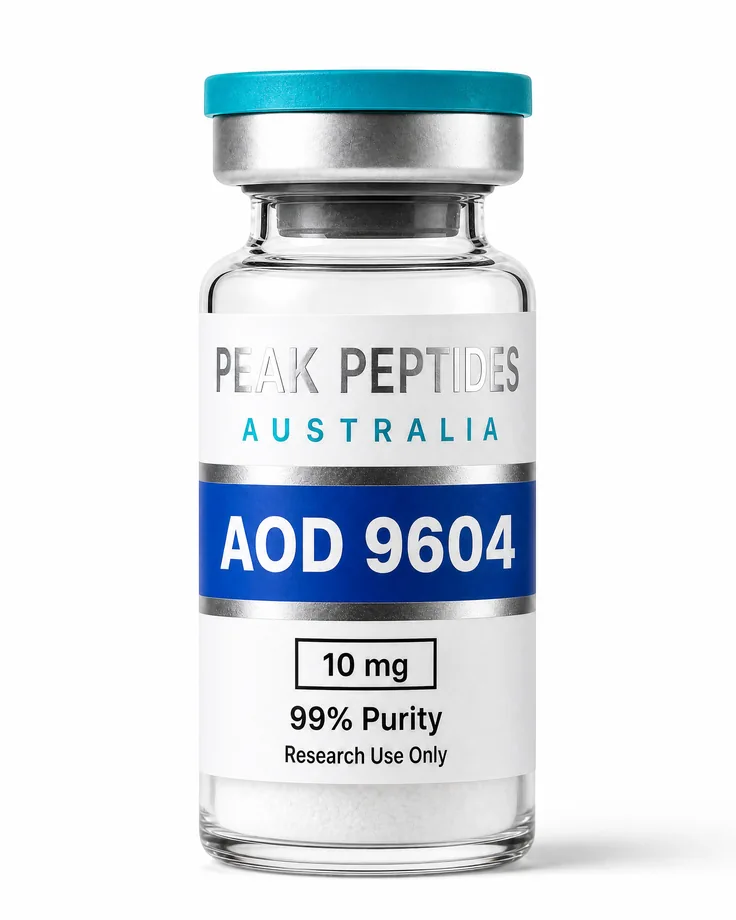 View on Peak SINGLEDosage chart
Anti-Obesity Drug 9604
Cited example and evidence context