What is in this particular research vial?
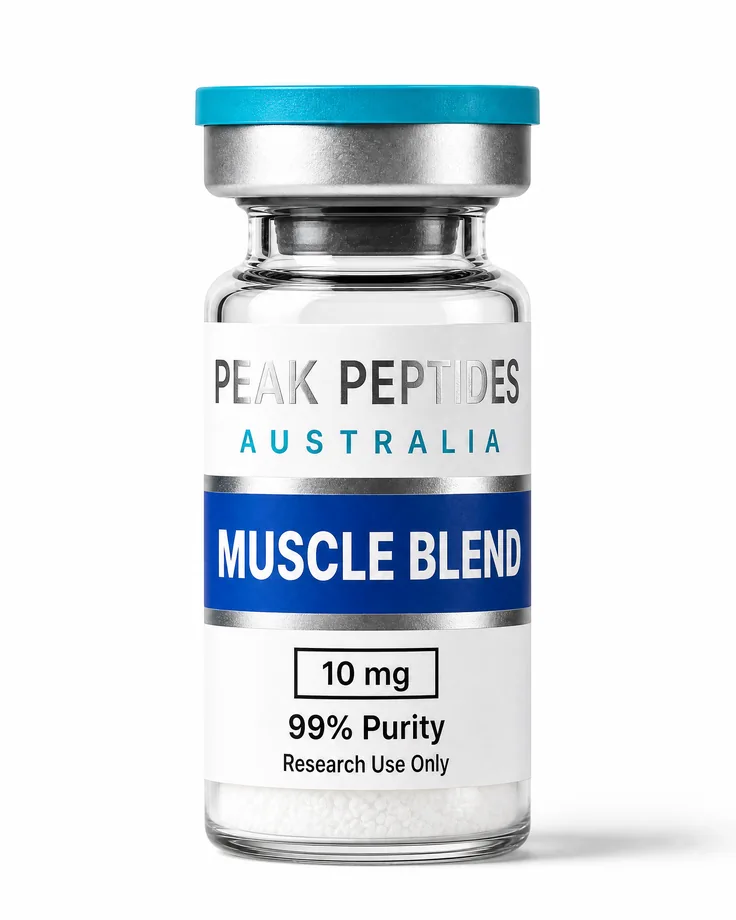
Peak's present product listing identifies a 10 mg combined vial: CJC-1295 No DAC 5 mg plus Ipamorelin 5 mg. It is not 10 mg of each. The No DAC qualifier matters: studies of the long-acting DAC conjugate do not automatically characterize the chemistry or duration of the unmodified component. A photograph of an individual 10 mg CJC or Ipamorelin vial would be a misleading illustration for this 5 + 5 mg blend.
These are nominal component masses, not a recommended administered amount, a verified combined concentration, or proof that the two substances behave identically when supplied in one vial. Exact lot and formulation documentation is required for handling.
Two independent pathways—not a proven synergy
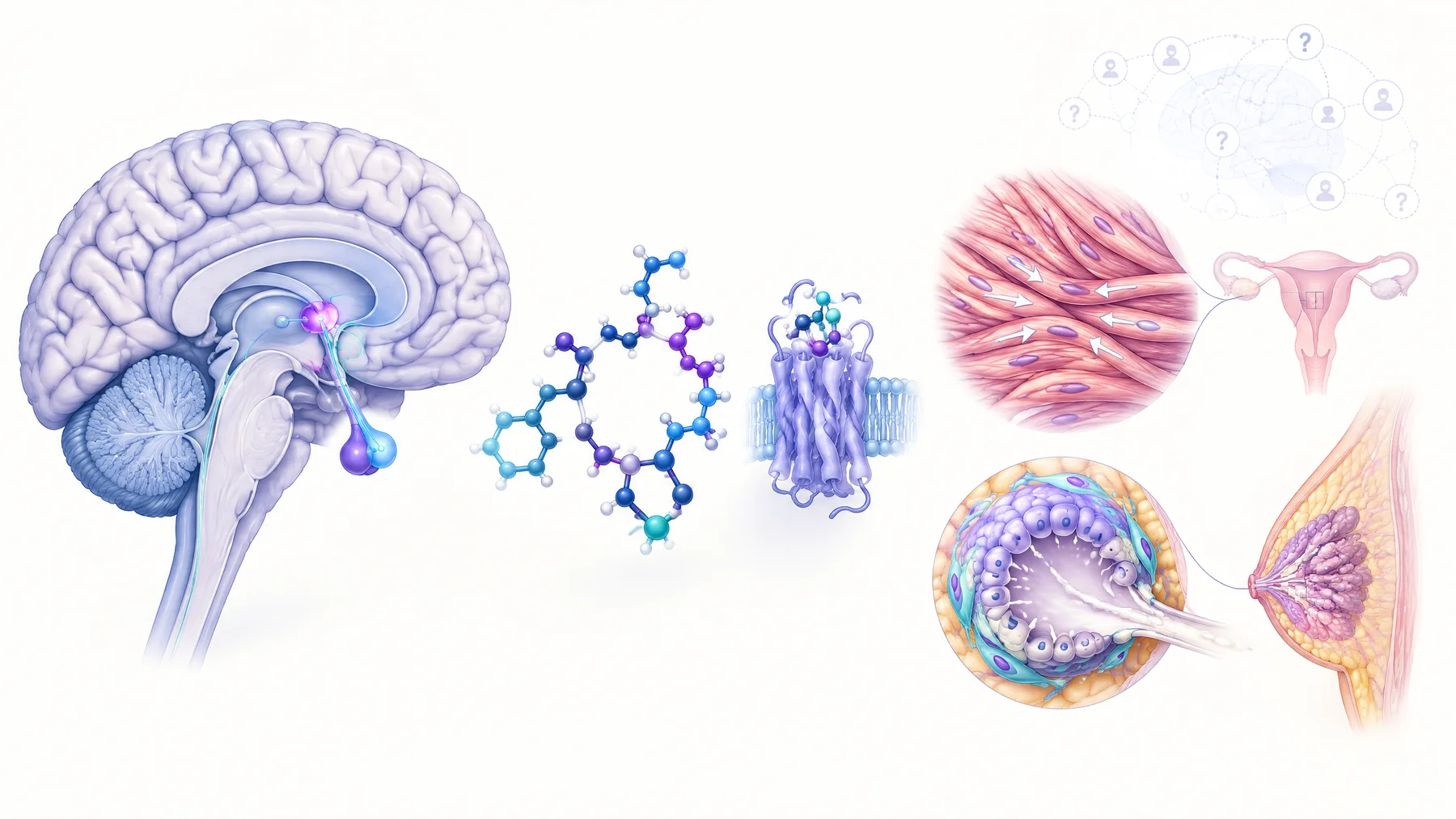
Native growth-hormone-releasing hormone (GHRH) can stimulate pituitary GH release. A small 1992 study of GHRH(1–29) in older men documented GH/IGF-I responses under its own supervised formulation and schedule. It did not test Peak's modified No DAC peptide or this blend.
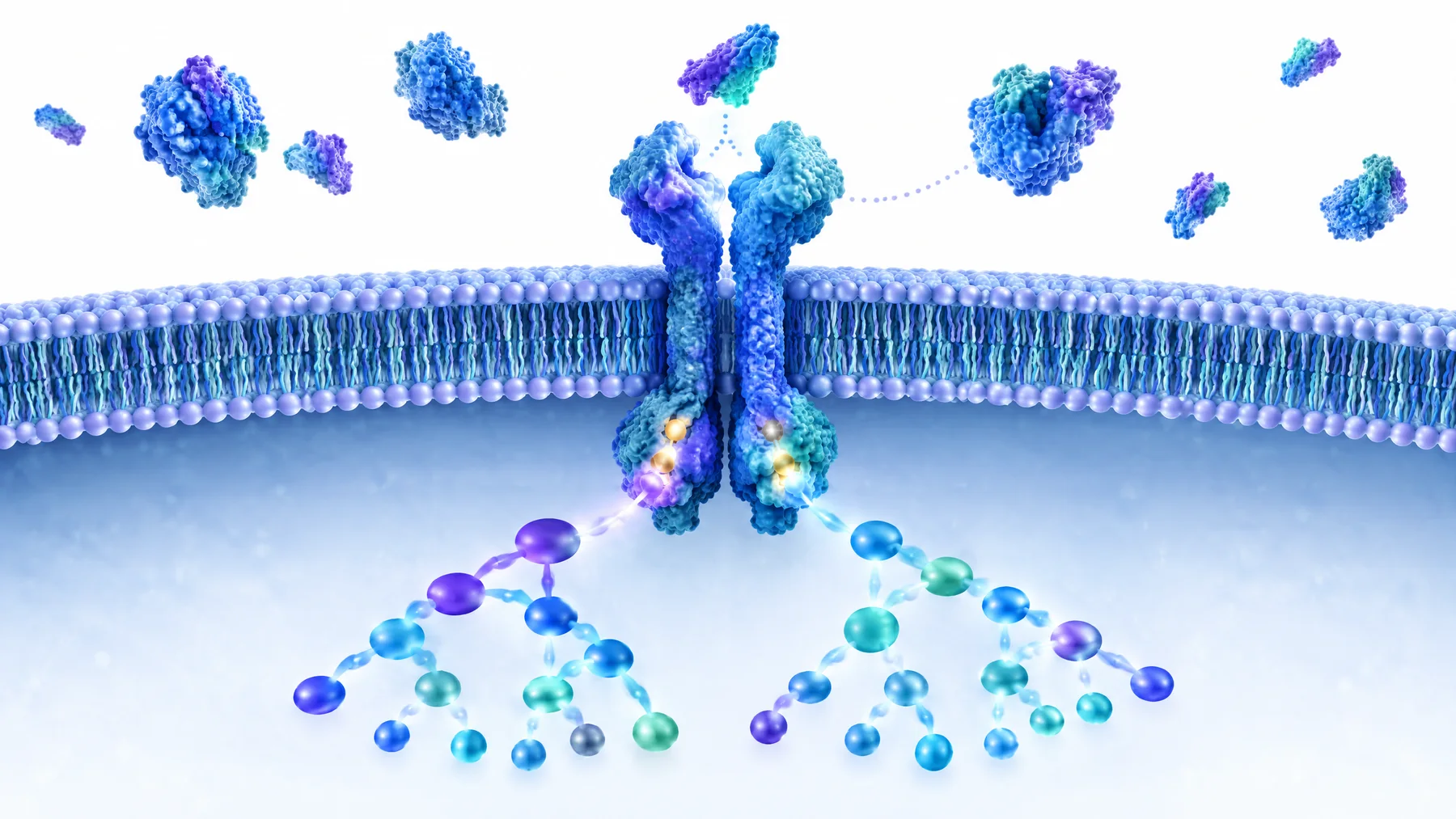
Separately, Raun and colleagues investigated Ipamorelin as a GH-secretagogue-receptor agonist, reporting selectivity for GH release in the experimental systems studied. Distinct biological entry points may be a research rationale, but placing two components in the same vial does not demonstrate additive GH output, improved muscle or recovery, predictable tolerability, or clinical benefit. The annotated figure below deliberately depicts the pathways as parallel research contexts, not a causal chain leading to a human outcome.
Why the separate studies cannot become a mixture protocol
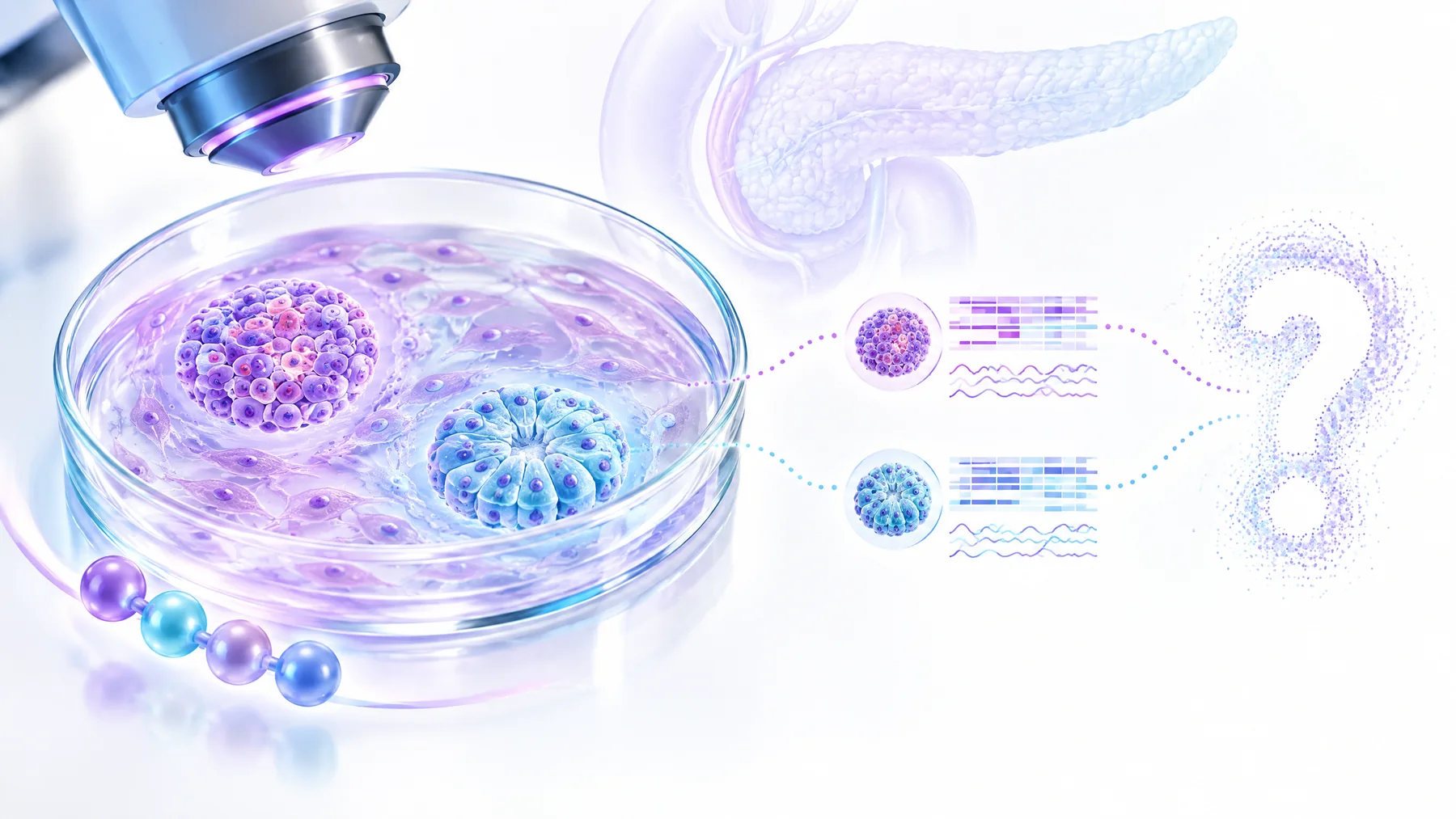
The GHRH study investigated native GHRH(1–29), not this combined No DAC vial. The Ipamorelin study examined an ingredient in defined experimental conditions. Neither independently validates the mixed product's identity beyond its label, sterility, compatibility, route, frequency, stability after preparation or a personal treatment cycle. A numerical example copied from one ingredient's article is therefore not a formulation-specific instruction for the blend.
The product listing itself calls the material laboratory research only. The Australian TGA warns that unapproved peptide products have not been assessed as approved medicines for quality, safety and efficacy. The label “research use only” is not a shortcut to clinical suitability.
Questions to verify before interpreting a product label
Check that the current package and batch documentation identify both peptides and their exact individual masses; that the photograph really shows Muscle Blend 10 mg; and that any requested handling information is specific to the combined formulation. A product image, theoretical mechanism or U-100 volume marking does not validate dilution or administration. See the Muscle Blend product reference, product-specific preparation guide, and the separate No DAC and Ipamorelin research reviews for their own sources.
References and scope
- Peak Peptides Australia: current Muscle Blend composition (5 mg + 5 mg) — product identity only.
- Corpas et al. J Clin Endocrinol Metab (1992), GHRH(1–29) GH-axis trial — native GHRH, not No DAC or this mixture.
- Raun et al. Eur J Endocrinol (1998), Ipamorelin receptor/secretagogue research — one component, not a trial of the combined vial.
- Australian TGA: unapproved peptide-product warning — regulatory context.
No cited source above establishes a clinical combined-use protocol, route, mixing recipe or efficacy for this research blend.