What is CJC-1295 No DAC (Modified GRF 1-29)?
Synthetic peptide; a short growth-hormone-releasing hormone (GHRH) analogue commonly marketed under the research name ‘modified GRF (1-29)’ or ‘CJC-1295 no DAC’. It is not growth hormone itself and it is not a small molecule. modified GRF (1-29) Mod GRF 1-29 tetrasubstituted GRF (1-29) CJC-1295 without DAC ‘No DAC’ is not a trivial suffix. The original peer-reviewed CJC-1295 research compound was a tetrasubstituted hGRF(1-29) carrying a C-terminal maleimide chemistry designed to bind serum albumin in vivo. A vial described as no-DAC omits that albumin-binding component; it is therefore not the same full molecular entity as the CJC-1295 evaluated in the principal rat and human studies. Research-only / unapproved peptide-product category in the Australian context; not an approved CJC-1295 no-DAC medicine or an approved formulation with a consumer product information leaflet. TGA notices identify CJC-1295-containing products as examples of unapproved peptide products.
CJC-1295 no-DAC is a synthetic GHRH-fragment analogue, usually called modified GRF (1-29). Its name is frequently conflated with CJC-1295, but the landmark CJC-1295 studies used an added albumin-binding (‘DAC’) chemistry that materially extended persistence. In cultured rat pituitary cells and rats, that DAC-containing compound stimulated GH-related readouts and associated with albumin; in a short, dose-escalation trial in healthy adults it raised GH and IGF-1. Those results are not direct evidence for no-DAC vials. No located published human trial establishes the no-DAC compound’s pharmacokinetics, clinical benefit, safety, dose, route, dilution or storage. In Australia, the TGA identifies CJC-1295-containing products among unapproved peptide products and warns that online injectable vials may have uncertain contents, sterility and labelling.
Identity: a peptide name that needs disambiguation
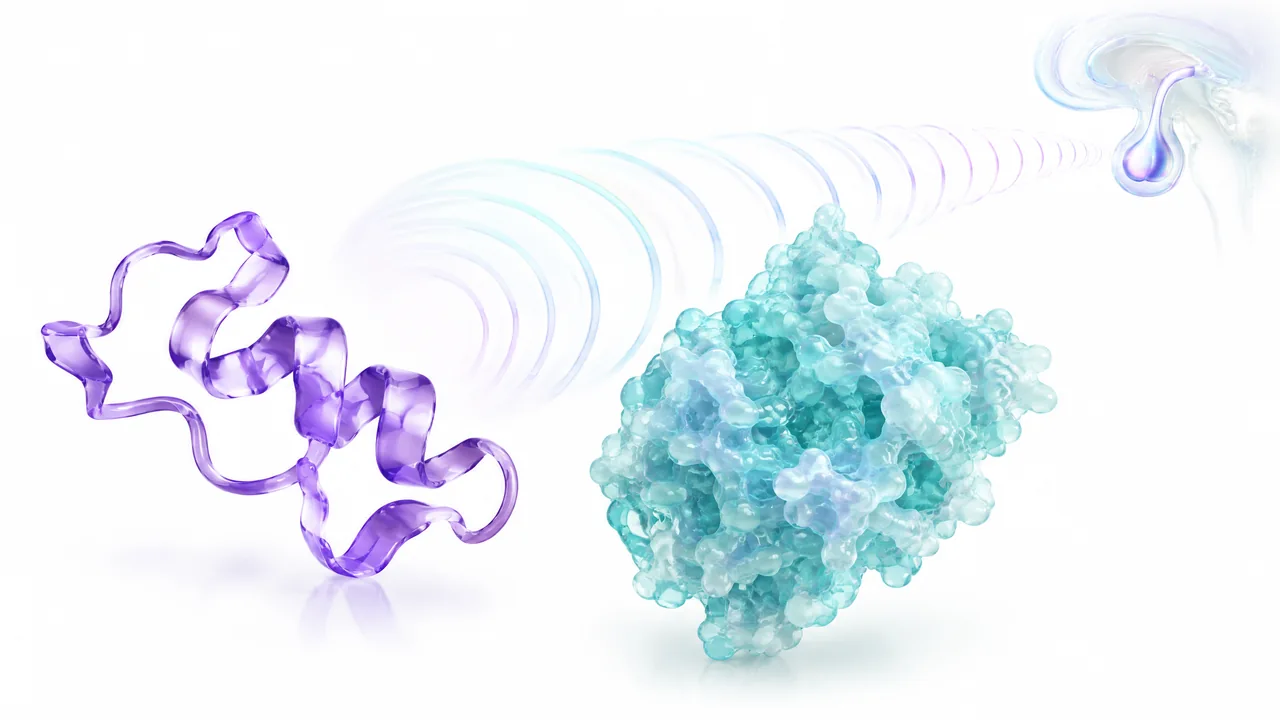
CJC-1295 no-DAC is best described as a synthetic peptide analogue of the first 29 residues of human GHRH, not as human growth hormone (GH). ‘Modified GRF (1-29)’ and ‘tetrasubstituted GRF (1-29)’ are common research-market names. The phrase ‘no DAC’ signals that the product is presented without the drug-affinity-complex chemistry associated with conventional CJC-1295. That distinction should be made before interpreting any study or supplier claim. [1] [4]
The original CJC-1295 identified in peer-reviewed work was not simply a 29-amino-acid fragment: it was a tetrasubstituted hGRF(1-29) with an added C-terminal Nε-3-maleimidopropionamide lysine derivative. In the rat study, this reactive group produced an albumin-associated immunoreactive species. Consequently, findings reported for ‘CJC-1295’ in that literature concern the albumin-binding construct unless the paper explicitly says otherwise. [1]
Why the DAC distinction changes the evidence
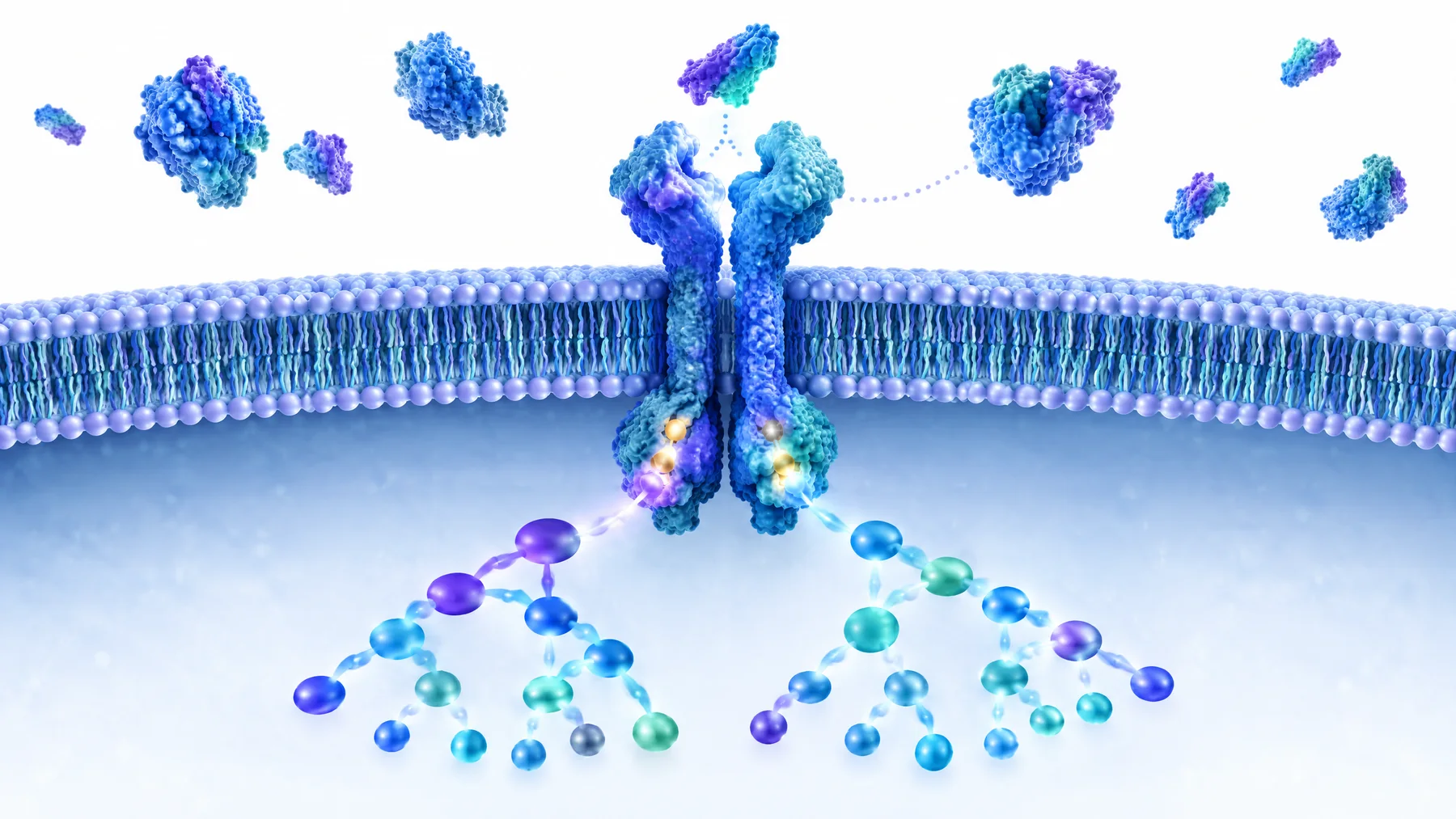
In the foundational rat/cell work, the added maleimide chemistry was designed for in-vivo attachment to the free thiol of serum albumin. The authors reported CJC-1295 in rat plasma beyond 72 hours and an albumin-band signal beyond 24 hours. This was a pharmacokinetic design feature of the DAC-containing molecule, not evidence that the no-DAC peptide has the same persistence. [1]
The difference matters clinically as well as chemically. The randomized healthy-adult study described CJC-1295 as a long-acting GHRH analogue and estimated a 5.8–8.1-day half-life; these measurements belong to that long-acting CJC-1295 intervention. They cannot be transferred to a vial marketed as modified GRF (1-29) without DAC, and they do not justify a no-DAC schedule or a prediction of its GH/IGF-1 exposure. [1] [2]
Molecular pathway: a plausible class pathway is not a no-DAC clinical result
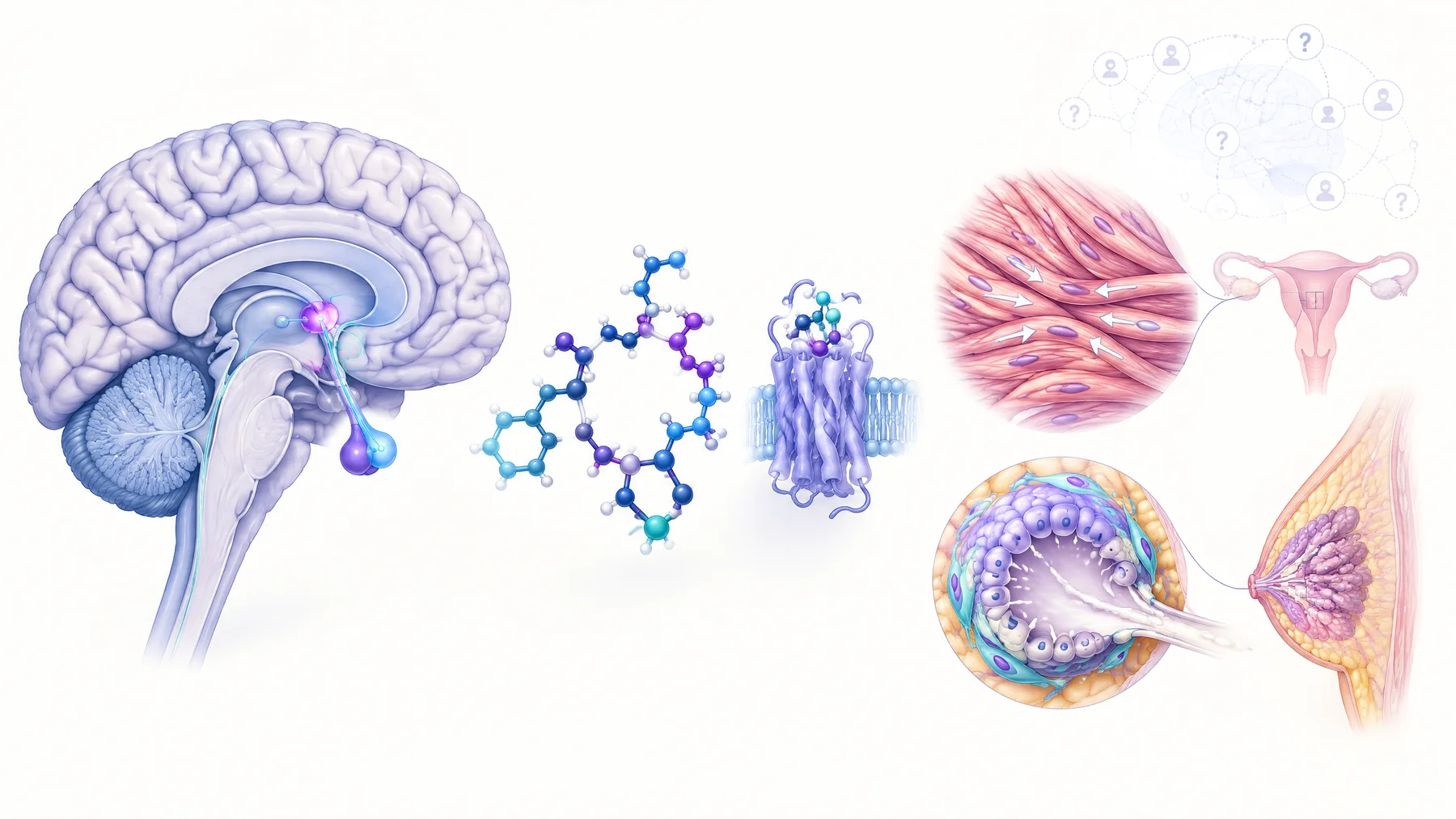
GHRH is part of the hypothalamic–pituitary axis that regulates GH release. In cultured rat anterior-pituitary cells, albumin-conjugated derivatives of hGRF(1-29), including the CJC-1295 candidate, were bioactive in a GH-secretion assay. In healthy adults, the DAC-containing CJC-1295 compound was associated with dose-dependent increases in measured plasma GH and IGF-1. These observations support a GHRH-analogue-to-GH/IGF-1 pathway for the studied construct, but they do not demonstrate clinical outcomes such as muscle gain, fat loss, recovery or anti-ageing effects for no-DAC. [1] [2]
Older human research on unmodified GHRH(1-29) supplies physiological context, not a substitute for modified GRF(1-29) evidence. In a small, short-term trial in healthy older men, twice-daily GHRH(1-29) increased GH and IGF-1 measures at the higher tested dose. It was a different peptide, population, intervention and era; it cannot validate no-DAC product claims. [6]
What animal and laboratory studies actually found
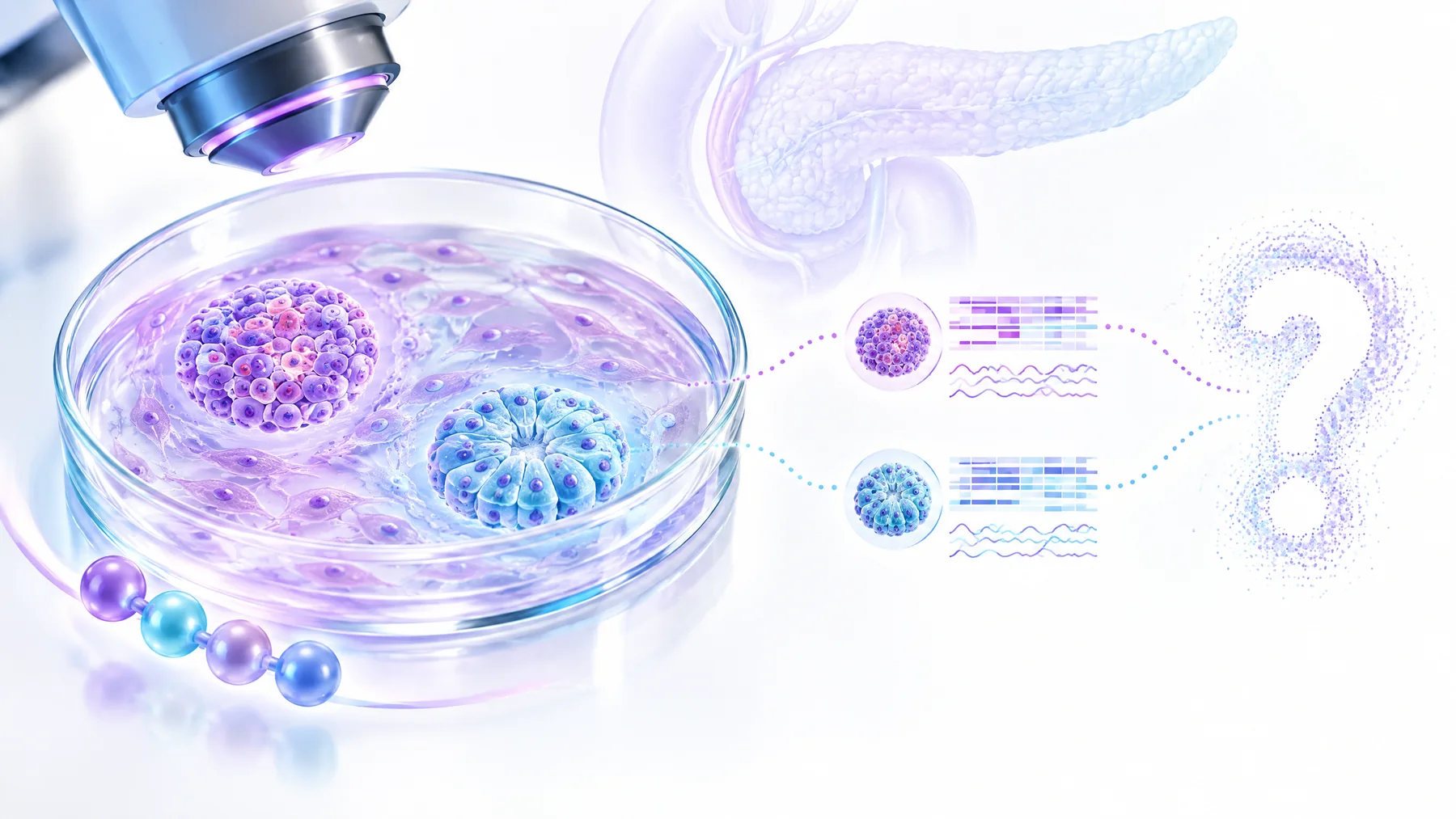
Jetté and colleagues tested maleimide-containing hGRF(1-29) derivatives in cultured rat anterior-pituitary cells and normal male Sprague–Dawley rats. Their selected DAC-containing CJC-1295 candidate produced a four-fold greater two-hour GH area under the curve than hGRF(1-29) in that rat experiment. The study establishes a model-specific pharmacology result; it is not a human no-DAC study and does not assess cosmetic, athletic or recovery outcomes. [1]
A separate mouse study used the albumin-binding CJC-1295 in one-week-old GHRH-knockout mice for five weeks. Daily treatment normalised body weight and length in that genetic model, whereas 48- and 72-hour intervals were less complete; pituitary GH mRNA and somatotroph-related findings also increased. This carefully defined disease-model result cannot prescribe an approach for adults, people without GHRH gene ablation, or the no-DAC molecule. [3]
Human evidence: the study often cited is for DAC-containing CJC-1295
The principal published CJC-1295 human report comprised two randomized, placebo-controlled, double-blind ascending-dose studies lasting 28 and 49 days in healthy adults aged 21–61 years. After a single administration of the long-acting compound, mean GH rose 2- to 10-fold for at least six days and mean IGF-1 rose 1.5- to 3-fold for 9–11 days; no serious adverse reactions were reported in those studies. The design was short, involved healthy participants and measured endocrine biomarkers rather than long-term patient-important outcomes. [2]
Most importantly, the intervention is chemically tied to the DAC-containing CJC-1295 described in the preclinical identification study. It is not evidence that ‘CJC-1295 no-DAC’ produces the same duration, biomarker changes, tolerability or benefit. A direct no-DAC human trial was not located in the primary literature reviewed here, so there is no evidence-based human administration regimen for it. [1] [2]
Risks and uncertainty extend beyond the peptide sequence
The lack of a standalone no-DAC human development record leaves major uncertainties: actual pharmacokinetics, dose–response, adverse-event frequency, interactions, contraindications, immunogenicity and long-term consequences of changing GH/IGF-1 signalling. An approved GHRH analogue cannot fill those gaps. For example, the US label for tesamorelin—an approved but different GHRH analogue for a specific HIV-lipodystrophy indication—warns about elevated IGF-1, fluid retention, glucose intolerance/diabetes, hypersensitivity and malignancy-related precautions. Those are labelled risks for tesamorelin, not proven no-DAC adverse effects, but they illustrate why class-based extrapolation is not a safety assessment. [11]
A vial labelled ‘research use only’ is not a validated therapeutic formulation. The TGA warns that unapproved peptide products have not been assessed for safety, quality or effectiveness and that injectable products may carry contamination, infection, local-tissue-damage, labelling and dosing uncertainties. The agency specifically notes that a research-use-only disclaimer does not itself make supply lawful. [7] [8]
Australian regulatory context
For Australian readers, the TGA identifies products containing CJC-1295 as examples of unapproved peptide products, often supplied as injections. ‘Unapproved’ means they have not been evaluated by the TGA for safety, quality or effectiveness; it is distinct from an ARTG-included medicine. The ARTG is the public TGA register for therapeutic goods that can generally be supplied in Australia, although exemptions and limited special-access pathways have their own requirements. [7] [10]
CJC-1295 (CAS 863288-34-0) was added to Schedule 4 and Appendix D, Item 5 in the 2015 scheduling decision. The decision cited limited information on risks and benefits, possible downstream cardiovascular and hormonal effects, injection risks and potential misuse. State and territory implementation and the circumstances of a particular product matter; this article is not legal advice. TGA guidance also says that compounding or personal importation is not a blanket exemption, and that unlabelled or obscured vials may not be releasable under the Personal Importation Scheme. [9] [7]
Comparison with related GHRH substances
Do not collapse four different categories into one: native/unmodified GHRH(1-29); modified GRF(1-29) marketed as no-DAC; DAC-containing CJC-1295; and approved products such as tesamorelin. They may be related through GHRH biology but differ in sequence or conjugation, evidence base, formulation and regulatory status. Tesamorelin’s US indication is reduction of excess abdominal fat in HIV-infected adults with lipodystrophy—not general weight management—and its prescribing information explicitly says its formulations are not interchangeable. [6] [1] [11]
Analytical literature reinforces the identity problem. A Danish customs study used LC–high-resolution mass spectrometry and reference standards to identify modified GRF(1-29), alongside other GH secretagogues, in seized powders; the detected products carried an additional N-terminal glycine modification. This does not show efficacy or harm in users, but it demonstrates that seized-market material can depart from the expected named analyte—another reason not to treat a generic vial name as proof of composition. [4]
How to read claims about ‘CJC-1295 no-DAC’
First ask which exact molecular entity was tested: does the paper specify the albumin-binding C-terminal chemistry, or only a GHRH fragment? Then check the model (cell culture, normal rat, knockout mouse, healthy human or patient), outcome (GH/IGF-1 biomarker versus a clinical outcome), observation time and source of the material. Detection papers are not efficacy trials: for example, LC–HRMS methods have been developed to identify CJC-1295 and other GHRHs in plasma or modified GRF(1-29) in seized powders, but neither type of study establishes a therapeutic protocol. Competitive athletes should also note that WADA lists GHRH and its analogues, including CJC-1295, as prohibited at all times; anti-doping status is separate from medicine approval. [5] [4] [12]
Questions readers ask
Is CJC-1295 no-DAC an approved medicine in Australia?
No approved CJC-1295 no-DAC medicine or approved formulation was identified for this record. The TGA names CJC-1295-containing products among unapproved peptide products and explains that, unless exempt, therapeutic goods not on the ARTG cannot be supplied in Australia. A research-vial label does not establish approval, quality or lawful supply. [7] [10]
Do the published CJC-1295 human results apply to no-DAC?
Not directly. The healthy-adult trial tested long-acting CJC-1295; the foundational chemistry paper identifies CJC-1295 as a tetrasubstituted hGRF(1-29) with a C-terminal maleimide designed for albumin association. A no-DAC product excludes that defining component, so the reported long persistence and GH/IGF-1 findings cannot be assumed for it. [1] [2]
Is there an evidence-based no-DAC dose, injection route, dilution or storage method?
No. No located published standalone human study provides a validated no-DAC regimen, and supplier-vial instructions are not a medicine label. Do not borrow preparation or administration instructions from a different peptide or an approved tesamorelin formulation: the FDA label itself states that two tesamorelin formulations are not interchangeable. [2] [11]
Does ‘research use only’ make a no-DAC vial safe or legal?
No. The TGA states that this disclaimer alone does not change regulatory status, permit importation, or remove advertising and supply obligations. It also does not show that a vial contains the stated peptide, is sterile, or has been tested for safety or effectiveness. [7] [8]
Is it prohibited in sport?
WADA’s 2026 Prohibited List places growth-hormone-releasing factors, including GHRH and its analogues such as CJC-1295, in the peptide-hormones category prohibited at all times. Athletes should obtain advice from their sport’s anti-doping authority; this classification does not imply medicine approval or establish a clinical effect. [12]
What remains uncertain
The direct evidence base is sparse and identity-sensitive. The primary CJC-1295 animal and human studies reviewed used the DAC-containing, albumin-binding molecule; they do not establish pharmacokinetics, efficacy, safety, preparation, storage, route or dosing for CJC-1295 no-DAC / modified GRF(1-29). The no-DAC name is used inconsistently in commercial settings, and an unapproved vial label does not verify its contents. Analytical papers establish detection/identification methods, not therapeutic outcomes. Regulatory status can change and state or territory requirements may differ; readers should consult current TGA and local medicines/poisons information.
References and further reading
- [1] Human Growth Hormone-Releasing Factor (hGRF)1-29-Albumin Bioconjugates Activate the GRF Receptor on the Anterior Pituitary in Rats: Identification of CJC-1295 as a Long-Lasting GRF Analog. Cultured rat anterior-pituitary GH-secretion assays, normal male Sprague–Dawley rat pharmacology/pharmacokinetics, and plasma Western blot analysis of maleimide-containing hGRF(1-29) derivatives.
- [2] Prolonged stimulation of growth hormone (GH) and insulin-like growth factor I secretion by CJC-1295, a long-acting analog of GH-releasing hormone, in healthy adults. Two randomized, placebo-controlled, double-blind ascending-dose trials lasting 28 and 49 days in healthy adults aged 21–61 years; single and repeated administration of long-acting CJC-1295 versus placebo.
- [3] Once-daily administration of CJC-1295, a long-acting growth hormone-releasing hormone (GHRH) analog, normalizes growth in the GHRH knockout mouse. Five-week treatment experiment in one-week-old GHRH-knockout mice with CJC-1295 every 24, 48 or 72 hours, using placebo-treated knockout and heterozygous controls.
- [4] Glycine-modified growth hormone secretagogues identified in seized doping material. Liquid chromatography–high-resolution mass spectrometry comparison of powders seized by Danish customs with reference standards.
- [5] Qualitative identification of growth hormone-releasing hormones in human plasma by means of immunoaffinity purification and LC-HRMS/MS. Immunoaffinity purification and high-resolution tandem mass-spectrometry validation for four GHRHs in plasma, with rat post-administration samples and one human sermorelin sample.
- [6] Growth hormone (GH)-releasing hormone-(1-29) twice daily reverses the decreased GH and insulin-like growth factor-I levels in old men. Short-term randomized crossover study of unmodified GHRH(1-29) in 10 healthy older men, with nine healthy young men serving as baseline comparators.
- [7] Understanding your responsibilities when importing, compounding and supplying unapproved peptide products. TGA regulatory and public-health guidance, published 13 April 2026.
- [8] Concerns regarding the public health risks associated with unapproved peptide products. Regulatory safety communication, published 19 June 2026.
- [9] Delegates’ final decisions and reasons for decisions: March 2015. TGA delegate’s final scheduling decision and reasons under the Therapeutic Goods Act 1989.
- [10] Searching the Australian Register of Therapeutic Goods (ARTG). TGA description of the ARTG and the status of therapeutic goods not included in it.
- [11] EGRIFTA WR (tesamorelin) for injection: Full Prescribing Information. FDA-approved prescribing information, revised March 2025, for a distinct GHRF analogue.
- [12] 2026 Prohibited List: International Standard. World Anti-Doping Agency 2026 international prohibited-substances list.