Skip to content
Dosage guide · 10 mg vial

PT-141 Dosage Protocol

Bremelanotide · melanocortin receptor agonist

The US Vyleesi label gives bremelanotide 1.75 mg subcutaneously as needed, at least 45 minutes before anticipated sexual activity. Do not exceed one dose per 24 hours or 8 doses a month. With Peak's 10 mg vial plus 3 mL, the concentration is 3.33 mg/mL and 1.75 mg is 52.5 U-100 units.

How oftenAs needed
Starting dose1.75 mg
Start = units52.5 units
Mix3 mL BAC water

Reviewed 25 Oct 2026 · Education only, not medical advice
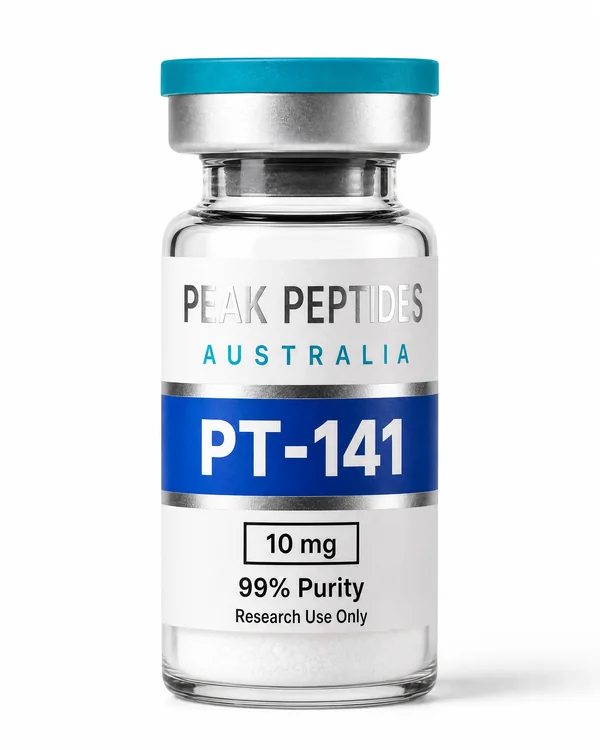
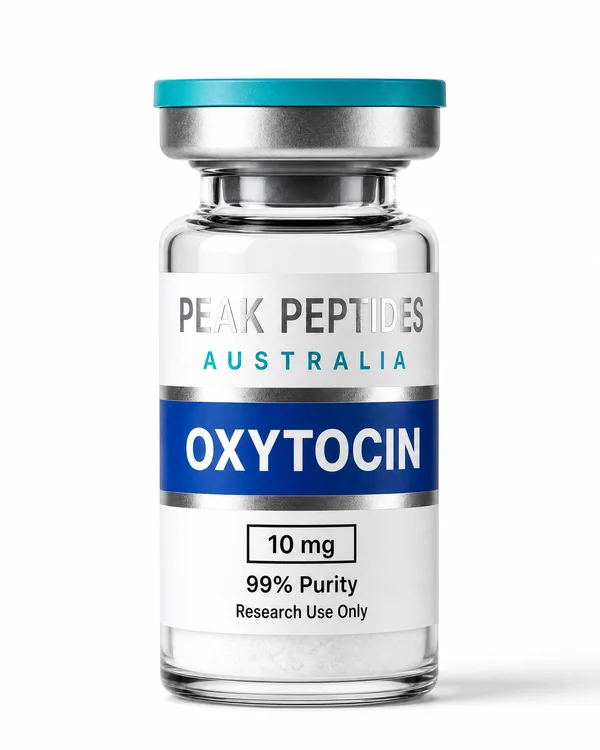
Peak Peptides Australia PT-141 10 mg vial

PT-141 10 mg vial

View on Peak

Exact Peak Peptides Australia product photo

01 · DOSAGE CHART

PT-141 dosage chart

US label on-demand dose · 10 mg vial + 3 mL BAC water

BAC water added
Concentration3.33 mg/mL
1 unit (U-100)33.3 mcg= 0.01 mL
How oftenAs neededSubcutaneous injection

3 mL is the reference mix stated on Peak's PT-141 page, giving 3.33 mg/mL.

PT-141 dosage chart for a 10 mg vial mixed with 3 mL of bacteriostatic water
WeekDose each timeSyringe units
Week 1 onwardsAs needed1.75 mg52.5 units0.525 mL

As needed · at least 45 min before activity · subcutaneous injection

Use at least 45 minutes before anticipated sexual activity.

Do not administer more than one dose within 24 hours; more than 8 doses a month is not recommended.

For supply planning, the calculator uses 2 doses per week, approximating the labelled maximum of 8 doses a month.

This chart follows the US Vyleesi prescription label; Peak's research vial is not Vyleesi or an FDA-approved prescription presentation. Education only, not medical advice. Dose amounts follow Vyleesi bremelanotide injection official label (DailyMed, updated 13 November 2025); units are recalculated for the vial and mix selected above.

02 · HOW TO MIX

Mixing a 10 mg vial with 3 mL of BAC water

Using a 1 mL (100-unit) insulin syringe, 3 full draws of bacteriostatic water gives 3.33 mg/mL.
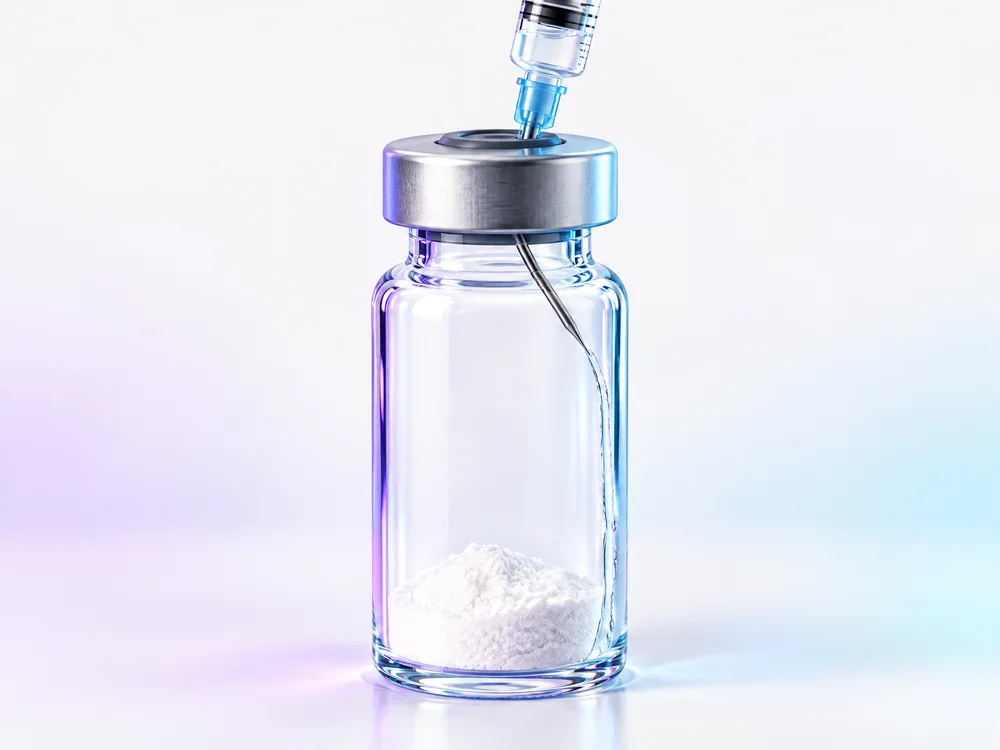
  1. Bacteriostatic water running slowly down the inside wall of a peptide vial1

    Add the water slowly

    Wipe both rubber stoppers with an alcohol swab and let them dry. Draw 3 mL of bacteriostatic water and let it run slowly down the inside of the vial wall — not straight onto the powder.
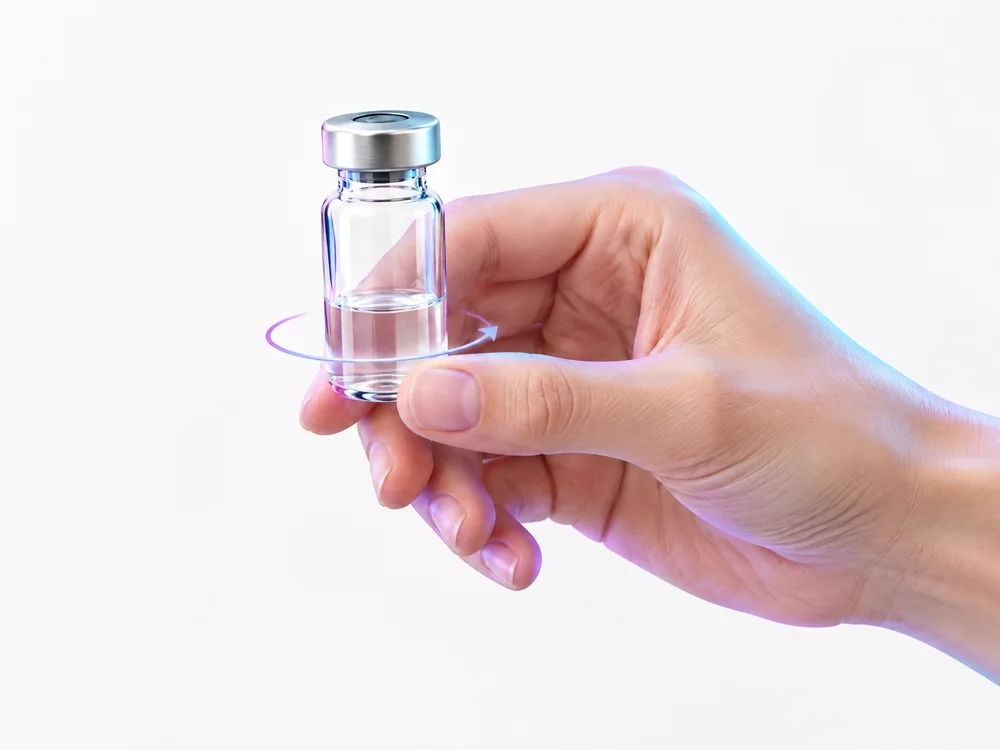
  2. Hand gently swirling an upright vial in a small circle2

    Swirl gently

    Swirl or roll the vial gently until the powder has dissolved. Give it a few minutes to settle if needed.
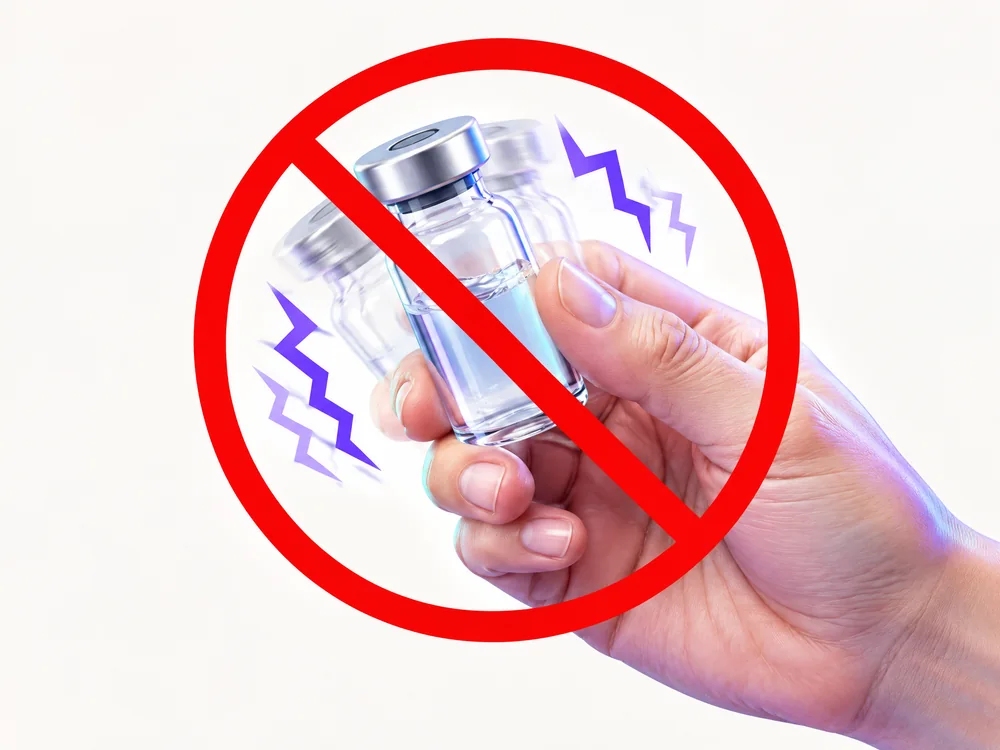
  3. A vial being shaken with a red cross through it3

    Don't shake it

    Shaking can damage the peptide and cause foaming. Gentle swirling only.
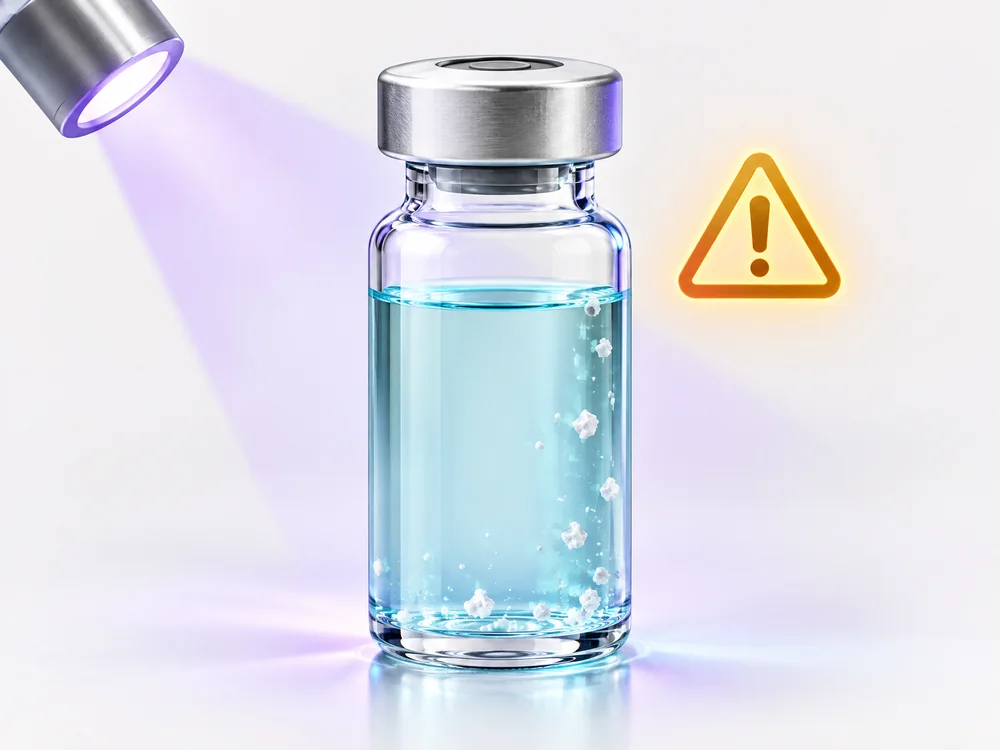
  4. Close-up of a vial with small undissolved particles and a caution symbol4

    Check it's fully clear

    Only use it once it is fully clear with no particles. Label the vial with the date and 3.33 mg/mL, then store it in the fridge at 2–8 °C.

Full illustrated reconstitution guide
03 · SUPPLIES NEEDED

What you'll need

Counts follow the dosage chart above at the highest amount in each step, using a 10 mg vial mixed with 3 mL.

Length of protocol
2PT-141 10 mg vials14 mg needed in total
101 mL insulin syringesU-100, 27–31G · one per draw + one per vial mixed
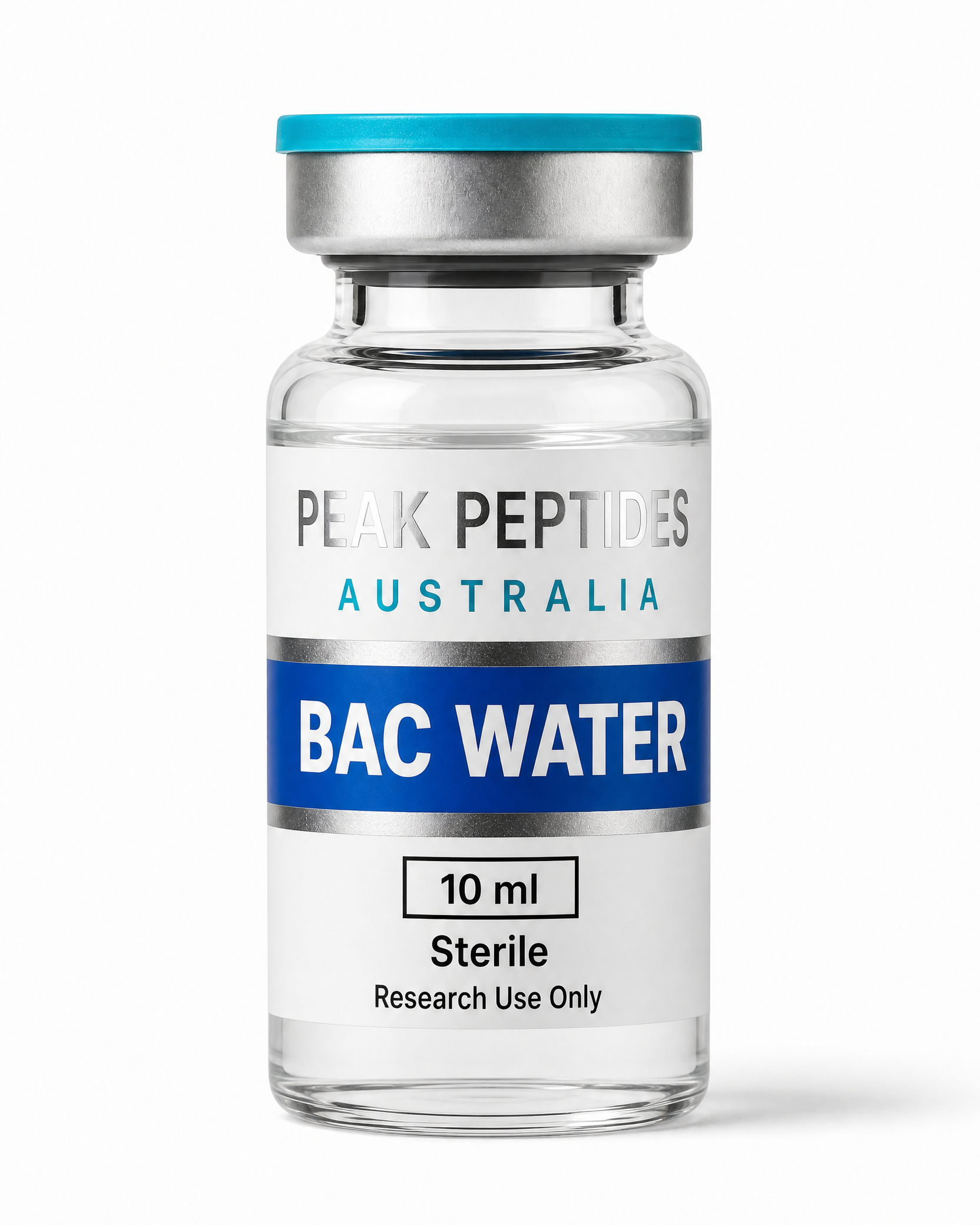
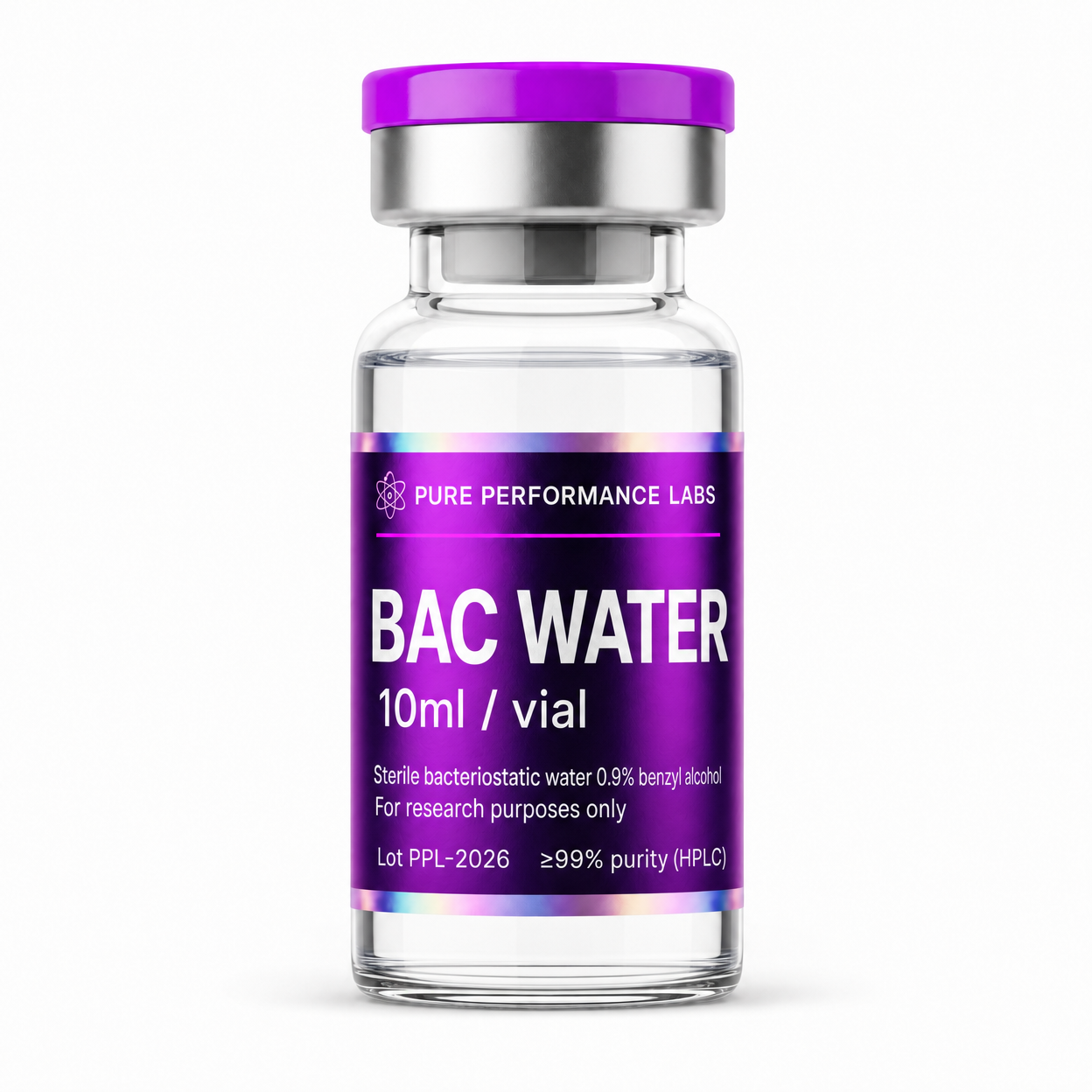
1BAC water 10 mL bottle6 mL used for mixing
20Alcohol swabsSkin + stopper, every time

Plus an approved sharps container. Syringes and swabs are sold by Australian pharmacies — Peak Peptides and Pure Performance supply the bacteriostatic water.

04 · CALCULATOR

Check a different amount

Enter your vial, water and dose to see the matching syringe units.

Concentration Calculator
mg
3 mL
mg

Concentration

3.33 mg/mL

(3333 mcg/mL)

Calculated Liquid Volume

0.525 mL

Equivalent U-100 volume scale position

52.5markings (not biological IU)
010203040506070809010053 marks

Illustration of a U-100 volume scale, not preparation or injection guidance

05 · PROTOCOL DETAILS

About PT-141

Protocol overview

Label dose
1.75 mg as needed
Frequency limit
No more than one dose per 24 hours; no more than 8 doses a month is recommended
When to take it
At least 45 minutes before anticipated sexual activity
Route
Subcutaneous, abdomen or thigh in the Vyleesi label
Common mix
3 mL bacteriostatic water gives 3.33 mg/mL for the 10 mg vial
Supply estimate
2 doses per week is used for planning, based on the 8-dose monthly label limit

Storage

Before mixing
Store the sealed freeze-dried vial at −20 °C, dry and protected from light.
After mixing
Refrigerate at 2–8 °C, upright and protected from light; avoid freeze-thaw cycles.
Never
Do not freeze the mixed solution or use it if it is cloudy, discoloured or contains visible particles.

How it works

PT-141 is bremelanotide, a synthetic cyclic heptapeptide that acts as a non-selective melanocortin receptor agonist. The US label ranks its receptor activation potency as MC1R, MC4R, MC3R, MC5R and MC2R.

The clinical mechanism for the approved indication is not known. Published pivotal findings and the US label apply to the specified Vyleesi prescription formulation, not to Peak's lyophilised research vial.

Illustrated mechanism explainer

What the research shows

  • Vyleesi is a US FDA prescription medicine containing bremelanotide, initially approved in 2019. Its labelled indication is acquired, generalised hypoactive sexual desire disorder in premenopausal women, with stated limitations.
  • Two 24-week randomised controlled studies enrolled 1,267 women and used 1.75 mg bremelanotide subcutaneously as needed. The integrated placebo-adjusted changes were +0.35 for sexual desire and −0.33 for low-desire distress.
  • In the pivotal studies, 58.3% and 58.2% of bremelanotide participants met the prespecified responder definition, compared with 36.1% and 35.4% with placebo in the two studies.
  • Peak describes its nominal 10 mg PT-141 vial as an in-vitro research product, not a therapeutic or prescription formulation. The US Vyleesi approval does not apply to that different product presentation.
  • The TGA identifies the ARTG as its public reference database for therapeutic goods supplied in Australia; this guide does not treat Peak's research vial as a TGA-approved medicine.

Reported side effects

  • In the Vyleesi label, nausea occurred in 40% of patients receiving up to 8 doses a month; 13% required anti-emetic treatment and 8% stopped treatment early because of nausea.
  • The most common Vyleesi adverse reactions with an incidence above 4% were nausea, flushing, injection-site reactions, headache and vomiting.
  • Vyleesi produced maximum mean increases of 6 mmHg in systolic pressure and 3 mmHg in diastolic pressure, peaking 2–4 hours after dosing; heart rate fell by up to 5 beats per minute and measurements usually returned to baseline within 12 hours.
  • Focal hyperpigmentation was reported in 1% of patients receiving up to 8 doses a month, while 38% developed it after daily dosing for 8 days in another clinical study. Resolution was not confirmed for every patient after treatment stopped.

Important notes

  • The FDA approval applies to Vyleesi, a 1.75 mg/0.3 mL single-dose prescription autoinjector, not to Peak's 10 mg research vial.
  • Peak says this product is for in-vitro laboratory research only and is not intended for human or animal consumption, injection, diagnosis or treatment.
  • The Vyleesi label lists uncontrolled hypertension and known cardiovascular disease as contraindications.
  • Do not administer more than one labelled Vyleesi dose within 24 hours, and more than 8 doses a month is not recommended.
  • The 2026 WADA Prohibited List does not specifically name bremelanotide or PT-141; athletes should confirm current rules with their sporting body.
  • Never use a mixed vial that is cloudy, discoloured or has particles in it.

Injection basics

  • Use a new sterile 1 mL (100-unit) U-100 insulin syringe, 27–31G, every time — never reuse or share.
  • Wipe the vial stopper and the skin with an alcohol swab and let both dry first.
  • Inject under the skin (subcutaneously) of the abdomen, thigh or upper arm, and rotate sites.
  • Put used syringes straight into an approved sharps container — the NDSS lists Australian disposal options.

Guidance: World Health Organization · National Diabetes Services Scheme (NDSS)

06 · QUICK ANSWERS

PT-141 questions

How many units is 1.75 mg of PT-141?

With 3 mL in a 10 mg vial, the concentration is 3.33 mg/mL. A 1.75 mg amount is 52.5 units on a U-100 syringe, or 0.525 mL. This is the mathematical conversion for the stated mix; the Vyleesi prescription product is supplied as a 1.75 mg/0.3 mL autoinjector.

How much bacteriostatic water for PT-141 10 mg?

Peak's PT-141 page states a 3 mL reference mix. For a nominal 10 mg vial, this gives 3.33 mg/mL, so 1 mg is 30 U-100 units or 0.300 mL. The selector can also show the calculations for 2 mL and 4 mL mixes.

How long does a 10 mg PT-141 vial last?

At 1.75 mg per labelled Vyleesi dose, a nominal 10 mg vial contains five full doses with 1.25 mg remaining. At the planning estimate of two doses per week, five full doses cover about 2.9 weeks; the label does not recommend more than 8 doses in a month.

What is the labelled frequency for bremelanotide?

The current US Vyleesi label states 1.75 mg subcutaneously as needed at least 45 minutes before anticipated sexual activity. It says not to use more than one dose within 24 hours and does not recommend more than 8 doses a month.

07 · SOURCES

References

Related dosage guides

All dosages