What is Vilon (Lys–Glu / lysylglutamic acid)?
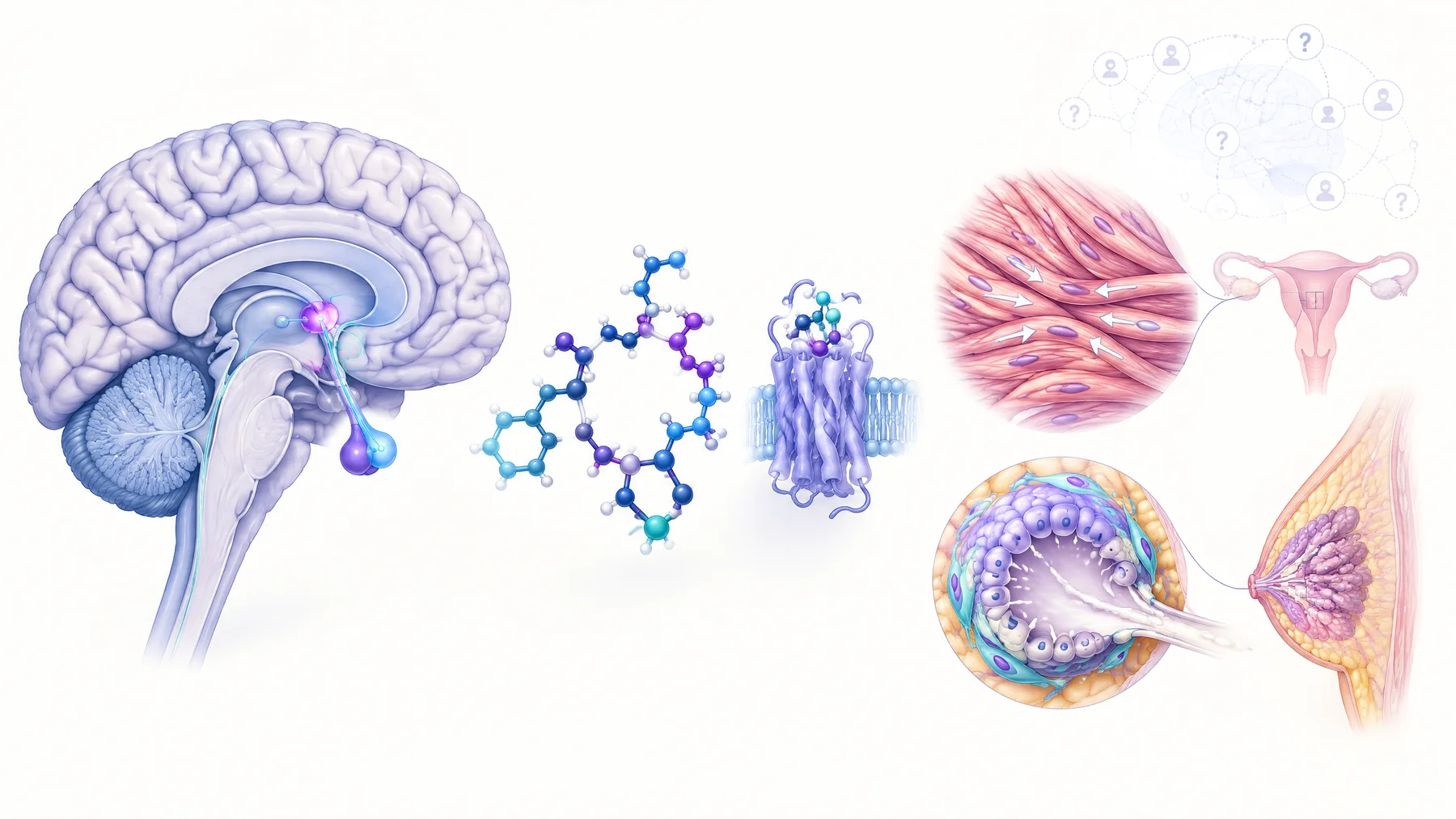
Vilon is a synthetic dipeptide: lysine joined to glutamic acid (Lys–Glu, also called lysylglutamic acid or KE). It is therefore genuinely a peptide, but a very short one, not a hormone, mixture, or small molecule. PubChem lists lysylglutamic acid as C11H21N3O5 with molecular weight 275.30. The evidence located for this article is mainly cell-culture and rodent research; it does not establish a clinically validated Vilon formulation for Australian use.
Vilon is the synthetic Lys–Glu dipeptide, not a generic name for a validated anti-ageing or immune medicine. Published experiments report effects in cultured lymphocytes from older donors, a THP-1 monocyte/macrophage cell line, and several rodent models. Those findings are hypothesis-generating, not evidence that Vilon prevents cancer, extends human lifespan, improves immunity, or is safe for self-administration. Australian readers should distinguish the chemical from a product: a research-supplier vial is not an ARTG-approved formulation, and this review located no Australian product information, Consumer Medicine Information, or AusPAR for Vilon.
What Vilon is — and is not
Vilon is the name used in the cited literature for the synthetic Lys–Glu dipeptide. In chemical terms, it contains two amino-acid residues, lysine and glutamic acid; PubChem records the corresponding compound as lysylglutamic acid. That makes it a peptide, albeit a dipeptide, rather than a small molecule such as MK-677 or a glycoprotein hormone such as hCG. The name is sometimes placed beside other short ‘bioregulator’ peptides in research papers, but those are separate molecules with different sequences and cannot be treated as interchangeable. [1] [2] [5]
The chemical identity should also be kept separate from dosage-form claims. A vial sold for laboratory research is a supplier material, not evidence of a standardised, clinically evaluated medicine. None of the primary studies reviewed here validates a universal human dose, injection route, reconstitution method, storage rule, or combined protocol with another peptide. [2] [3] [4] [5] [6] [8]
What molecular pathway has actually been shown?
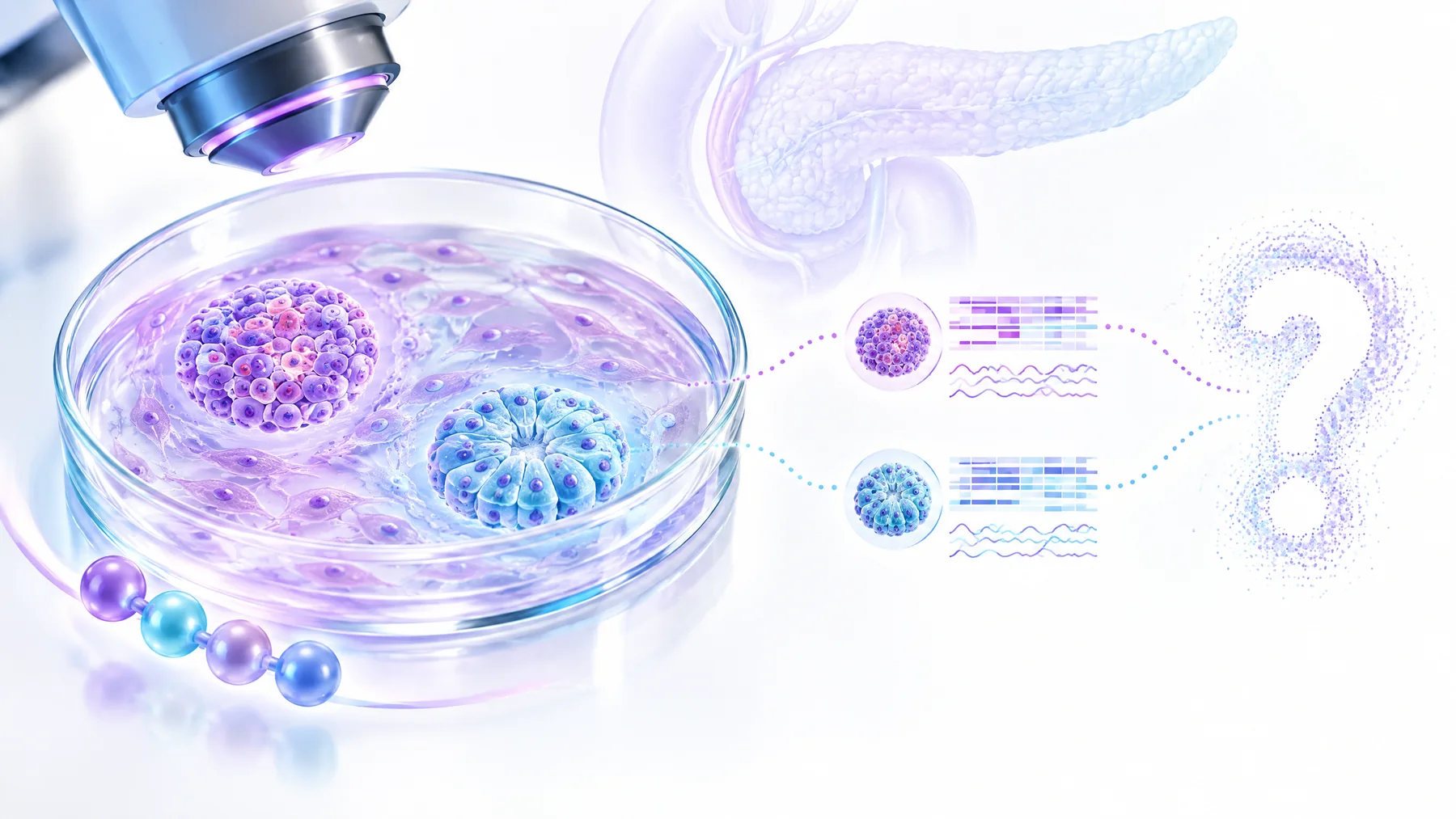
There is no confirmed human therapeutic target or receptor for Vilon in the material reviewed. One ex-vivo study exposed cultured lymphocytes from older people to Vilon and reported decondensation of total and facultative heterochromatin, reactivation of ribosomal-gene-associated regions, and no decondensation of pericentromeric structural heterochromatin. This is a cellular chromatin observation, not proof of genome ‘rejuvenation’, disease prevention, or a health outcome in treated people. [2]
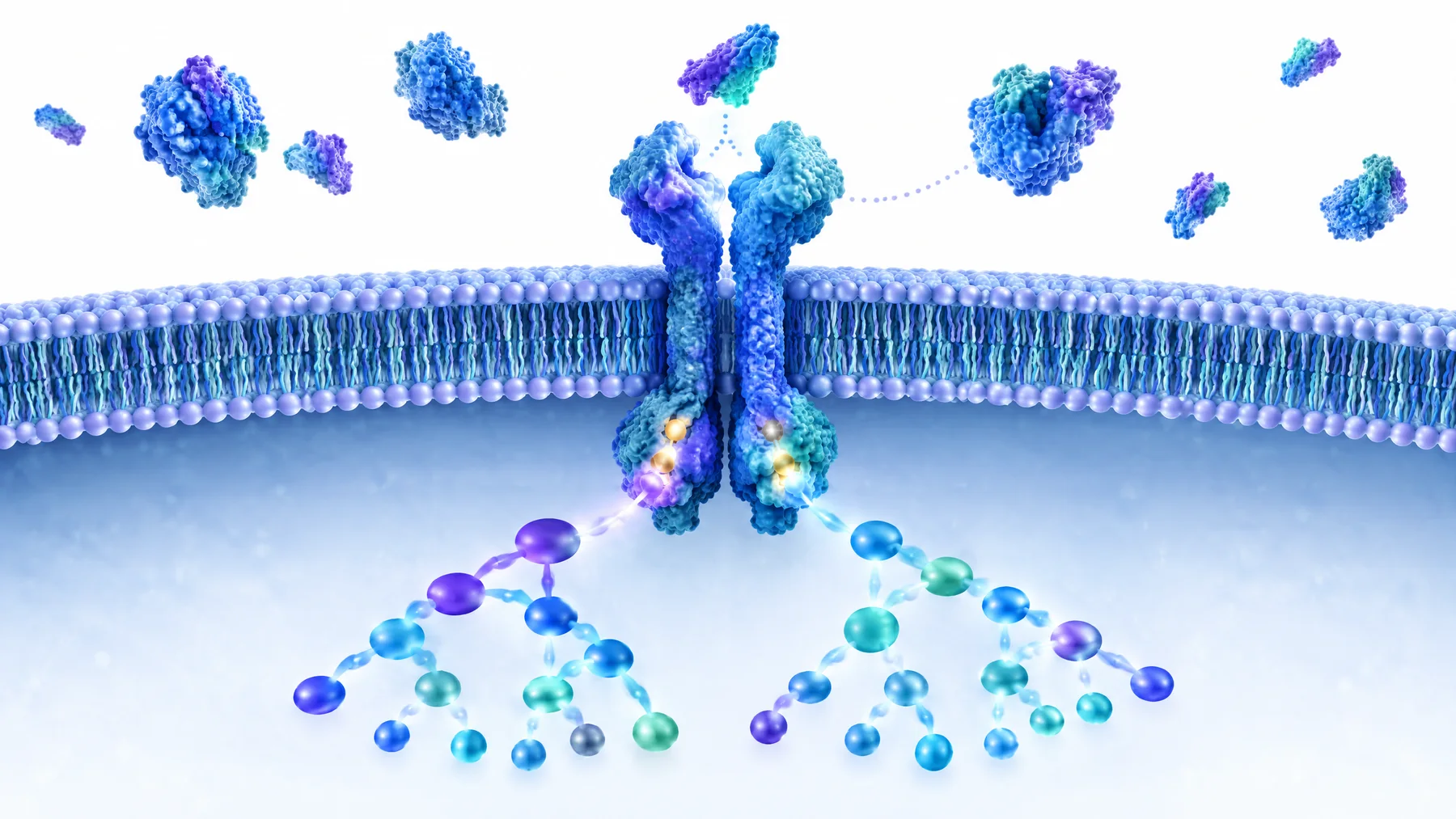
A later in-vitro study used THP-1 monocytes and macrophage-differentiated THP-1 cells. Vilon showed only small modulatory capacity for ERK1/2 phosphorylation in unstimulated monocytes, while Vilon plus bacterial lipopolysaccharide was associated with greater ERK1/2 phosphorylation. In differentiated macrophage-like cells, the authors also reported STAT1 phosphorylation with Vilon. These are context-dependent signalling read-outs in a cell line; they do not identify a receptor, demonstrate a single causal pathway, or predict immune benefit in people. [6]
Findings in cells and tissues
The strongest human-relevant evidence located is still ex vivo rather than clinical. The 2004 Biogerontology study used cultured lymphocytes from older people. Its outcome was chromatin structure and related synthetic-process markers after exposure in culture, not symptoms, infections, survival, physical function, or treatment safety. A separate 2004 experiment assessed several short peptides, including Vilon, in leukocytes from people aged 75–88 years and likewise reported chromatin and ribosomal-gene changes; because multiple peptides were tested, it does not establish a unique Vilon clinical effect. [2] [7]
The 2013 paper titled ‘Immunomodulating Effects of Vilon and Its Analogue in the Culture of Human and Animal Thymus Cells’ is also a culture experiment, not a trial in participants. Its abstract reports increased CD5 expression and different T-cell differentiation findings for two coded dipeptides, AB-O and R-1. The accessible abstract does not unambiguously map those codes to Vilon in sufficient detail to assign the stronger CD4/CD8 result specifically to Lys–Glu. It is therefore reasonable to cite the paper as supportive of early thymic-cell research, but not as proof that Vilon restores thymus function in humans. [8]
What rodent studies reported
In one study, female inbred CBA mice received subcutaneous Vilon beginning at six months of age. The authors reported greater physical activity and endurance, lower body temperature, longer lifespan, and fewer spontaneous neoplasms; they reported no effect on age-related oestrous changes or free-radical processes. This is an animal study in one sex and one inbred strain, so it cannot establish an anti-ageing, cancer-prevention, or chronic-safety effect in people. [3]
A chemically induced bladder-cancer experiment in rats reported tumours in 56% of Vilon-treated animals versus 75.5% of controls, with a two-fold reduction in preneoplastic and early neoplastic mucosal changes. The disease model used the carcinogen N-butyl-N-(4-hydroxybutyl)nitrosamine. Such a result is a model-specific chemoprevention observation; it is not evidence that Vilon treats bladder cancer or prevents any cancer in people. [4]
Another experiment administered Vilon or the unrelated tetrapeptide Epithalon orally for one month to aged rats. Vilon was reported to enhance passive glucose accumulation in an inverted sac from distal small intestine and active glucose accumulation in the medial segment. The endpoints were regional intestinal transport measurements in rats, not human metabolic outcomes, and the study does not support an oral human regimen. [5]
Human evidence: exposure of donated cells is not treatment evidence
No verified randomised human treatment trial, pharmacokinetic study, dose-finding study, or clinical safety programme for Vilon was located in the primary literature and regulator materials reviewed for this article. The studies involving cells from older people placed those cells in culture; they did not administer Vilon to those donors. Claims that Vilon improves immunity, slows ageing, or prevents cancer in people therefore go beyond the evidence summarised here. [2] [7] [8]
This distinction matters for safety as well as efficacy. A statement in a mouse paper that long-term Vilon caused no unfavourable effects on animal development is an animal finding. It does not replace human adverse-event collection, interaction studies, pregnancy data, quality controls for a marketed formulation, or long-term follow-up in people. [3] [8]
Risks and uncertainty
Vilon’s human adverse-effect profile, contraindications, interaction profile, reproductive safety, and pharmacokinetics remain insufficiently characterised in the evidence reviewed. Its reported effects vary by experimental setting: chromatin changes were reported in cultured lymphocytes, signalling changes in a transformed cell line, and functional or tumour outcomes in rodents. These models cannot determine the balance of benefit and harm for a person with an infection, cancer, immune disorder, or an age-related concern. [2] [3] [4] [5] [6]
For that reason, it would be unsafe to infer a self-treatment schedule from the studies. Routes differ across experiments, animal doses do not translate directly to people, and a result from a particular cell type or rodent strain is not a protocol. Adding Vilon to a peptide blend creates a further evidence gap: the cited studies do not validate combined safety, stability, interactions, or efficacy. [3] [4] [5] [6]
Australian regulatory context
The Therapeutic Goods Administration (TGA) describes the Australian Register of Therapeutic Goods (ARTG) as the public database for therapeutic goods that can be legally supplied in Australia, and its search can be run by product name or active ingredient. This review did not locate an ARTG entry, Australian Product Information, Consumer Medicine Information, or AusPAR for Vilon/lysylglutamic acid. That is why Vilon should not be described here as an approved Australian medicine; the live ARTG should be checked for any future or product-specific change. [9]
TGA guidance says that, except for exemptions, therapeutic goods not included in the ARTG cannot be supplied in Australia. It also explains that unapproved-goods pathways are clinician-led and that the TGA has not evaluated unapproved goods for quality, safety, efficacy, or performance. Those pathways are not a public endorsement, and an online research-supplier vial is not equivalent to an evaluated medicine. [9] [10]
How to read Vilon claims carefully
A useful first question is ‘what was actually studied?’ ‘Cultured lymphocytes from old people’ means donated cells studied outside the body. ‘THP-1’ means an immortalised human monocytic cell line. ‘Female CBA mice’ and carcinogen-exposed rats are animal models. These descriptions specify the appropriate boundary of each result; they are not interchangeable forms of human clinical evidence. [2] [3] [4] [6]
A second question is ‘what was the endpoint?’ Chromatin decondensation, phosphorylation, intestinal glucose transport, tumour incidence in a carcinogen model, and mouse lifespan are distinct outcomes. None alone demonstrates immune restoration, longevity, tumour treatment, or safety in people. Strong claims would require independently replicated, well-controlled human studies with clinically meaningful outcomes and transparent adverse-event reporting. [2] [3] [4] [5] [6]
Questions readers ask
Is Vilon a peptide?
Yes. Vilon is the synthetic Lys–Glu (lysylglutamic acid) dipeptide. It has two amino-acid residues and is chemically distinct from hormones, multi-peptide mixtures, and non-peptide small molecules. [1] [2]
Is Vilon an approved medicine in Australia?
This review found no ARTG entry or Australian medicine documents for Vilon/lysylglutamic acid, so it should not be presented as an approved Australian medicine. The TGA states that the ARTG is the public reference database for goods that can be supplied in Australia and should be checked live for product-specific updates. [9]
Has Vilon been shown to extend human lifespan or prevent cancer?
No. Lifespan and spontaneous-neoplasm findings were reported in female CBA mice, and reduced bladder-tumour incidence was reported in a carcinogen-induced rat model. The human-related studies located were experiments on cells in culture, not outcome trials in treated people. [2] [3] [4]
Can the mouse or rat studies be used to calculate a Vilon dose for people?
No. The studies use different species, models, endpoints, and routes, and they do not provide a validated human dose, schedule, dilution, storage method, or route. Extrapolating those experiments to self-administration would be unsupported. [3] [4] [5]
Does Vilon have a proven immune mechanism?
No proven clinical mechanism has been established. Studies reported chromatin effects in cultured lymphocytes and signalling changes in THP-1 cells, while a thymus-cell paper has an ambiguous mapping of its coded dipeptides in the accessible abstract. These observations are useful for research questions, not proof of a therapeutic immune effect. [2] [6] [8]
What remains uncertain
The evidence base reviewed is dominated by older animal, ex-vivo, and cell-line studies. Reported rodent outcomes are model- and species-specific, while cultured cells from people do not demonstrate in-body efficacy or safety. [2] [3] [4] [5] [6] [7] [8]
Several full papers were accessible only as publisher abstracts or previews, which limits assessment of randomisation, blinding, sample size, exact exposure conditions, and risk of bias. The 2013 thymus-cell abstract also does not clearly identify which coded compound is Vilon. [3] [4] [5] [7] [8]
No verified human therapeutic trial, approved Australian product documentation, or validated human administration protocol was identified in the reviewed sources. The ARTG is a live database, so regulatory status should be rechecked for any future product-specific change. [2] [6] [9] [10]
References and further reading
- [1] PubChem Compound Summary: Lysylglutamic acid (CID 7010502). Curated compound identity record
- [2] Bioregulator Vilon-induced reactivation of chromatin in cultured lymphocytes from old people. Ex-vivo cultured lymphocytes from older people; chromatin-structure and related cellular observations after Vilon exposure.
- [3] Effect of vilon on biological age and lifespan in mice. Subcutaneous Vilon in female CBA mice from six months of age; activity, endurance, body temperature, lifespan, neoplasms, reproductive function, and free-radical outcomes.
- [4] Inhibitory Effect of Peptide Vilon on the Development of Induced Rat Urinary Bladder Tumors in Rats. Rat urinary-bladder carcinogenesis model induced with N-butyl-N-(4-hydroxybutyl)nitrosamine.
- [5] Effect of Vilon and Epithalon on glucose and glycine absorption in various regions of small intestine in aged rats. One-month oral Vilon or Epithalon exposure in aged rats with regional small-intestinal transport measurements.
- [6] Peptides Regulating Proliferative Activity and Inflammatory Pathways in the Monocyte/Macrophage THP-1 Cell Line. In-vitro THP-1 monocyte and macrophage-differentiated THP-1 experiments comparing five short peptides, with or without lipopolysaccharide.
- [7] Effects of Short Peptides on Lymphocyte Chromatin in Senile Subjects. Leukocytes from subjects aged 75–88 years exposed to Vilon, Epithalon, Livagen, Prostamax, or Cortagen; chromatin and ribosomal-gene measures.
- [8] Immunomodulating Effects of Vilon and Its Analogue in the Culture of Human and Animal Thymus Cells. Cultured human and rat thymus-cell experiment using two coded dipeptides, AB-O and R-1.
- [9] Searching the Australian Register of Therapeutic Goods (ARTG). TGA regulatory database guidance
- [10] Access an unapproved therapeutic good (health practitioners). TGA guidance on clinician-led access pathways for unapproved therapeutic goods