What is Testagen (KEDG)?
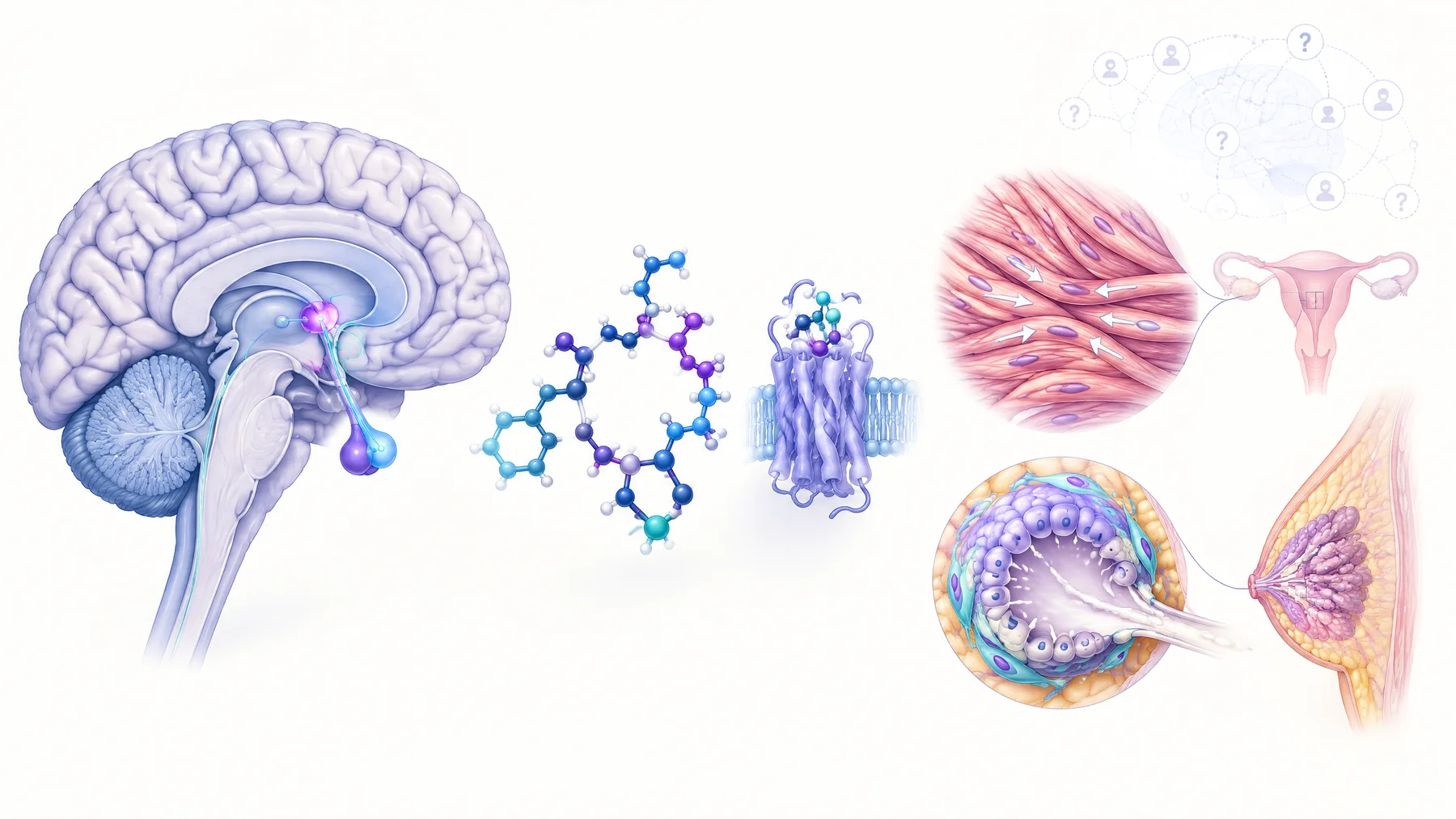
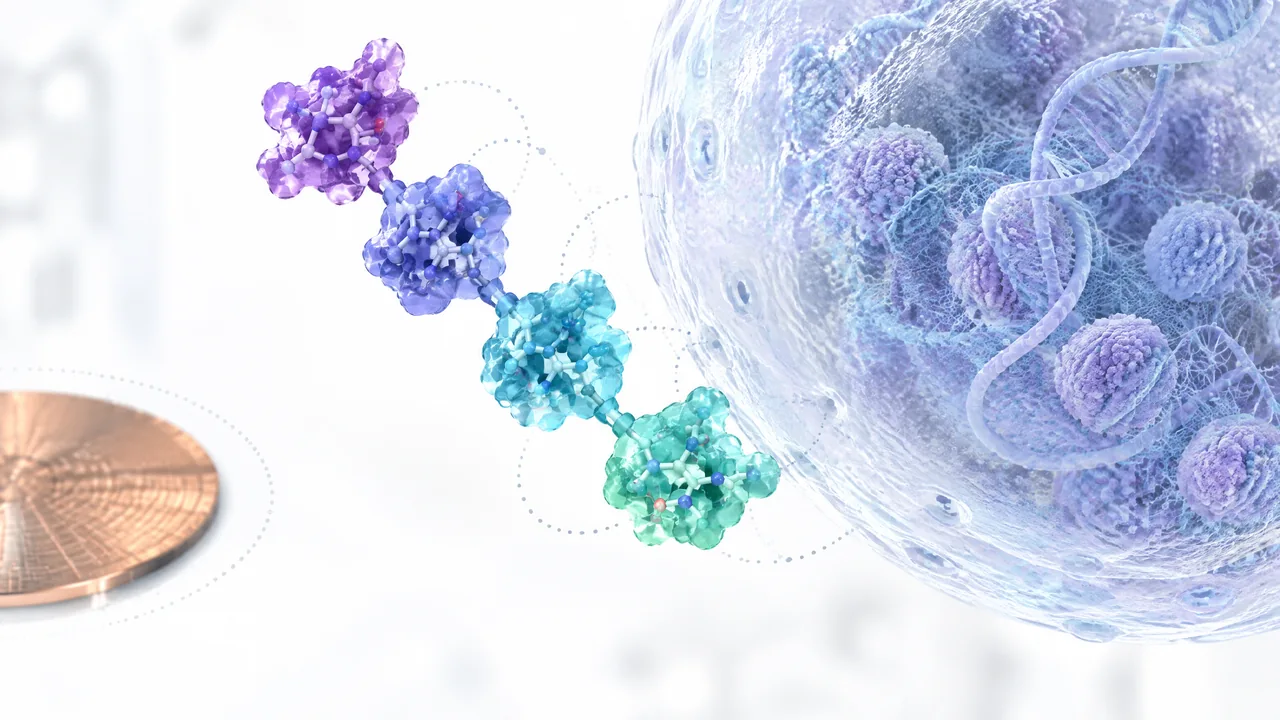
Testagen, in the research-peptide sense, is the synthetic tetrapeptide H-Lys-Glu-Asp-Gly-OH (KEDG): lysine–glutamic acid–aspartic acid–glycine. It is a peptide, not testosterone, not a glycoprotein hormone and not an approved Testagen medicine formulation. The same word has also been used for a separate investigational transdermal testosterone product; that naming collision is clinically important (Sources 1, 3, 8, 9).
KEDG Testagen is an ultra-short synthetic peptide with an interesting but very early evidence base. In labelled HeLa-cell and cell-free nucleic-acid experiments, researchers observed intracellular fluorescence and sequence-dependent fluorescence effects; another cell-free study measured binding-related fluorescence quenching with wheat histones. Those results support further mechanistic questions, not claims that KEDG selectively restores testicular function, increases testosterone or treats infertility. A search of ClinicalTrials.gov for KEDG returned no study records, while a separate study record called Testagen concerns topical testosterone 5% HypoSpray®, not KEDG. No human administration protocol should be inferred from either record (Sources 1, 2, 5, 8).
1. Identity: a tetrapeptide with a confusing name
In peer-reviewed papers, Testagen denotes KEDG: H-Lys-Glu-Asp-Gly-OH, a four-residue synthetic peptide. The 2011 paper explicitly identifies ‘testagen’ as Lys-Glu-Asp-Gly, and the 2025 chemistry paper independently gives the same sequence. This makes it a tetrapeptide rather than a hormone or a small molecule. [1] [3]
The name is not unique. ClinicalTrials.gov and the UK Health Research Authority use Testagen™ for a completely different product, Testagen™ TDS®-Testosterone 5% / HypoSpray®, a transdermal testosterone formulation. Its study question is testosterone pharmacokinetics or skin-to-skin transfer, not the biology of KEDG. Evidence about that testosterone product must not be transferred to KEDG. [8] [9]
2. What the direct molecular studies actually found
Fedoreyeva and colleagues incubated fluorescein-labelled KEDG and several comparator peptides with HeLa cells. They reported fluorescence in cytoplasm, nucleus and nucleolus. In separate cell-free fluorescence assays, unlabelled peptides produced different quenching patterns with labelled oligonucleotides and DNA–ethidium-bromide complexes; the authors reported a preferential KEDG association pattern for CAG-containing oligonucleotides. These are assay observations, not measures of endocrine function, fertility or clinical benefit. [1]
A later study used fluorescence quenching to examine short peptides, including KEDG, with FITC-labelled wheat histones H1, H2B, H3 and H4 and histone–oligonucleotide complexes. KEDG was among the peptides reported to bind under those experimental conditions, with binding influenced by the histone and oligonucleotide structure. The model used wheat histones in vitro; it does not demonstrate target engagement in human testes or a change in human gene expression. [2]
A separate 2025 study is useful mainly as an identity check, not as medical evidence. In 0.9% sodium chloride around copper, KEDG adsorbed to copper and achieved about 86% electrochemical corrosion-inhibition efficiency; microscopy, electrochemical measurements and modelling were used. A copper surface is not a biological model, so this result cannot support health or reproductive claims. [3]
3. From molecular observation to a medical claim: the missing steps
The proposed ‘epigenetic bioregulator’ narrative goes beyond the direct evidence. A systematic review lists KEDG among short peptides reported to bind histones and discusses possible links between peptide–DNA/histone interactions and gene regulation. However, the review also describes this as a comparatively sparse research area. Binding, cell fluorescence and a proposed chromatin mechanism do not by themselves show that an administered peptide reaches a chosen organ, survives metabolism, changes a clinically relevant gene program or improves an outcome. [2] [4]
In particular, the directly located KEDG papers did not measure serum testosterone, luteinising hormone, sperm parameters, pregnancy, erectile function, testicular histology in an animal disease model, or patient-reported outcomes. Therefore statements that KEDG ‘boosts testosterone’, ‘rejuvenates testes’ or treats male infertility are not validated by these studies. [1] [2] [3]
4. Human evidence: no KEDG regimen can be derived
The primary KEDG papers reviewed here are laboratory studies, not human therapeutic trials. A ClinicalTrials.gov search for KEDG returned no records. That result is not proof that no study exists anywhere in the world, but it means this major registry provides no registered human KEDG trial from which to derive efficacy, adverse-event rates, route, dose, dilution, storage after preparation or treatment schedule. [1] [2] [5]
Do not mistake the registered Testagen™ testosterone study for human KEDG evidence. NCT02733133 names its intervention as Testagen® TDS Testosterone 5% HypoSpray® and was listed as not yet recruiting with no results posted. Its purpose is to assess inadvertent transfer of topical testosterone to female partners after skin contact. It neither tests nor supplies dosing evidence for KEDG. [8]
5. Risks and uncertainty
For KEDG, absence of a clinical safety dataset is an uncertainty—not evidence of safety. The studies above cannot quantify allergic reactions, injection-related infection, contamination, interactions, endocrine effects, reproductive effects or longer-term risks because they were not designed to assess people receiving KEDG. [1] [2] [3] [5]
Australian health authorities have warned that unapproved peptide products not included in the ARTG have not been evaluated by the TGA for safety, quality or effectiveness, and cited reports of serious adverse effects associated with unapproved peptides, including liver damage and severe allergic reactions requiring hospitalisation. This is a class-level regulatory warning, not proof that KEDG causes those specific effects, but it is relevant to assessing unapproved injectable-style products sold online. [7]
6. Australian regulatory context
The Australian Register of Therapeutic Goods (ARTG) is the TGA’s public database of therapeutic goods that can be legally supplied in Australia. The TGA states that, unless exempt, therapeutic goods not in the ARTG cannot be supplied; its search can be run by product name or active ingredient. A check should therefore use both ‘Testagen’ and ‘KEDG’, rather than relying on a seller’s label or a generic certificate of analysis. [6]
No ARTG approval, Product Information or Consumer Medicine Information for KEDG Testagen was identified in the regulator sources reviewed for this article. Because public databases and product statuses can change, this is a time-specific evidence check, not a guarantee about every item carrying a similar name. Legitimate pathways can exist for particular unapproved-goods circumstances, but the TGA says these pathways cannot facilitate commercial supply. [6]
7. Research vials are not approved formulations
Some sellers describe lyophilised KEDG in milligram vials, with HPLC or mass-spectrometry documentation. That describes a research material’s identity or purity specification; it is not a TGA evaluation of a medicine’s quality, efficacy, sterility, manufacture, stability after reconstitution or clinical safety. One supplier’s own reference page explicitly labels its KEDG product research use only and not for human or veterinary use. [9]
Accordingly, a vial strength is not a dose recommendation. There is no validated combined protocol with other peptides or hormones, and combining products would make attribution of benefit, harm and contamination more difficult. This article intentionally gives no injection, intranasal, oral, topical, dilution or storage regimen for human use. [5] [7] [9]
8. A practical way to read a Testagen claim
First ask which Testagen is meant: KEDG or topical testosterone. Next, identify the model: a HeLa-cell localisation experiment, wheat-histone binding assay and copper-corrosion experiment answer narrow laboratory questions; none answer whether a person’s testosterone level or fertility changes. Finally, look for a registered human protocol, published outcomes and a regulator-recognised product record before treating an assertion as clinical information. [1] [2] [3] [6] [8]
The evidence-grounded conclusion is deliberately modest: KEDG is a real, defined short peptide with observed interactions in laboratory systems, but its purported testicular selectivity and human therapeutic value remain unresolved. It should not be presented as testosterone replacement, a fertility treatment or an established anti-ageing medicine. [1] [2] [4] [5] [8]
Questions readers ask
Is Testagen testosterone?
KEDG Testagen is not testosterone; it is the tetrapeptide Lys-Glu-Asp-Gly. Confusion arises because Testagen™ has also been used as the name of a separate transdermal testosterone product in clinical-study records. [1] [8] [9]
Has KEDG Testagen been shown to raise testosterone or improve fertility in humans?
Not in the direct evidence identified here. The located KEDG studies are laboratory experiments, and a ClinicalTrials.gov search for KEDG returned no records. No human efficacy or safety schedule can be inferred from them. [1] [2] [5]
What does the HeLa-cell paper prove?
It reports fluorescence of FITC-labelled KEDG in HeLa-cell cytoplasm, nuclei and nucleoli and cell-free fluorescence findings with nucleic-acid probes. It does not prove selective delivery to testicular tissue, gene regulation in people or a health outcome. [1]
Does a certificate of analysis make a KEDG vial a medicine?
No. A certificate of analysis can be relevant to a particular research lot’s stated identity or purity, but it does not substitute for therapeutic-goods assessment. The cited supplier labels its KEDG material research use only, while the TGA explains that the ARTG is the database for therapeutic goods that can legally be supplied in Australia. [6] [9]
Is there an Australian dosing or mixing protocol for Testagen KEDG?
No validated human protocol was located. The available evidence does not establish a dose, route, dilution, storage scheme, course length or combination protocol for KEDG. [1] [2] [5] [7]
What remains uncertain
This is a deliberately limited-evidence record. The core direct KEDG evidence located and read comprises two in-vitro molecular/cell studies (HeLa localisation/nucleic-acid fluorescence assays; wheat-histone binding assays) and one non-biomedical copper-surface study. The ClinicalTrials.gov exact-term search returned no KEDG records. Searches and public registers cannot prove that no unpublished, non-indexed or differently named study exists, and the accessible ARTG tool did not expose a query result page in this research environment. Crucially, none of these limitations can be filled by transferring data from the separate Testagen™ testosterone formulation or from seller marketing. No human dose, route, dilution, storage plan, efficacy estimate, interaction profile or combined-peptide protocol is established for KEDG.
References and further reading
- [1] Penetration of short fluorescence-labeled peptides into the nucleus in HeLa cells and in vitro specific interaction of the peptides with deoxyribooligonucleotides and DNA. In-vitro HeLa-cell incubation with FITC-labelled short peptides plus cell-free fluorescence-quenching assays with labelled oligonucleotides and DNA probes.
- [2] Interaction of short peptides with FITC-labeled wheat histones and their complexes with deoxyribooligonucleotides. Cell-free fluorescence-quenching/binding experiments using KEDG and other short peptides with FITC-labelled wheat histones and histone–oligonucleotide complexes.
- [3] The Inhibitory Effect and Adsorption Properties of Testagen Peptide on Copper Surfaces in Saline Environments: An Experimental and Computational Study. Electrochemical copper-corrosion experiment in saline with microscopy/SEM-EDS plus DFT and Monte Carlo modelling.
- [4] Peptide Regulation of Gene Expression: A Systematic Review. Narrative/systematic synthesis of studies on short peptides, DNA, histones and gene expression.
- [5] ClinicalTrials.gov search: KEDG. Registry search conducted for the exact term KEDG; the returned page reported no records.
- [6] Searching the Australian Register of Therapeutic Goods (ARTG). Regulatory guidance describing the ARTG, its legal-supply scope and search functions.
- [7] Concerns regarding the public health risks associated with unapproved peptide products. Regulatory public-health statement informed by TGA reports and state/territory hospitalisation data.
- [8] Product Transference Study of Testagen™ TDS®-Testosterone (TRANSFERENCE), NCT02733133. Planned phase II, open-label, randomised parallel study of topical Testagen® TDS Testosterone 5% HypoSpray® in couples; listed as not yet recruiting and without results at review.
- [9] TESTAGEN Research Compound Reference. Supplier description of a lyophilised KEDG research material and its stated research-only terms.