What is PNC-27?
Synthetic 32-amino-acid chimeric research peptide; preclinical anticancer candidate, not a hormone, mixture, topical cosmetic ingredient, or small molecule. PNC-27 joins the p53 HDM-2-binding region (human p53 residues 12–26) to a membrane-penetrating sequence derived from antennapedia/penetratin. A published sequence is PPLSQETFSDLWKLLKKWKMRRNQFWVKVQRG. Research-stage substance. No approved PNC-27 medicine formulation, Australian product information, or registered human PNC-27 study was identified in the sources reviewed for this record. A vial marketed as research use is not equivalent to an approved pharmaceutical formulation.
PNC-27 is a synthetic p53-derived, membrane-active peptide studied as an experimental anticancer agent. In several laboratory systems, investigators observed binding or co-localisation with membrane-associated HDM2/MDM2 and rapid loss of membrane integrity in cancer cells. The strongest animal evidence is in mouse models of acute myeloid leukaemia (AML), including patient-derived xenografts, rather than in people. These findings are hypothesis-generating, not evidence of a safe or effective cancer treatment in humans. No human dose, route, dilution, storage method, treatment schedule, efficacy estimate or adverse-effect profile has been established. In Australia, therapeutic peptide products generally require ARTG inclusion before supply or advertising; a ‘research use only’ disclaimer does not remove regulatory obligations.
What PNC-27 is — and is not
PNC-27 is a synthetic peptide, not a naturally occurring hormone or a conventional small-molecule drug. It was designed around the part of p53 that binds HDM2 (also written MDM2) and linked to a membrane-penetrating sequence. The 2014 K562 study specifies a 15-residue p53 segment joined to a 17-residue antennapedia-derived membrane-residency sequence, giving a 32-residue peptide. That design explains why PNC-27 is discussed in peptide and cell-membrane research rather than as a standard p53 replacement treatment. [1] [3]
It is important not to turn a research material into a medicine by description alone. The reviewed literature tests chemically synthesised PNC-27 in defined experiments; it does not establish a consumer-ready injectable, oral, topical or compounded product. Nor does it establish interchangeability between material from different suppliers. For an unapproved peptide, the TGA says quality, identity, strength, sterility and labelling cannot be assumed merely because a product is sold online or labelled for research. [3] [8] [9]
The proposed molecular pathway
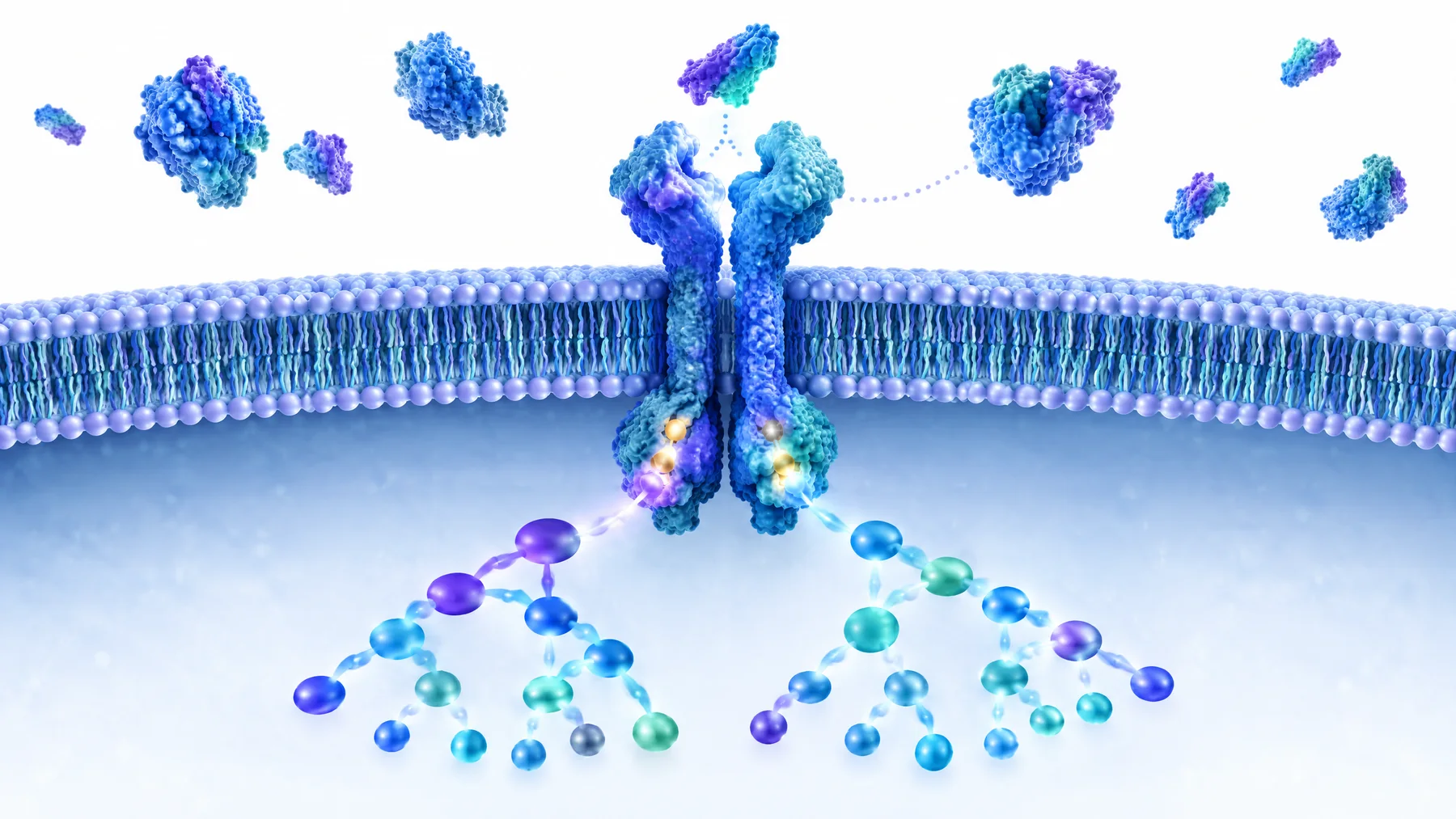
The central research hypothesis is membrane targeting, not restoration of normal p53 signalling. In a 2010 cell and structural study, PNC-27’s p53-derived portion adopted a conformation compatible with the p53-binding region of HDM2. The authors detected HDM2 in membrane fractions from several cancer cell lines, observed PNC-27/HDM2 co-localisation, and made normally resistant MCF-10-2A breast epithelial cells susceptible after engineering full-length HDM2 to the cell surface. Those experiments support a model-specific causal role for membrane-localised HDM2, but they do not show that all cancers carry that target or that the same pathway operates in patients. [1]
Later AML work reported a more detailed experimental model: PNC-27 bound membrane HDM2, increased the membrane association of HDM2 and E-cadherin, and was associated with E-cadherin ubiquitination/degradation, membrane damage and cell death. That is an observed pathway in the reported AML systems, not a validated diagnostic test or a proven biomarker-guided treatment strategy. Names such as HDM2 and MDM2 generally refer to the same human protein in this literature. [4]
What the laboratory models found
In the 2010 intact-peptide experiment, double-labelled PNC-27 was tested in MCF-7 human breast-cancer cells and untransformed MCF-10-2A breast epithelial cells. The researchers reported punctate signal from intact peptide in MCF-7 cell membranes as lysis progressed, while MCF-10-2A cells remained viable. This was a fluorescent cell-culture experiment; it does not measure tumour response, survival or toxicity in people. [2]
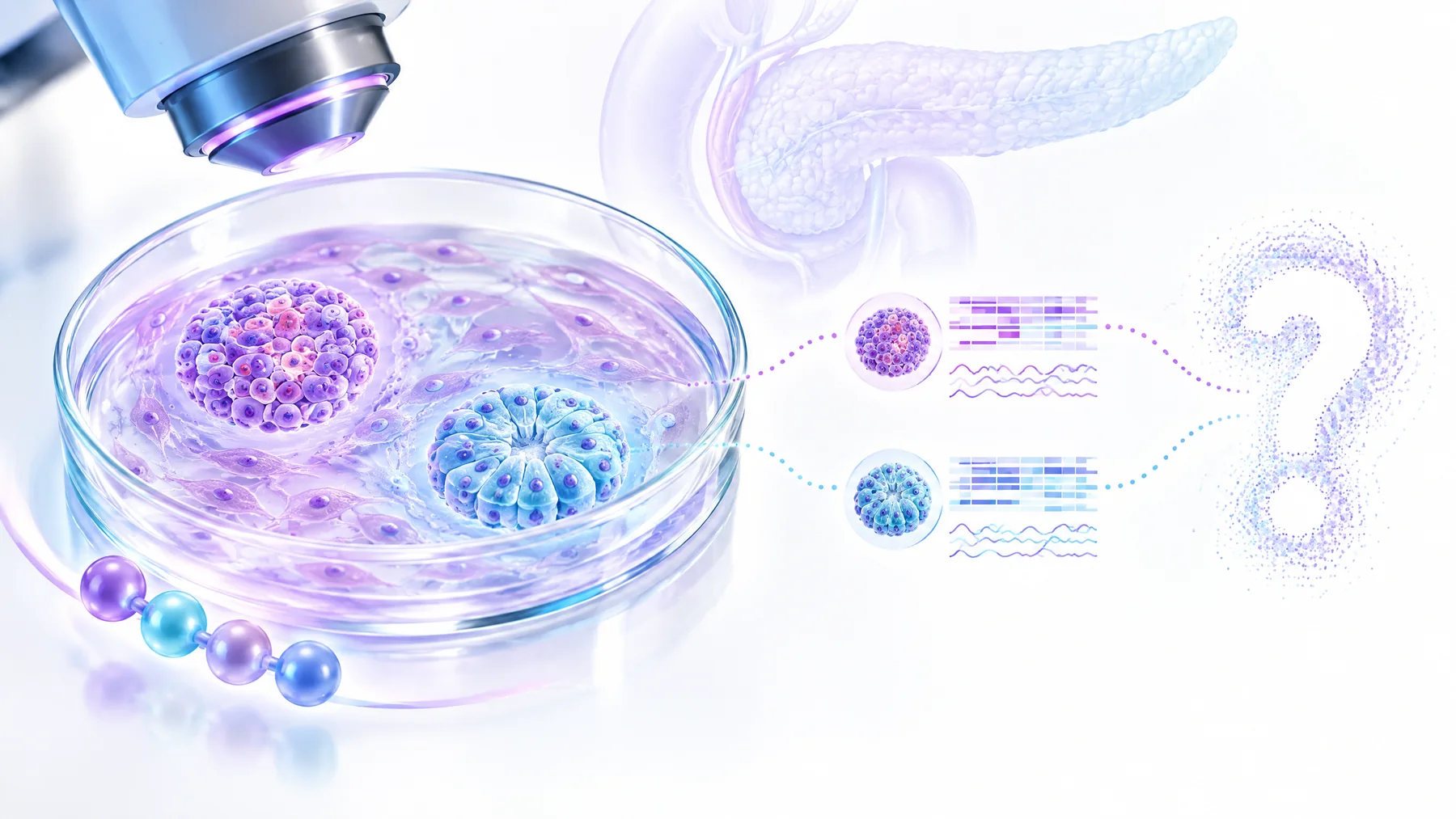
A 2014 study treated p53-null K562 chronic myeloid leukaemia cells with PNC-27 or control peptide PNC-29. It reported membrane HDM2 co-localisation, LDH release and near-complete K562 killing under its culture conditions, while the mouse leukocyte control was unaffected. The result is relevant to the authors’ claim that killing can be p53-independent, but K562 is an established cell line and a murine leukocyte comparison cannot establish human marrow safety. [3]
The 2020 study extended the cell-line work to CD34-negative AML models: U937 (acute monocytic), OCI-AML3 (acute myelomonocytic) and HL-60 (acute promyelocytic) cells. It reported high membrane HDM2, PNC-27 binding, LDH release and necrosis within four hours; rat mononuclear cells were the normal-cell comparator. Concentrations and exposure times in such assays are experimental conditions, not clinical dosing instructions. [6]
A separate 2015 ex vivo ovarian-cancer paper used early-passage primary cultures from two newly diagnosed epithelial ovarian cancers — one mucinous cystadenocarcinoma and one high-grade papillary serous carcinoma — plus established lines. PNC-27 inhibited growth and increased LDH release in those cultures, whereas PNC-29 did not. Fresh patient-derived cells are more clinically relevant than an immortalised line, but the study still tested cells outside the body and did not treat the patients from whom they came. [5]
Animal evidence and combination findings
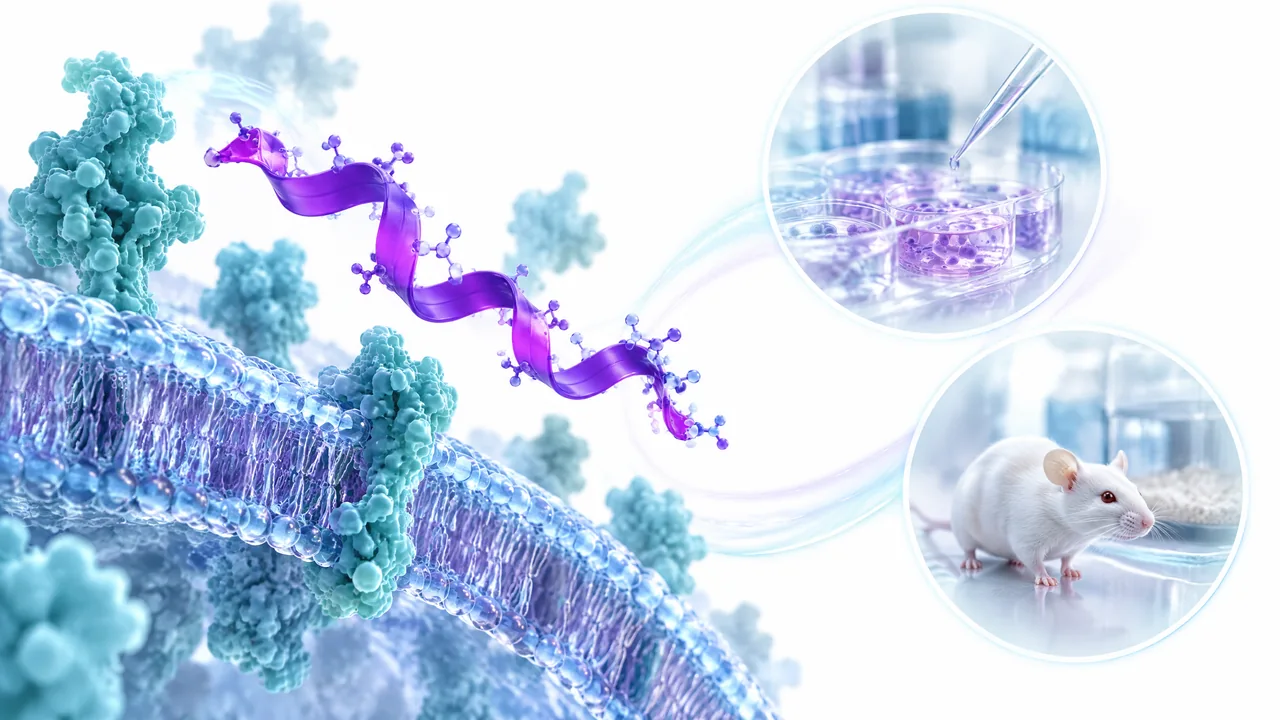
The most substantial in vivo PNC-27 report located was an AML study using a genetically defined mouse AML model and human AML patient-derived xenografts (PDXs). After AML engraftment, mice received daily intraperitoneal PNC-27 or controls; the study reported lower AML burden and improved survival, with primary and secondary transplantation used to examine leukaemia-initiating cells. It also reported preserved haematopoietic activity in wild-type mouse transplant experiments. These are encouraging preclinical results, but mouse exposure, tumour biology, immunity and toxicity cannot be assumed to predict human benefit or safety. [4]
In an ID8 intraperitoneal mouse model of ovarian cancer, a 2017 study reported that adding PNC-27 to weekly paclitaxel reduced tumour growth more than the compared treatments, and in vitro isobologram analysis indicated synergy. This does not validate a PNC-27/paclitaxel regimen for people. Combination treatment can change toxicity and pharmacology, and no human combined protocol, dose ratio or administration schedule follows from a mouse study. [10]
Human evidence: the key gap
No registered PNC-27 studies were returned by the ClinicalTrials.gov search for the exact term ‘PNC-27’ when checked for this record. The primary papers reviewed here are laboratory, ex vivo or mouse studies; none reports a human phase 1 dose-escalation study, pharmacokinetics, biodistribution, maximum tolerated dose, response rate or adverse-event profile. A registry search cannot prove that no human use has ever occurred anywhere, but it is a strong reason not to represent PNC-27 as an investigational human treatment with an established clinical program. [2] [3] [4] [5] [7]
Accordingly, there is no evidence-grounded human administration schedule to give. Claims about injection route, reconstitution, dilution, cycle length, storage after mixing, therapeutic dose or cancer efficacy would be extrapolations beyond the available evidence. For a person with cancer, discussion of proven treatment options and trial eligibility belongs with their oncology team. [4] [7]
Safety and uncertainty
The apparent sparing of selected normal cells is a repeated preclinical observation, not a human safety finding. The relevant comparators vary across studies: untransformed breast epithelial cells, murine leukocytes, rat mononuclear cells, normal human CD34-positive cells and wild-type mouse marrow. These models do not collectively answer whether PNC-27 would affect human organs, immunity, coagulation, reproduction, tumour heterogeneity or off-target tissues after systemic exposure. [1] [2] [3] [4] [6]
Necrotic membrane damage is itself a reason for caution rather than proof of selectivity. The studies provide no clinical safety database and do not define risks such as infusion or injection reactions, organ toxicity, interactions with chemotherapy, immune consequences or delayed effects. The AML paper also declares that Oncolyze, Inc. provided PNC-27 and control peptides; this does not invalidate the work, but it is relevant context when weighing an early evidence base that needs independent replication. [4]
For products obtained outside regulated clinical care, quality is a separate risk from pharmacology. The TGA warns that unapproved online peptide products may be mislabeled, contain the wrong or harmful ingredients, vary substantially in amount of active ingredient and, if injectable, may not be sterile. Those risks apply even before considering whether PNC-27 itself could work or be safe. [9]
Australian regulatory context
The TGA states that peptide products regulated as therapeutic goods must generally be included in the Australian Register of Therapeutic Goods (ARTG) before they are imported, manufactured, supplied, exported or advertised, unless a specific approval, authority or exemption applies. ARTG inclusion is the relevant benchmark for a medicine lawfully supplied in Australia, not the presence of a supplier webpage or a ‘research use only’ statement. [8]
No PNC-27 ARTG product information, approved medicine label or Australian regulatory approval record was located in the searches for this article. The TGA’s general guidance is clear that ‘research use only’ and ‘not for human use’ disclaimers do not themselves remove therapeutic-goods obligations. Limited pathways for unapproved goods may exist in particular circumstances, but they are not evidence that PNC-27 is approved, assessed for quality, or suitable for self-directed use. [8] [9]
How to read PNC-27 claims carefully
PNC-27 is sometimes described alongside PNC-29 in research reports. PNC-29 is a sequence-altered experimental negative control used to test whether the p53-derived portion of PNC-27 matters in those assays; it is not a clinically validated comparator or a substitute treatment. Similarly, findings in breast, ovarian and leukaemia models should not be collapsed into a claim that PNC-27 treats ‘cancer’ as a single disease. [3] [5] [6]
A useful reading order is: first identify the model; then check whether the outcome was cell viability, tumour burden or survival; then ask what normal-tissue comparator was used; and finally look for human trials and regulator-reviewed product information. By that standard, PNC-27 has a coherent preclinical rationale and several positive experimental reports, but it remains far from a clinically established anticancer medicine. [1] [3] [4] [5] [7] [8]
Questions readers ask
Is PNC-27 an approved cancer medicine in Australia?
No PNC-27 ARTG product information, approved medicine label or Australian approval record was located for this review. The TGA says therapeutic peptide products generally need ARTG inclusion before supply or advertising, subject to limited legal exceptions. A research-supplier vial is not an approved medicine formulation. [8] [9]
Has PNC-27 been tested in humans?
The reviewed evidence consists of cell, ex vivo and mouse studies. The exact-term ClinicalTrials.gov search returned no registered PNC-27 studies, and no human dosing, pharmacokinetic, safety or efficacy study was identified in the primary literature reviewed here. [4] [5] [7]
What does PNC-27 target in the laboratory studies?
The proposed target is HDM2/MDM2 located at the cancer-cell membrane. Several experiments found co-localisation or binding and membrane lysis, and engineered membrane localisation of HDM2 made one untransformed breast epithelial model susceptible. This remains a model-based mechanism rather than a clinically validated patient-selection test. [1] [4]
Does the paclitaxel study prove that PNC-27 should be combined with chemotherapy?
No. The reported synergy was an in vitro and ID8 mouse-model result. It provides a research lead only; it does not establish a safe human combination, dose, sequence, route or schedule. [10]
Why are online PNC-27 ‘research’ products a concern?
Apart from the lack of clinical evidence, unapproved online peptide products may have uncertain identity, concentration, contaminants and sterility. The TGA specifically warns about wrong ingredients, variable amounts of active ingredient and non-sterility in injectable products. [9]
What remains uncertain
No registered PNC-27 human study was found in the exact-term ClinicalTrials.gov search, and the reviewed primary evidence does not provide human pharmacokinetics, dosing, safety or efficacy data.
Most positive findings are from a small set of related research groups and experimental systems; independent reproduction and broad tumour/normal-tissue testing are needed.
Cell-line, ex-vivo and mouse/PDX outcomes cannot establish clinical tumour selectivity, therapeutic index, organ safety or benefit in people.
The record does not substitute for an ARTG search at a later date or for case-specific advice from an Australian oncology professional and regulator.
References and further reading
- [1] Anticancer peptide PNC-27 adopts an HDM-2-binding conformation and kills cancer cells by binding to HDM-2 in their membranes. Structural modelling/NMR comparison, cancer and untransformed cell-line membrane-fraction, co-localisation and transfection experiments; included MCF-10-2A, BMRPA1, AG13145, TUC-3, MIA-PaCa-2, MCF-7 and A-2058 models.
- [2] The anti-cancer peptide, PNC-27, induces tumor cell lysis as the intact peptide. Double-fluorescent-labelled PNC-27 study in MCF-7 human breast-cancer and untransformed MCF-10-2A breast epithelial cell lines.
- [3] The Anti-Cancer Peptide, PNC-27, Induces Tumor Cell Necrosis of a Poorly Differentiated Non-Solid Tissue Human Leukemia Cell Line That Depends on Expression of HDM-2 in the Cancer Cell Membrane. In-vitro K562 human chronic myeloid leukaemia-cell study with PNC-27/PNA-29 controls, MTT, LDH, caspase and microscopy assays; murine leukocytes served as a non-cancer comparator.
- [4] Targeting cell membrane HDM2: A novel therapeutic approach for acute myeloid leukemia. Primary human AML and normal haematopoietic samples, in-vitro assays, genetically defined MllPTD/WT/Flt3ITD/ITD AML mice, wild-type marrow transplantation and human AML patient-derived xenografts with primary/secondary transplant experiments.
- [5] Ex vivo Efficacy of Anti-Cancer Drug PNC-27 in the Treatment of Patient-Derived Epithelial Ovarian Cancer. Ex-vivo early-passage cultures from two freshly isolated epithelial ovarian cancers, supplemented by established ovarian cancer cell lines; MTT and LDH outcomes.
- [6] Targeting Membrane HDM-2 by PNC-27 Induces Necrosis in Leukemia Cells But Not in Normal Hematopoietic Cells. In-vitro flow cytometry, MTT, LDH, annexin V and caspase-3 assays in U937, OCI-AML3 and HL-60 human AML cell lines; rat mononuclear cells were comparators.
- [7] ClinicalTrials.gov search results for PNC-27. Exact-term registry query accessed for this record; returned zero studies/records.
- [8] How we regulate therapeutic peptide products. Official regulatory information page, not a clinical study.
- [9] Risks of buying peptide products online. Official safety and regulatory information page, not a clinical study.
- [10] Synergy between Paclitaxel and Anti-Cancer Peptide PNC-27 in the Treatment of Ovarian Cancer. In-vitro ID8 ovarian-cancer-cell experiments with flow cytometry, MTT and isobolograms, plus an intraperitoneal ID8 mouse ovarian-cancer model.