What is KPV (Lys-Pro-Val; α-MSH 11–13)?
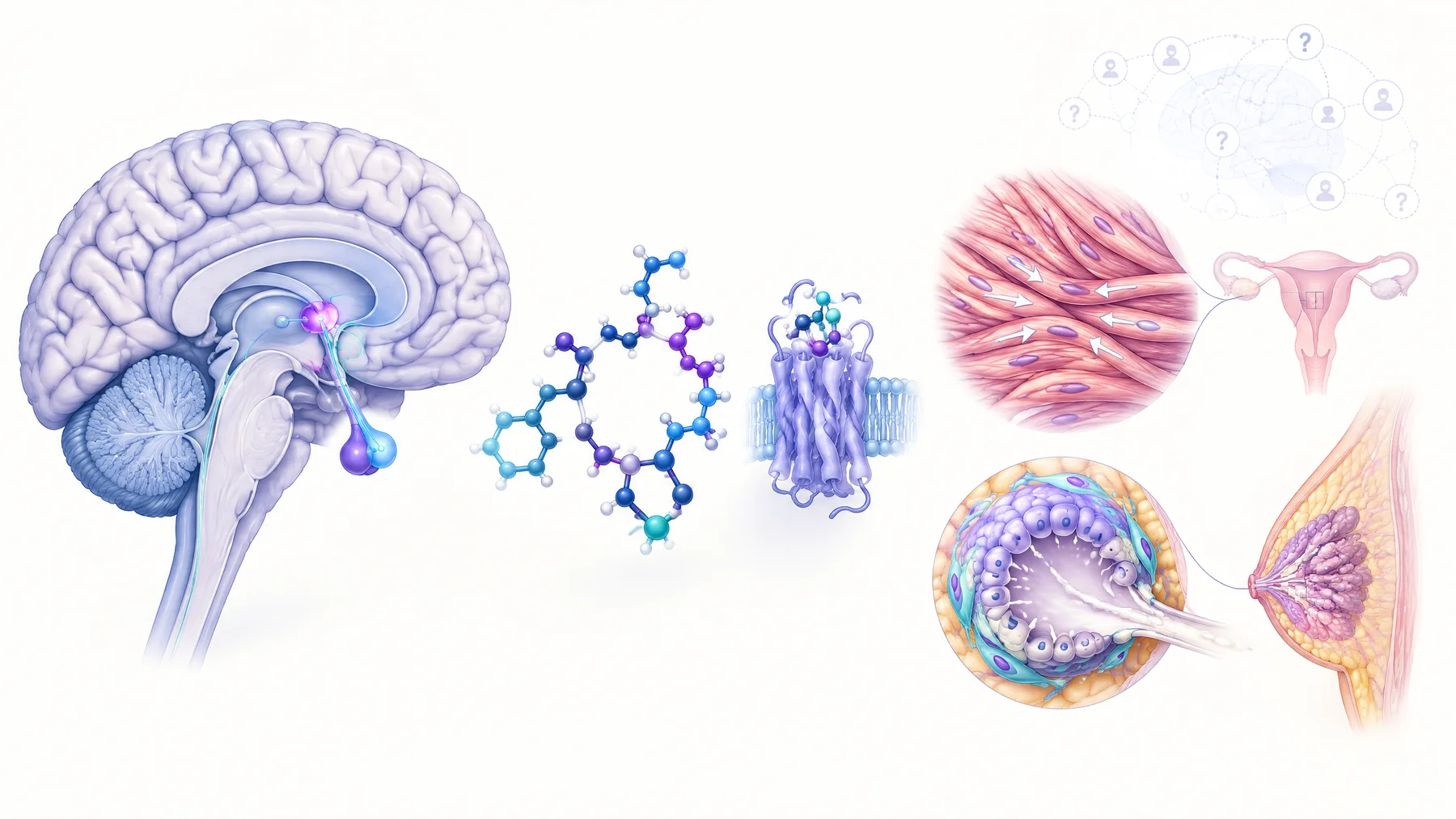
KPV is the defined all-L tripeptide Lys-Pro-Val, also called α-melanocyte-stimulating hormone (α-MSH) 11–13. It is a peptide fragment, not the full α-MSH hormone, not a small molecule, and not a medicine formulation. PubChem records the free peptide as C16H30N4O4 with a molecular weight of 342.43 g/mol.
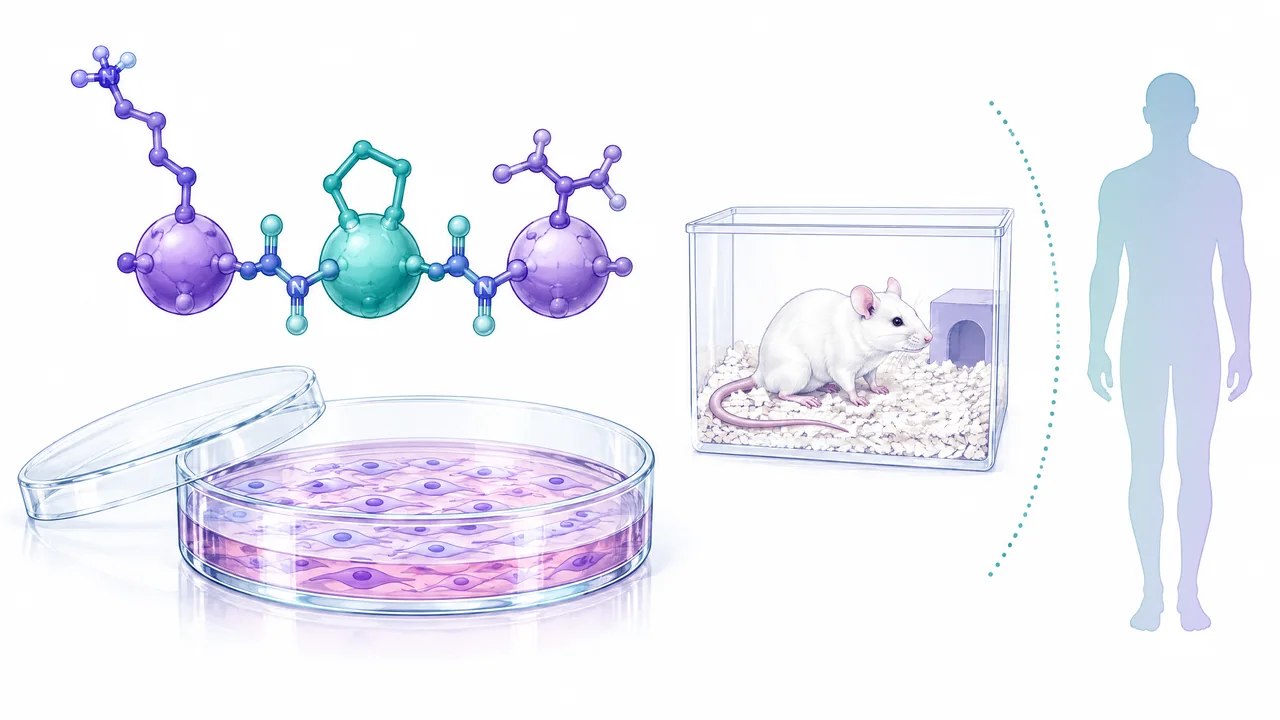
KPV is a three-amino-acid α-MSH fragment with cell-culture and mouse-model anti-inflammatory findings. Those findings justify research interest, but they do not establish a human treatment, dose, route, safety profile, or an Australian-approved KPV product.
What KPV is — and what it is not
KPV is the sequence Lys-Pro-Val: the C-terminal residues 11–13 of α-MSH. In chemical records it is also named MSH (11–13), L-lysyl-L-prolyl-L-valine and α-MSH (11–13). Calling it an α-MSH-derived fragment is accurate; calling KPV itself a full melanocortin hormone is not. It is a genuine tripeptide, rather than a botanical extract, vitamin, coenzyme or small-molecule drug. [1]
This identity matters when reading claims. Results for full-length α-MSH, a melanocortin-receptor agonist, or a chemically altered KPV analogue are not automatically results for native KPV. For example, a dermal-fibroblast experiment tested KP-D-V, which contains D-proline and is therefore a different stereochemical molecule from the all-L KPV record. [1] [7]
What the molecular-pathway studies show
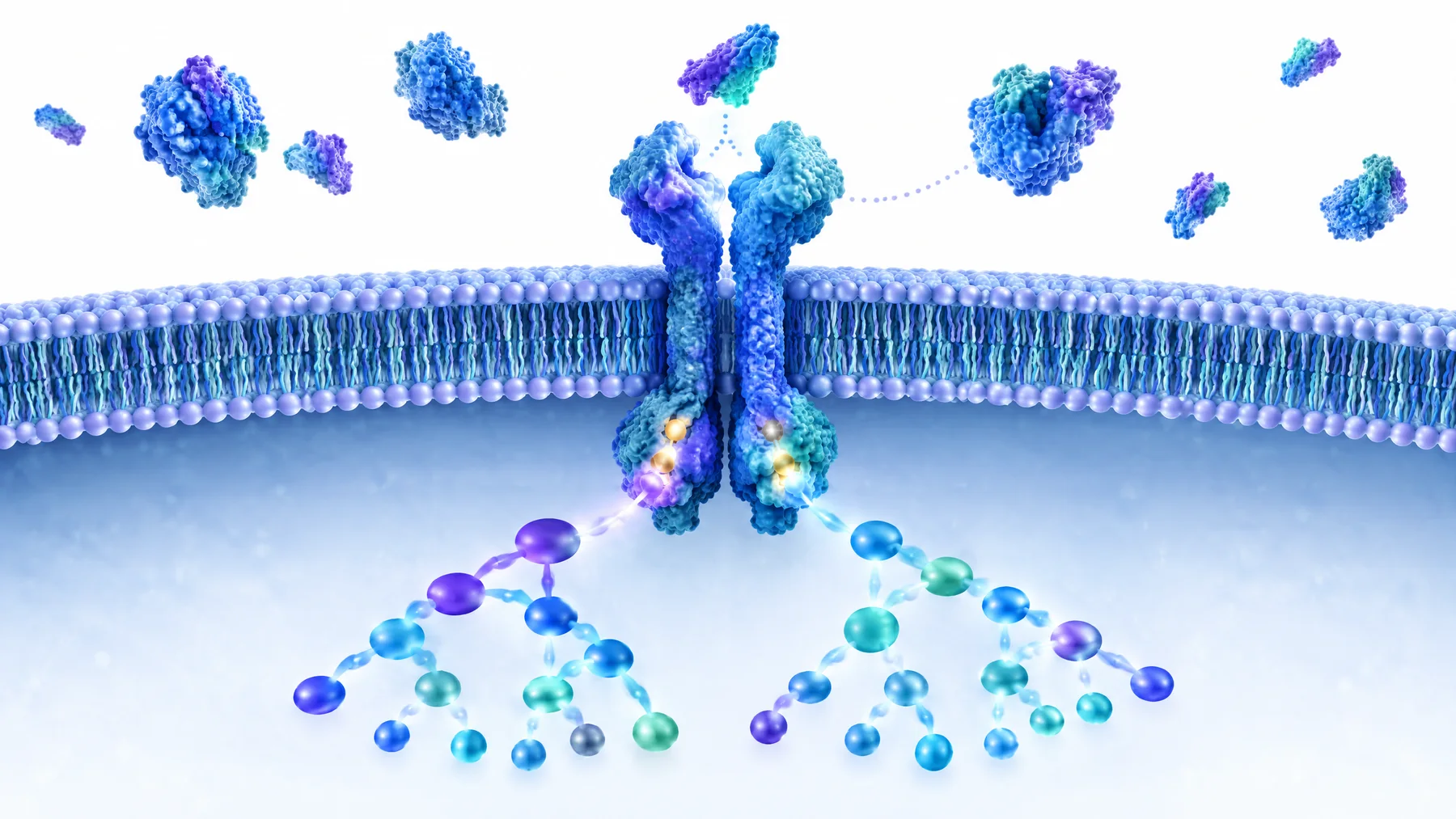
The best-described intestinal mechanism comes from experiments in Caco2-BBE and HT29-Cl.19A intestinal epithelial cells and Jurkat T cells. In cytokine-stimulated cultures, KPV reduced NF-κB and MAP-kinase signalling readouts and lowered inflammatory cytokine measurements. The same paper used radiolabelled uptake and competition experiments to support uptake through the di/tripeptide transporter PepT1 in its experimental systems. [2]
That is a model-specific mechanistic observation, not proof that PepT1 is the sole KPV target in every tissue or that suppressing an in-vitro signalling marker treats disease in people. The 2016 colitis-associated-cancer study strengthened the intestinal transport interpretation: KPV reduced tumour-related outcomes in wild-type mice but not in PepT1-knockout mice in that model. It still cannot settle the full mechanism or clinical relevance in humans. [5]
Findings in experimental colitis models
Two independent 2008 research groups reported beneficial findings in mouse models of intestinal inflammation. Dalmasso and colleagues studied cytokine-stimulated human cell lines alongside dextran sulfate sodium (DSS)- and trinitrobenzene sulfonic acid (TNBS)-induced colitis in C57BL/6 mice. KPV was supplied orally in the animal experiments; compared with disease controls, the report described less colonic inflammatory activity, histological injury and pro-inflammatory cytokine expression. [2]
Kannengiesser and colleagues examined DSS colitis and CD45RBhi T-cell transfer colitis. Their KPV-treated mice had earlier recovery or better body-weight regain, reduced histological inflammatory infiltrates and lower colonic myeloperoxidase activity. In mice with a nonfunctional MC1 receptor, KPV also rescued the treatment group from death during DSS colitis, leading the authors to conclude that the effect was at least partly MC1R-independent. These are controlled animal-model outcomes, not evidence of efficacy in ulcerative colitis or Crohn disease in people. [3]
Delivery systems, cancer models and skin models are separate evidence streams
A later study packaged KPV in hyaluronic-acid-functionalised polymeric nanoparticles within a chitosan/alginate hydrogel. In a mouse ulcerative-colitis model, the delivery system was reported to target colonic epithelial cells and macrophages and to outperform a non-hyaluronic-acid KPV nanoparticle comparator on mucosal damage and TNF-α-related outcomes. This is evidence for a particular experimental formulation, not for unformulated KPV powder or a consumer product. [4]
In an azoxymethane/DSS mouse model of colitis-associated cancer, KPV was associated with fewer and smaller colonic tumours, less inflammation and less epithelial proliferation in wild-type mice; the protection was not seen in PepT1-knockout mice. That model is useful for testing a hypothesis about inflammation-associated tumour development, but it does not show that KPV prevents or treats human colorectal cancer. [5]
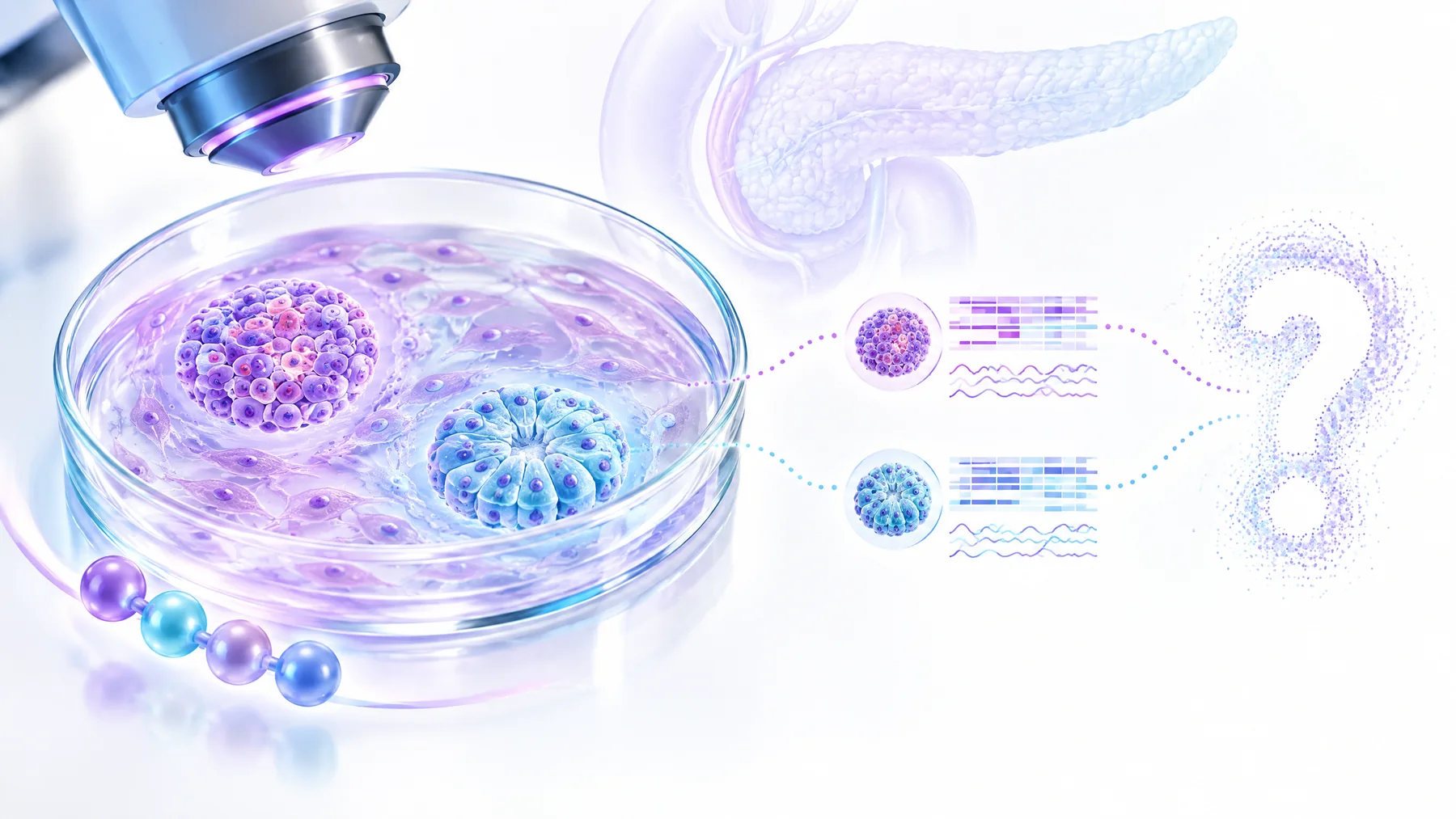
Skin evidence is also preclinical. A 2025 study exposed immortalised human HaCaT keratinocytes and a three-dimensional skin model to PM10-like fine dust. KPV reduced several oxidative-stress, inflammatory and cell-death readouts in those laboratory models. HaCaT cultures and engineered skin are valuable tools, but neither is a clinical trial of eczema, skin ageing, wound healing or any other skin condition. [6]
Human evidence: the crucial gap
This review located no KPV human efficacy or safety trial. The official ClinicalTrials.gov search for the exact term “KPV” returned no study records when checked for this article. A registry result cannot rule out unpublished work, work registered under another name or a trial on a different molecule, but it is a clear reason not to present KPV as a clinically validated treatment. [8]
As a result, there is no evidence-grounded human administration schedule, therapeutic dose, injection protocol, dilution method, storage rule, interaction profile or adverse-event frequency for KPV. Animal concentrations and laboratory exposure conditions are experimental methods, not instructions for people. [2] [3] [4] [6] [8]
Safety and uncertainty are not solved by a short sequence
A molecule being a short peptide or being related to an endogenous peptide does not establish safety when it is supplied at an unknown dose, by an untested route, or in an unverified formulation. The KPV publications above are not human dose-escalation, pharmacokinetic, reproductive-safety, interaction or long-term safety studies. Their small animal groups, induced disease models and short experimental time frames limit direct extrapolation. [2] [3] [4] [5] [6]
Product quality is an additional, separate issue. The TGA states that unapproved peptide products have not been evaluated for safety, quality or effectiveness, and highlights risks including uncertain ingredients, inaccurate labelling, contamination, infection and local tissue damage with injectables. The alert describes adverse-event reports for unapproved peptide products as a class; it should not be misread as a KPV-specific incidence estimate. [9]
Australian regulatory context
In Australia, peptide products are therapeutic goods under the Therapeutic Goods Act 1989. The ARTG is the public database of therapeutic goods that can legally be supplied in Australia. An ARTG search for “KPV” was reviewed for this article and did not identify an approved KPV medicine entry; that search result should be rechecked at the point of any regulatory decision because registers can change. [9] [10]
A supplier’s powdered vial, injection vial or “research use only” label is not evidence of an approved formulation. The TGA specifically says that a research-use-only disclaimer does not change a product’s regulatory status, permit importation or remove advertising and supply obligations. Individual patient compounding and access pathways have narrow conditions; they do not turn a research-vial listing into a generally approved medicine. [9]
Comparing KPV with related substances
The most useful comparison is structural, not promotional: full α-MSH is a larger parent melanocortin peptide, whereas KPV is only its three-residue terminal fragment. The 2008 mouse study found KPV activity in animals with nonfunctional MC1R, while the intestinal work focused on PepT1-mediated uptake. These observations argue against assuming that every KPV finding is simply an α-MSH receptor effect. [1] [2] [3]
Likewise, KPV should not be merged with K(D)PV/KP-D-V or other modified peptides in an evidence summary. Altering chirality or formulation can change stability, transport, distribution and biological activity. A result from a bespoke nanoparticle system, a D-amino-acid analogue or full α-MSH needs to be named as such rather than transferred to native KPV. [4] [7]
A practical way to read KPV claims
First ask which exact material was tested: native all-L KPV, a modified analogue, or KPV packaged in a delivery platform. Then ask which model was used. A cytokine-stimulated cell line measures a molecular response; a chemically induced mouse colitis experiment measures a disease-model response; neither determines what happens in a person with inflammatory bowel disease or a skin condition. [2] [4] [6] [7]
Finally, separate an appealing mechanism from a clinical claim. “Reduced NF-κB signalling in a named cell model” and “reduced pathology in a named mouse model” are defensible descriptions of the literature. Statements that KPV heals the gut, prevents cancer, reverses skin ageing, is safe to inject, or has a standard regimen exceed the present evidence. [2] [3] [5] [6] [8] [9]
Questions readers ask
Is KPV an approved medicine in Australia?
No approved KPV medicine entry was identified in the ARTG search reviewed for this article. The ARTG is the TGA’s public database of therapeutic goods that can legally be supplied in Australia; check the live register again if the regulatory status matters to a specific product or decision. [10]
Has KPV been shown to work for ulcerative colitis in people?
No. The intestinal evidence located here is from cell systems and several mouse colitis models. The exact-term KPV search of ClinicalTrials.gov returned no records, so there is no identified KPV human trial on which to base an efficacy claim or treatment schedule. [2] [3] [8]
Does a “research use only” KPV vial become acceptable because the peptide is natural?
No. The TGA says a research-use-only disclaimer does not alter regulatory status or remove import, advertising or supply obligations. It also does not establish the vial’s identity, sterility, quality, dose accuracy or clinical safety. [9]
Is KPV the same as α-MSH?
No. KPV is the Lys-Pro-Val terminal fragment (residues 11–13) of α-MSH. Research on full α-MSH or on a modified D-amino-acid analogue should not be represented as direct evidence for native all-L KPV. [1] [3] [7]
What remains uncertain
The KPV literature located for this record is dominated by cultured cells, induced mouse disease models and a specialised delivery system. Those models do not provide a human therapeutic dose, route, safety profile or efficacy estimate. The ClinicalTrials.gov exact-term search had no records, but that cannot exclude unpublished, differently named or unregistered work. A no-result ARTG search is time-sensitive and should be repeated for a particular product or legal decision.
References and further reading
- [1] Msh (11-13) — PubChem CID 125672. Curated chemical identity record
- [2] PepT1-mediated tripeptide KPV uptake reduces intestinal inflammation. Cytokine-stimulated human intestinal epithelial and Jurkat cell experiments, radiolabelled uptake studies, and DSS/TNBS colitis experiments in C57BL/6 mice
- [3] Melanocortin-derived tripeptide KPV has anti-inflammatory potential in murine models of inflammatory bowel disease. DSS colitis, CD45RBhi transfer colitis and nonfunctional-MC1R mouse experiments
- [4] Orally Targeted Delivery of Tripeptide KPV via Hyaluronic Acid-Functionalized Nanoparticles Efficiently Alleviates Ulcerative Colitis. KPV-loaded, hyaluronic-acid-functionalised nanoparticle/hydrogel characterisation, intestinal-cell experiments and mouse ulcerative-colitis model
- [5] Critical Role of PepT1 in Promoting Colitis-Associated Cancer and Potential Benefits of the Anti-inflammatory Tripeptide KPV in a Mouse Model. AOM/DSS colitis-associated-cancer experiments in wild-type, intestinal hPepT1-overexpressing and PepT1-knockout mice, with human biopsy expression analysis
- [6] Lysine-Proline-Valine peptide mitigates fine dust-induced keratinocyte apoptosis and inflammation by regulating oxidative stress and modulating the MAPK/NF-κB pathway. PM10-exposed immortalised human HaCaT keratinocyte cultures and three-dimensional skin model
- [7] Melanocyte stimulating hormone peptides inhibit TNF-alpha signaling in human dermal fibroblast cells. Cultured human dermal fibroblast signalling study of α-MSH and the D-proline analogue KP-D-V
- [8] ClinicalTrials.gov search results for KPV. Live exact-term registry query reviewed 3 October 2026
- [9] Understanding your responsibilities when importing, compounding and supplying unapproved peptide products. Therapeutic Goods Administration regulatory and safety guidance
- [10] Australian Register of Therapeutic Goods (ARTG) — KPV search. Live public ARTG query for ‘KPV’, reviewed 3 October 2026