Skip to content
Dosage guide · 10 mg vial

KPV Dosage Protocol

Lysine–proline–valine · alpha-MSH C-terminal tripeptide

The reference-site protocol uses KPV once daily: 200 mcg in week 1, 300 mcg in week 2, 400 mcg in week 3 and 500 mcg in weeks 4–8. With 3 mL of bacteriostatic water in a 10 mg vial, the concentration is 3.33 mg/mL, so the 200 mcg start amount is 6 units (0.06 mL) on a U-100 syringe. It is not a clinical dose.

How oftenOnce daily
Starting dose200 mcg
Start = units6 units
Mix3 mL BAC water

Reviewed 25 Oct 2026 · Education only, not medical advice
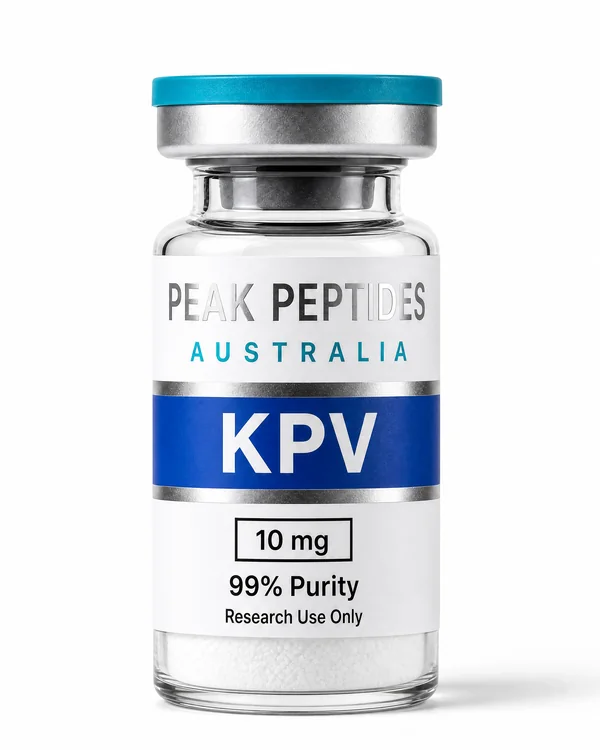
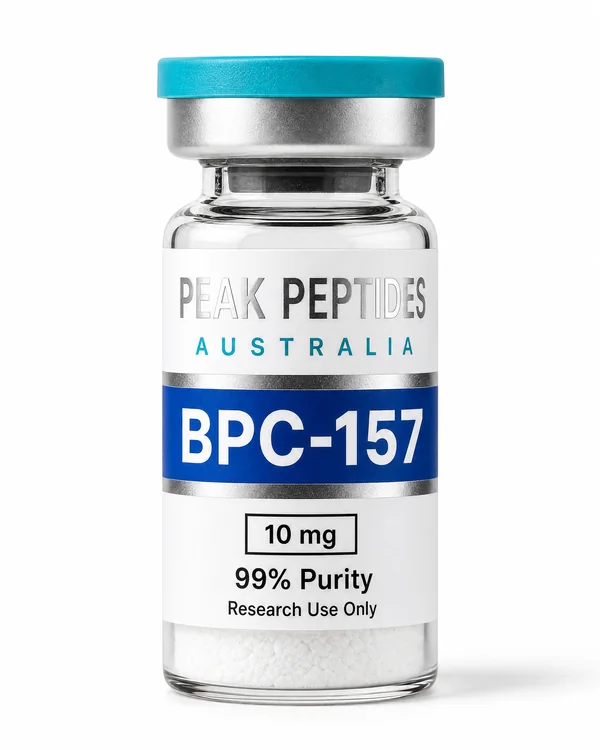
Peak Peptides Australia KPV 10 mg vial

KPV 10 mg vial

View on Peak

Exact Peak Peptides Australia product photo

01 · DOSAGE CHART

KPV dosage chart

Gradual daily approach · 10 mg vial + 3 mL BAC water

BAC water added
Concentration3.33 mg/mL
1 unit (U-100)33.3 mcg= 0.01 mL
How oftenOnce dailySubcutaneous injection

3 mL is the reference mix shown on Peak's KPV page and in the attributed 10 mg protocol, giving 3.33 mg/mL.

KPV dosage chart for a 10 mg vial mixed with 3 mL of bacteriostatic water
WeekDaily doseSyringe units
Week 1Start200 mcg6 units0.06 mL
Week 2300 mcg9 units0.09 mL
Week 3400 mcg12 units0.12 mL
Weeks 4–8Maintenance500 mcg15 units0.15 mL

Once daily · any consistent time · subcutaneous injection

The attributed protocol increases the amount each week through week 4.

It describes an 8–12 week approach, with an optional extension to 16 weeks; this is not a clinically established dose.

Community-reported reference amounts — KPV has no approved or clinically established human dose. Education only, not medical advice. Dose amounts adapted from KPV 10 mg vial dosage protocol (PeptideDosages.com); units are recalculated for the vial and mix selected above.

02 · HOW TO MIX

Mixing a 10 mg vial with 3 mL of BAC water

Using a 1 mL (100-unit) insulin syringe, 3 full draws of bacteriostatic water gives 3.33 mg/mL.
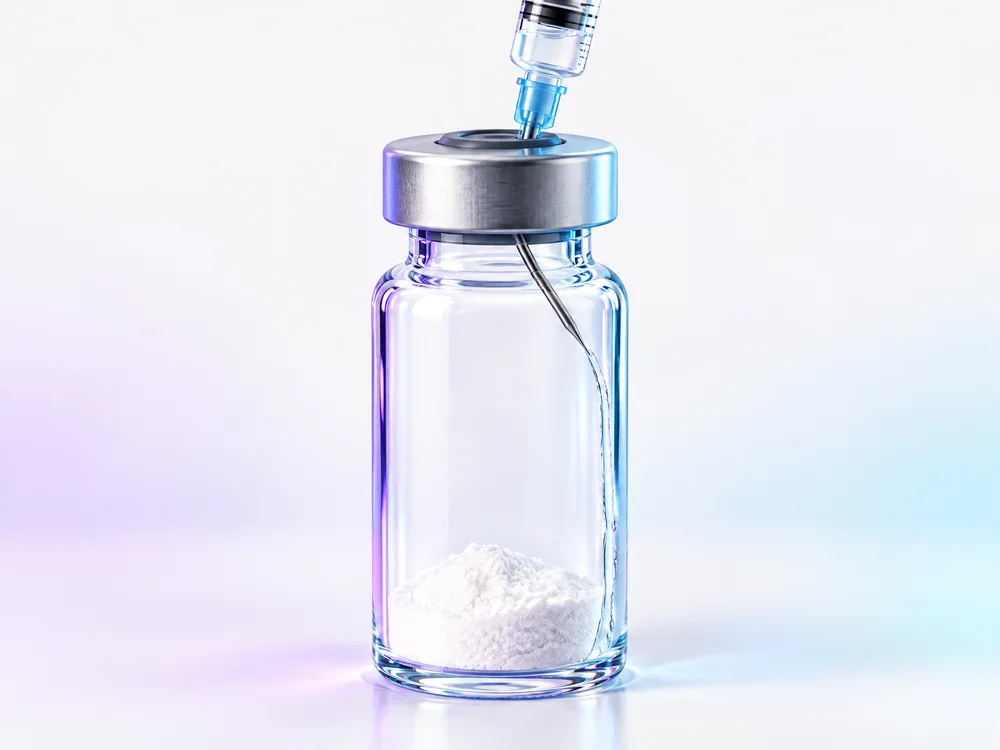
  1. Bacteriostatic water running slowly down the inside wall of a peptide vial1

    Add the water slowly

    Wipe both rubber stoppers with an alcohol swab and let them dry. Draw 3 mL of bacteriostatic water and let it run slowly down the inside of the vial wall — not straight onto the powder.
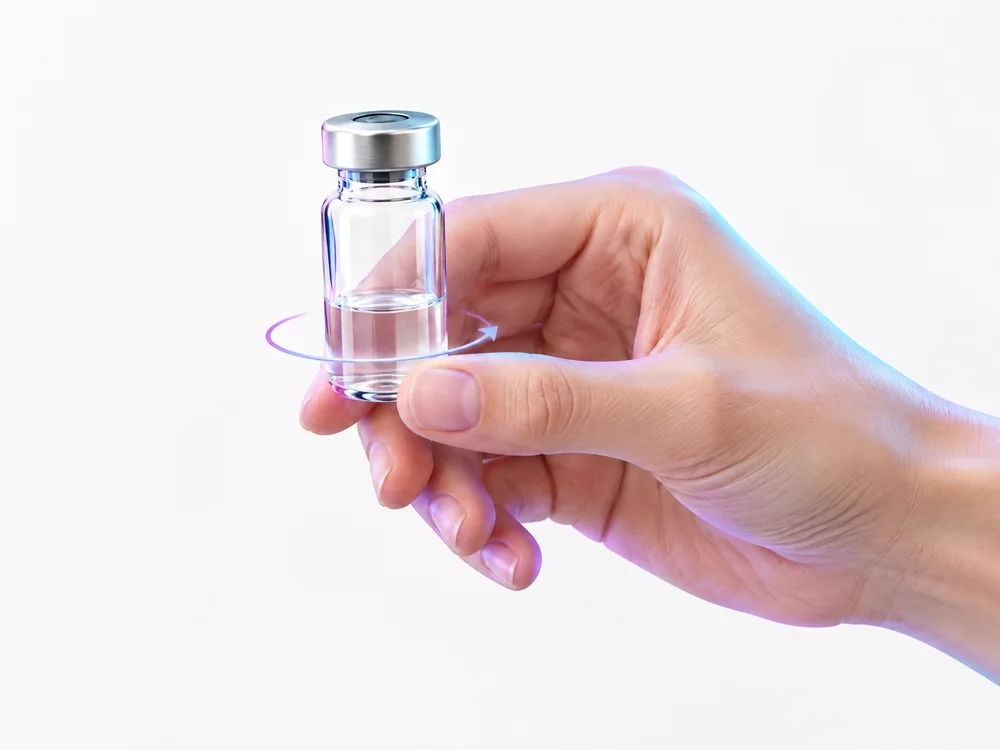
  2. Hand gently swirling an upright vial in a small circle2

    Swirl gently

    Swirl or roll the vial gently until the powder has dissolved. Give it a few minutes to settle if needed.
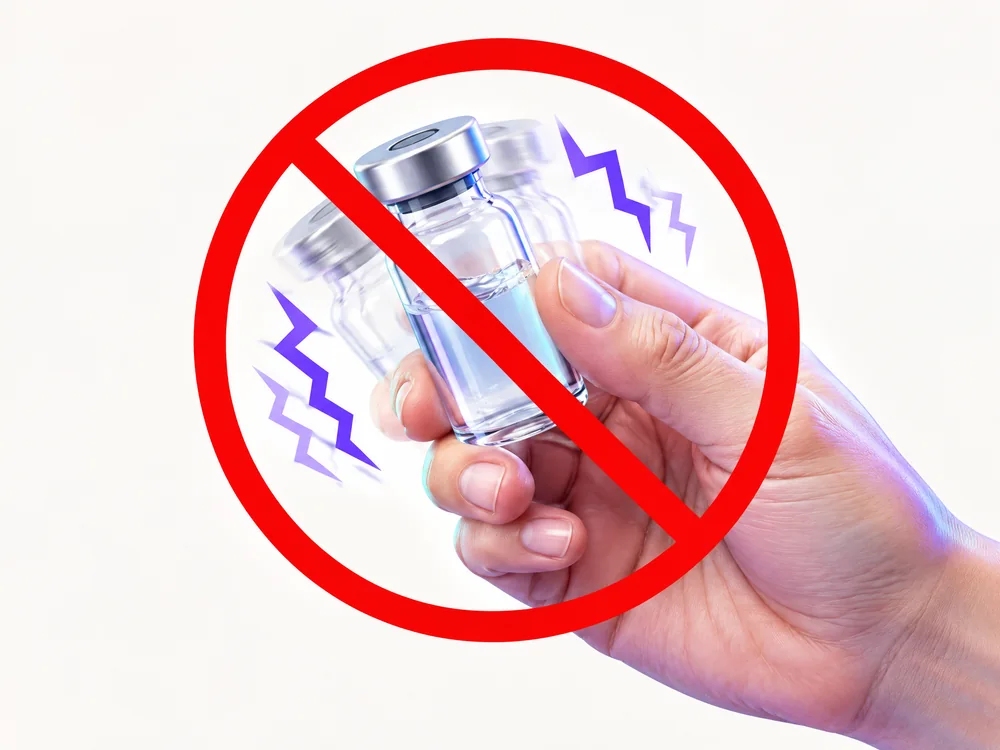
  3. A vial being shaken with a red cross through it3

    Don't shake it

    Shaking can damage the peptide and cause foaming. Gentle swirling only.
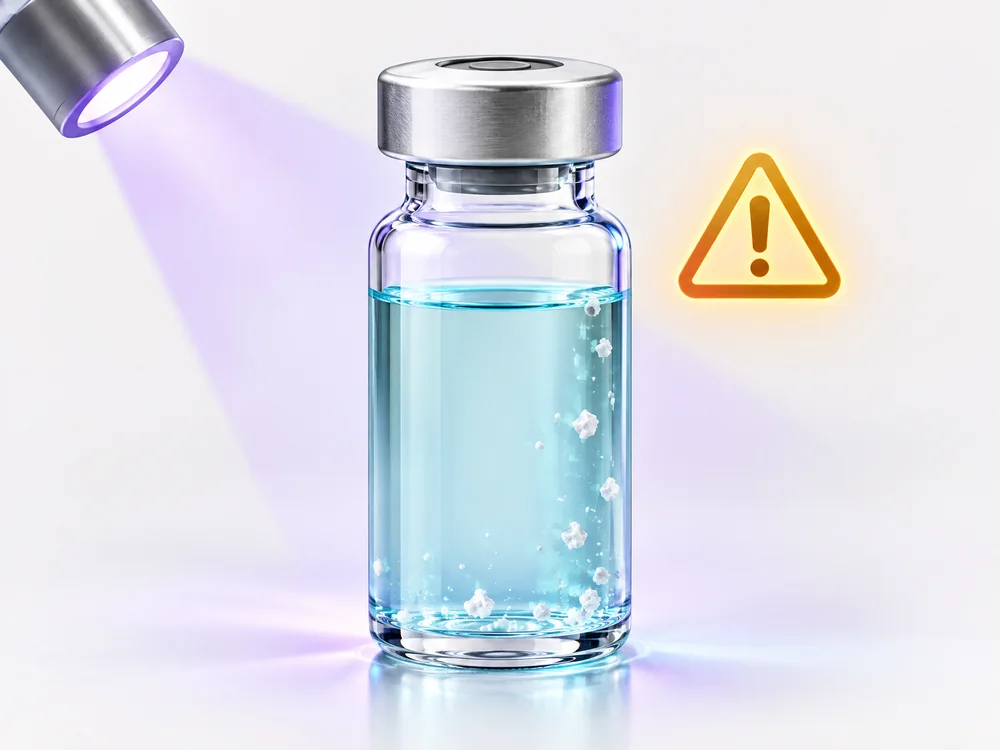
  4. Close-up of a vial with small undissolved particles and a caution symbol4

    Check it's fully clear

    Only use it once it is fully clear with no particles. Label the vial with the date and 3.33 mg/mL, then store it in the fridge at 2–8 °C.

Full illustrated reconstitution guide
03 · SUPPLIES NEEDED

What you'll need

Counts follow the dosage chart above at the highest amount in each step, using a 10 mg vial mixed with 3 mL.

Length of protocol
3KPV 10 mg vials23.8 mg needed in total
591 mL insulin syringesU-100, 27–31G · one per draw + one per vial mixed
1BAC water 10 mL bottle9 mL used for mixing
118Alcohol swabsSkin + stopper, every time

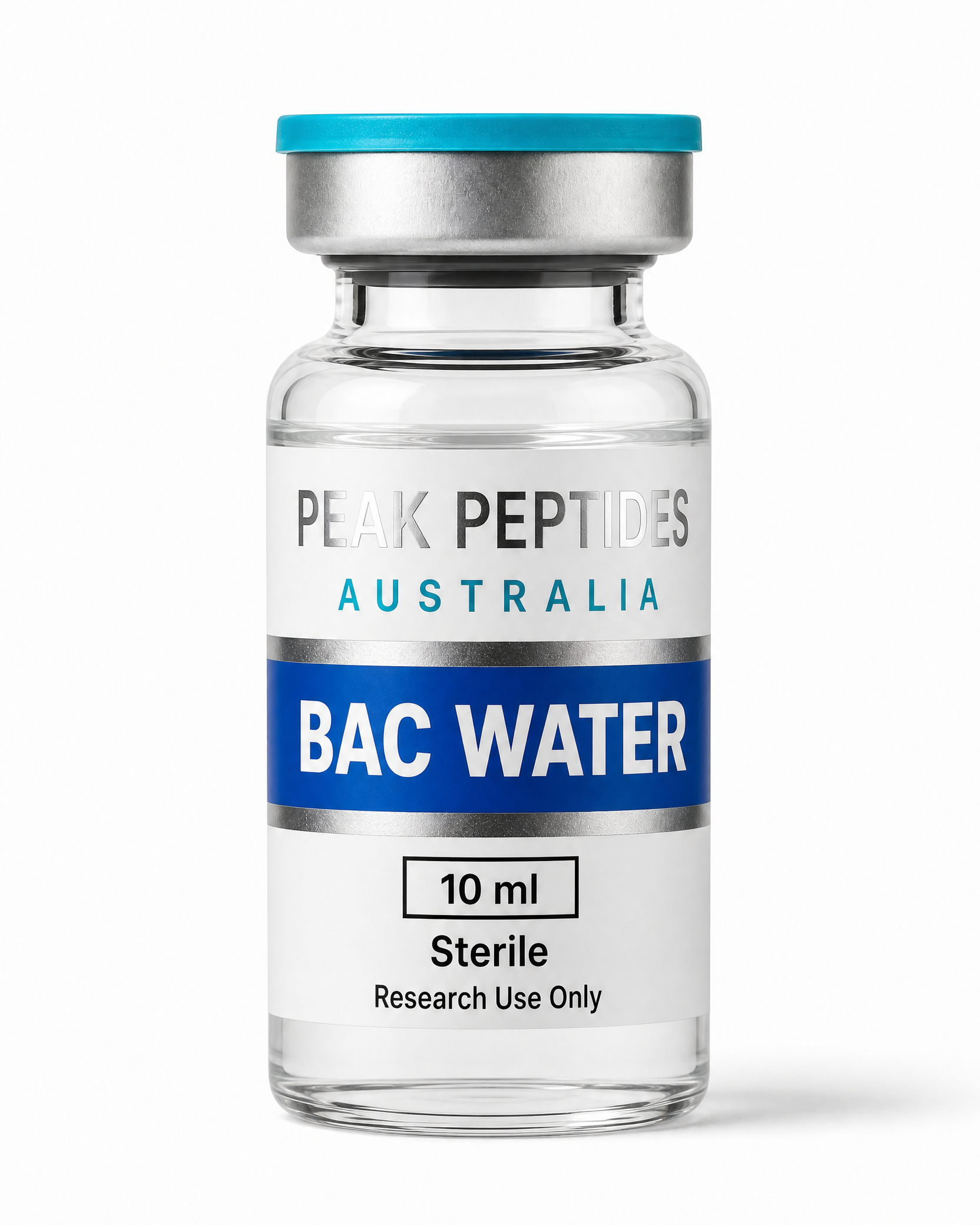
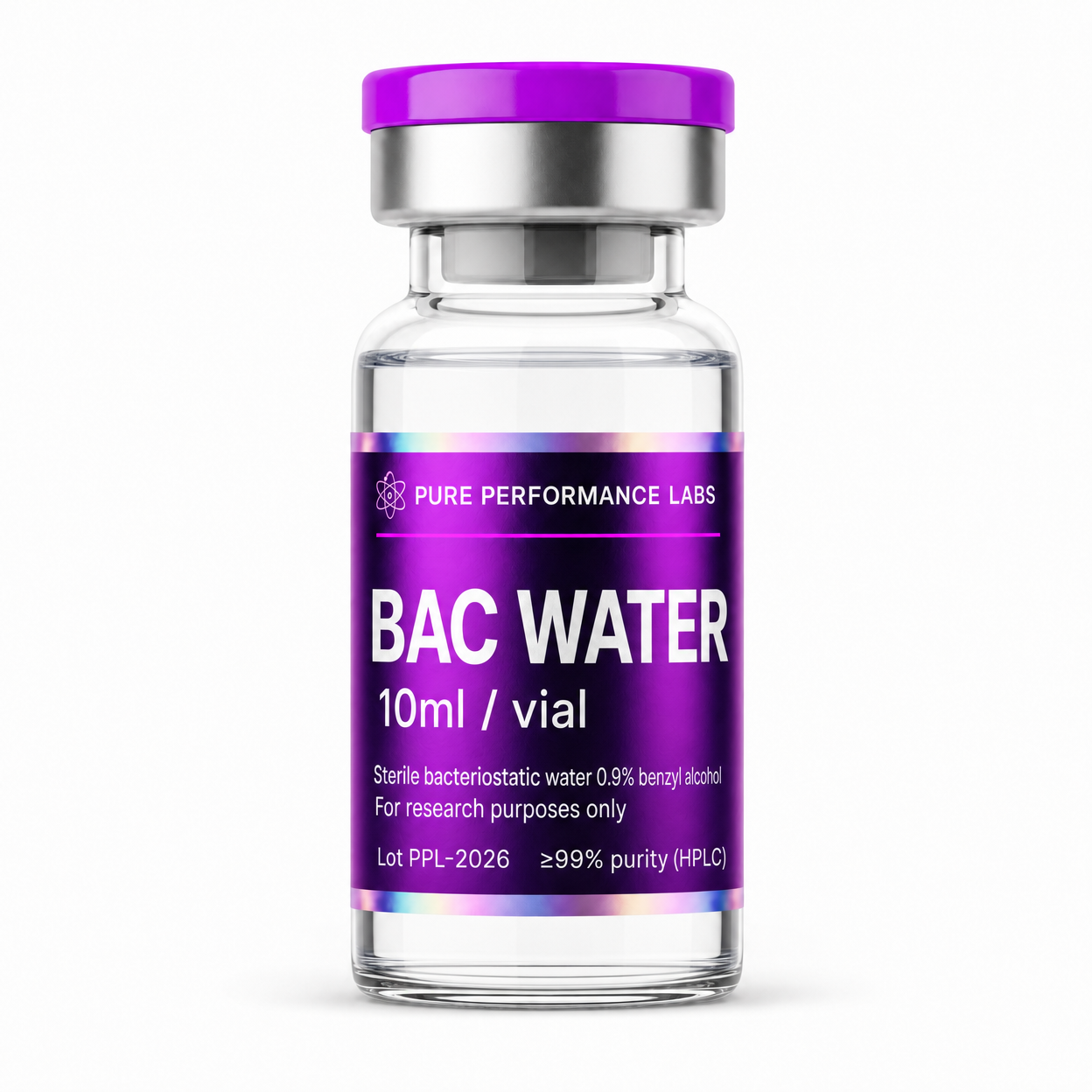
Plus an approved sharps container. Syringes and swabs are sold by Australian pharmacies — Peak Peptides and Pure Performance supply the bacteriostatic water.

04 · CALCULATOR

Check a different amount

Enter your vial, water and dose to see the matching syringe units.

Concentration Calculator
mg
3 mL
mcg

Concentration

3.33 mg/mL

(3333 mcg/mL)

Calculated Liquid Volume

0.060 mL

Equivalent U-100 volume scale position

6markings (not biological IU)
01020304050607080901006 marks

Illustration of a U-100 volume scale, not preparation or injection guidance

05 · PROTOCOL DETAILS

About KPV

Protocol overview

Starting dose
200 mcg once daily in week 1
How it increases
300 mcg in week 2, 400 mcg in week 3, then 500 mcg in weeks 4–8
Frequency
Once daily
When to take it
Any consistent time of day
Cycle length
Reference protocol: 8–12 weeks, with an optional extension to 16 weeks
Common mix
3 mL bacteriostatic water gives 3.33 mg/mL

Storage

Before mixing
Store the freeze-dried vial sealed, dry and protected from light; the attributed protocol lists −20 °C or below.
After mixing
Refrigerate at 2–8 °C and protect from light; Peak states a prepared reference solution should be used within about 4 weeks.
Never
Do not freeze a prepared solution or put it through freeze–thaw cycles.

How it works

KPV is the three-amino-acid C-terminal fragment of alpha-melanocyte-stimulating hormone (alpha-MSH). Its proposed anti-inflammatory actions are based mainly on cell and animal work, not human treatment evidence.

In intestinal epithelial and immune-cell models, KPV was transported by the PepT1 peptide transporter and reduced NF-kappaB and MAP-kinase inflammatory signalling. Its exact molecular targets and whether it acts through the same receptors as alpha-MSH remain uncertain.

In mouse colitis models, orally administered KPV reduced inflammatory measures. These findings cannot establish effects, dose or safety for subcutaneous use in people.

Illustrated mechanism explainer

What the research shows

  • In a cell and mouse experiment, 10 nM KPV reduced inflammatory signalling in cultured cells. In the mouse work, 100 µM KPV in drinking water was tested in a DSS model with 5 mice per group and a TNBS model with 10 mice per group; this was preclinical, not human evidence.
  • In the TNBS mouse model, KPV reduced colon myeloperoxidase activity by about 30% and reduced IL-1beta, IL-6, TNF-alpha and IFN-gamma messenger-RNA measures. These are animal-model results only.
  • A human-keratinocyte cell experiment tested KPV from 10−15 to 10−7 M. It measured cell signalling, not KPV treatment in people.
  • FDA's 2026 KPV review found no clinical studies or human exposure data by any route, and says neither KPV free base nor KPV acetate is a component of an FDA-approved drug.
  • The TGA states that unapproved peptide products are not included in the ARTG and have not been evaluated by the TGA for safety, quality or effectiveness.

Reported side effects

  • There are no adequate human KPV safety data. FDA found no clinical studies or human exposure data for KPV by any route, so potential human safety risks are unknown.
  • FDA found no human pharmacokinetic or pharmacodynamic studies and insufficient information to rule out immunogenicity or aggregation risks for KPV forms.
  • A lack of FDA adverse-event reports through 3 December 2025 does not show that KPV is safe; FDA notes the limits of voluntary reporting and the absence of human exposure data.
  • For injected unapproved peptide products generally, the TGA warns of contamination, infection and local tissue damage risks. These are product-and-route risks, not known KPV-specific adverse effects.

Important notes

  • KPV is not approved as an FDA medicine, and the supplied Peak item is described as for in-vitro research only. The chart is an attributed education reference, not an established human dose.
  • Australian status matters: the TGA says unapproved peptide products are not included in the ARTG and have not been assessed for safety, quality or effectiveness.
  • Sport: WADA's 2026 S0 class prohibits at all times any pharmacological substance without current governmental approval for human therapeutic use. KPV is not named in the list; athletes should obtain advice from their anti-doping organisation before use.
  • No human safety, pharmacokinetic or exposure data were identified in FDA's review, including for injected KPV.
  • Never use a mixed vial that is cloudy or has particles in it.

Injection basics

  • Use a new sterile 1 mL (100-unit) U-100 insulin syringe, 27–31G, every time — never reuse or share.
  • Wipe the vial stopper and the skin with an alcohol swab and let both dry first.
  • Inject under the skin (subcutaneously) of the abdomen, thigh or upper arm, and rotate sites.
  • Put used syringes straight into an approved sharps container — the NDSS lists Australian disposal options.

Guidance: World Health Organization · National Diabetes Services Scheme (NDSS)

06 · QUICK ANSWERS

KPV questions

How many units is 200 mcg of KPV?

With 3 mL in a 10 mg vial, the concentration is 3.33 mg/mL. A 200 mcg amount is 6 units, or 0.06 mL, on a U-100 syringe.

How much bacteriostatic water is used for KPV 10 mg?

The attributed KPV 10 mg protocol and Peak's reference mix use 3 mL. That makes 3.33 mg/mL, where 30 U-100 units equals 1 mg. The chart selector can recalculate a 2 mL or 4 mL mix.

How long does a 10 mg KPV vial last?

At a fixed once-daily amount, a 10 mg vial contains 50 days at 200 mcg, about 33.3 days at 300 mcg, 25 days at 400 mcg, or 20 days at 500 mcg. The stepped reference schedule uses more than one vial across its course.

07 · SOURCES

References

Related dosage guides

All dosages