What is Kisspeptin?
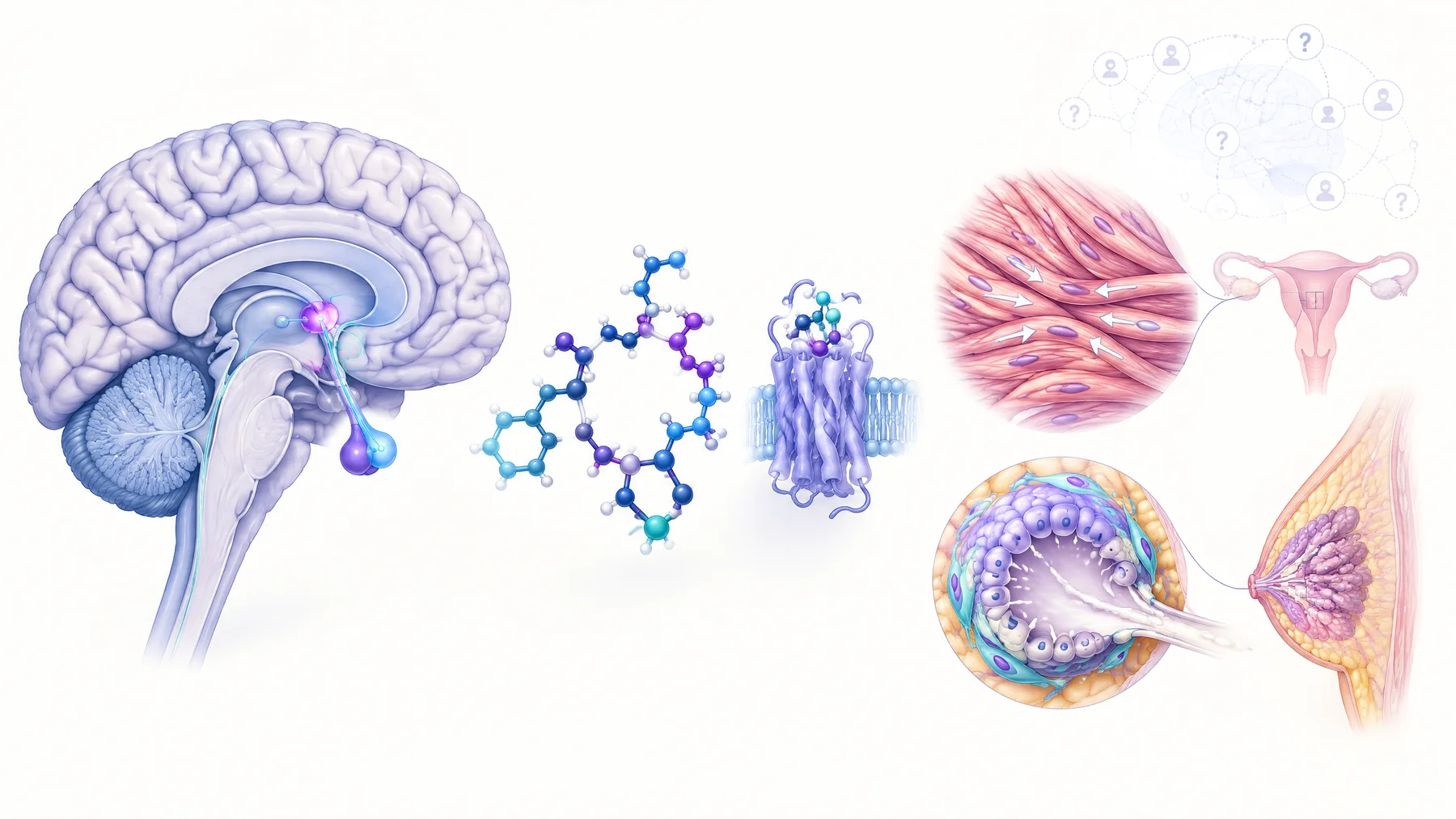
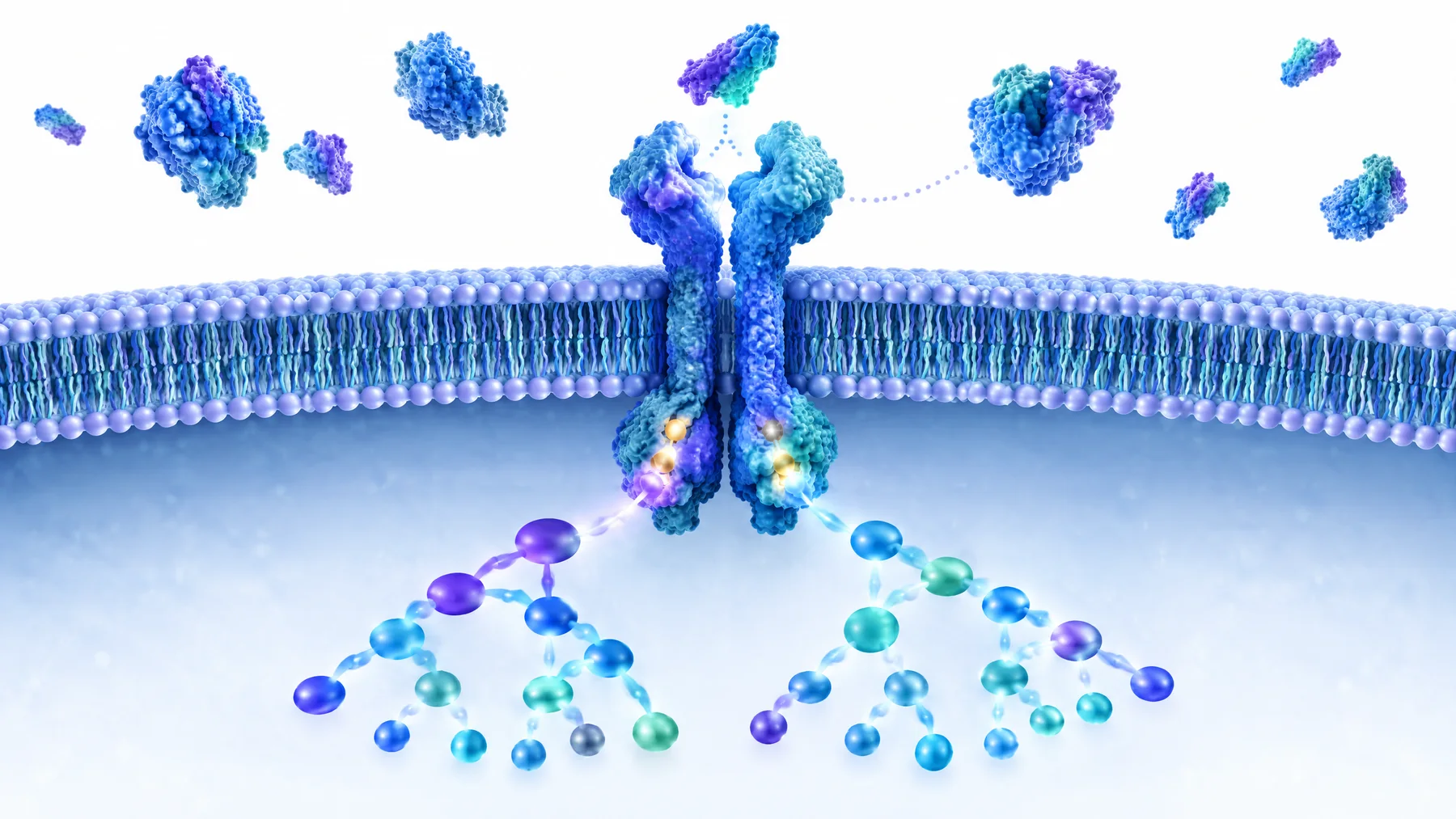
Kisspeptin is an endogenous peptide hormone system encoded by KISS1 that signals through the G-protein-coupled receptor KISS1R (also historically called GPR54). It is a peptide and a reproductive neuroendocrine signal—not a small molecule, topical cosmetic ingredient, glycoprotein hormone, or a validated multi-ingredient blend. Human experiments have used defined research preparations such as kisspeptin-54 and kisspeptin 112-121. Kisspeptin-54 in a supervised clinical study is a defined investigational intervention. A vial sold as ‘research use only’ is not an approved medicine merely because it bears the same peptide name; it does not establish regulator-reviewed identity, sterility, quality, indication, or a safe administration protocol.
Kisspeptin is a real endogenous peptide hormone with unusually strong biological evidence at the top of the reproductive axis. Controlled human studies show short-term stimulation of LH and FSH in defined settings, and early clinical studies have tested it in hypothalamic amenorrhoea, hyperprolactinaemia, IVF and low sexual desire. These are small, specialised, protocol-bound studies rather than a basis for self-directed fertility, testosterone, libido, performance or anti-ageing use. In Australia it should be treated as investigational unless a current, product-specific ARTG record says otherwise.
Kisspeptin is a peptide hormone, not a generic ‘peptide therapy’
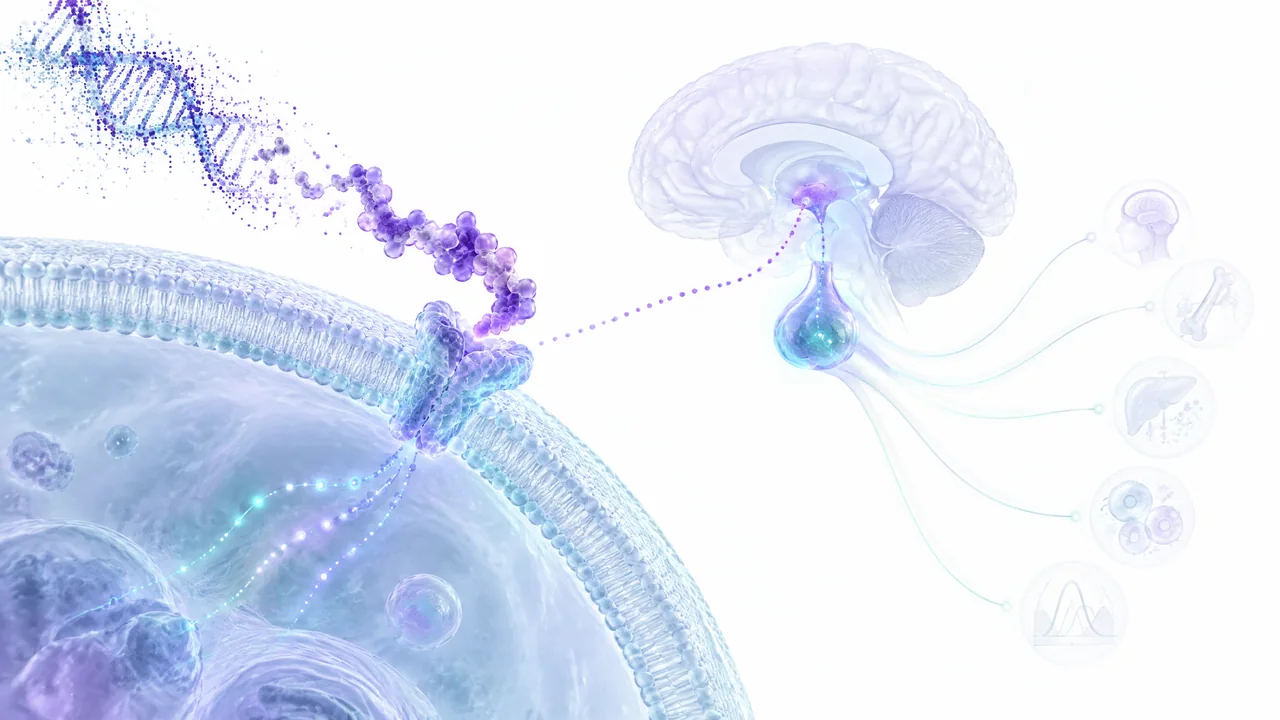
Kisspeptin refers to peptides produced from the KISS1 gene that activate KISS1R/GPR54. The 2003 human-and-mouse genetic study found inactivating GPR54 mutations in people with idiopathic hypogonadotropic hypogonadism and a corresponding reproductive phenotype in Gpr54-deficient mice. That work made the receptor pathway central to normal pubertal and reproductive physiology; it did not test purchased peptide vials as treatment. [9]
In human intervention research, the major circulating isoform kisspeptin-54 has been used most often, while a hyperprolactinaemia study used kisspeptin 112-121. Names, peptide lengths and delivery methods in papers therefore cannot be collapsed into one interchangeable product. A result with one investigational preparation in a monitored cohort does not validate another supplier’s material or an unsupervised use. [1] [3] [6]
Where it sits in the reproductive pathway
The best-supported endocrine role is upstream: kisspeptin activates KISS1R on the GnRH neuronal system, promoting GnRH output; GnRH then drives pituitary secretion of luteinising hormone (LH) and follicle-stimulating hormone (FSH). The genetic evidence and controlled human endocrine experiments support this hierarchy. They do not mean that an LH or testosterone rise automatically produces fertility, symptom relief or a desirable outcome in every person. [1] [9]
A small double-blind, placebo-controlled crossover study in six healthy men illustrates the acute endocrine effect. During a 90-minute intravenous kisspeptin-54 infusion, mean LH, FSH and testosterone concentrations were higher than during saline. This is direct short-term evidence in a very small healthy-male model, not a long-term testosterone-treatment trial. [1]
What model-specific reproductive studies found
In women with hypothalamic amenorrhoea, a prospective randomised, double-blind study assigned five women per group to twice-daily kisspeptin-54 or saline for two weeks. The first kisspeptin exposure sharply increased LH and FSH, but the response was much smaller by day 14; LH pulsatility and ultrasound measures of reproductive activity did not change significantly. This is evidence of desensitisation (tachyphylaxis) in that exact repeated-exposure experiment, not a general dosing rule. [2]
A separate proof-of-concept study enrolled 11 women with hyperprolactinaemia after medication washout. Repeated intravenous kisspeptin 112-121 increased the number of LH pulses and shortened the interval between them; 73% had an LH pulse within 30 minutes of the first dose. LH is a surrogate for GnRH secretion, the cohort was small, and hormone milieu differed between visits for two participants, so the result cannot establish a treatment outcome or long-term safety. [6]
IVF research is promising but is not routine fertility care
In a dose-escalation IVF study, 53 women received a single subcutaneous kisspeptin-54 injection after ovarian stimulation to trigger egg maturation. Mature eggs were observed at every study dose; 49 of 53 participants had fertilisation and embryo transfer, and 12 of 53 had a clinical pregnancy. The study demonstrates that kisspeptin-54 can trigger maturation in that IVF protocol, not that it improves natural fertility or is interchangeable with established IVF triggers. [3]
The IVF study did not use a placebo trigger because withholding a trigger could cause failed maturation, and participant numbers in individual dose groups were small. The investigators reported IVF/pregnancy complications including ectopic and heterotopic pregnancy and miscarriage, rather than attributing them to kisspeptin; they also noted an unexpectedly high tubal-pregnancy rate and called for larger safety studies. No ovarian hyperstimulation syndrome was reported in this 53-person study, but that is insufficient to establish comparative safety. [3]
Sexual-brain research: early signals, not an approved libido treatment
In a randomised, double-blind, crossover fMRI study of 29 healthy heterosexual young men, a 75-minute intravenous kisspeptin infusion changed limbic activity in response to sexual and couple-bonding images compared with vehicle. The study also reported correlations between brain responses and questionnaire measures. It tested an acute laboratory response in a narrow healthy cohort; correlations do not prove that kisspeptin treats mood, relationships or sexual dysfunction. [4]
A later single-centre crossover trial randomised 37 men with hypoactive sexual desire disorder (HSDD), with 32 completing both visits. Compared with placebo during visual sexual stimuli, kisspeptin-54 modulated sexual-processing brain activity, increased penile tumescence by up to 56%, and increased one participant-reported measure of happiness about sex. No side effects or adverse events were reported in this short trial, but its one-time monitored exposure, selected population and 32 completers leave efficacy durability, clinically meaningful benefit, wider applicability and rare harms unresolved. [5]
Risks and uncertainty belong beside the results
The absence of reported adverse events in a small, short research study is not evidence that a substance is broadly safe. In the HSDD trial there were no reported adverse events, while the IVF study reported five events that are recognised complications of IVF treatment and pregnancy and explicitly said larger studies were needed to define the full risk profile. The published evidence does not provide a universal adverse-effect rate, contraindication list, storage instruction or self-administration schedule. [3] [5]
Kisspeptin acts on a central reproductive-hormone pathway. Response varied by biological context: women with hypothalamic amenorrhoea developed tachyphylaxis under the study’s repeated regimen, whereas women with hyperprolactinaemia had increased LH pulsatility in a different protocol. That contrast is a practical warning against extrapolating one paper’s route, interval, dose or outcome to another diagnosis or to a non-medical goal. [2] [6]
Australian regulatory context and research vials
The TGA states that therapeutic goods not included in the Australian Register of Therapeutic Goods (ARTG) have not been assessed by it for safety, quality or effectiveness. Its public ARTG guidance says the register can be searched by product name, sponsor, active ingredient or ARTG number, and that—unless exempt—therapeutic goods outside the ARTG cannot be supplied in Australia. [7] [8]
No current kisspeptin approval should be inferred from a published human experiment, a foreign source, or an online ‘research use only’ listing. This review did not identify an accessible current ARTG kisspeptin medicine record; because registers change and exemptions/pathways exist, the defensible next step is a live, product-specific ARTG check and, where relevant, advice from the treating specialist or pharmacist—not a conclusion based on a research vial. [7] [8]
How to read a kisspeptin headline or study
First identify the exact model: healthy volunteers, hypothalamic amenorrhoea, hyperprolactinaemia, IVF participants and people with HSDD are not interchangeable populations. Next identify the endpoint: an LH pulse, fMRI blood-oxygen signal, egg maturation, embryo transfer, pregnancy and persistent patient-centred improvement answer different questions. The strongest claim is only the one measured in the population studied. [2] [3] [4] [5] [6]
Kisspeptin should also not be conflated with downstream reproductive medicines. In the IVF report, hCG was described as acting directly at the ovarian LH receptor, whereas kisspeptin was intended to stimulate the person’s own hypothalamic GnRH and then LH release. They are related to the same reproductive axis but have different targets, pharmacology and evidence bases. [3]
Questions readers ask
Is kisspeptin actually a peptide?
Yes. Kisspeptin is an endogenous peptide-hormone system encoded by KISS1 that signals through KISS1R/GPR54. Research has tested defined peptide forms, including kisspeptin-54 and kisspeptin 112-121. [1] [6] [9]
Is kisspeptin an approved medicine in Australia?
This review did not locate a current kisspeptin medicine approval or ARTG entry in accessible public TGA material. The ARTG is the appropriate live, product-specific source; published trials and research-supplier listings do not establish Australian approval. [7] [8]
Does kisspeptin raise testosterone?
In one six-man, short intravenous-infusion crossover study, kisspeptin-54 increased circulating LH, FSH and testosterone compared with saline. That acute endocrine result does not establish a testosterone-treatment protocol, a durable effect or benefit for people with different causes of low testosterone. [1]
Can kisspeptin treat low sexual desire?
A single-centre crossover trial in 32 completing men with HSDD found acute changes in sexual-processing brain activity, penile tumescence and selected questionnaire measures during supervised infusion. It is early investigational evidence, not proof of long-term effectiveness or an approved treatment. [5]
Can a research-supplier vial be treated as the same thing as the study drug?
No. A clinical study evaluates a defined investigational preparation under a protocol with screening and monitoring. A research-supplier vial does not itself establish regulator-reviewed quality, sterility, identity, indication, or a validated route, dilution, storage method or schedule. [3] [5] [7] [8]
What remains uncertain
The evidence base is biologically coherent but clinically immature. The controlled endocrine study in healthy men had six participants; the HSDD trial had 32 completers after one acute infusion per condition; the hyperprolactinaemia study had 11 participants and used LH as a surrogate for GnRH; and the IVF study was an early non-placebo, dose-escalation design with small dose groups. Study preparations, routes, populations and endpoints differ, including kisspeptin-54 versus kisspeptin 112-121. None establishes an unsupervised administration schedule, universal dilution or storage method, long-term safety profile, or a general treatment effect for fertility, libido, testosterone, body composition or healthy ageing. Australian product status must be determined from a current product-specific ARTG search rather than from these studies or research-supplier listings.
References and further reading
- [1] Kisspeptin-54 stimulates the hypothalamic-pituitary gonadal axis in human males. Double-blind, placebo-controlled, random-order crossover study in six healthy male volunteers; 90-minute intravenous kisspeptin-54 versus saline infusion.
- [2] Subcutaneous injection of kisspeptin-54 acutely stimulates gonadotropin secretion in women with hypothalamic amenorrhea, but chronic administration causes tachyphylaxis. Prospective randomised, double-blind, parallel study in women with hypothalamic amenorrhoea (five per treatment group) receiving twice-daily subcutaneous kisspeptin-54 or saline for two weeks.
- [3] Kisspeptin-54 triggers egg maturation in women undergoing in vitro fertilization. Single-centre dose-escalation clinical IVF study of 53 women given one subcutaneous kisspeptin-54 trigger after controlled ovarian stimulation; no placebo trigger.
- [4] Kisspeptin modulates sexual and emotional brain processing in humans. Randomised, double-blind, two-way crossover, placebo-controlled fMRI study in 29 healthy heterosexual young men receiving 75-minute intravenous kisspeptin or vehicle infusions.
- [5] Effects of Kisspeptin on Sexual Brain Processing and Penile Tumescence in Men With Hypoactive Sexual Desire Disorder: A Randomized Clinical Trial. Single-centre UK double-blind, placebo-controlled, two-way crossover trial; 37 men with HSDD randomised and 32 completed two intravenous-infusion visits at least seven days apart.
- [6] Kisspeptin Overcomes GnRH Neuronal Suppression Secondary to Hyperprolactinemia in Humans. Within-participant proof-of-concept study in 11 women with hyperprolactinaemia: a baseline 12-hour frequent-sampling visit and a second 12-hour visit with hourly intravenous kisspeptin 112-121 boluses.
- [7] Unapproved therapeutic goods. TGA consumer and regulatory guidance on therapeutic goods not included in the ARTG.
- [8] Searching the Australian Register of Therapeutic Goods (ARTG). TGA guidance describing the publicly accessible ARTG and its search fields.
- [9] The GPR54 Gene as a Regulator of Puberty. Complementary human pedigree/candidate-gene analysis, in-vitro receptor-function experiments and Gpr54-deficient mouse phenotyping.