What is hCG (human chorionic gonadotrophin/gonadotropin)?
hCG is an endogenous placental glycoprotein hormone, not a conventional short peptide. It is a heterodimer with alpha and beta subunits and acts at the luteinising hormone/choriogonadotropin receptor (LHCGR). Prescription preparations include urinary-derived hCG and recombinant choriogonadotropin alfa; they are regulated fertility medicines in specified contexts, not interchangeable with unverified research-only supplier vials.
Human chorionic gonadotrophin (hCG) is best understood as a glycoprotein gonadotrophin hormone rather than a generic ‘peptide’. In clinical fertility care it can mimic key luteinising-hormone actions, helping trigger final follicular maturation, ovulation and luteinisation after follicular stimulation. Australia has regulated product pathways and current shortage-related Section 19A supply records for named hCG products, but that does not validate anonymous or ‘research-use’ vials. Human trials support product-specific use in selected infertility settings; they do not establish a universal protocol or support weight-loss claims. Its most important safety issues in ovarian stimulation include ovarian hyperstimulation syndrome, multiple gestation risk and thromboembolic complications, so monitoring and specialist oversight are central to appropriate use.
Identity: a hormone, not a generic peptide vial
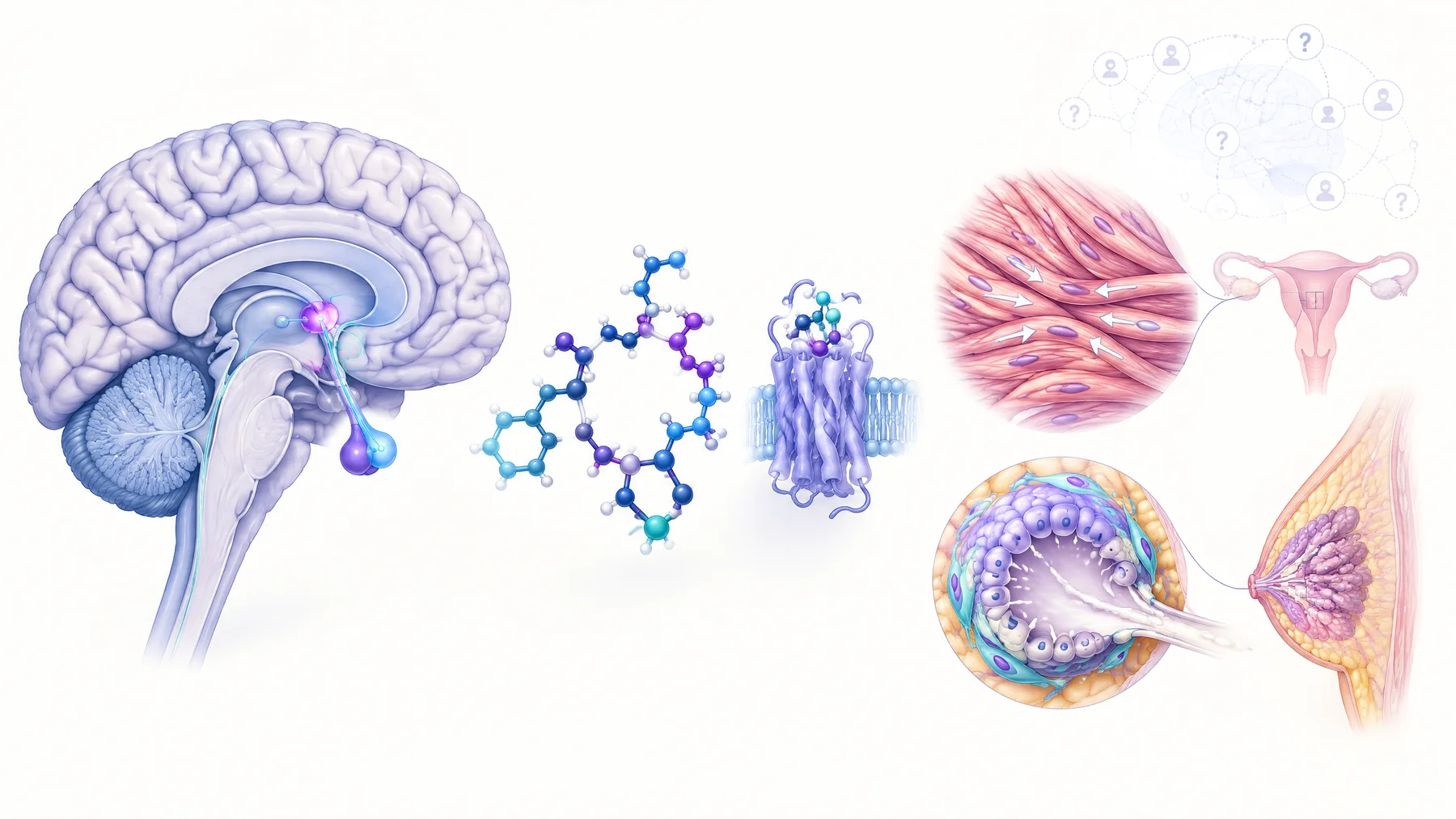
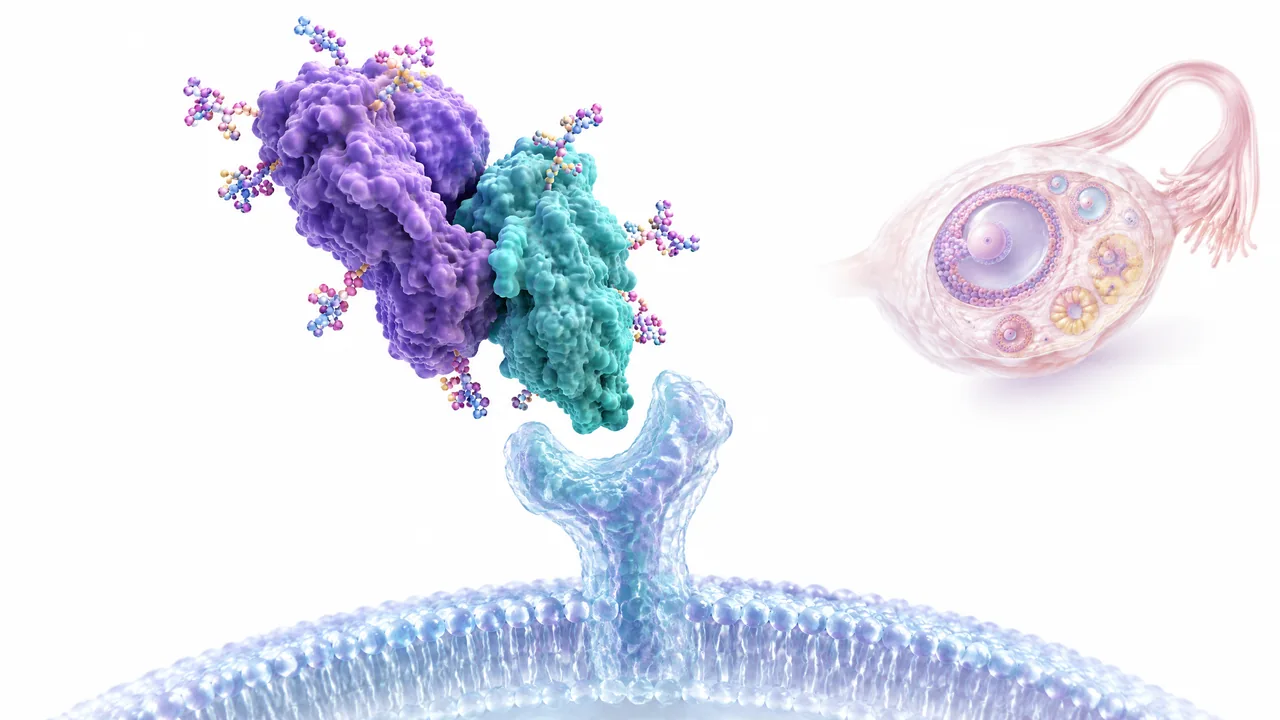
hCG is the hormone made by the human placenta and is often called the pregnancy hormone. It is a glycoprotein gonadotrophin composed of alpha and beta subunits, rather than a short synthetic peptide. The alpha subunit is closely shared with several pituitary glycoprotein hormones, while the beta subunit provides distinguishing sequence features. In reproductive medicine, hCG can substitute for key luteinising-hormone-like actions at the LH/CG receptor. This biological identity is why an hCG result also matters in pregnancy testing; it is not evidence that every product marketed under an hCG label has the same quality or approved use. [8]
There are materially different clinical product types. Urinary hCG is purified from pregnancy urine, whereas choriogonadotropin alfa is recombinant hCG made in engineered cells; OVIDREL’s Australian product information identifies the latter as recombinant hormone made in Chinese hamster ovary cells. These are not merely branding differences: presentation, authorised indication, route, instructions for use and product controls are formulation-specific. hMG is a different gonadotrophin medicine used to stimulate follicular growth before an hCG trigger in some protocols; it should not be conflated with hCG or described as an hCG ‘blend’. [1] [8] [9]
Molecular pathway: shared receptor, non-identical signalling
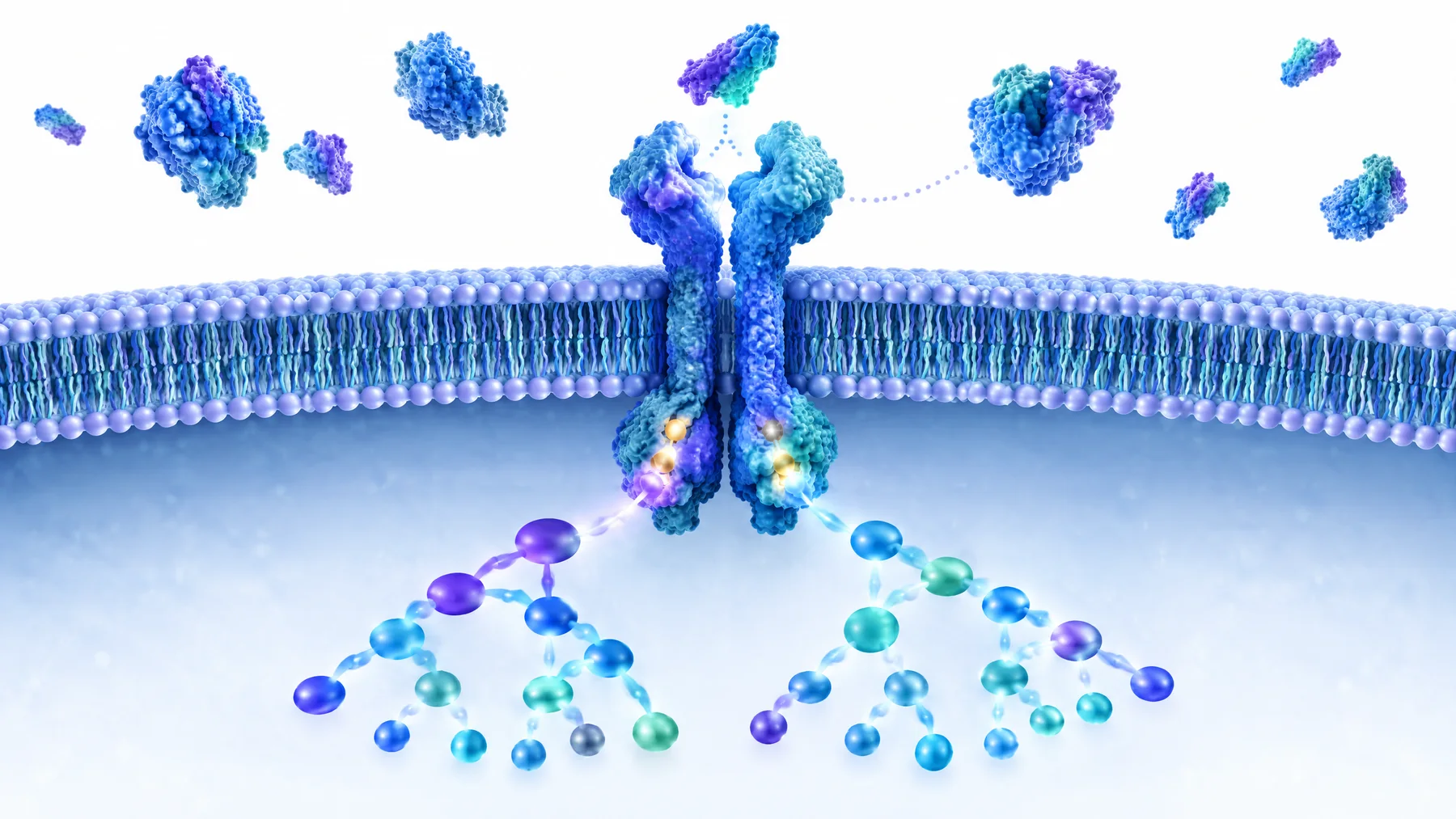
hCG and luteinising hormone (LH) act through the same LHCGR, a G-protein-coupled receptor, but they should not be assumed to be molecularly interchangeable. In cultured receptor-expressing cells and primary human granulosa cells, Casarini and colleagues found greater hCG potency for cAMP signalling, while LH gave more potent or sustained ERK1/2 and AKT signalling under their experimental conditions. Progesterone secretion rose during continued exposure in the granulosa-cell experiments. These are mechanistic observations from defined cell models, not proof that one hormone is clinically superior in every fertility setting. [4]
A separate real-time signalling study using HEK293 cells expressing human LH/CGR and a mouse Leydig tumour-cell line similarly found that recombinant hCG was more potent than recombinant LH for the measured responses, while LH showed partial effects on beta-arrestin recruitment and progesterone production relative to hCG. The authors characterised this as biased agonism. The exact models matter: transformed cell lines, recombinant ligands and short-term intracellular read-outs cannot by themselves determine pregnancy, live-birth, testosterone or adverse-event outcomes in people. [7]
What human evidence supports in fertility care
The strongest clinical evidence is product- and indication-specific. The Ovidrel label describes Study 8209, a double-blind, randomised, multicentre single-cycle comparison in anovulatory infertile women. Of 242 enrolled participants, 99 received recombinant choriogonadotropin alfa 250 micrograms; the reported ovulation rate in that group was 91.9%, and the label judged the product clinically and statistically equivalent to the comparator urinary hCG for the trial’s primary ovulation outcome. These figures describe a selected, monitored trial population and should not be converted into a personal probability of pregnancy. [5]
In a prospective, single-centre, open-label randomised trial of 180 selected women undergoing ICSI, Madani et al. compared urinary hCG with two recombinant-hCG study doses after a standard stimulation protocol. The 500-microgram recombinant group had a higher retrieved-oocyte-per-aspirated-follicle ratio than the 250-microgram recombinant group (77.16% versus 69.84%; P=0.04). Retrieved and mature oocyte counts, fertilisation, implantation, chemical pregnancy, clinical pregnancy and OHSS rates did not significantly differ across the three groups. The trial excluded, among others, people with polycystic ovary syndrome or poor ovarian response, was powered around an intermediate retrieval outcome rather than live birth, and does not supply a universal regimen. [3]
An adjunct claim that did not translate in one blastocyst-transfer trial
hCG’s role in early pregnancy biology has prompted interest in giving it into the uterus before embryo transfer. That rationale is not the same as proven benefit. In a prospective randomised study of fresh autologous day-5 blastocyst transfers, Wirleitner et al. compared intrauterine hCG with culture-medium control either two days before transfer or immediately before transfer. Across 182 cycles in one cohort and 1,004 in the other, there was no statistically significant improvement in pregnancy or live-birth outcomes, including after stratification by blastocyst quality and maternal age. [10]
The negative result is specific to the intervention timing, fresh blastocyst-transfer setting and study population; it does not settle every research question about implantation. Conversely, it means cell signalling, placental biology or a positive result in a different subgroup must not be presented as evidence that intrauterine hCG improves live birth generally. The authors’ primary outcomes included live birth, which is more clinically meaningful than a biomarker or implantation signal alone. [10]
Risks, contraindications and why monitoring matters
In ovarian stimulation, the principal serious risk is ovarian hyperstimulation syndrome (OHSS), which is distinct from uncomplicated ovarian enlargement. Official product information describes increased vascular permeability with potentially rapid fluid accumulation, and severe cases can involve respiratory distress or thromboembolic events. OVIDREL’s Australian information reports OHSS in 4 of 236 patients in its ART clinical trials and 3 of 99 in its ovulation-induction trial; these trial proportions should not be treated as a fixed personal risk because ovarian response and patient factors differ. [1]
Labels also warn about multiple gestation, ovarian torsion, ectopic pregnancy in assisted-reproduction populations, hypersensitivity, injection-site reactions and, in relevant patients, pulmonary or vascular complications. Urinary hCG labelling notes fluid retention and occasional gynaecomastia in males, consistent with stimulated androgen production. Contraindications and precautions vary by product but include examples such as primary ovarian failure, certain hormone-dependent tumours, unexplained bleeding or cyst/enlargement, uncontrolled endocrine disease and active thromboembolic disorders. These are reasons for individual clinical assessment, not a checklist for self-treatment. [1] [8]
Weight loss and body-composition claims
hCG is sometimes promoted outside fertility medicine for dieting or ‘fat targeting’. That claim conflicts with the official Pregnyl label, which states that hCG has no known effect on fat mobilisation, appetite, hunger, body-fat distribution, or additional weight loss beyond calorie restriction. Therefore, a biologically active reproductive hormone should not be reframed as a general metabolic treatment on the basis of anecdote, product marketing or a pregnancy-hormone narrative. [8]
A key reading rule is to separate an endpoint from a claim. Ovulation after monitored follicular stimulation, a laboratory cAMP signal, and an individual’s scale weight answer different questions. A claim of fat loss would require appropriately controlled human body-composition and safety data for that purpose; the fertility trials and product labels discussed here do not provide it. [3] [5] [8]
Australian regulatory context: named medicines, not a blanket approval
For Australia, the relevant question is the particular medicine and supply pathway, not whether the letters ‘hCG’ appear on a vial. The TGA currently lists a Section 19A-approved US OVIDREL pre-filled syringe as a shortage-related supply arrangement through 31 October 2027, linked to the unavailable Australian OVIDREL pre-filled pen (ARTG 170446). The listed indications are final follicular maturation and luteinisation in IVF-related superovulation, and ovulation/luteinisation in anovulatory or oligo-ovulatory women after follicular-growth stimulation. Section 19A status is a defined shortage pathway; it is not a general approval of every hCG product or use. [2]
The TGA also lists Choriomon 5,000 IU, a urinary hCG powder-and-solvent product, under a current Section 19A approval through 31 August 2027 due to shortage of a named Pregnyl product. Its TGA record lists female anovulatory infertility and selected male uses including hypogonadotrophic hypogonadism and deficient spermatogenesis. These records show that hCG can be supplied as regulated prescription medicine in defined circumstances. They do not validate online ‘research use only’ vials, compounded look-alikes, cosmetic products, or non-labelled routes and indications; identity alone does not establish sterile manufacture, potency, quality or legal supply status. [6] [8]
How to read an hCG study without overreaching
Start with the formulation and model. Recombinant choriogonadotropin alfa, urine-derived hCG, LH, hMG and an unregulated vial are not automatically interchangeable. Next, identify the population: the ICSI comparison enrolled primary infertile women aged 20–37 years with normal ovarian reserve and excluded PCOS and poor responders, whereas the labelled ovulation-induction study involved anovulatory infertility. A result from either group does not automatically apply to men, pregnancy maintenance, people seeking weight loss, or a different assisted-reproduction protocol. [3] [5]
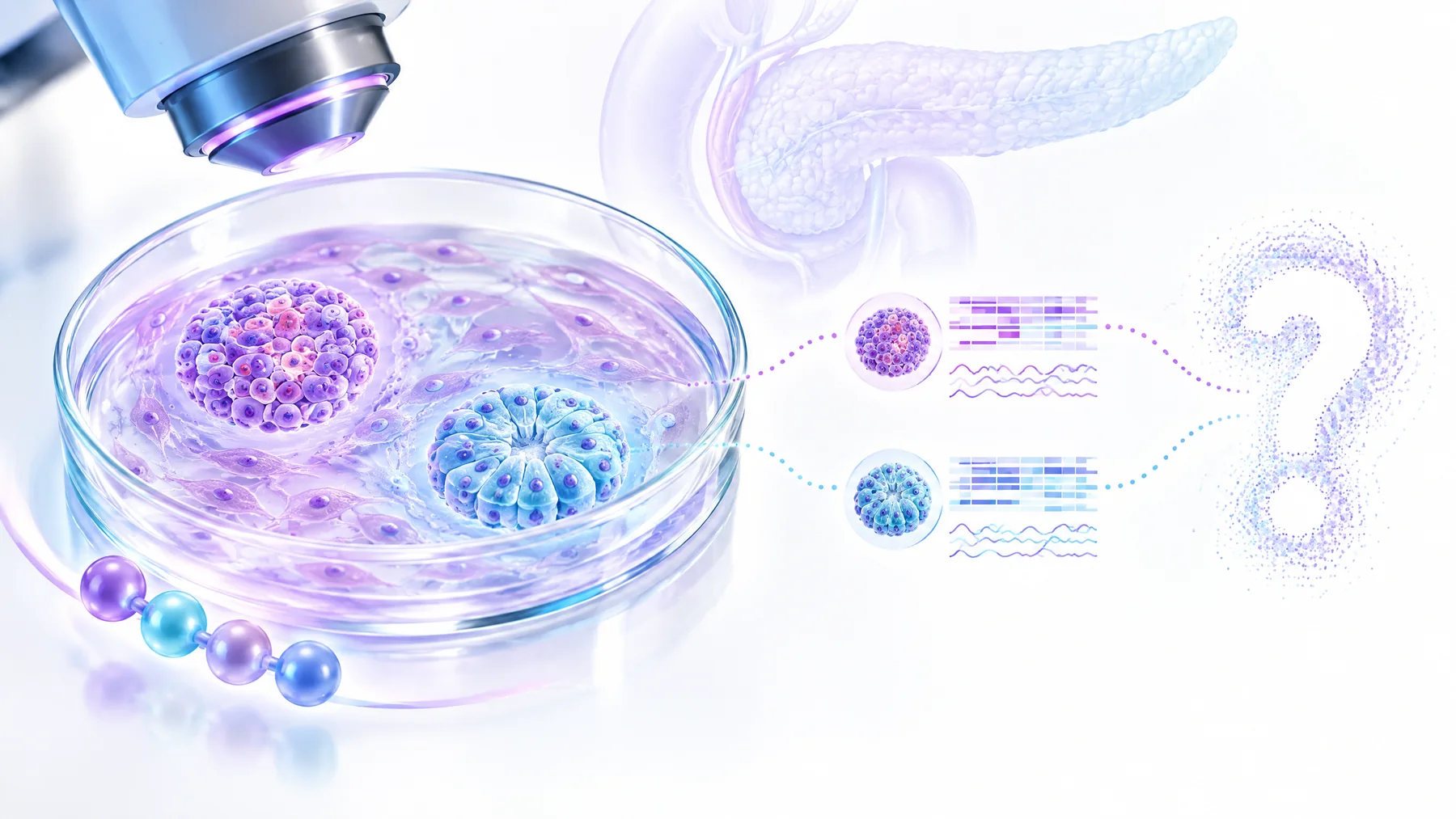
Then prioritise patient-important outcomes and study limitations. Cell studies can establish receptor-linked signals but not clinical benefit. A randomised study can test causation in its own setting, yet may still be single-centre, open-label, short-term or underpowered for live birth or rare harms. Regulator labels add indispensable information on contraindications and adverse events, but are not evidence for unlisted uses. For any actual treatment decision, the relevant product information and fertility specialist’s plan take precedence over internet dosing charts or extrapolated ‘protocols’. [1] [3] [4] [10]
Questions readers ask
Is hCG a peptide?
Not in the usual short-peptide-drug sense. hCG is a placental glycoprotein gonadotrophin with alpha and beta subunits. Calling it simply a peptide obscures its hormone biology, glycoprotein structure and product-specific regulation. [8]
Is hCG an approved medicine in Australia?
Named hCG medicines have regulated Australian pathways for defined fertility indications. Current TGA records include shortage-related Section 19A approvals for specified OVIDREL and Choriomon products. That does not amount to approval of all hCG vials, all formulations, or all uses promoted online. [2] [6]
Does hCG work for weight loss?
An official urinary-hCG label states that hCG has no known effect on fat mobilisation, appetite, hunger, body-fat distribution, or weight loss beyond caloric restriction. The fertility evidence base should not be used to infer a body-composition benefit. [8]
Are recombinant and urinary hCG the same medicine?
They share hCG-like clinical activity but differ in source and presentation: urinary products are purified from pregnancy urine, while choriogonadotropin alfa is recombinant. Comparative trials can inform specific settings, but do not make them universally interchangeable or justify copying a study protocol. [1] [3] [8]
Why is hCG used after FSH or hMG stimulation in some fertility treatments?
After monitored follicular growth, hCG can provide LH-like receptor stimulation to trigger final follicular maturation and luteinisation. This is a specialist-managed use because the ovarian response, timing, contraindications and risk of OHSS or multiple gestation must be assessed for the individual. [1] [5] [9]
What remains uncertain
This record is educational, not a prescribing guide. It uses official product information and primary studies but does not exhaust all hCG literature or determine access, scheduling, suitability or treatment for an individual. Regulatory supply records are time-sensitive and product-specific. The mechanistic studies are in vitro; the clinical trials involve selected infertility populations and differing formulations, co-interventions and endpoints. No universal dose, dilution, storage method, route or schedule can be inferred from this record, and no conclusion about an unregulated or research-only vial follows from evidence on named regulated medicines.
References and further reading
- [1] Australian Product Information – OVIDREL (choriogonadotropin alfa (rch)) solution for injection pre-filled syringe. Regulator-aligned sponsor product information; includes clinical-trial safety and efficacy summaries, not a primary study report
- [2] OVIDREL choriogonadotropin alfa 250 mcg / 0.5mL solution for injection pre-filled syringe (USA). TGA Section 19A shortage-supply approval record
- [3] Comparing the efficacy of urinary and recombinant hCG on oocyte/follicle ratio to trigger ovulation in women undergoing intracytoplasmic sperm injection cycles: a randomized controlled trial. Prospective, single-centre, open-label, parallel randomised controlled trial; 180 selected primary-infertility ICSI participants
- [4] LH and hCG Action on the Same Receptor Results in Quantitatively and Qualitatively Different Intracellular Signalling. In-vitro receptor-expressing COS-7 and hGL5 cells plus primary human granulosa-cell experiments
- [5] OVIDREL (choriogonadotropin alfa) injection, solution. Official label reporting a double-blind, randomised, multicentre ovulation-induction study and safety information
- [6] CHORIOMON 5000 I.E gonadotropinum chorionicum (hCG, human chorionic gonadotropin) freeze-dried powder and solvent for the preparation of the solution for injection (Switzerland). TGA Section 19A shortage-supply approval record
- [7] Human Luteinizing Hormone and Chorionic Gonadotropin Display Biased Agonism at the LH and LH/CG Receptors. Real-time BRET/FRET and reporter-assay experiments in HEK293 cells expressing human LH/CGR and mouse Leydig tumour cells
- [8] Pregnyl (chorionic gonadotropin) for injection. Official product label; no single primary-study design
- [9] Ovitrelle. EMA authorisation overview summarising clinical development; 1,140 fertility-treatment participants described
- [10] Intrauterine administration of human chorionic gonadotropin does not improve pregnancy and life birth rates independently of blastocyst quality: a randomised prospective study. Prospective randomised study of fresh autologous day-5 blastocyst-transfer cycles; cohorts of 182 and 1,004 cycles