What is Gonadorelin?
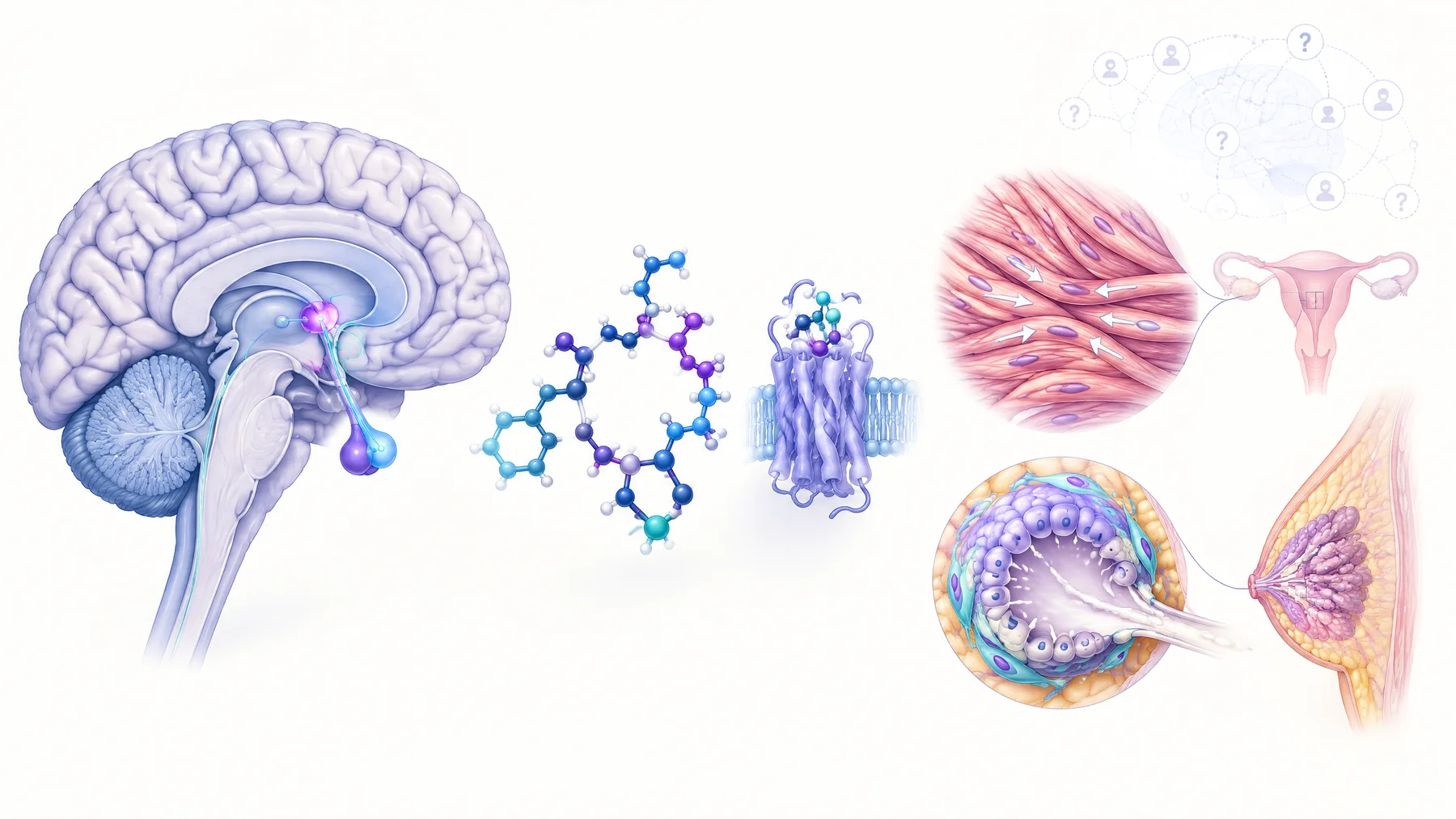
Gonadorelin is a synthetic decapeptide version of gonadotropin-releasing hormone (GnRH), the hypothalamic peptide signal that acutely stimulates pituitary luteinising hormone (LH) and follicle-stimulating hormone (FSH) release. It is a peptide hormone signal, not a bodybuilding supplement, small molecule, topical ingredient, glycoprotein hormone, or pre-mixed ‘peptide blend’. A named medicine or veterinary product has a defined regulator-reviewed formulation and indication. An online ‘research’ vial is not thereby an approved formulation, and a cattle-only gonadorelin product must not be represented as a human medicine.
Gonadorelin is a real peptide hormone analogue with a well-characterised acute pituitary effect, but its evidence is condition-specific. Human studies support supervised GnRH stimulation testing and specialist pulsatile treatment in selected congenital hypogonadotropic hypogonadism (CHH); they do not establish an unsupervised, general-purpose hormone, fertility, performance, or anti-ageing protocol.
What gonadorelin is — and what it is not
Gonadorelin is synthetic GnRH (also called luteinising-hormone-releasing hormone). It is a ten-amino-acid peptide; an official US animal-drug label describes an identical amino-acid sequence to endogenous gonadorelin and the expected release of LH and FSH from the anterior pituitary. That identity matters: the immediate target is the pituitary, not the gonad directly. [5]
This is not interchangeable with hCG or HMG. In the CHH comparative study, pulsatile gonadorelin was used to stimulate the person’s pituitary, whereas the alternative was cyclical treatment with hCG/HMG, which supplies gonadotropin activity by a different therapeutic route. Nor is gonadorelin the same as a long-acting GnRH agonist such as triptorelin; the latter has distinct pharmacology despite sharing a receptor pathway. [1] [3]
The molecular pathway: an acute signal, not a promise of a clinical outcome
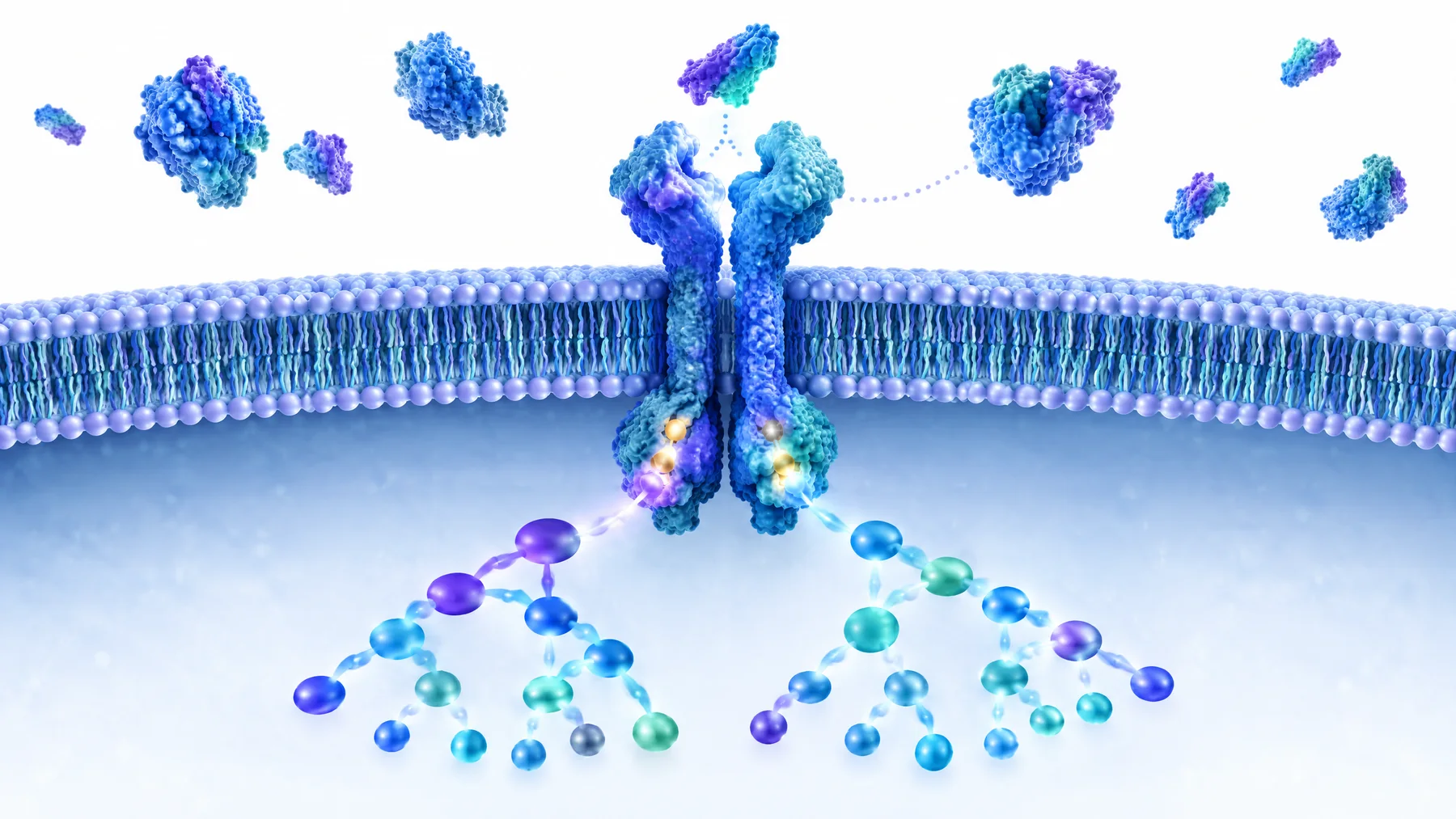
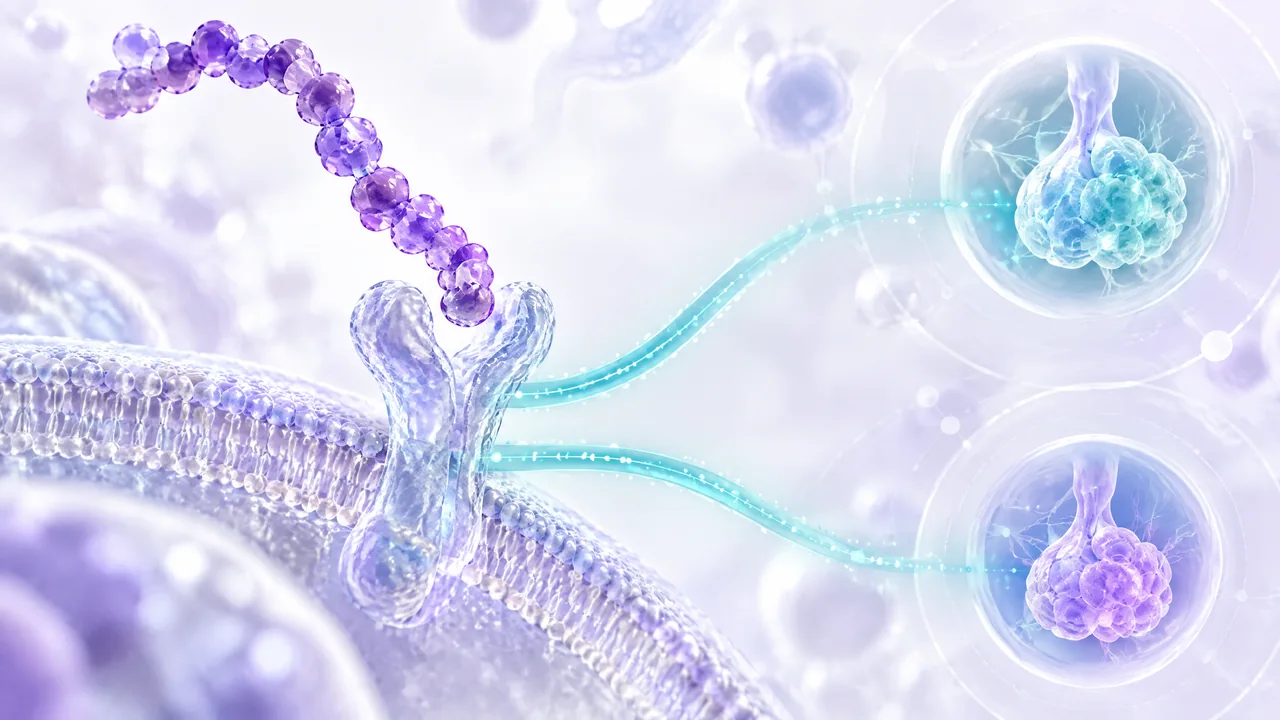
GnRH binds GnRH receptors on pituitary gonadotroph cells and stimulates LH and FSH synthesis and release. In a retrospective human diagnostic cohort of 67 men with secondary hypogonadism or related pituitary/hypothalamic presentations, an intravenous gonadorelin test was followed by a significant overall rise in both LH and FSH. This is direct human evidence for the acute endocrine response, not evidence that the same exposure will restore fertility or raise sex hormones in every setting. [2]
Endocrine response depends on the state of the hypothalamus, pituitary and gonads. The same study reported that the FSHB -211 G>T genotype modified the observed FSH/LH response pattern, while the authors cautioned that the data were retrospective and included only four TT carriers. A stimulation result therefore belongs in a specialist assessment rather than being read as a stand-alone diagnosis or a self-treatment guide. [2]
Human evidence in diagnostic testing
Gonadorelin is used in stimulation-test research to assess activation or responsiveness of the hypothalamic–pituitary–gonadal axis. In the 2021 German retrospective cohort, 67 men underwent a standardised gonadorelin acetate test with blood sampling before and after the test; both LH and FSH increased overall. The study’s specific question was genetic variation in test response, not a trial of symptom treatment, sexual function, muscle gain or routine fertility care. [2]
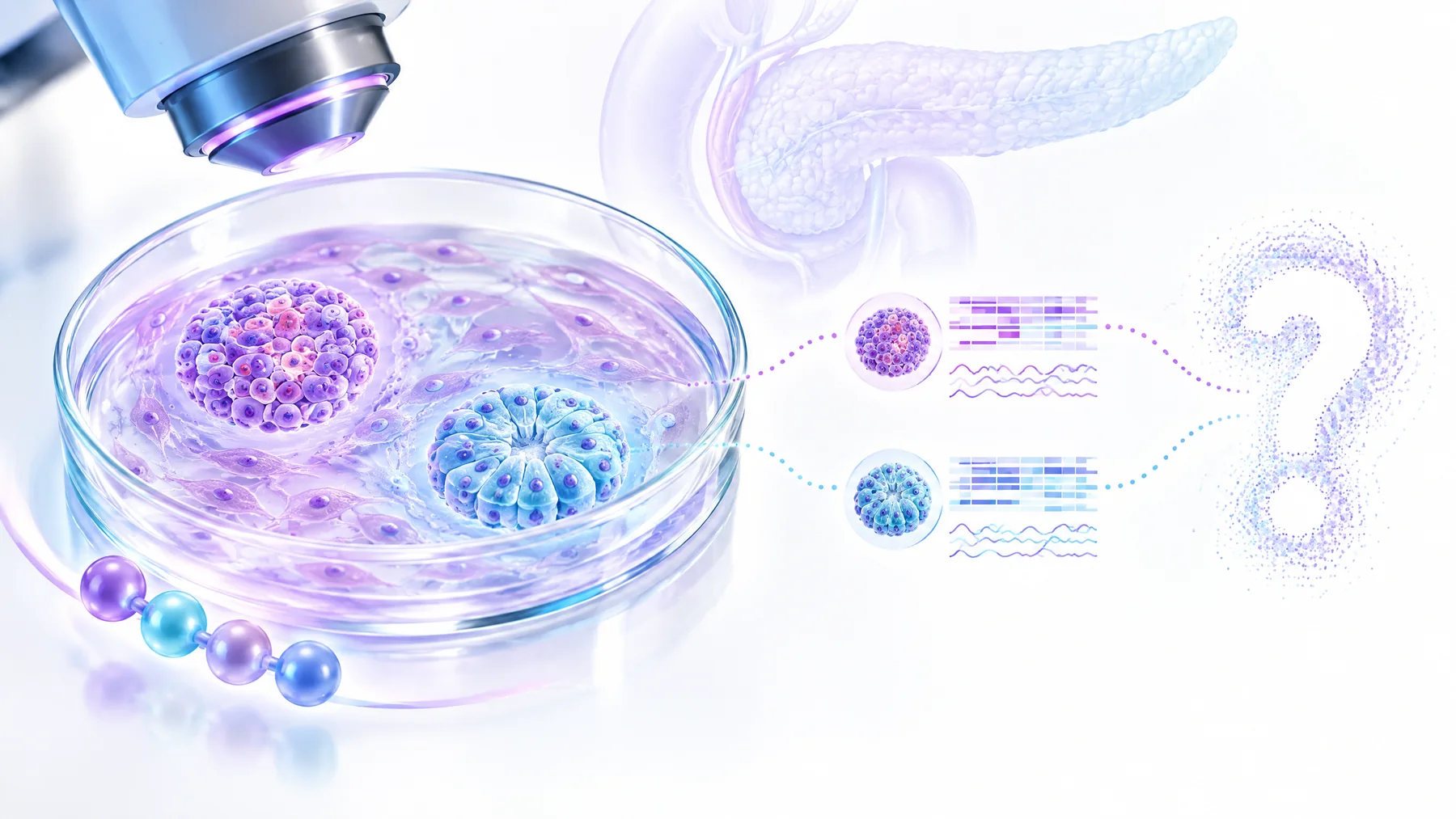
A separate 2024 Korean retrospective study evaluated 50 girls aged 7–8 years receiving a gonadorelin stimulation test during assessment of premature thelarche, alongside a matched-but-separate group of 50 receiving triptorelin. Peak LH occurred at 60 minutes in the gonadorelin group; 10 of 50 were classified as having central precocious puberty under that study’s diagnostic definition. This supports the test’s clinical-research context, but it does not validate a universal cut-off, route, or protocol outside the laboratory and population studied. [3]
Specialist fertility evidence: congenital hypogonadotropic hypogonadism
The strongest treatment-oriented primary evidence located here concerns azoospermic men with CHH, a rare condition in which deficient hypothalamic GnRH signalling contributes to low gonadotropins, delayed or absent puberty and infertility. In an open-label prospective Chinese study, 28 men aged 16–34 chose either a pulsatile gonadorelin pump (n=10) or a cyclical hCG/HMG regimen (n=18); the pre-specified endpoint was time to a low threshold of detectable spermatogenesis, not a general wellness outcome. [1]
The pump group reached the study’s spermatogenesis endpoint earlier (median 6 versus 14 months; log-rank p=0.01). Spermatogenesis occurred in 9/10 and 15/18 participants respectively, but the between-group rate comparison was not conclusive and the authors reported very low power for their non-inferiority analysis. The result is promising for this specialist CHH model, not a transferable regimen for people with normal pituitary function, other causes of infertility, or non-fertility goals. [1]
Interpretation is constrained by the design: participants selected their treatment, prior hormonal treatment differed between groups, the sample was small, and the pump group’s greater motivation could have affected the result. The authors also lacked complete later sperm-concentration data for people who stopped follow-up after sperm appeared or pregnancy occurred. [1]
Risks and uncertainty
Gonadorelin changes a central reproductive-hormone pathway, so its risks cannot be reduced to a vial’s peptide mass. In the small CHH pump study, 9 of 10 pump participants reported red induration at the needle site and one had a micro-abscess; these observations concern that pump setting and cannot provide a general adverse-event rate for other formulations or uses. [1]
The diagnostic literature also illustrates why results require context. The 67-person genetic-response study was retrospective and had only four TT-genotype participants. The paediatric comparison was retrospective, used two different participant groups rather than testing both agents in the same girls, and used different sampling intervals. Neither study establishes long-term safety or efficacy for off-label self-administration. [2] [3]
There is no evidence in the studies reviewed for a universal dilution method, storage rule, dosing schedule, route, cycling plan or combination protocol. Product-specific instructions, where a lawfully supplied product exists, are not interchangeable with a research paper; blending gonadorelin with other hormones or peptides has no validated combined protocol in the evidence assessed here. [1] [5] [6]
Australian regulatory context and product identity
In Australia, the ARTG is the public database for therapeutic goods that can be legally supplied and is the appropriate product-specific source for formulation, sponsor and available medicine information. The public ARTG material reviewed explains the register and its search function, but did not itself substantiate a current Australian gonadorelin product entry; that is an evidence gap, not proof of absence or approval. [6]
Overseas records must be read precisely. The US FDA orphan-drug database records historical marketing approval of gonadorelin acetate (Lutrepulse) in 1989 for induction of ovulation in women with hypothalamic amenorrhoea due to deficient or absent endogenous GnRH pulse signalling. That historical US record does not establish current Australian registration, availability, suitability for another condition, or equivalence to an online vial. [4] [6]
The current US Factrel label is explicitly a prescription animal-drug label for cattle only and says ‘not for human use’. Its cattle indication and formulation should never be used as human dosing, storage, safety or supply advice. [5]
How to read gonadorelin studies without overextending them
First identify the model. A short stimulation test asks whether LH/FSH change after a controlled challenge; it does not test chronic treatment benefit. The CHH pump study instead studied a rare, carefully diagnosed infertility population with intact enough pituitary responsiveness to pursue pulsatile treatment. Diagnostic response, sperm appearance and a live-birth outcome are different endpoints. [1] [2] [3]
Then examine comparison and bias. The CHH study compared two active specialist approaches but was non-randomised and participant-selected. The paediatric study compared gonadorelin and triptorelin in separate retrospective groups. Such designs can be informative, but they do not demonstrate that one product, route or protocol is universally superior. [1] [3]
Finally, separate a hormone measurement from a patient-centred result. The acute rise in LH/FSH is established physiology. Whether that translates into ovulation, spermatogenesis, puberty assessment or another clinical outcome depends on diagnosis, baseline function, companion treatment and supervised monitoring—variables that cannot be reconstructed from a supplier description. [1] [2] [4]
Comparison with related substances
Gonadorelin is a peptide signal that acts upstream at the pituitary. hCG and HMG are gonadotropin preparations used downstream in fertility care; the CHH study’s comparator was a cyclical hCG/HMG regimen, not a gonadorelin ‘blend’. Their differing positions in the axis mean that claims, monitoring needs and adverse effects cannot be copied across products. [1]
Triptorelin is a GnRH agonist, not simply another name for gonadorelin. The paediatric study explains that a single agonist exposure can give an acute LH/FSH flare, whereas continuous GnRH-agonist stimulation can desensitise the pituitary; this pharmacologic distinction is central to why long-acting agonists are used in different clinical contexts. [3]
Questions readers ask
Is gonadorelin actually a peptide?
Yes. Gonadorelin is synthetic GnRH, a decapeptide with the same amino-acid sequence described for endogenous gonadorelin in the official label cited here. [5]
Is gonadorelin an approved medicine in Australia?
This review did not verify a current Australian ARTG gonadorelin entry. The ARTG is the product-specific source for lawful Australian supply, and historical US approval or a veterinary label cannot answer Australian registration or availability. [4] [6]
Does gonadorelin directly replace hCG or HMG?
No. In the CHH study, gonadorelin stimulated the pituitary in a pulsatile model, while hCG/HMG formed a separate gonadotropin-treatment comparator. They are related to the same reproductive axis but are not interchangeable products. [1]
What is the best-supported human use in the evidence reviewed?
The clearest evidence is controlled GnRH stimulation testing of pituitary–gonadal-axis function, with specialist pulsatile treatment evidence in selected people with CHH. The studies do not support broad self-treatment claims. [1] [2] [3]
Can a research-supplier vial be treated as a medicine?
No. A research-supplier vial does not establish identity, quality, sterility, approved indication or lawful supply. The Factrel product cited here is specifically a cattle-only US prescription animal drug, and Australian product status must be checked in the ARTG. [5] [6]
What remains uncertain
The treatment-oriented primary evidence identified is concentrated in rare, diagnosed CHH and should not be extrapolated to people without that condition.
The three key human studies are small or retrospective; the CHH comparison was non-randomised and participant-selected, the genetic-response study had only four TT carriers, and the paediatric comparison used separate groups with differing sampling schedules.
The FDA orphan-drug record is historical US regulatory information, while Factrel is a cattle-only animal product. Neither confirms current Australian registration, supply, quality or suitability.
No source reviewed validates self-administration schedules, dilution, storage, cycling, or blends. Product-specific professional information and current ARTG verification remain necessary where relevant.
References and further reading
- [1] The Pulsatile Gonadorelin Pump Induces Earlier Spermatogenesis Than Cyclical Gonadotropin Therapy in Congenital Hypogonadotropic Hypogonadism Men. Open-label prospective, non-randomised, participant-choice comparative study in 28 azoospermic men with CHH in China (10 pulsatile gonadorelin pump; 18 cyclical hCG/HMG).
- [2] Pituitary response to GnRH stimulation tests in different FSHB -211 G/T genotypes. Cross-sectional retrospective study of 67 men undergoing diagnostic intravenous gonadorelin acetate testing, with repeated LH/FSH measurement and FSHB genotype analysis.
- [3] Effectiveness of the triptorelin stimulation test compared with the classic gonadotropin-releasing hormone stimulation test in diagnosing central precocious puberty in girls. Retrospective comparison of 50 girls receiving gonadorelin and 50 separate, clinically similar girls receiving triptorelin during evaluation of premature thelarche.
- [4] FDA Search Orphan Drug Designations and Approvals: Gonadorelin acetate (Lutrepulse). FDA orphan-drug designation and marketing-approval database record.
- [5] FACTREL — gonadorelin hydrochloride injection. FDA/NLM structured product label for a cattle-only gonadorelin hydrochloride injection.
- [6] About the Australian Register of Therapeutic Goods (ARTG). TGA regulatory information page.