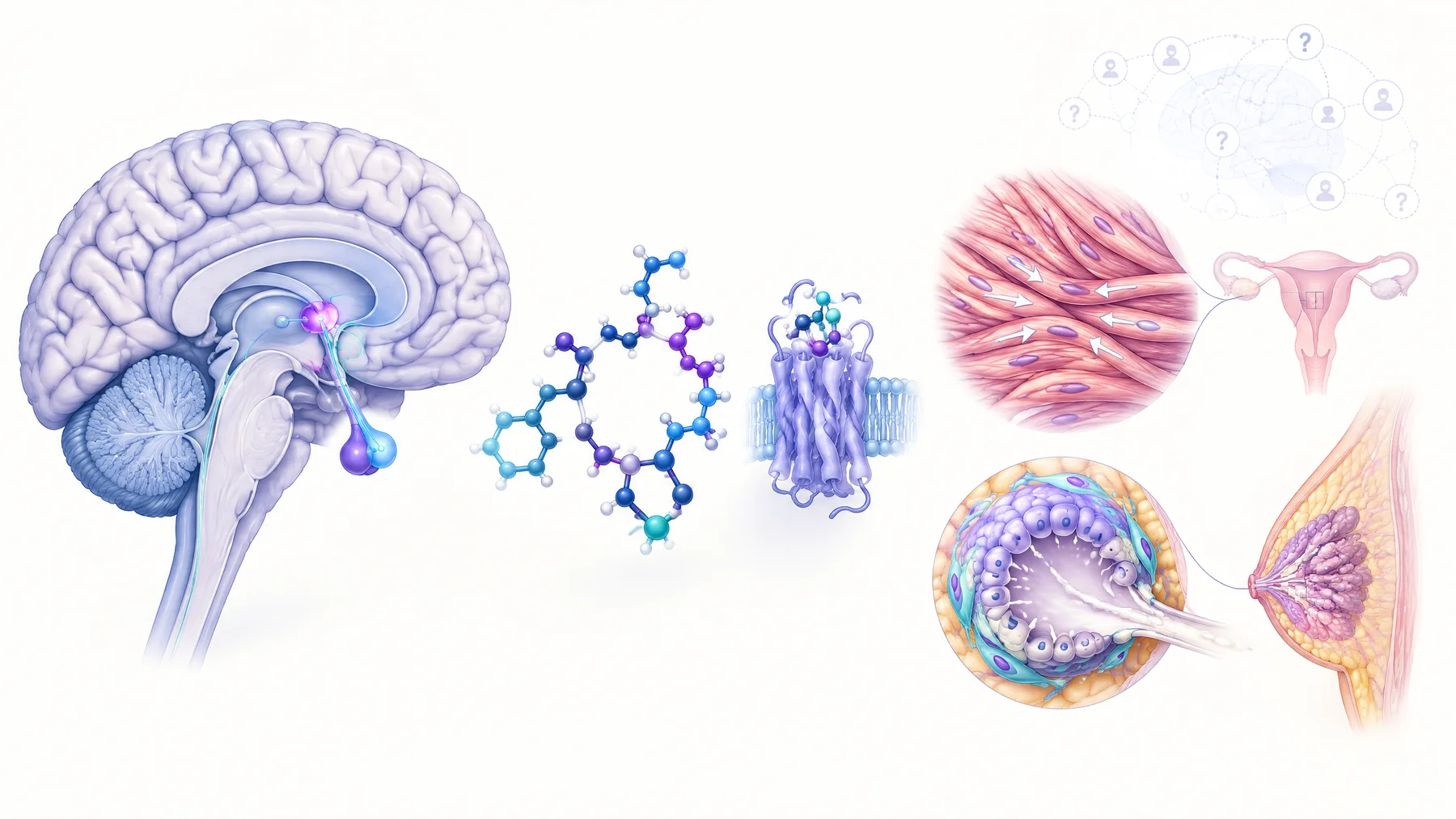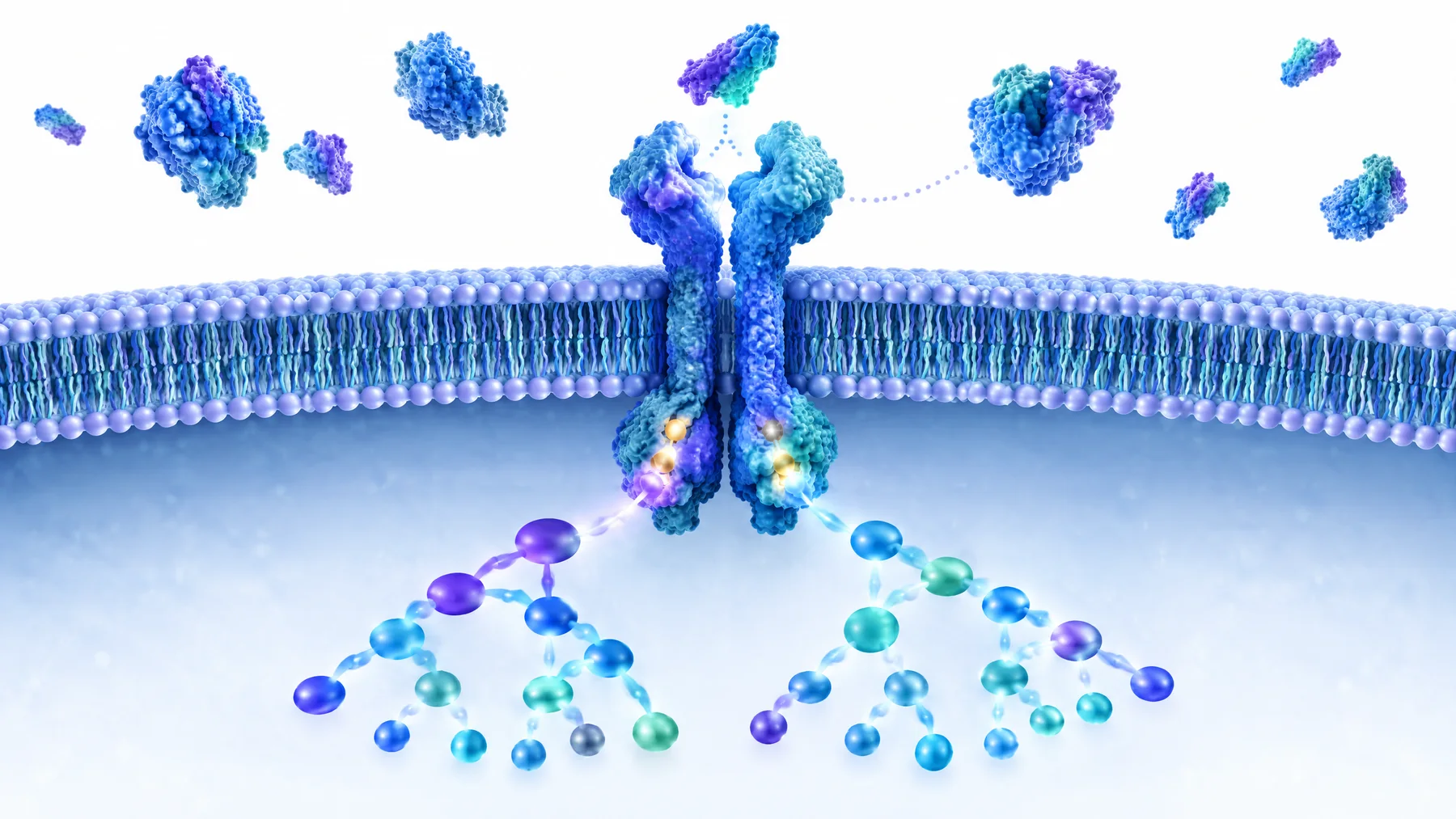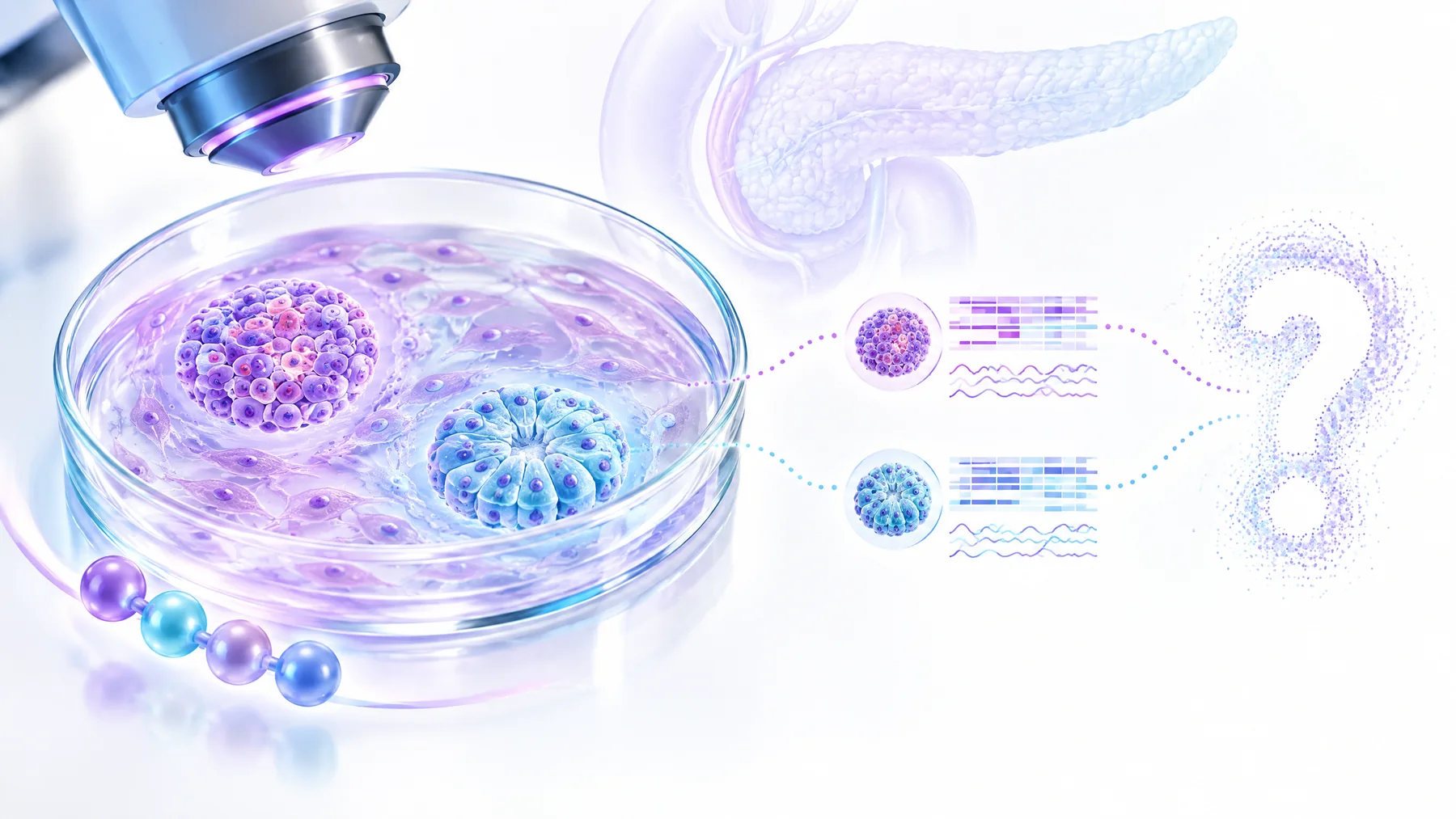

What is Epithalon (Epitalon; AEDG)?
Synthetic tetrapeptide research substance, not a hormone, topical ingredient, mixture or small molecule. Epitalon Epithalone AEDG Ala-Glu-Asp-Gly Ala-Glu-Asp-Gly (AEDG) C14H22N4O9 390.35 g/mol No Australian approved Epithalon medicine formulation was identified during this research. It should be treated as a preclinical research peptide rather than as an approved anti-ageing medicine; a supplier vial is not an approved formulation.
Epithalon, more commonly indexed as epitalon, is the defined four-amino-acid peptide AEDG. Its most discussed laboratory finding is an association with telomerase-related signals and longer telomere measurements in particular cultured cells. Those findings do not demonstrate human anti-ageing, sleep, cancer, retinal or longevity benefits. Animal results are mixed across models, and official reviews of available data identify major gaps in pharmacokinetics and clinical safety. In Australia, readers should not confuse a research or online-supplier vial with a TGA-assessed medicine.
Identity: a defined tetrapeptide, not a pineal extract
Epithalon is an alternative spelling of epitalon. It is a short, defined peptide with the sequence Ala-Glu-Asp-Gly (AEDG), molecular formula C14H22N4O9 and molecular weight 390.35 g/mol. That makes it a peptide, not a hormone, coenzyme, botanical mixture or small molecule. [1]
It is important not to collapse epitalon into epithalamin. Epithalamin has been described as a bovine pineal-gland polypeptide extract, whereas epitalon was developed as the defined AEDG sequence. The distinction matters because an extract, a free-base peptide and salts such as acetate are different materials. FDA notes that commercial use of the common name can cover multiple salts and derivatives, creating identity and quality problems rather than establishing interchangeable medicines. [10] [15]
Why telomeres are central to the claim—and why that is not a clinical result
Telomeres are chromosome-end structures, and telomerase is the enzyme complex that can help maintain them. In a 2003 culture experiment, addition of epithalon to telomerase-negative human fetal fibroblasts was reported to induce expression of the catalytic subunit, telomerase activity and telomere elongation. This is a cellular observation in a fetal-fibroblast culture, not evidence that people live longer or avoid disease. [3]
A 2025 in-vitro study used normal IBR.3 fibroblasts and human mammary epithelial cells (HMECs), alongside 21NT and BT474 breast-cancer cell lines. The authors reported dose-dependent qPCR-estimated telomere-length extension in the normal cells with higher hTERT mRNA and telomerase activity; in the cancer cell lines they reported telomere extension with alternative lengthening of telomeres (ALT) activity. The article record is flagged as corrected, so readers should consult the correction before relying on fine numerical detail. None of these cultured-cell findings establish a safe or useful whole-body intervention. [2]
Model-specific findings: do not merge cells, cancer lines and animals
A second human-cell experiment used primary pulmonary fibroblasts from a 24-week fetus. The control culture ceased proliferating at passage 34; the peptide-treated culture was reported to complete 10 additional divisions and still divide, with telomeres measured as comparable to earlier-passage cells. It is a single in-vitro model of replicative capacity, not a human trial and not a demonstration of organism-level ageing reversal. [4]
The molecular literature is not uniform. In rat pinealocyte culture, epithalone increased AANAT and pCREB synthesis and melatonin in culture medium. In a separate experiment using perifused pineal glands from young and old male Wistar rats, AEDG had no significant effect on melatonin secretion, including after beta-adrenergic stimulation. These differing systems do not support a settled claim that epitalon raises melatonin in people or improves sleep. [7] [8]
Another cell study found higher neurogenic-marker mRNA and protein signals in human gingival mesenchymal stem cells after AEDG exposure, while the proposed histone interaction came from molecular modelling. That is useful hypothesis-generating work, but it does not show neuronal repair in patients and does not establish the proposed epigenetic mechanism as fact. [9]
Animal longevity results are signals, not human life-extension evidence
In female outbred Swiss-derived SHR mice, 54 animals per group were followed from three months of age to natural death. The epitalon group had no change in mean lifespan, food intake or body weight. The study reported a 13.3% increase in lifespan among the last 10% of survivors, a 12.3% increase in maximum lifespan, fewer bone-marrow chromosome aberrations and less leukaemia, while total spontaneous tumour incidence was unchanged. This is one mouse strain and sex, with a mixed lifespan result; it cannot supply a human longevity conclusion. [5]
In Canton-S Drosophila melanogaster, epitalon was present only during development from egg to larva and the investigators reported 11–16% longer adult lifespan at very low culture-medium concentrations. Developmental exposure in fruit flies is biologically and clinically distinct from adult use in humans. [6]
Human evidence: a substantial translation gap
The credible public evidence base does not provide a verified, adequately described human programme for anti-ageing use. FDA’s 2026 assessment states that it found no pharmacokinetic data for epitalon free base or acetate and did not identify published human clinical studies assessing safety of epitalon-related bulk drug substances. That is especially important because anti-ageing claims require evidence on meaningful health outcomes, not only a biomarker or a cell assay. [10]
A 2025 review recounts a retinitis pigmentosa treatment report, but the PubMed-indexed paper located for that topic is a Russian-language review rather than a verifiable primary controlled-trial report. The review account alone is not enough to confirm allocation, masking, follow-up, product identity or adverse-event ascertainment. It should not be converted into a general claim that epitalon is clinically effective for retinal disease. [11] [15]
ClinicalTrials.gov searches for both spelling variants returned no study records when checked. This cannot exclude trials registered elsewhere or older unregistered work, but it means the registry search does not provide a contemporary, publicly inspectable protocol or results record to support consumer claims. [14]
Safety and uncertainty: unknown is not the same as safe
Lack of adverse-event reports is not a reassurance signal when human exposure and systematic safety studies are sparse. FDA found no FAERS or food-complaint cases in its searches, but also found no human pharmacokinetic data and no published clinical studies assessing safety. Voluntary reporting and limited use can both leave harms undetected. [10]
FDA separately warns that compounded epitalon may pose immunogenicity risk for some routes because peptides can aggregate and contain peptide-related impurities, and that it lacks route-specific safety information sufficient to know whether epitalon would harm humans. This is not proof that a particular vial will cause harm; it is a reason not to infer sterility, purity, dose accuracy or safety from a product label. [13]
The cancer-cell ALT finding is also a reason for restraint in interpretation. It demonstrates that epitalon-associated telomere biology can differ by cell type; it neither proves a cancer risk in humans nor licenses claims of cancer prevention or treatment. [2]
Australian regulatory context
The Australian Register of Therapeutic Goods (ARTG) is the TGA’s public reference database for therapeutic goods that can be supplied in Australia. Unless a product is exempt, a therapeutic good outside the ARTG cannot be supplied lawfully; pathways for particular unapproved goods are separate and do not turn a product into an approved medicine. No Epithalon product information or Consumer Medicine Information for a TGA-approved formulation was identified in this research. [12]
This is consistent with the TGA’s 2026 warning that many peptide products supplied in Australia are unapproved therapeutic goods that have not been assessed by the TGA for safety, quality or effectiveness. The TGA specifically advises caution with online, overseas and social-media peptide products because identity, manufacture and sterility may be uncertain. A ‘research use’ or anti-ageing supplier vial is therefore not evidence of TGA approval or of a validated clinical protocol. [13]
Internationally, an FDA orphan-drug designation for epitalon in retinitis pigmentosa was recorded in 2010, but the designation was withdrawn or revoked and the FDA record explicitly says it was not FDA approved for that orphan indication. Orphan designation is not marketing approval. [11]
How to read an Epithalon claim
Start by asking what was actually tested: a chemical identity, a culture dish, a particular animal strain, or people with a prespecified clinical outcome. A result in fetal fibroblasts, breast-cancer lines, rat pineal tissue, fruit flies or female Swiss-derived mice cannot be assumed to apply to healthy adults. The model, comparator, endpoint and duration are part of the result, not background details to discard. [2] [4] [5] [6] [7] [8]
Next, separate a mechanistic measure from a health outcome. Increased hTERT expression, telomerase activity, a qPCR telomere estimate or a stem-cell marker can guide future research, but none by itself demonstrates improved lifespan, cognition, sleep, vision, cancer outcomes or safety in humans. Product-specific questions about formulation, purity, route and stability remain unanswered for unapproved research supplies. [2] [9] [10] [13]
Questions readers ask
Is Epithalon actually a peptide?
Yes. Epithalon/Epitalon is the defined tetrapeptide Ala-Glu-Asp-Gly (AEDG). It is not the same thing as epithalamin, a pineal polypeptide extract. [1] [15]
Is Epithalon an approved anti-ageing medicine in Australia?
No TGA-approved Epithalon formulation was identified in this research. The ARTG is the relevant public register, and the TGA advises that many Australian peptide products are unapproved and have not been assessed for safety, quality or effectiveness. A seller’s vial is not equivalent to an ARTG-listed medicine. [12] [13]
Does longer telomere length in a culture dish prove human anti-ageing?
No. The telomerase and telomere findings were made in specified cultured cells. FDA found no human pharmacokinetic data and no published human clinical safety studies for epitalon-related bulk drug substances in its assessment. [2] [3] [10]
Does Epithalon reliably increase melatonin or improve sleep?
No reliable human conclusion follows from the evidence located. One rat pinealocyte culture study observed higher melatonin-related signals, whereas a separate young-and-old rat pineal-gland experiment found no significant effect on secretion. There is no verified human sleep trial in the sources reviewed. [7] [8] [10]
Does an FDA orphan-drug designation mean it is approved?
No. FDA’s epitalon record lists a 2010 retinitis pigmentosa orphan designation that was withdrawn or revoked and states ‘Not FDA Approved for Orphan Indication’. [11]
What remains uncertain
The strongest directly accessible evidence is preclinical. Cell-culture outcomes cannot establish human efficacy, safety, dosing, route or durability. [2] [3] [4] [9]
Animal findings differ by species, sex, age, tissue and endpoint. The mouse study did not increase mean lifespan, while the fruit-fly developmental-exposure study did report longer adult lifespan. [5] [6]
Human pharmacokinetics, validated clinical safety studies and a confirmed dose/formulation evidence base were not identified by FDA. Supplier-specific vials cannot fill those gaps. [10] [13]
The 2025 cell-line article has a linked correction; its corrected version should be checked before quoting precise figures. [2]
References and further reading
- [1] Epitalon | C14H22N4O9 | CID 219042. Curated compound identity and structure record
- [2] Epitalon increases telomere length in human cell lines through telomerase upregulation or ALT activity. In-vitro experiments in normal IBR.3 fibroblasts and HMECs, and 21NT and BT474 breast-cancer cell lines; qPCR, immunofluorescence and telomerase/ALT-related assays.
- [3] Epithalon peptide induces telomerase activity and telomere elongation in human somatic cells. In-vitro study in telomerase-negative human fetal fibroblast culture.
- [4] Peptide promotes overcoming of the division limit in human somatic cell. In-vitro experiment in primary pulmonary fibroblasts from a 24-week human fetus.
- [5] Effect of Epitalon on biomarkers of aging, life span and spontaneous tumor incidence in female Swiss-derived SHR mice. Lifelong comparison in 54 female outbred Swiss-derived SHR mice per group.
- [6] Effect of epitalon on the lifespan increase in Drosophila melanogaster. Developmental culture-medium exposure in Canton-S Drosophila melanogaster.
- [7] Effect of a synthetic pineal tetrapeptide (Ala-Glu-Asp-Gly) on melatonin secretion by the pineal gland of young and old rats. Perifusion experiment on pineal glands from young and old male Wistar rats.
- [8] Molecular cellular mechanisms of peptide regulation of melatonin synthesis in pinealocyte culture. Rat pinealocyte culture experiment.
- [9] AEDG Peptide (Epitalon) Stimulates Gene Expression and Protein Synthesis during Neurogenesis: Possible Epigenetic Mechanism. In-vitro human gingival mesenchymal stem-cell experiment with molecular modelling.
- [10] FDA Briefing Document: Epitalon-Related Bulk Drug Substances (Epitalon (Free Base) and Epitalon Acetate). FDA assessment of characterisation, historical use, effectiveness and safety data for proposed compounding bulk drug substances.
- [11] FDA Search Orphan Drug Designations and Approvals: Epitalon. FDA orphan-drug designation status record.
- [12] Searching the Australian Register of Therapeutic Goods (ARTG). TGA regulatory guidance on the ARTG and unapproved therapeutic goods.
- [13] TGA strengthens compliance focus on unapproved peptide products as part of evolving risk response. TGA market-monitoring and compliance communication.
- [14] ClinicalTrials.gov search: epitalon. Live registry search, checked for both ‘epitalon’ and the alternate spelling ‘epithalon’.
- [15] Overview of Epitalon—Highly Bioactive Pineal Tetrapeptide with Promising Properties. Narrative review of epitalon chemistry, in-vitro, animal and reported clinical literature.