What is DSIP (Delta Sleep-Inducing Peptide)?
DSIP is a synthetic/nonapeptide research substance, not a currently identified approved Australian medicine. The sequence reported for the original material is Trp-Ala-Gly-Gly-Asp-Ala-Ser-Gly-Glu (WAGGDASGE). Its proposed endogenous counterpart, precursor gene and receptor remain unresolved.
Delta sleep-inducing peptide (DSIP) is a nine-amino-acid peptide first characterised in rabbit experiments, not an established treatment for insomnia, stroke, growth-hormone deficiency or recovery. Historical human sleep experiments were very small and short; a 16-person double-blind insomnia study concluded benefit was unlikely to be major. Animal findings are model- and route-specific, while the biological identity and receptor of endogenous DSIP remain uncertain. In Australia, do not equate a research-labelled vial with a TGA-evaluated medicine.
1. Identity: a nonapeptide with an unresolved biological backstory
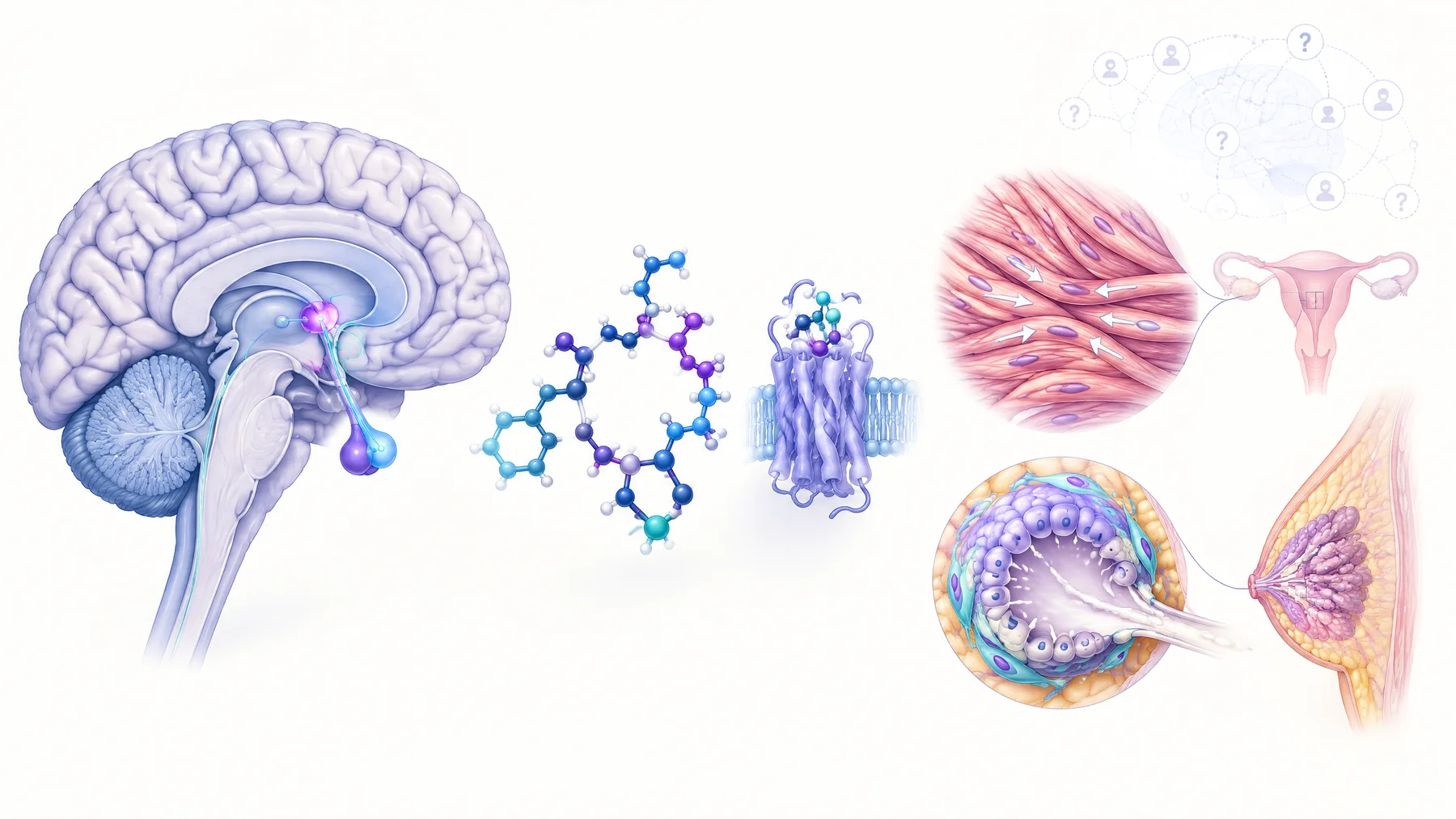
DSIP stands for delta sleep-inducing peptide. It is genuinely a peptide: the original chemical-characterisation study reported a nine-amino-acid sequence, Trp-Ala-Gly-Gly-Asp-Ala-Ser-Gly-Glu (WAGGDASGE). The investigators isolated material from cerebral venous-blood dialysate of rabbits exposed to hypnogenic electrical stimulation, then synthesised the sequence and tested it in rabbits. That origin and sequence should not be confused with proof that the same peptide is a normal, defined human sleep hormone. [1]
The key qualification is unusually important here. A later peer-reviewed review found that a DSIP gene, precursor protein and cognate receptor had not been isolated, and judged the hypothesis that DSIP is a physiological sleep factor to be weakly documented. Therefore DSIP is best described as a research peptide with historical sleep-related observations, rather than as a settled endogenous hormone pathway or a conventional drug target. [8]
2. What the name showed in the original rabbit experiment—and what it did not
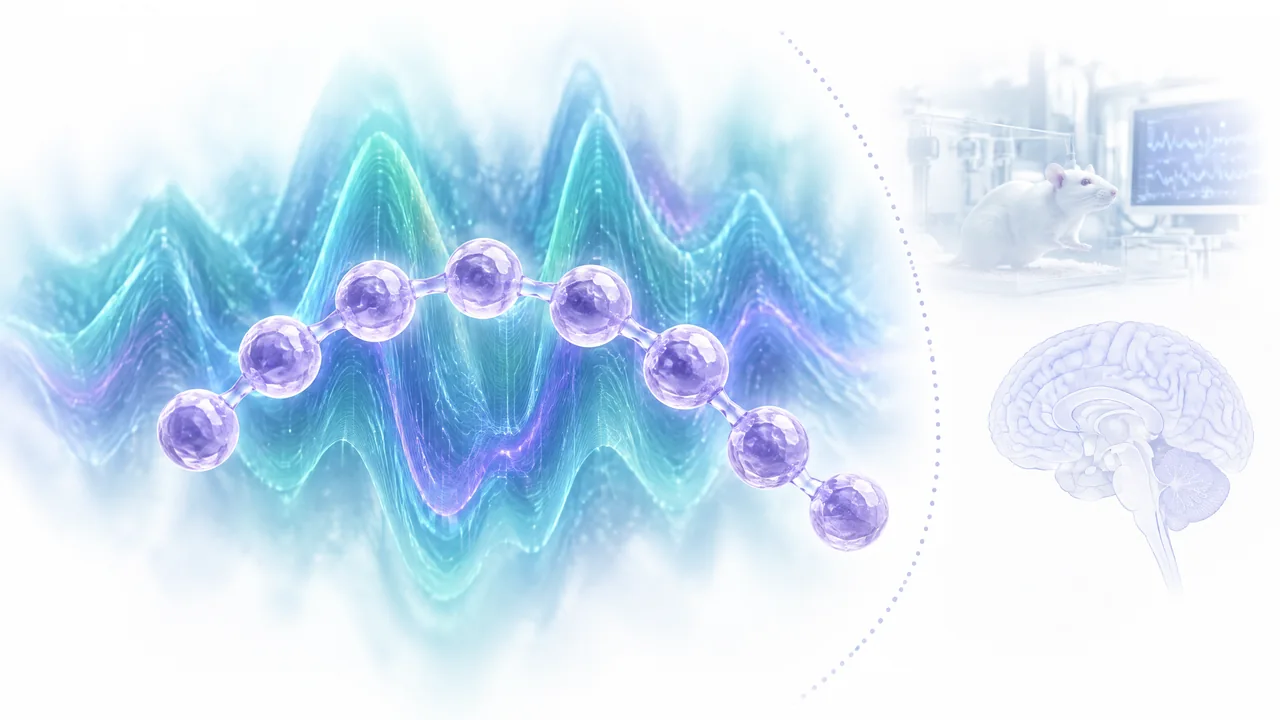
In the 1978 rabbit study, blinded intraventricular infusion of synthetic DSIP was associated with a mean 35% increase in delta EEG activity in neocortex and limbic cortex versus control solution or the other tested peptide fragments/analogues. The experiment also found activity depended on the pure alpha-aspartyl form. This is a direct experimental observation in rabbits after delivery into the cerebral ventricle; it does not demonstrate that DSIP improves ordinary insomnia in people or that any retail product reproduces the study material. [1]
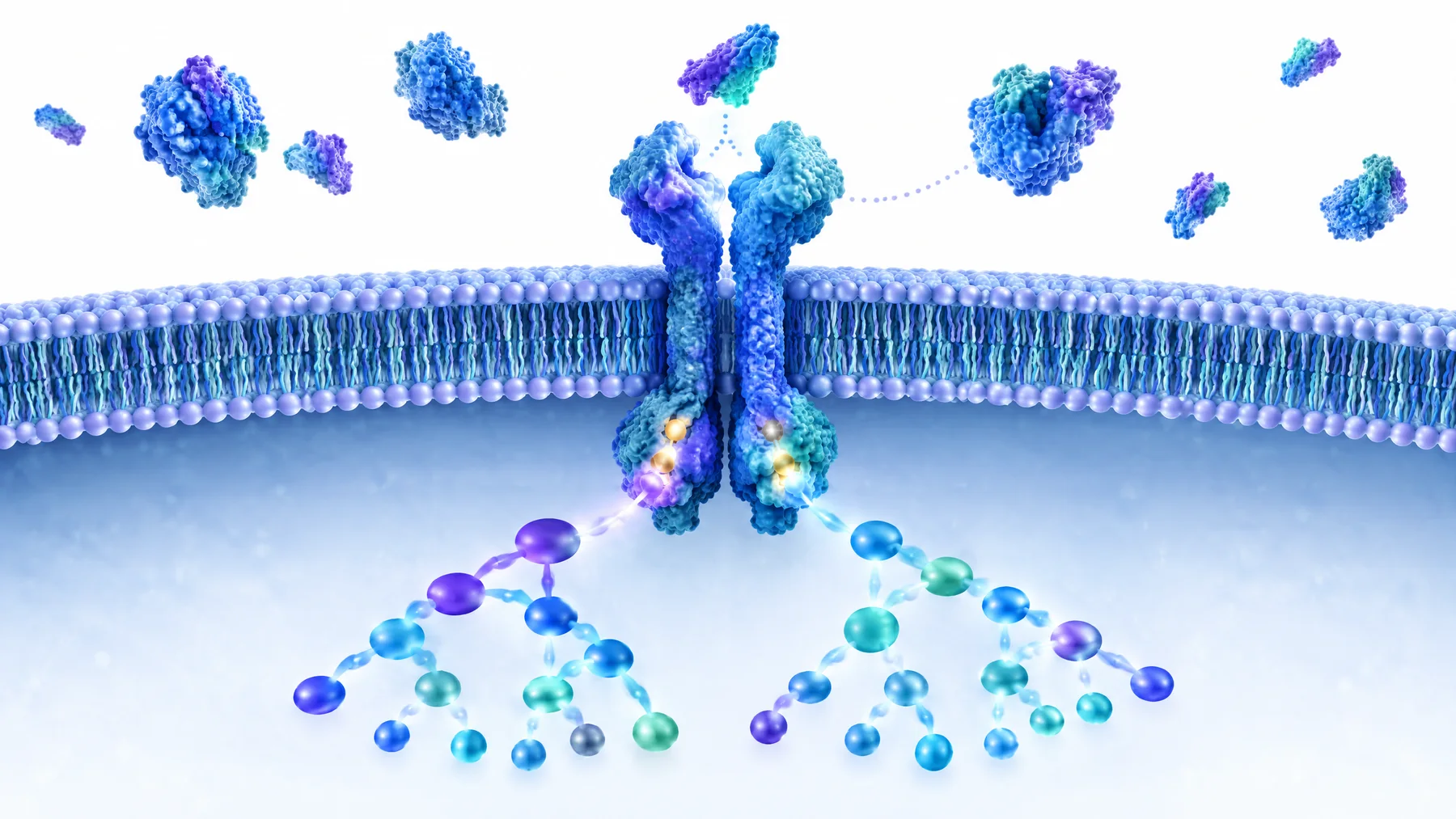
The same history explains why claims about a simple ‘DSIP receptor’ or a guaranteed sleep mechanism should be treated carefully. The original study measured EEG response, whereas later analysis highlighted unresolved natural occurrence and receptor biology. A biological effect observed after a specific experimental administration is not the same as a proven human mechanism, therapeutic indication or dosing protocol. [1] [8]
3. Rat sleep and growth-hormone findings are model-specific
A 1988 PNAS study used male rats kept awake for four hours on a slowly rotating wheel. After the wheel stopped, slow-wave sleep and plasma growth hormone rose; third-ventricle microinjection of a highly specific anti-DSIP antiserum blocked those post-deprivation increases, while normal rabbit serum did not. The authors interpreted this as evidence that DSIP could contribute to sleep-related growth-hormone release in that rat paradigm. [2]
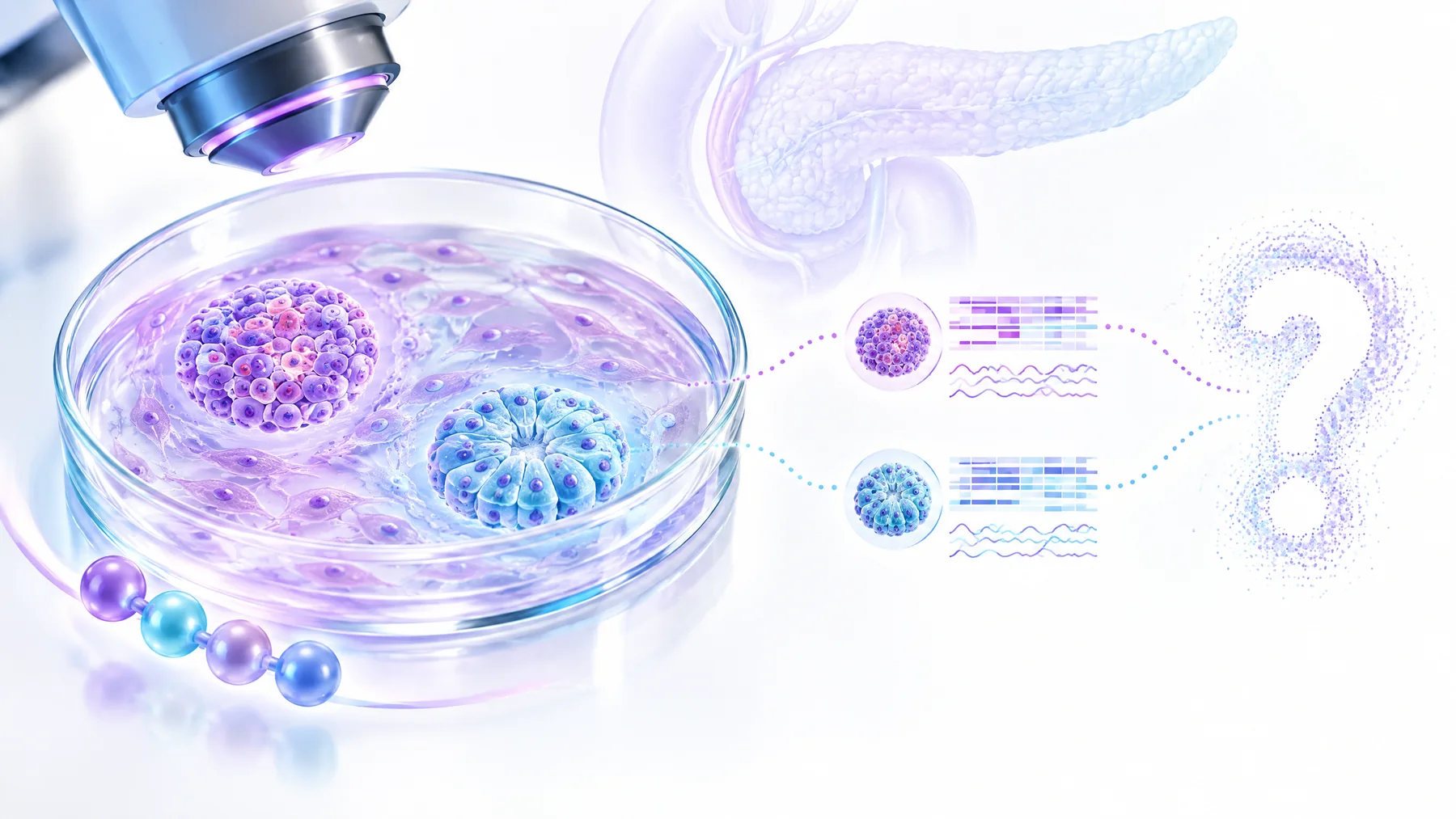
A separate rat/cell study reported that third-ventricle DSIP increased circulating growth hormone in ovariectomised rats, and cultured rat pituitary cells also released more growth hormone across part of the tested concentration range. Pimozide pretreatment blocked the in-vivo response, which is compatible with a dopamine-sensitive component in that experiment. It does not establish a human endocrine treatment, prove a DSIP receptor, or show that growth hormone will rise in a person taking a product labelled DSIP. [3]
Both studies used specialised animal preparation: sleep deprivation or ventricular cannulation, and in one study ovariectomised rats and cultured pituitary cells. Species, disease state, route into the brain and experimental context limit transfer to clinical sleep care, endocrine care, athletic performance or anti-ageing claims. [2] [3]
4. Human sleep evidence: small, historical and not clinically persuasive
The human literature located is limited and mainly from the early 1980s and early 1990s. In a double-blind crossover experiment in six healthy volunteers, intravenous synthetic DSIP was followed by more sleep within a monitored 130-minute interval and some subsequent-night EEG changes; the authors reported no observed psychological, physiological or biochemical adverse effects in that tiny short-term study. Six participants and immediate observation cannot establish safety, effectiveness for insomnia, or long-term risk. [4]
Another 1981 clinical report involved six middle-aged people with chronic insomnia after acute intravenous synthetic DSIP. It described longer sleep, fewer interruptions and a delayed sleep-promoting effect, but also suggested slight arousal in the first hour. This is exploratory evidence only: the sample was six people, the exposure was acute, and the publication is not a basis for a modern treatment regimen. [5]
The most informative controlled insomnia report located was a 1992 double-blind, matched-pairs parallel study of 16 chronic-insomnia patients over five laboratory nights. Although polysomnographic sleep efficiency was higher and sleep latency shorter with DSIP than placebo, subjective sleep quality did not change. The authors said the statistically significant effects were weak and could partly reflect an incidental placebo-group change, concluding short-term DSIP treatment was unlikely to provide major therapeutic benefit. [6]
5. Stroke-recovery headlines concern rats, not human stroke treatment
A 2021 study examined adult male Sprague-Dawley rats with focal stroke produced by intraluminal middle cerebral artery occlusion. DSIP was given intranasally before occlusion and for seven days after reperfusion; motor tests ran to day 21. Rotarod performance recovered significantly in the DSIP-treated group, but the smaller measured infarct volume did not differ significantly from vehicle. This is a preclinical behavioural result, not a human stroke trial. [7]
The design itself is a translation warning: treatment began before the induced stroke, an option generally unavailable in unexpected human stroke, and the study used 26 male rats. It cannot determine human functional benefit, safe route, interaction with reperfusion treatments, or whether DSIP should be used in acute stroke. The non-significant infarct-volume result also argues against portraying the experiment as demonstrated brain protection. [7]
6. Safety and uncertainty: absence of a signal is not evidence of safety
The small historical human studies reported no observed short-term adverse effects, but they were not designed or sized to detect uncommon, delayed, interaction-related or product-quality harms. There is no located modern development program establishing pharmacokinetics, dose–response, contraindications, reproductive safety, long-term safety or a clinically validated administration schedule for DSIP. [4] [5] [6] [8]
A vial advertised online as ‘DSIP’, ‘peptide’ or ‘research use only’ is not evidence that it matches the sequence, purity, sterility, stability or formulation used in a paper. The TGA cautions that unapproved peptide products have not been evaluated for safety, quality or effectiveness and that inaccurate labelling, contamination, infection and local tissue damage are particular concerns with injectables. Do not infer a universal dilution, storage condition, route or protocol from the research literature. [9]
7. Australian regulatory context: research material is not an approved formulation
In Australia, peptide products are therapeutic goods under the Therapeutic Goods Act 1989, and the ARTG is the TGA register used to search medicines, biologicals and other therapeutic goods that can be supplied in Australia. This research found no identifiable ARTG product entry or TGA product information for DSIP/delta sleep-inducing peptide; accordingly, DSIP should not be represented as an Australian-approved medicine. ARTG status should still be checked live by product name and sponsor before relying on any claim of approval. [10] [11]
The TGA says that ‘research use only’ wording does not itself make supply or importation lawful, change regulatory status, or remove advertising and supply obligations. A properly prescribed, patient-specific compounded good may operate under limited exemptions, but that is not an approval of DSIP, a validation of a claimed benefit, or permission for routine supplier vials and promotional dosing advice. [9]
8. How to read DSIP claims responsibly
Start with the model. Rabbit ventricular EEG work, rat third-ventricle endocrine experiments, a rat stroke model and short intravenous human sleep studies answer different questions. A positive result in one does not validate a different route, disorder, formulation, age group, combination product or consumer outcome. In particular, no validated combined protocol can be inferred by mixing DSIP with another peptide or medicine. [1] [2] [3] [4] [5] [6] [7]
Then prioritise outcome quality. The 1992 controlled insomnia study included objective polysomnography and subjective measures, found only weak/inconsistent effects and concluded no likely major benefit. That conclusion is more informative for insomnia decisions than a marketing claim built from a peptide name, a rat finding or a single favourable sleep metric. [6]
Questions readers ask
Is DSIP actually a peptide?
Yes. DSIP is a nine-amino-acid peptide (a nonapeptide), with the sequence WAGGDASGE reported in the original chemical-characterisation work. Its status as a peptide does not mean it is an approved medicine or that its endogenous biology is resolved. [1] [8]
Is DSIP approved in Australia for insomnia or any other use?
No identifiable ARTG entry or TGA product information for DSIP/delta sleep-inducing peptide was found in this research, so it should not be described as an Australian-approved medicine. The ARTG is the live official register to check by product name and sponsor; online supplier availability is not regulatory approval. [10] [11] [9]
Does DSIP reliably treat insomnia?
No. The human evidence located consists of very small, old short-term studies. In the 16-person double-blind insomnia study, some objective sleep measures favoured DSIP, but subjective sleep quality did not improve and the authors concluded that major therapeutic benefit was unlikely. [4] [5] [6]
Does DSIP raise growth hormone in people?
That has not been established. Growth-hormone findings cited for DSIP come from ventricular administration in rats and cultured rat pituitary cells; they cannot be converted into a human endocrine protocol or performance claim. [2] [3]
Does the rat stroke study mean DSIP helps human stroke recovery?
No. The study was in 26 male Sprague-Dawley rats with experimentally induced focal stroke and pre-treatment began before the occlusion. It found improved rotarod recovery but no statistically significant infarct-volume difference, so it cannot establish a human stroke treatment. [7]
What remains uncertain
This is a limited-evidence record. The primary human DSIP studies located were small, short and historical; the stronger controlled insomnia study was only 16 participants and did not support major benefit. Most mechanistic and efficacy signals are from rabbits, specialised rat preparations or cultured rat cells, with routes and timing that cannot be translated into a consumer or clinical protocol. The endogenous DSIP precursor, receptor and physiological role remain unsettled. ARTG status is dynamic and the public interface should be checked live by exact product name and sponsor; no identified ARTG DSIP entry is not evidence that a particular unapproved vial is lawful, sterile, authentic or therapeutically appropriate. No dosing, dilution, storage, route or combination protocol is provided because none is clinically validated for DSIP.
References and further reading
- [1] The delta EEG (sleep)-inducing peptide (DSIP). XI. Amino-acid analysis, sequence, synthesis and activity of the nonapeptide. Blinded intraventricular infusion experiment in 61 rabbits, comparing synthetic DSIP with control solution and related peptides, with EEG Fourier analysis.
- [2] Evidence for a role of delta sleep-inducing peptide in slow-wave sleep and sleep-related growth hormone release in the rat. Male rats sleep-deprived for four hours on a rotating wheel; third-ventricle anti-DSIP antiserum versus normal rabbit serum; slow-wave sleep and plasma growth hormone measured.
- [3] Delta sleep-inducing peptide (DSIP) stimulates growth hormone (GH) release in the rat by hypothalamic and pituitary actions. Third-ventricle DSIP microinjection in conscious ovariectomised rats with serial blood sampling; pimozide pretreatment; static incubations of cultured rat pituitary cells.
- [4] Acute and delayed effects of DSIP (delta sleep-inducing peptide) on human sleep behavior. Double-blind crossover study in six healthy volunteers with extensive psychophysiological and sleep observations after slow intravenous synthetic DSIP or placebo.
- [5] The influence of synthetic DSIP (delta-sleep-inducing-peptide) on disturbed human sleep. Acute intravenous synthetic DSIP study in six middle-aged chronic-insomnia participants, with sleep outcomes reported.
- [6] Effects of delta sleep-inducing peptide on sleep of chronic insomniac patients. A double-blind study. Double-blind matched-pairs parallel-groups study in 16 chronic-insomnia patients over five laboratory nights, comparing intravenous DSIP with glucose placebo and assessing polysomnography and subjective measures.
- [7] Delta Sleep-Inducing Peptide Recovers Motor Function in SD Rats after Focal Stroke. Twenty-six adult male Sprague-Dawley rats underwent middle cerebral artery occlusion; intranasal DSIP or vehicle was given before occlusion and for seven days after reperfusion; behaviour and infarct volume were assessed to day 21.
- [8] Delta sleep-inducing peptide (DSIP): a still unresolved riddle. Critical synthesis of DSIP isolation, biological activity and sleep literature.
- [9] Understanding your responsibilities when importing, compounding and supplying unapproved peptide products. TGA regulatory and safety guidance concerning unapproved peptide products, their supply, importation, compounding and advertising.
- [10] Australian Register of Therapeutic Goods (ARTG). Official searchable TGA register information page for therapeutic goods supplied in Australia.
- [11] ARTG search for DSIP / delta sleep-inducing peptide. Live ARTG name-search check performed for DSIP and the full delta sleep-inducing peptide term during this research.