
 View on Peak SINGLEDosage chart
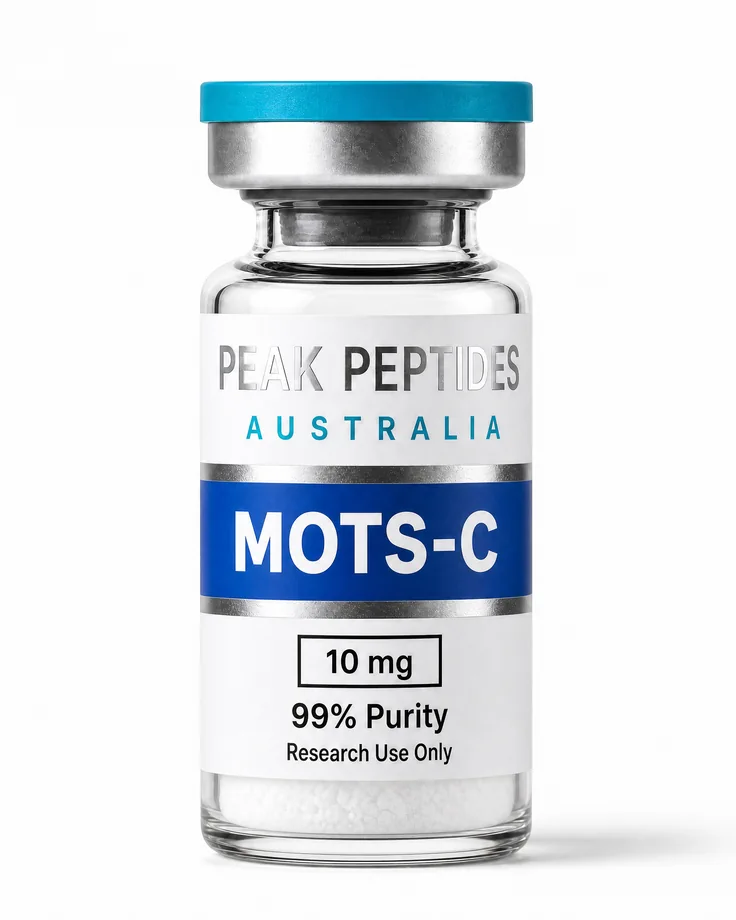
MOTS-C
Mitochondrial-derived peptide MOTS-c
Also available: 20 mg vial
Cited example and evidence context
Preclinical research · no validated human research-vial regimen
Open dosage chart
Elamipretide · mitochondria-targeted tetrapeptide
The FDA label for the separate elamipretide medicine Forzinity uses 40 mg once daily for its approved Barth syndrome indication. With 1 mL in each 10 mg Peak vial, each vial is 10 mg/mL and contains 100 units (1 mL), so 40 mg is 400 units (4 mL) across four vials.
Reviewed 25 Oct 2026 · Education only, not medical advice
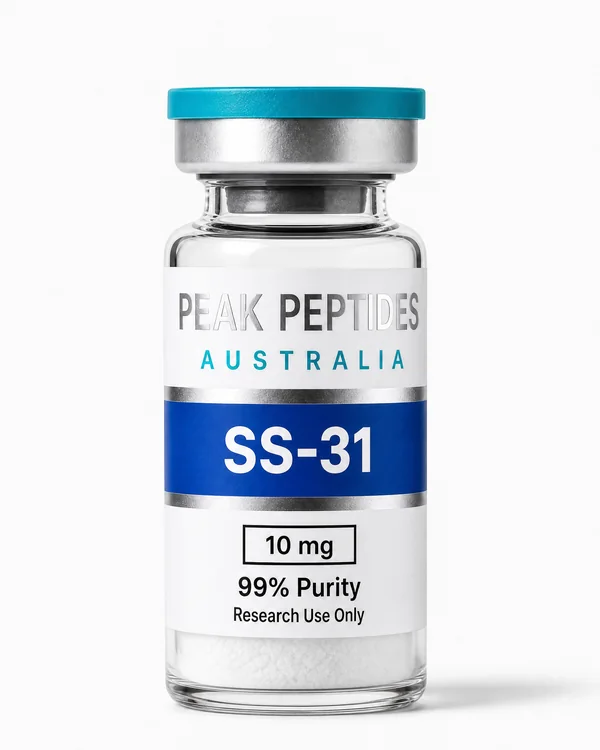
FDA label daily dose · 10 mg vial + 1 mL BAC water
1 mL is the mixing example on Peak's SS-31 page and the indexed 10 mg reference protocol, giving 10 mg/mL.
| Week | Daily dose | Syringe units | Syringe fill |
|---|---|---|---|
| Week 1 onwardsMaintenance | 40 mg | 400 units4 mL · 4 syringe drawsMore than one 10 mg vial |
Once daily · same time daily · subcutaneous injection
FDA labels Forzinity at 40 mg once daily for Barth syndrome in patients weighing at least 30 kg.
A 40 mg amount requires four full 10 mg Peak vials; it cannot be measured from one vial.
This chart follows the FDA label for the separate Forzinity elamipretide product; it does not establish a dose for Peak's research vial. Education only, not medical advice. Dose amounts follow FORZINITY prescribing information (US Food and Drug Administration, 2025); units are recalculated for the vial and mix selected above.
Using a 1 mL (100-unit) insulin syringe, one full draw of bacteriostatic water gives 10 mg/mL.
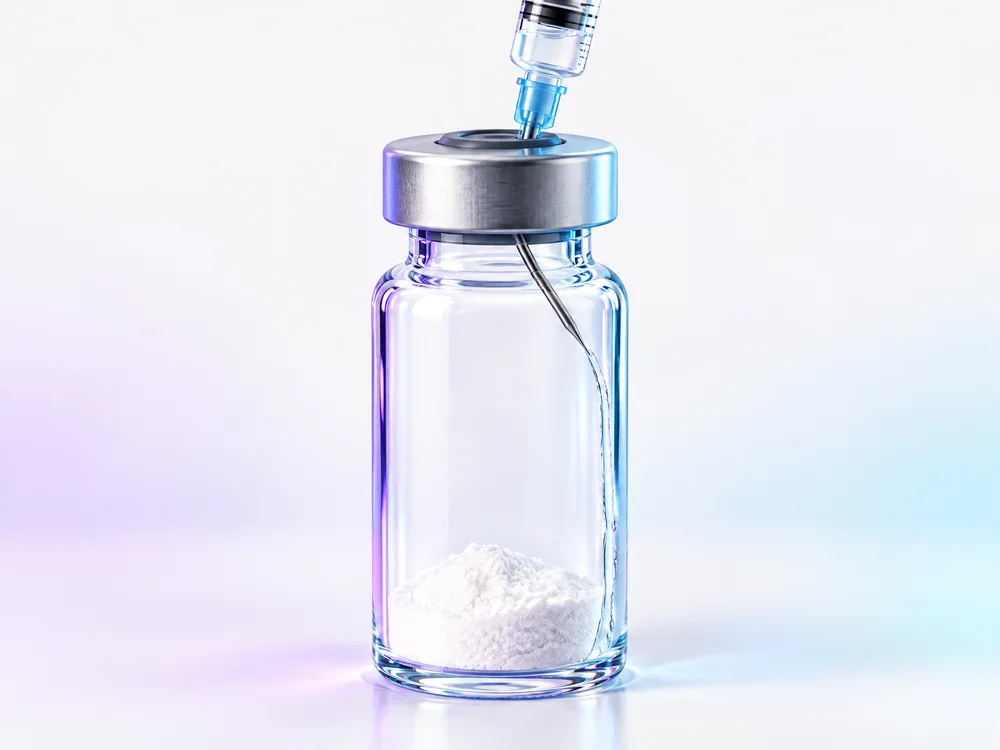 1
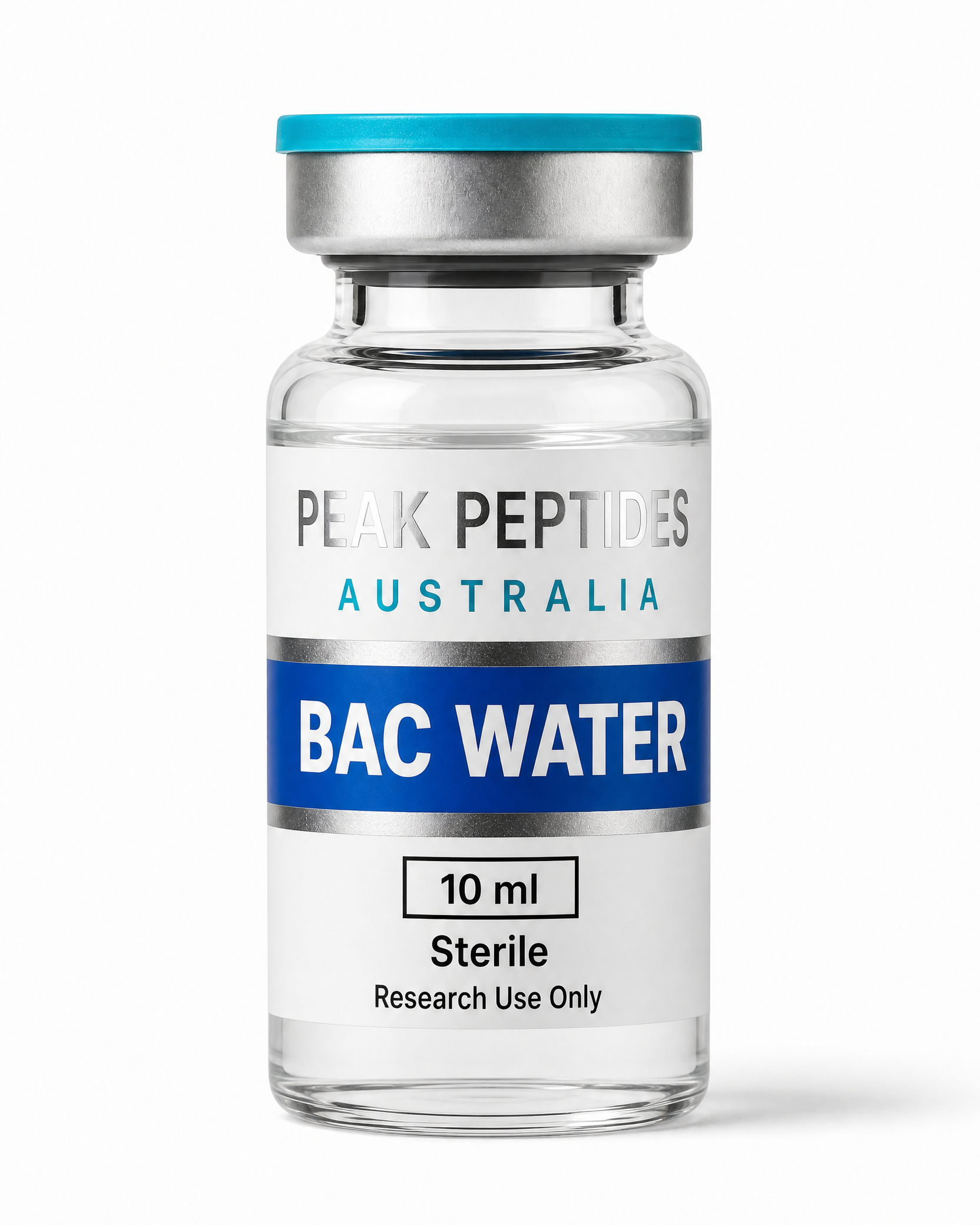
Wipe both rubber stoppers with an alcohol swab and let them dry. Draw 1 mL of bacteriostatic water and let it run slowly down the inside of the vial wall — not straight onto the powder.
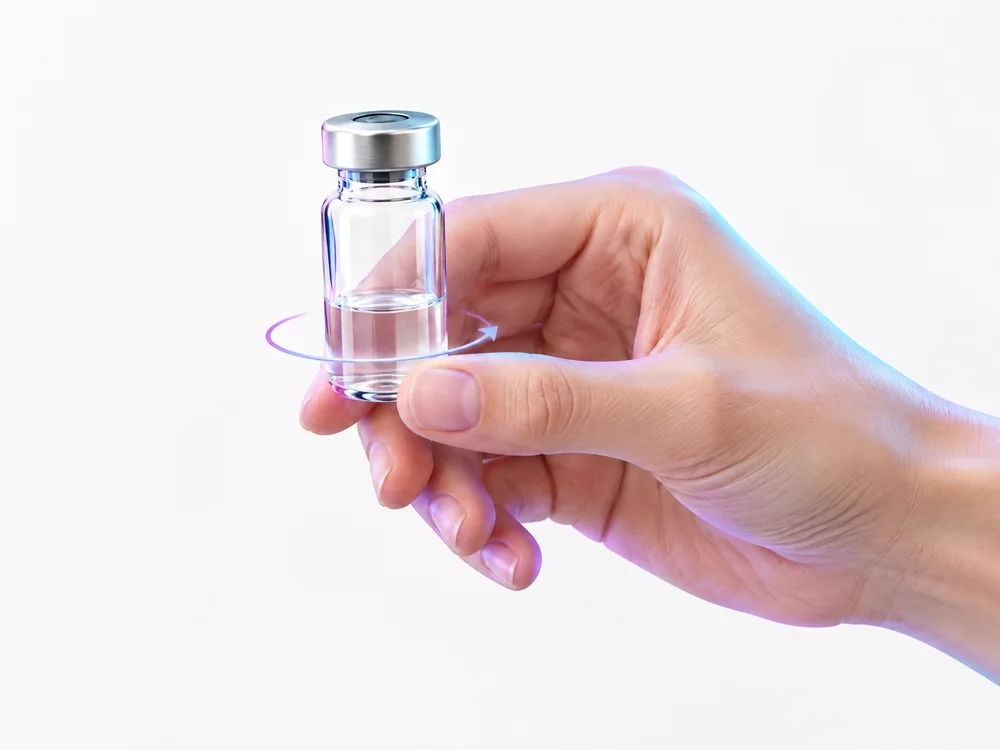 2
Swirl or roll the vial gently until the powder has dissolved. Give it a few minutes to settle if needed.
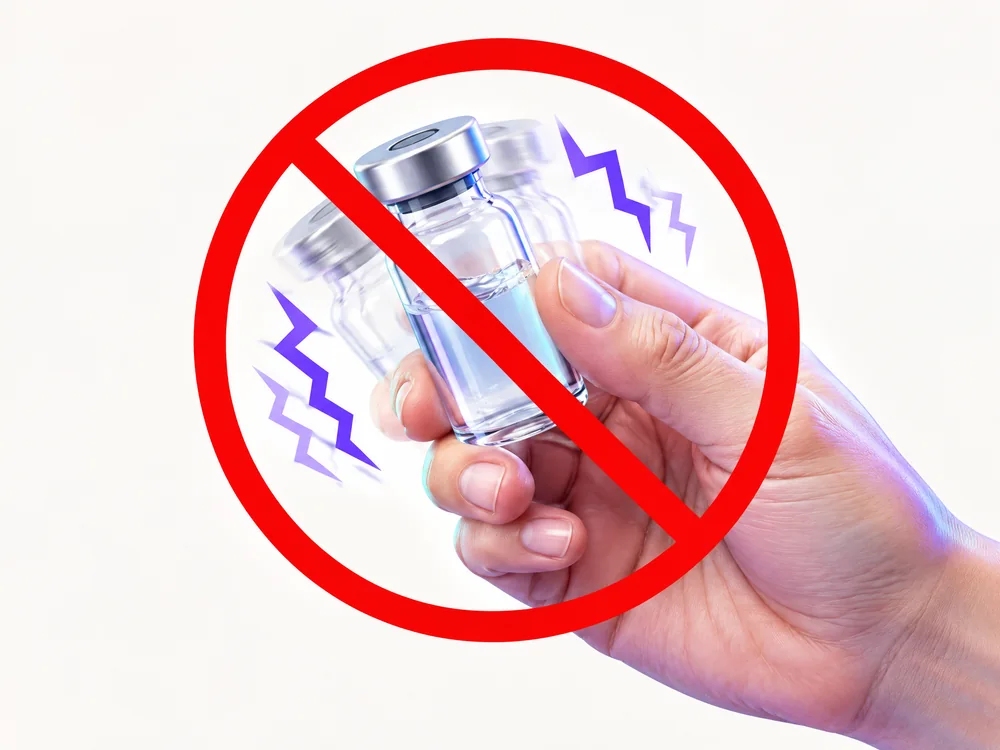 3
Shaking can damage the peptide and cause foaming. Gentle swirling only.
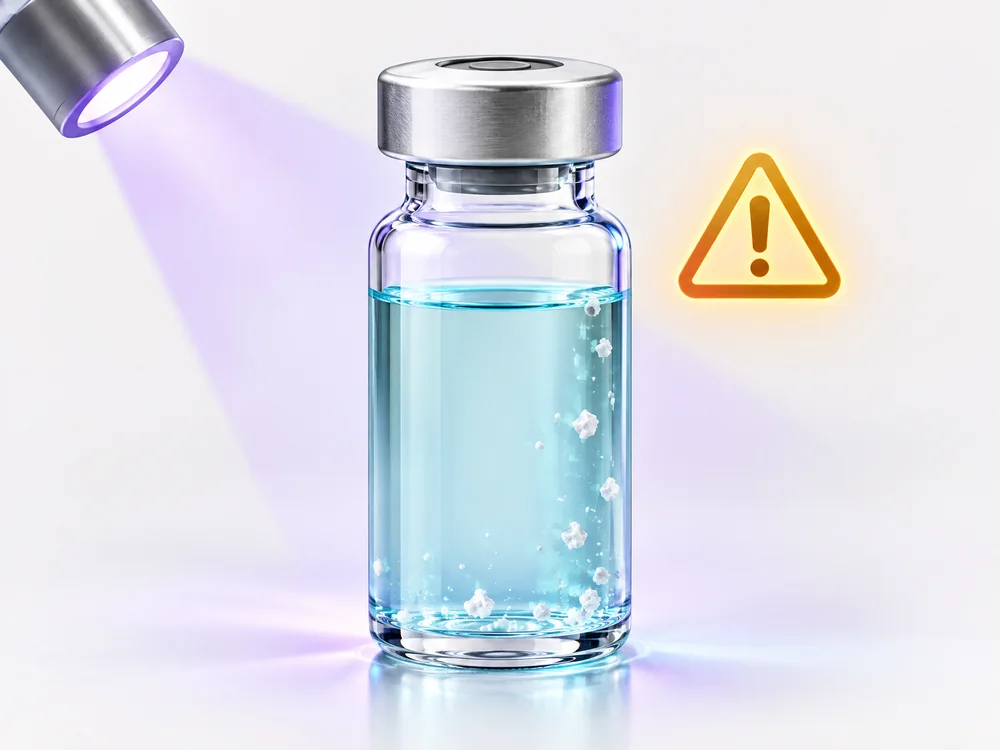 4
Only use it once it is fully clear with no particles. Label the vial with the date and 10 mg/mL, then store it in the fridge at 2–8 °C.
Counts follow the dosage chart above at the highest amount in each step, using a 10 mg vial mixed with 1 mL.
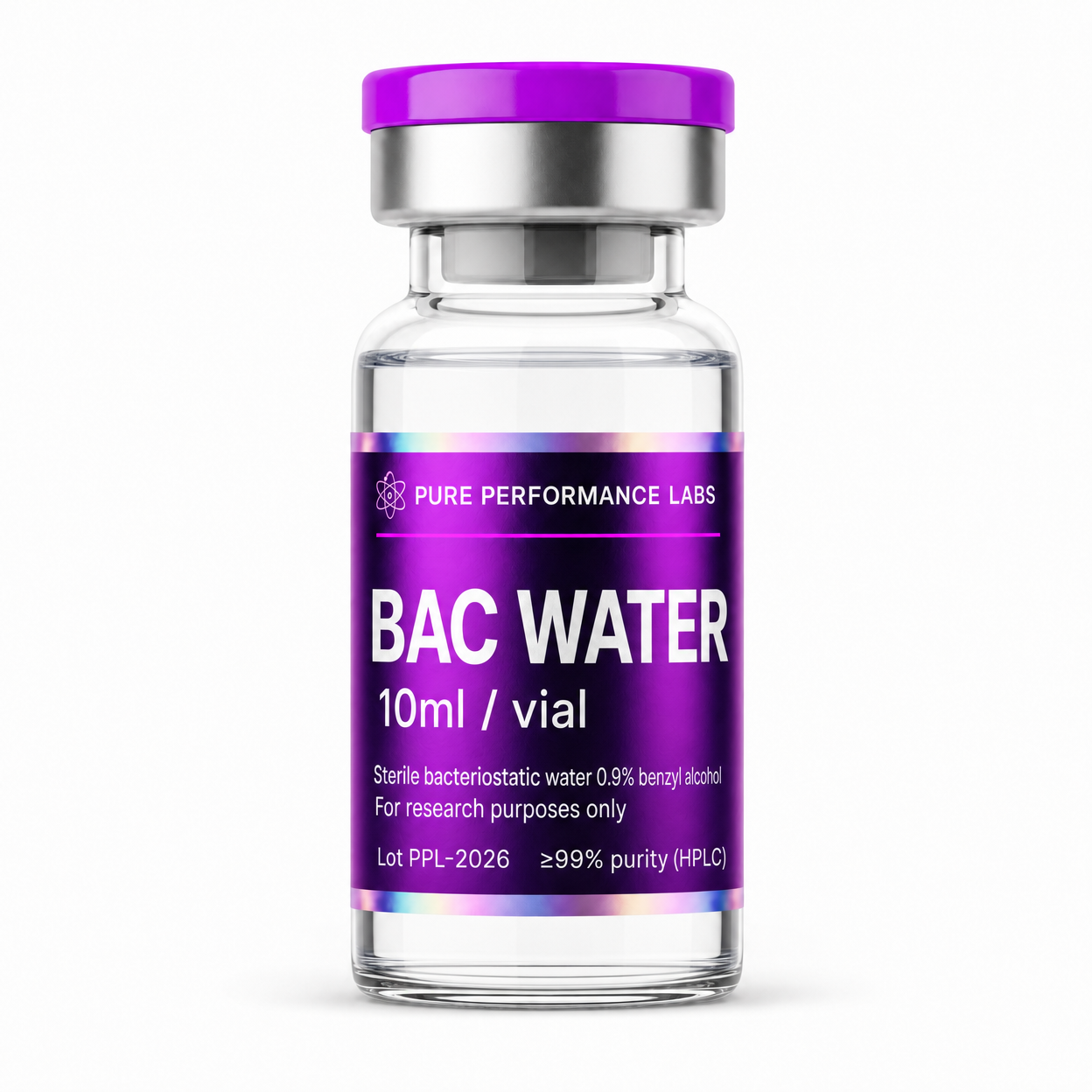
Plus an approved sharps container. Syringes and swabs are sold by Australian pharmacies — Peak Peptides and Pure Performance supply the bacteriostatic water.
Enter your vial, water and dose to see the matching syringe units.
Concentration
10.00 mg/mL
(10000 mcg/mL)
Calculated Liquid Volume
4.000 mL
Equivalent U-100 volume scale position
Illustration of a U-100 volume scale, not preparation or injection guidance
SS-31, also called elamipretide or MTP-131, is a synthetic four-amino-acid peptide studied for its association with cardiolipin-containing inner mitochondrial membranes.
In rat cardiac ischaemia-reperfusion research, elamipretide improved measured respiratory-complex activity and cristae-network structure. These animal and membrane findings do not establish an effect in people using a 10 mg research vial.
Guidance: World Health Organization · National Diabetes Services Scheme (NDSS)
With the default 1 mL mix in each 10 mg vial, each vial is 10 mg/mL and contains 100 units (1 mL). The 40 mg label amount is 400 units or 4 mL in total, requiring four 10 mg vials.
Four 10 mg vials equal 40 mg. With 1 mL added to each vial, that total is 4 mL or 400 U-100 units across the four vials.
The default is 1 mL per 10 mg vial, matching Peak's preparation example and the indexed reference protocol. It makes 10 mg/mL, so 1 mg equals 10 units or 0.1 mL on a U-100 syringe.
A 10 mg vial contains one quarter of the 40 mg FDA-labelled amount. At 40 mg once daily, four 10 mg vials are required per day; 2 weeks requires 56 vials.
View on Peak SINGLEDosage chartMitochondrial-derived peptide MOTS-c
Also available: 20 mg vial
Cited example and evidence context
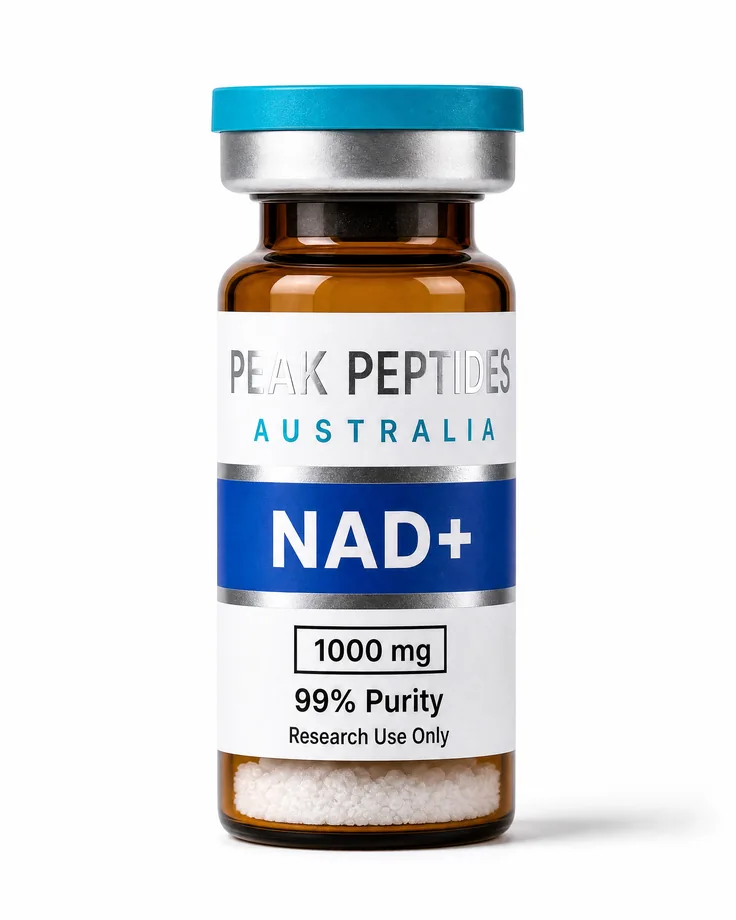 View on Peak SINGLEDosage chart
Nicotinamide Adenine Dinucleotide
Cited example and evidence context
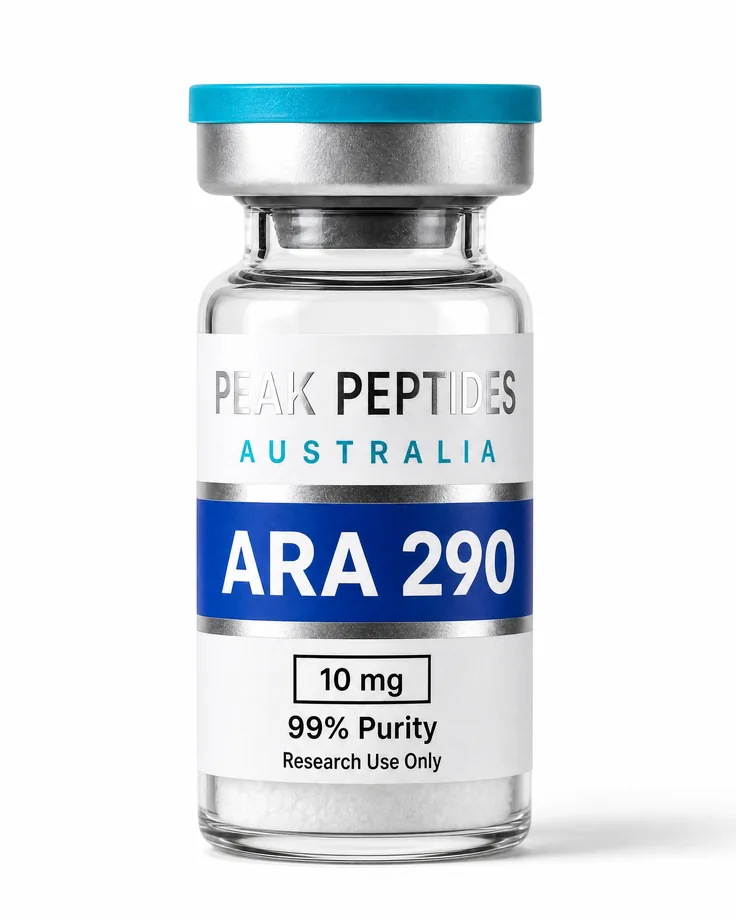 View on Peak SINGLEDosage chart
Cibinetide / EPO-derived 11-residue peptide
Cited example and evidence context