
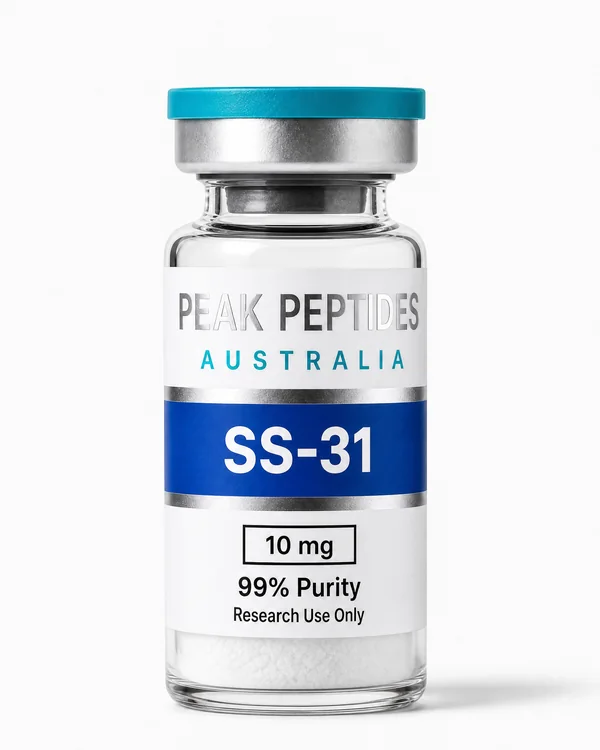
 View on Peak SINGLEDosage chart
SS-31
SS-31 (Elamipretide / Bendavia)
Research summary · not a validated human regimen
Open dosage chart
Mitochondrial-derived peptide · mitochondrial 12S rRNA peptide
The reference calculation sequence uses 200 mcg once daily for weeks 1–2, then adds 200 mcg every 2 weeks to 1,000 mcg from week 9. With the default 10 mg vial plus 3 mL bacteriostatic water, the concentration is 3.33 mg/mL and 200 mcg is 6 U-100 units. This is an illustrative reference sequence, not an established human dose.
Reviewed 25 Oct 2026 · Education only, not medical advice
Illustrative daily sequence · 10 mg vial + 3 mL BAC water
3 mL is the bacteriostatic-water mix shown on Peak's 10 mg and 20 mg pages and in the 10 mg reference protocol.
| Week | Daily dose | Syringe units | Syringe fill |
|---|---|---|---|
| Weeks 1–2Start | 200 mcg | 6 units0.06 mL | |
| Weeks 3–4 | 400 mcg | 12 units0.12 mL | |
| Weeks 5–6 | 600 mcg | 18 units0.18 mL | |
| Weeks 7–8 | 800 mcg | 24 units0.24 mL | |
| Week 9 onwardsMaintenance | 1 mg | 30 units0.3 mL |
Once daily · any consistent time · subcutaneous injection
The cited source presents this as a worked concentration and supply calculation, rather than a recommended human regimen.
The sequence increases by 200 mcg every 2 weeks; it does not establish an appropriate amount, cycle or timing for a person.
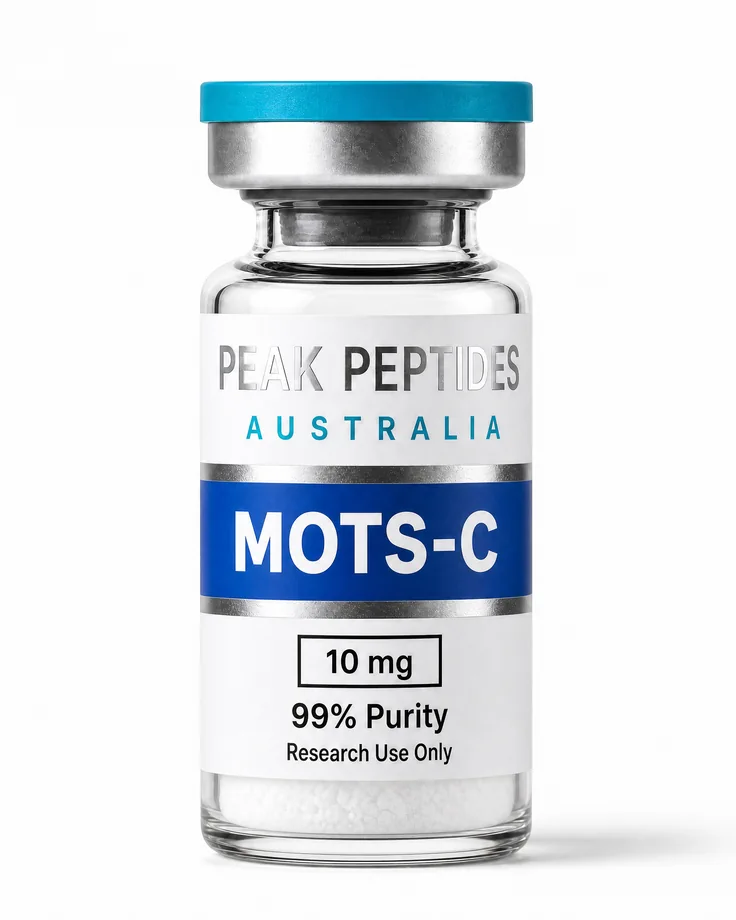
Illustrative reference-site amounts only — MOTS-C has no clinically established human dose. Education only, not medical advice. Dose amounts adapted from MOTS-C 10 mg vial dosage protocol (PeptideDosages.com); units are recalculated for the vial and mix selected above.
Using a 1 mL (100-unit) insulin syringe, 3 full draws of bacteriostatic water gives 3.33 mg/mL.
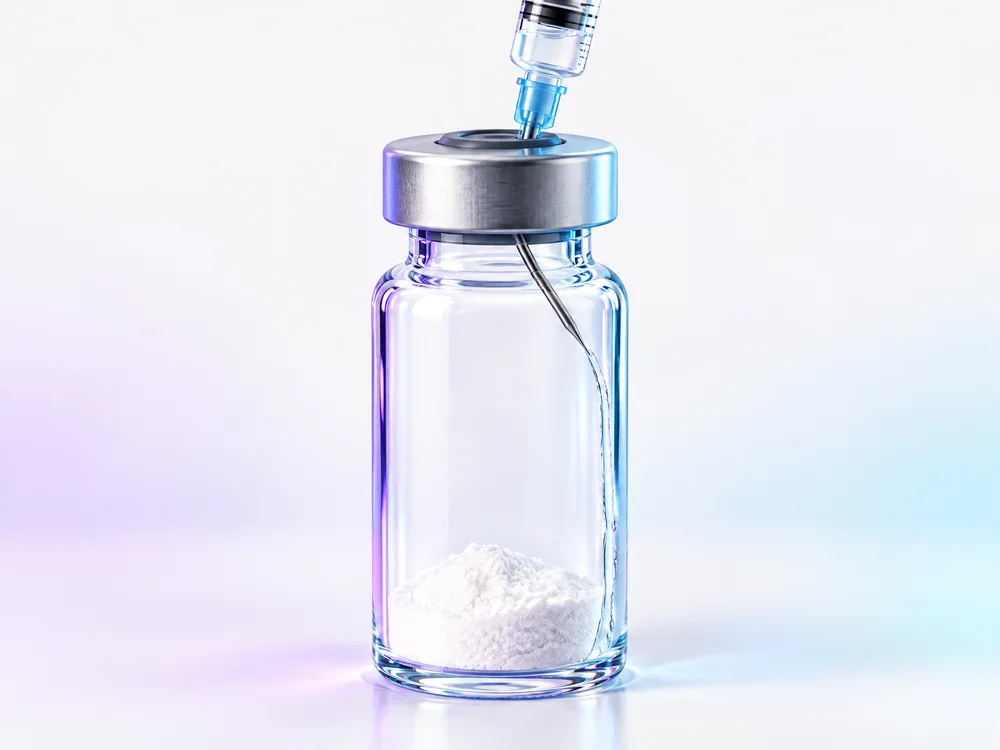 1
Wipe both rubber stoppers with an alcohol swab and let them dry. Draw 3 mL of bacteriostatic water and let it run slowly down the inside of the vial wall — not straight onto the powder.
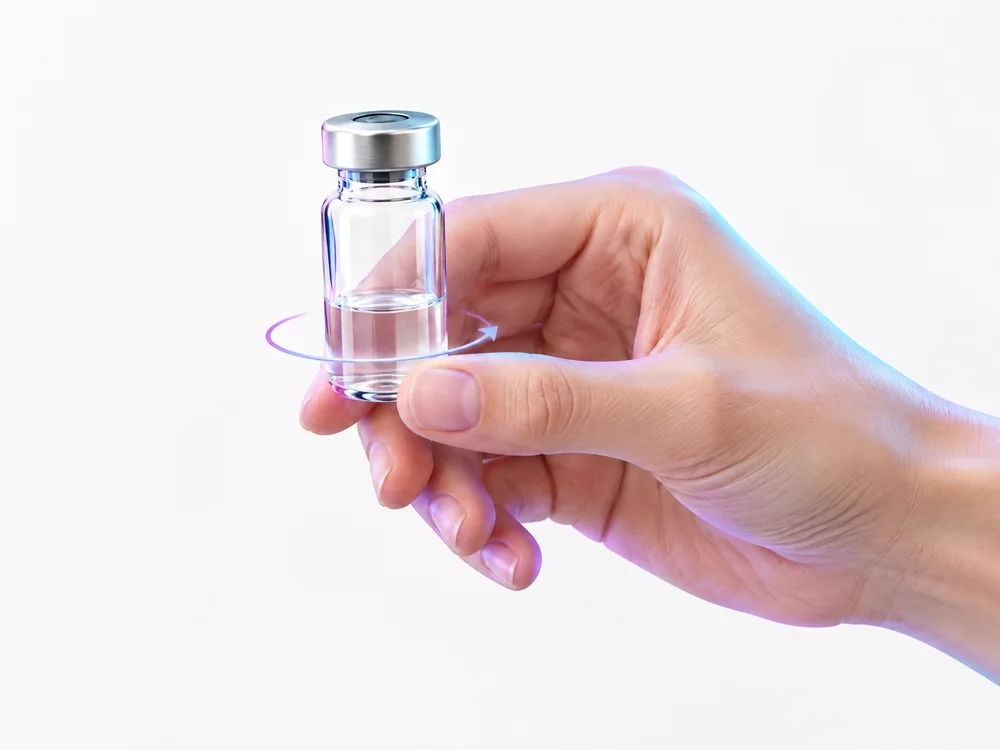 2
Swirl or roll the vial gently until the powder has dissolved. Give it a few minutes to settle if needed.
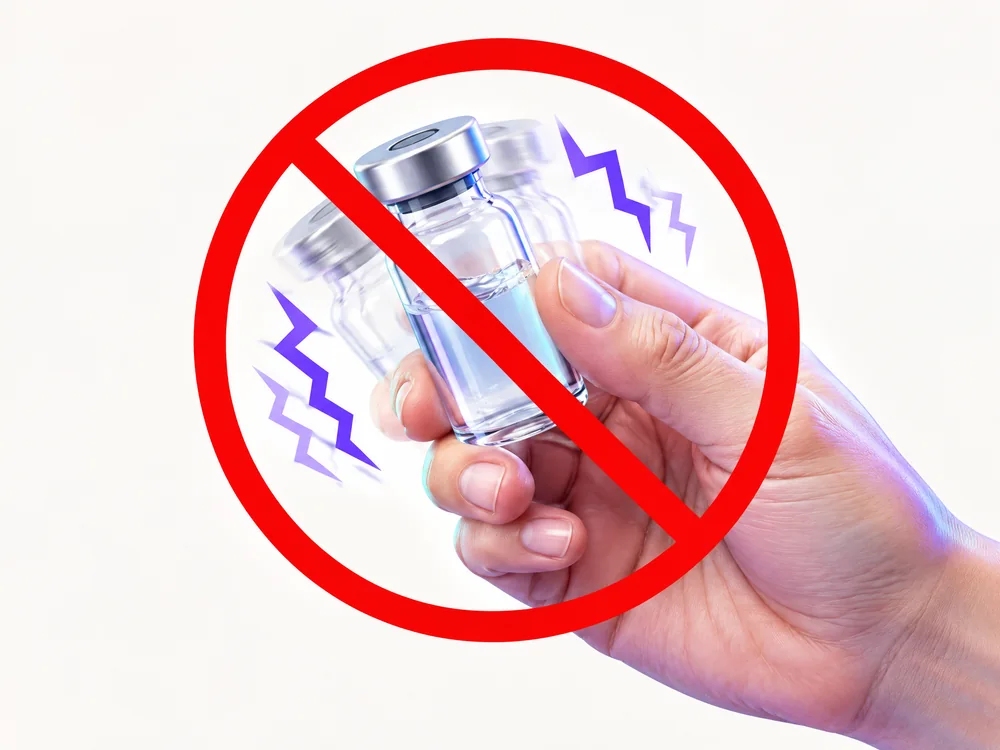 3
Shaking can damage the peptide and cause foaming. Gentle swirling only.
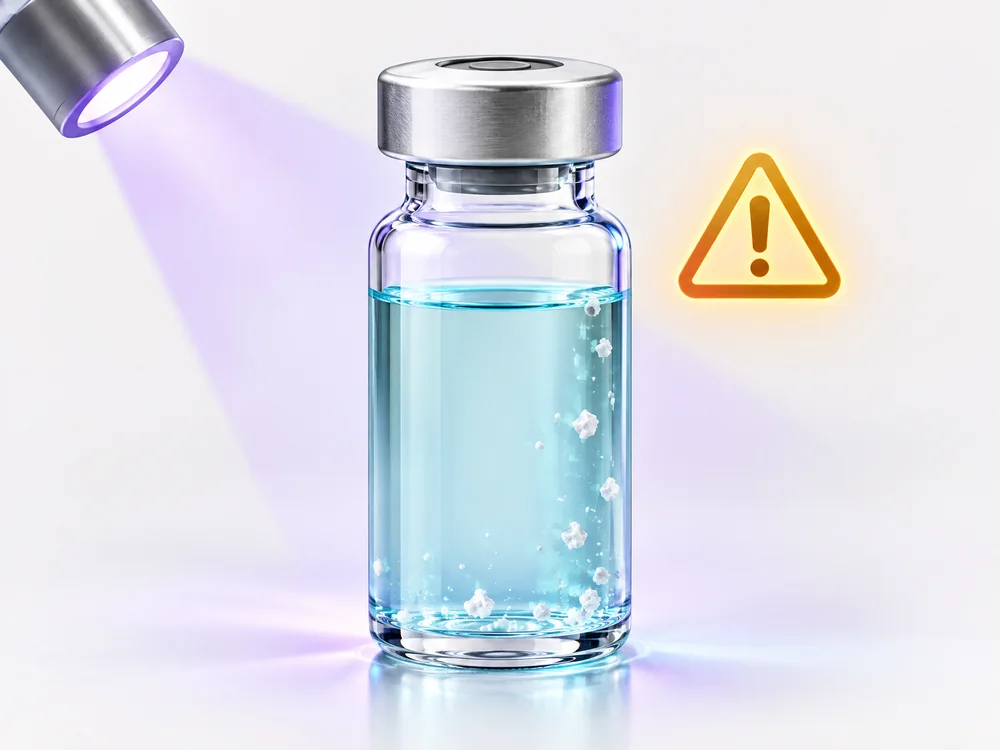 4
Only use it once it is fully clear with no particles. Label the vial with the date and 3.33 mg/mL, then store it in the fridge at 2–8 °C.
Counts follow the dosage chart above at the highest amount in each step, using a 10 mg vial mixed with 3 mL.
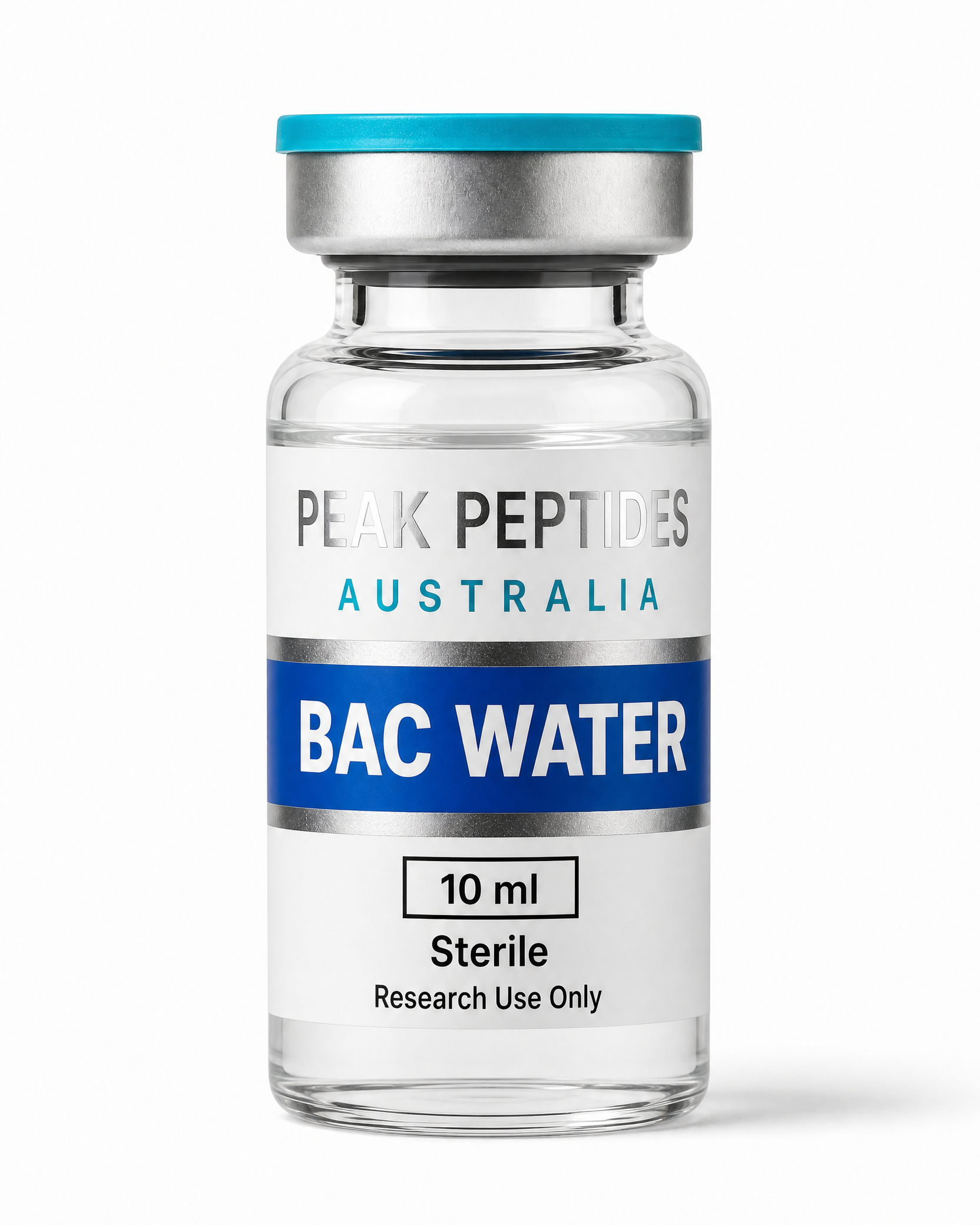
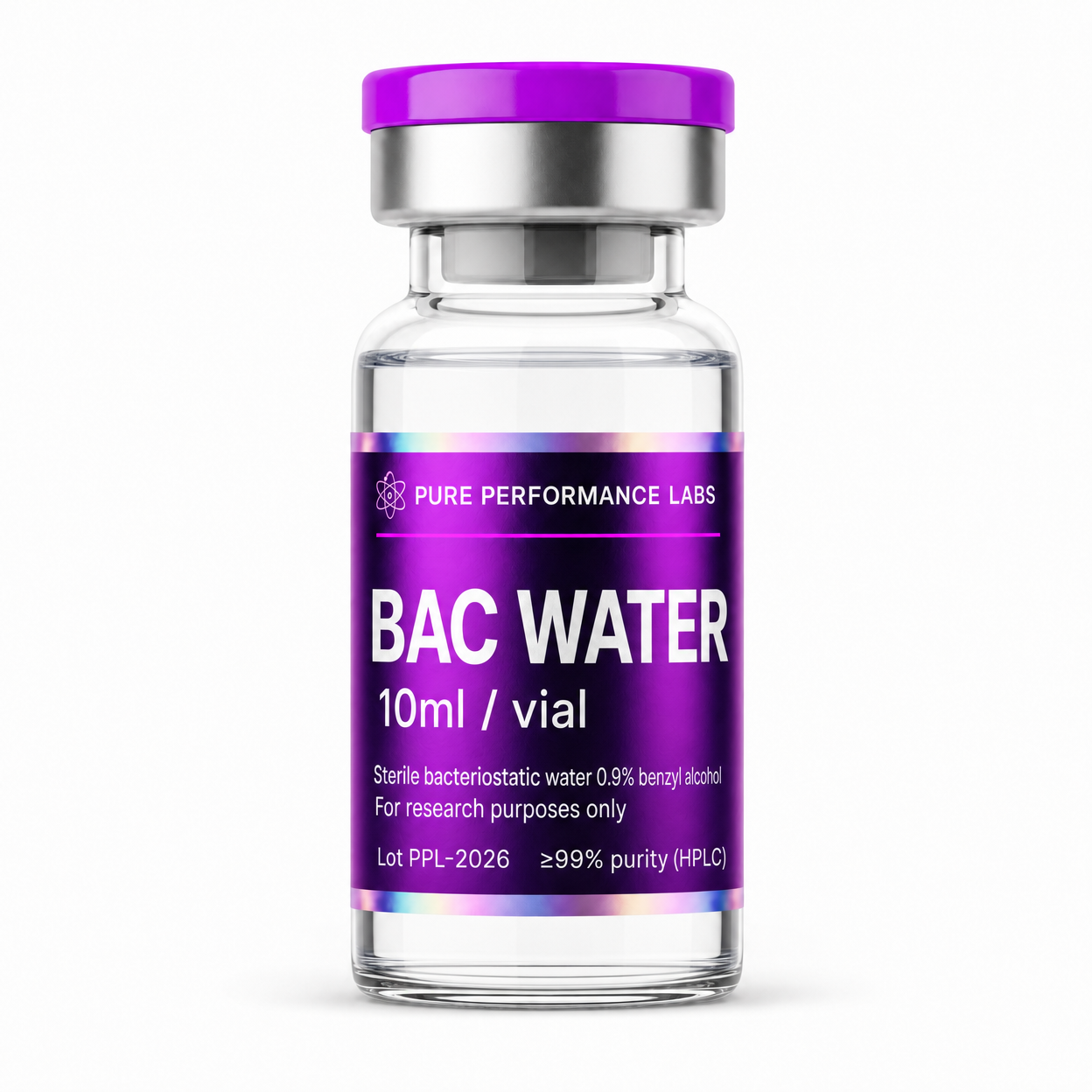
Plus an approved sharps container. Syringes and swabs are sold by Australian pharmacies — Peak Peptides and Pure Performance supply the bacteriostatic water.
Enter your vial, water and dose to see the matching syringe units.
Concentration
3.33 mg/mL
(3333 mcg/mL)
Calculated Liquid Volume
0.060 mL
Equivalent U-100 volume scale position
Illustration of a U-100 volume scale, not preparation or injection guidance
MOTS-C is a 16-amino-acid peptide encoded within mitochondrial 12S rRNA. In cell and mouse research, it affected folate and purine pathways, increased AICAR and was linked with AMPK activation; these findings do not establish a human treatment effect.
In a cellular metabolic-stress model, MOTS-C moved to the nucleus in an AMPK-dependent manner and influenced stress-responsive gene expression. That laboratory mechanism does not provide a human injection dose.
Guidance: World Health Organization · National Diabetes Services Scheme (NDSS)
With the default 10 mg vial plus 3 mL of bacteriostatic water, the concentration is 3.33 mg/mL. A 200 mcg amount is 6 U-100 units, or 0.06 mL.
The default mix is 3 mL. For a 10 mg vial, that calculates to 3.33 mg/mL, where 1 mg is 30 U-100 units or 0.30 mL.
At 200 mcg once daily, a 10 mg vial contains 50 daily amounts. At 400 mcg it contains 25, at 600 mcg about 16.7, at 800 mcg 12.5, and at 1,000 mcg 10 daily amounts. These are vial-content calculations, not use-by periods.
No. FDA's 2026 review found no clinical studies or human exposure data for MOTS-C drug products in the literature it assessed. A Phase 2 registry entry is recruiting but posts neither an administered amount nor results.
View on Peak SINGLEDosage chartSS-31 (Elamipretide / Bendavia)
5-Aminoimidazole-4-carboxamide Ribonucleotide
NNMT Inhibitor