Skip to content
Dosage guide · 10 mg vial

ARA-290 Dosage Protocol

Cibinetide · EPO-derived 11-amino-acid innate repair receptor peptide

The reference-page calculation follows one published schedule: 4 mg once daily under the skin for 28 days; it does not step up. With 2 mL of bacteriostatic water, a 10 mg vial is 5 mg/mL, so 4 mg is 80 units (0.80 mL) on a U-100 syringe.

How oftenOnce daily
Starting dose4 mg
Start = units80 units
Mix2 mL BAC water

Reviewed 25 Oct 2026 · Education only, not medical advice
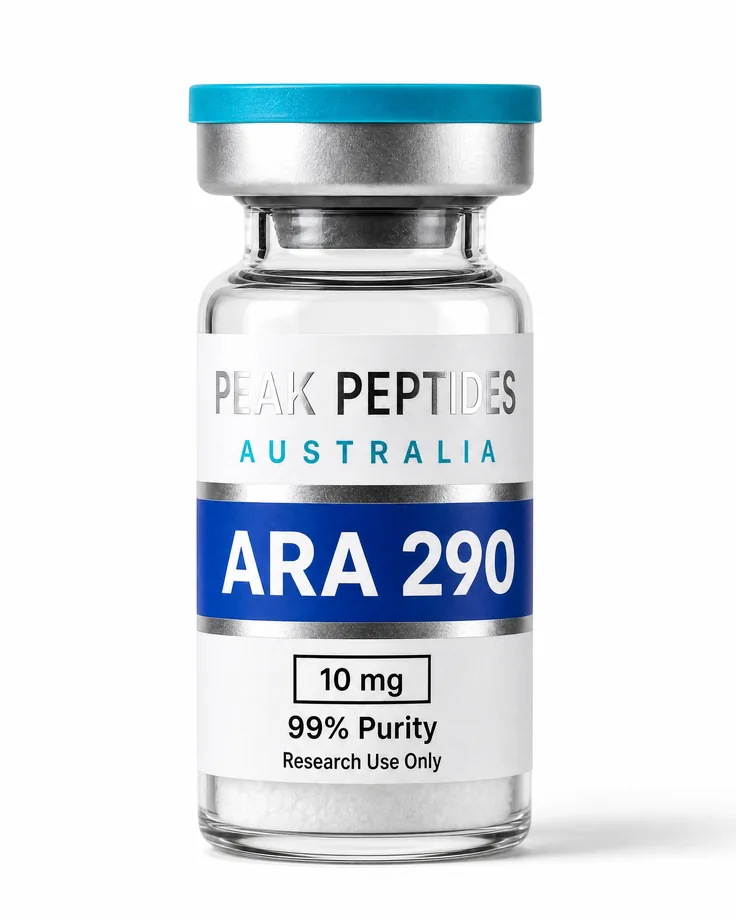
Peak Peptides Australia ARA-290 10 mg vial

ARA-290 10 mg vial

View on Peak Also at Pure Performance

Exact Peak Peptides Australia product photo

01 · DOSAGE CHART

ARA-290 dosage chart

Published 28-day schedule · 10 mg vial + 2 mL BAC water

BAC water added
Concentration5 mg/mL
1 unit (U-100)50 mcg= 0.01 mL
How oftenOnce dailySubcutaneous injection

Both listed supplier pages use 2 mL of bacteriostatic water, making 5 mg/mL; at this concentration, 4 mg is 80 U-100 units.

ARA-290 dosage chart for a 10 mg vial mixed with 2 mL of bacteriostatic water
DaysDaily doseSyringe units
Days 1–28Start4 mg80 units0.8 mL

Once daily · subcutaneous · for 28 days

This chart reproduces one 4 mg once-daily subcutaneous 28-day research schedule; it is not a dose-escalation schedule.

Separate sarcoidosis groups used 1 mg, 4 mg or 8 mg once daily for 28 days, while a pilot used 2 mg intravenously three times weekly; do not combine them.

Published investigational-study amount — ARA-290 has no approved or clinically established human dose. Education only, not medical advice. Dose amounts adapted from ARA-290 10 mg vial dosage protocol (PeptideDosages.com); units are recalculated for the vial and mix selected above.

02 · HOW TO MIX

Mixing a 10 mg vial with 2 mL of BAC water

Using a 1 mL (100-unit) insulin syringe, 2 full draws of bacteriostatic water gives 5 mg/mL.
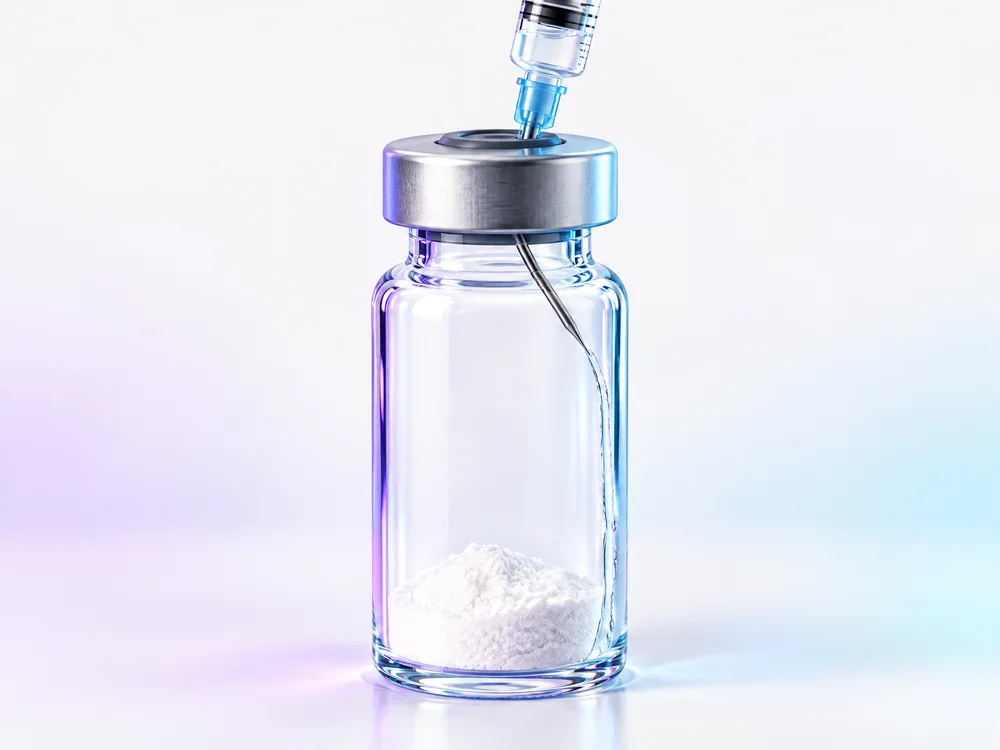
  1. Bacteriostatic water running slowly down the inside wall of a peptide vial1

    Add the water slowly

    Wipe both rubber stoppers with an alcohol swab and let them dry. Draw 2 mL of bacteriostatic water and let it run slowly down the inside of the vial wall — not straight onto the powder.
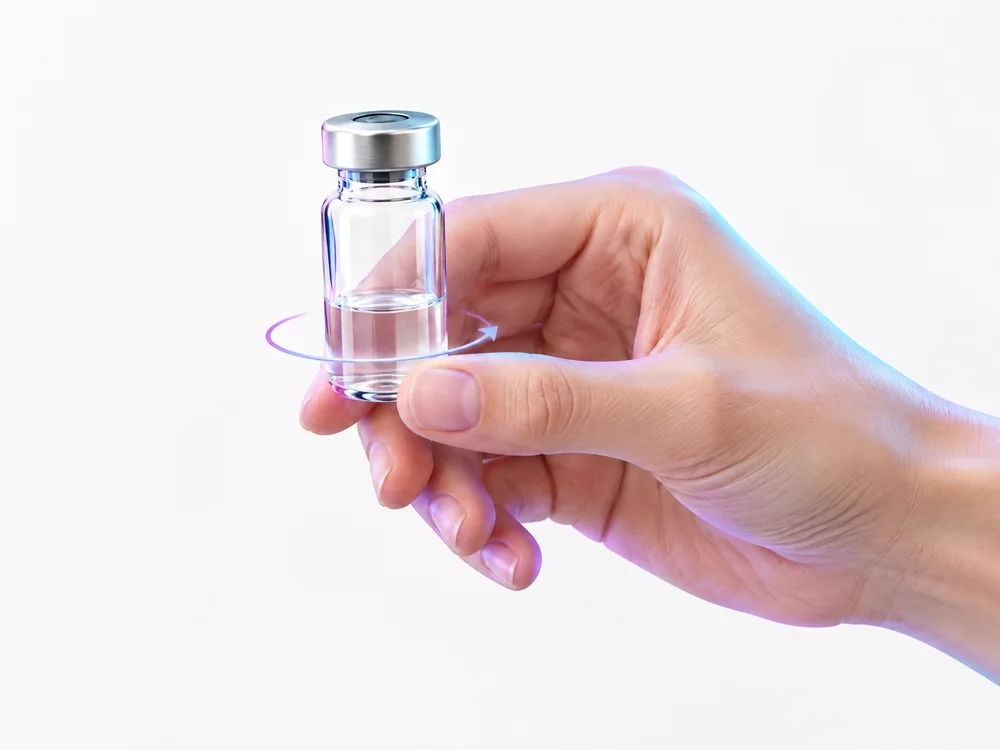
  2. Hand gently swirling an upright vial in a small circle2

    Swirl gently

    Swirl or roll the vial gently until the powder has dissolved. Give it a few minutes to settle if needed.
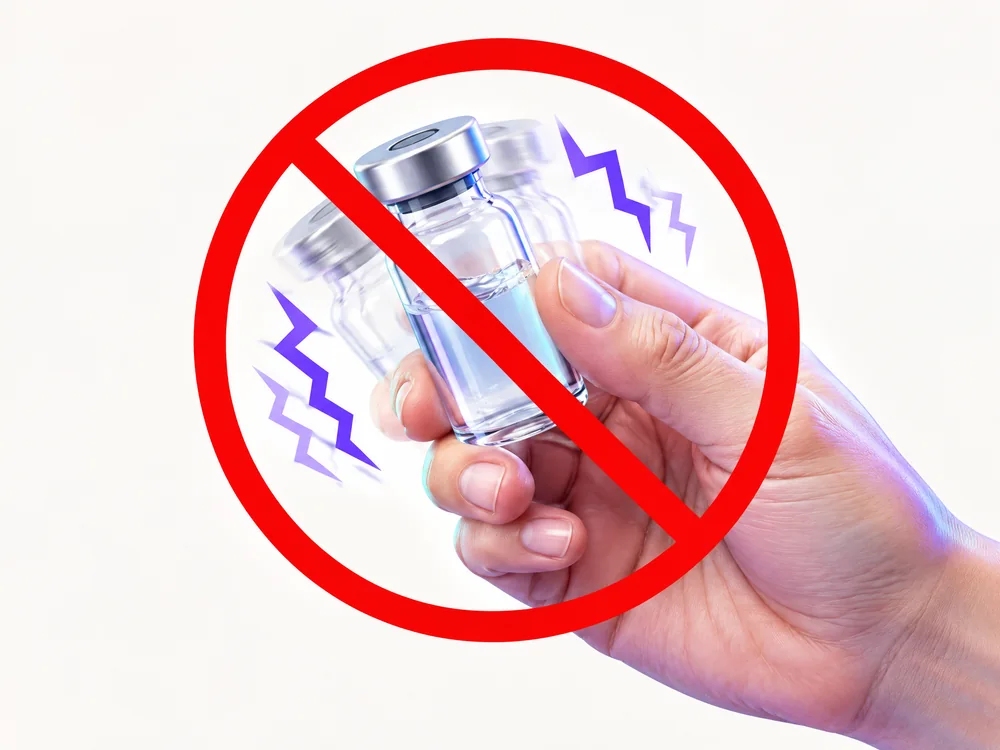
  3. A vial being shaken with a red cross through it3

    Don't shake it

    Shaking can damage the peptide and cause foaming. Gentle swirling only.
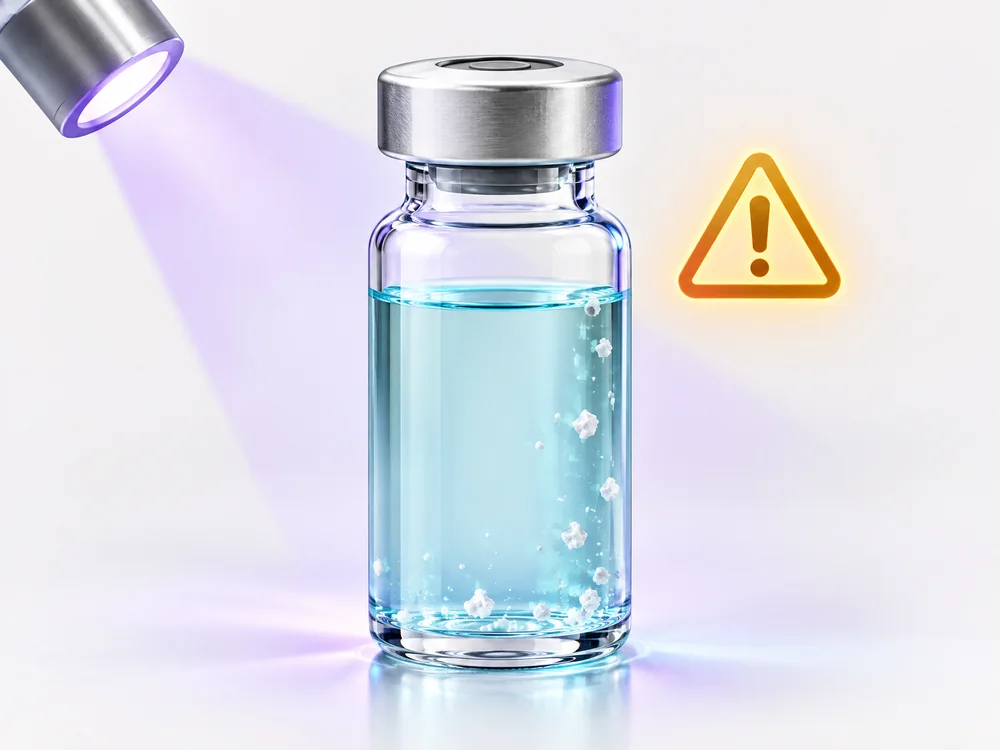
  4. Close-up of a vial with small undissolved particles and a caution symbol4

    Check it's fully clear

    Only use it once it is fully clear with no particles. Label the vial with the date and 5 mg/mL, then store it in the fridge at 2–8 °C.

Full illustrated reconstitution guide
03 · SUPPLIES NEEDED

What you'll need

Counts follow the dosage chart above at the highest amount in each step, using a 10 mg vial mixed with 2 mL.

Length of protocol
3ARA-290 10 mg vials28 mg needed in total
101 mL insulin syringesU-100, 27–31G · one per draw + one per vial mixed
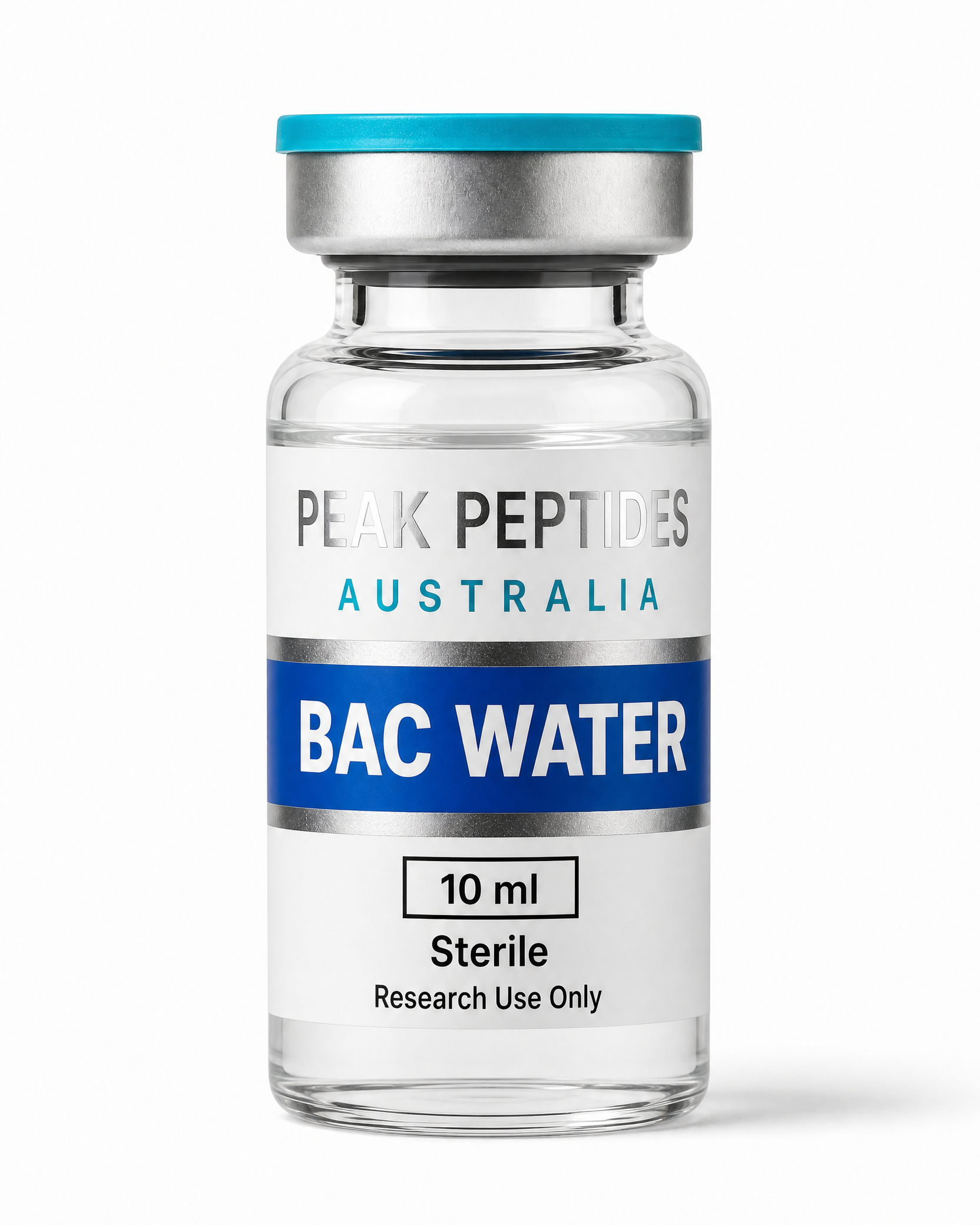
1BAC water 10 mL bottle6 mL used for mixing
20Alcohol swabsSkin + stopper, every time

Plus an approved sharps container. Syringes and swabs are sold by Australian pharmacies — Peak Peptides and Pure Performance supply the bacteriostatic water.

04 · CALCULATOR

Check a different amount

Enter your vial, water and dose to see the matching syringe units.

Concentration Calculator
mg
2 mL
mg

Concentration

5.00 mg/mL

(5000 mcg/mL)

Calculated Liquid Volume

0.800 mL

Equivalent U-100 volume scale position

80markings (not biological IU)
010203040506070809010080 marks

Illustration of a U-100 volume scale, not preparation or injection guidance

05 · PROTOCOL DETAILS

About ARA-290

Protocol overview

Chart amount
4 mg once daily for 28 days
How it increases
It does not increase in the chart source
Frequency
Once daily
Route in chart source
Subcutaneous
Duration in chart source
28 days
Common mix
2 mL bacteriostatic water → 5 mg/mL

Storage

Before mixing
Keep the sealed lyophilised vial dry at 2–8 °C and protected from light; Peak specifies −20 °C for long-term unopened-powder storage.
After mixing
Keep upright at 2–8 °C, away from light. Peak says to use the mixed vial within about 28 days.
Never
Never freeze the mixed vial, repeatedly freeze and thaw it, or use it if it is cloudy, discoloured or has particles.

How it works

ARA-290, also called cibinetide, is a synthetic 11-amino-acid peptide engineered from erythropoietin. It is not erythropoietin itself.

Published research describes ARA-290 as acting at the innate repair receptor, involving the erythropoietin receptor and CD131. It was designed to investigate tissue-protection and anti-inflammatory signalling without erythropoietin's classical red-blood-cell effect.

Illustrated mechanism explainer

What the research shows

  • In a controlled type 2 diabetes study, 4 mg ARA-290 was self-administered subcutaneously once daily for 28 days, followed by 28 days without treatment.
  • Among 42 participants with complete serial HbA1c results in that report, mean HbA1c change at day 28 was −0.16% with ARA-290 and −0.01% with placebo; at day 56 it was −0.21% and +0.21%, respectively (p = 0.002).
  • PainDetect neuropathic-symptom scores improved by 3.3 points with ARA-290 and 1.1 points with placebo at day 28; the report described a between-group difference over time (p = 0.037).
  • A 22-person sarcoidosis pilot used 2 mg intravenously three times weekly for four weeks; this was a different route and schedule from the chart.
  • A completed 64-person sarcoidosis dose-ranging trial allocated separate 1 mg, 4 mg and 8 mg subcutaneous once-daily groups for 28 days; these were parallel groups, not dose steps for one person.
  • ARA-290 is not a TGA-approved medicine or an FDA-approved drug; the ARTG and Drugs@FDA are the relevant official searchable registers.

Reported side effects

  • In the 28-day diabetes study, the frequency distribution of adverse events was similar between groups: 54 mild, 9 moderate and 1 severe event classification with ARA-290, versus 61 mild and 5 moderate with placebo.
  • That report recorded four serious adverse events in the ARA-290 group; two were judged possibly related, including worsening renal insufficiency in a participant whose furosemide dose had increased. The investigator judged a fatal myocardial infarction after cellulitis unrelated to ARA-290.
  • No clinically significant haematology or clinical-chemistry changes were observed in the diabetes report, and anti-ARA-290 titres after 28 days were negative.
  • In the 22-person four-week intravenous sarcoidosis pilot, investigators reported no adverse events, but its size and duration cannot establish long-term safety.
  • Human evidence is short-term and condition-specific, so harms and effectiveness for other uses or for supplier research vials are unknown.

Important notes

  • ARA-290 is not a TGA-approved medicine in Australia and is not FDA-approved; the listed supplier products are research products, not licensed clinical formulations.
  • Prohibited in sport: WADA's 2026 List prohibits innate repair receptor agonists at all times. ARA-290 is described in the literature as an innate repair receptor agonist, but is not named individually; athletes should confirm status with their anti-doping organisation.
  • The 1 mg, 4 mg and 8 mg sarcoidosis groups were separate parallel groups, not a progression. Do not combine them with the 2 mg intravenous pilot or the 4 mg subcutaneous chart schedule.
  • A third-party research vial cannot be assumed equivalent to the controlled clinical-trial formulation in identity, purity, sterility, excipients or stability.
  • Never use a mixed vial that is cloudy or has particles in it.

Injection basics

  • Use a new sterile 1 mL (100-unit) U-100 insulin syringe, 27–31G, every time — never reuse or share.
  • Wipe the vial stopper and the skin with an alcohol swab and let both dry first.
  • Inject under the skin (subcutaneously) of the abdomen, thigh or upper arm, and rotate sites.
  • Put used syringes straight into an approved sharps container — the NDSS lists Australian disposal options.

Guidance: World Health Organization · National Diabetes Services Scheme (NDSS)

06 · QUICK ANSWERS

ARA-290 questions

How many units is 4 mg of ARA-290?

With the default 2 mL mix in a 10 mg vial, the concentration is 5 mg/mL. A 4 mg amount is 80 U-100 units, or 0.80 mL.

How much bacteriostatic water is used for an ARA-290 10 mg vial?

Both listed supplier pages show 2 mL of bacteriostatic water for the 10 mg vial. This makes 5 mg/mL, so each 20 U-100 units equals 1 mg.

How long does a 10 mg ARA-290 vial last at 4 mg daily?

At the cited 4 mg daily research schedule, one 10 mg vial contains 2.5 daily amounts. The full 28 days total 112 mg, which is 11.2 vials and rounds up to 12 whole 10 mg vials.

Does the ARA-290 chart step up from 1 mg to 8 mg?

No. The chart follows one 4 mg once-daily, 28-day subcutaneous study schedule. The 1 mg, 4 mg and 8 mg amounts were separate groups in a different sarcoidosis trial, not stages of one schedule.

07 · SOURCES

References

Related dosage guides

All dosages