Skip to content
Dosage guide · 10 mg vial

Semax Dosage Protocol

ACTH(4–7)-Pro-Gly-Pro · synthetic heptapeptide

The reference schedule is intranasal: 200–300 mcg per administration, 2–3 times in the first half of the day for 5 days. With Peak's 2 mL default measurement mix, a 10 mg vial is 5 mg/mL, so 200 mcg is 4 U-100 units (0.04 mL). That conversion does not turn this intranasal source schedule into an injection protocol.

How often2–3 times daily
Starting dose200 mcg
Start = volume4 units
Mix2 mL BAC water

Reviewed 25 Oct 2026 · Education only, not medical advice
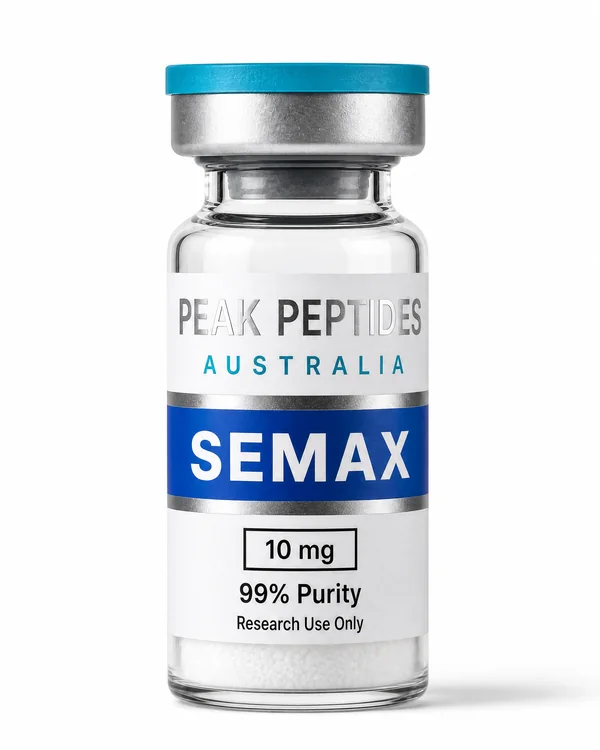
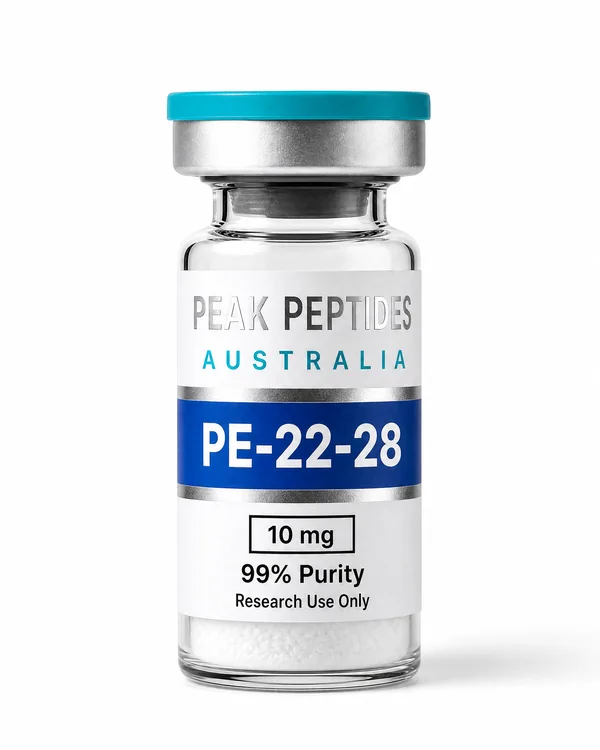
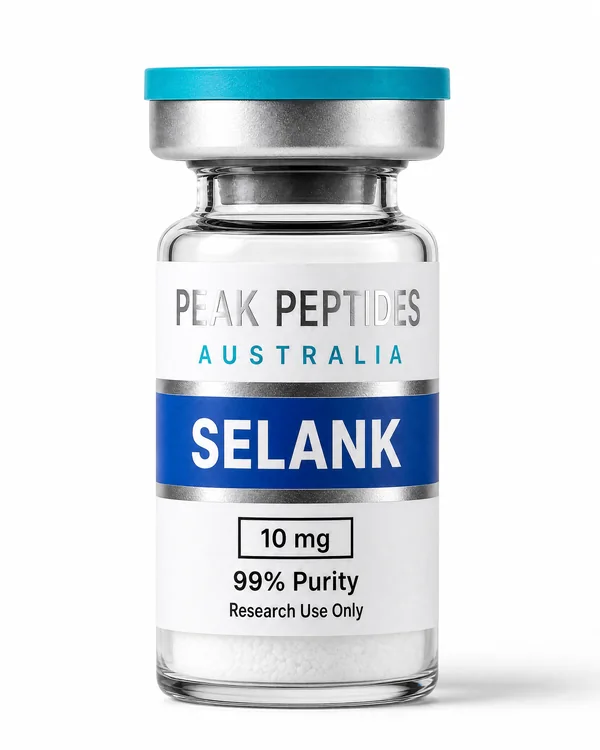
Peak Peptides Australia Semax 10 mg vial

Semax 10 mg vial

View on Peak

Exact Peak Peptides Australia product photo

01 · DOSAGE CHART

Semax dosage chart

Five-day nasal reference · 10 mg vial + 2 mL BAC water

BAC water added
Concentration5 mg/mL
1 unit (U-100)50 mcg= 0.01 mL
How often2–3 times dailyIntranasal (source route)

Peak's Semax page shows a 2 mL BAC-water reference mix, giving 5 mg/mL; it is a vial measurement conversion, not an intranasal formulation.

The source schedule is intranasal. Units show how much of the mixed vial each amount represents — they are not an injection instruction.

Semax dosage chart for a 10 mg vial mixed with 2 mL of bacteriostatic water
DaysDose each timeSyringe units
Days 1–5Start200–300 mcg4–6 units0.04–0.06 mL

2–3 times daily · first half of day · intranasal route

Each administration is 200–300 mcg; the source describes 400–900 mcg per day.

The source specifies the first half of the day and does not establish a general ongoing cycle.

This is an intranasal source schedule and cannot be converted into a subcutaneous injection schedule.

Reference-site amounts for intranasal research — Semax has no TGA-approved or clinically established subcutaneous dose. Education only, not medical advice. Dose amounts adapted from Semax 10 mg vial dosage protocol (PeptideDosages.com); units are recalculated for the vial and mix selected above.

02 · HOW TO MIX

Mixing a 10 mg vial with 2 mL of BAC water

Using a 1 mL (100-unit) insulin syringe, 2 full draws of bacteriostatic water gives 5 mg/mL.
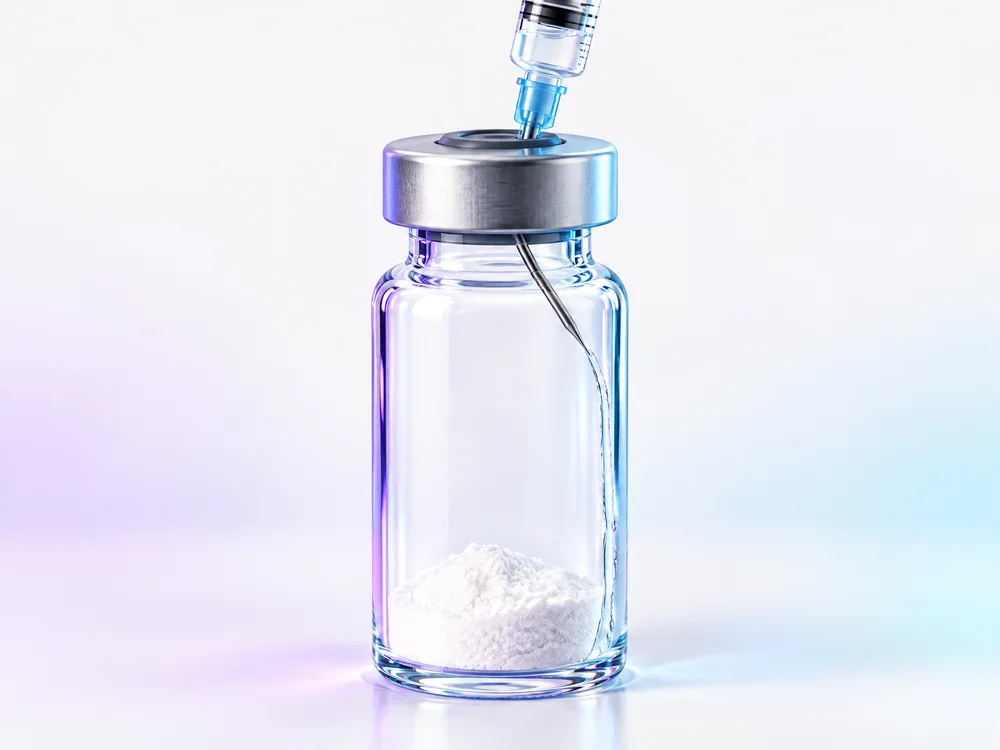
  1. Bacteriostatic water running slowly down the inside wall of a peptide vial1

    Add the water slowly

    Wipe both rubber stoppers with an alcohol swab and let them dry. Draw 2 mL of bacteriostatic water and let it run slowly down the inside of the vial wall — not straight onto the powder.
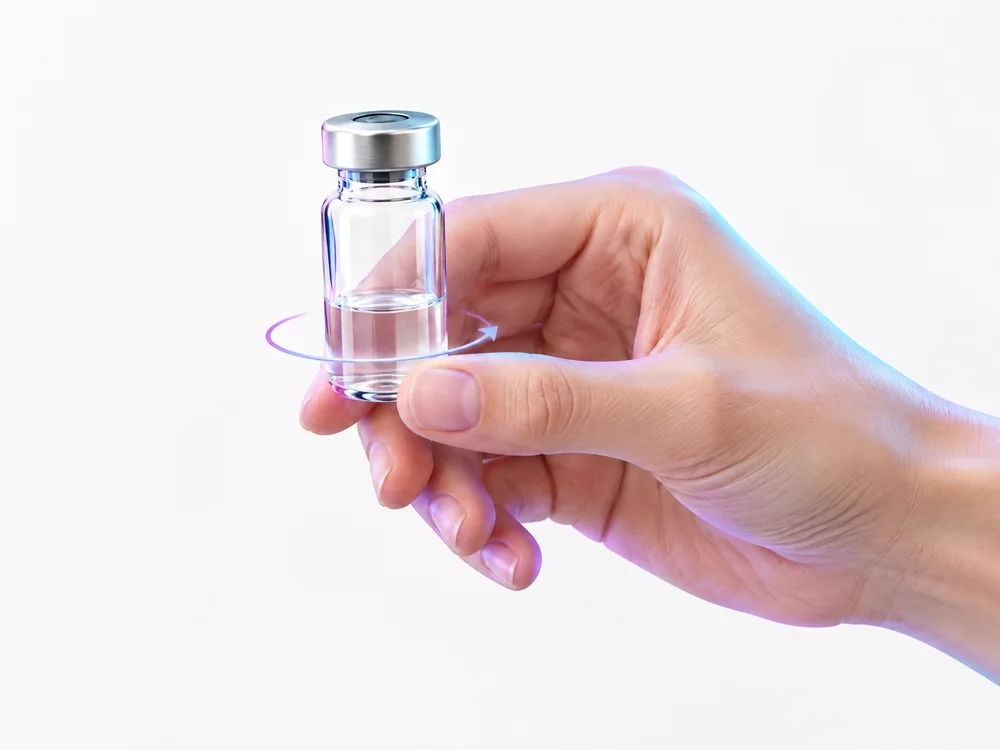
  2. Hand gently swirling an upright vial in a small circle2

    Swirl gently

    Swirl or roll the vial gently until the powder has dissolved. Give it a few minutes to settle if needed.
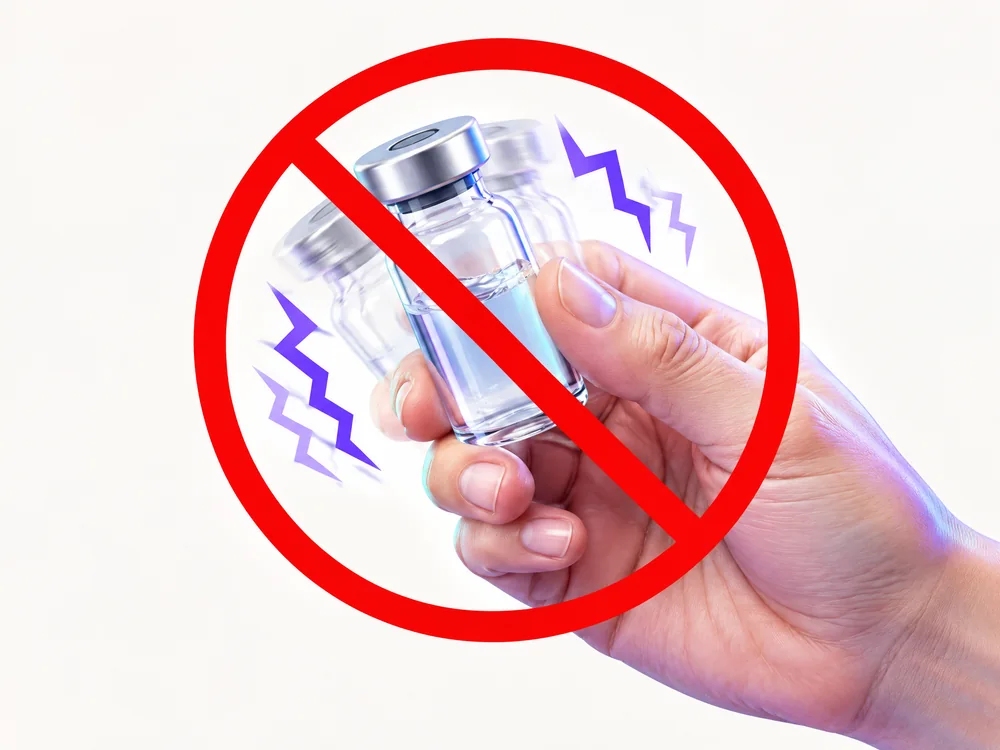
  3. A vial being shaken with a red cross through it3

    Don't shake it

    Shaking can damage the peptide and cause foaming. Gentle swirling only.
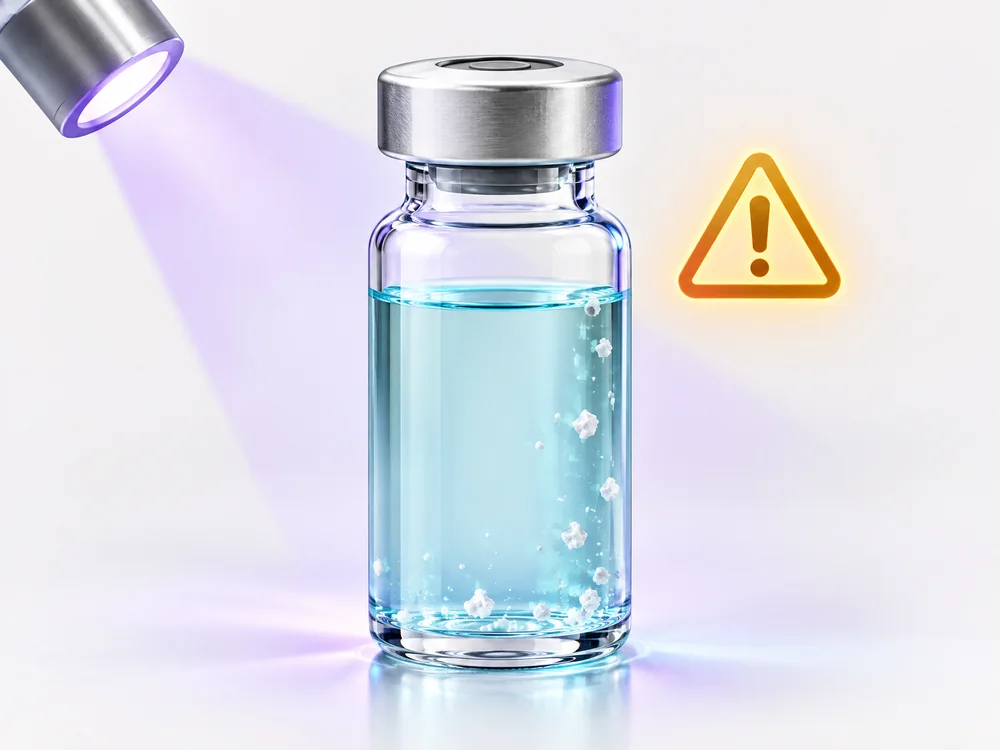
  4. Close-up of a vial with small undissolved particles and a caution symbol4

    Check it's fully clear

    Only use it once it is fully clear with no particles. Label the vial with the date and 5 mg/mL, then store it in the fridge at 2–8 °C.

Full illustrated reconstitution guide
03 · SUPPLIES NEEDED

What you'll need

Counts follow the dosage chart above at the highest amount in each step, using a 10 mg vial mixed with 2 mL.

Length of protocol
1Semax 10 mg vial3 mg needed in total
11 mL insulin syringesOne per vial mixed
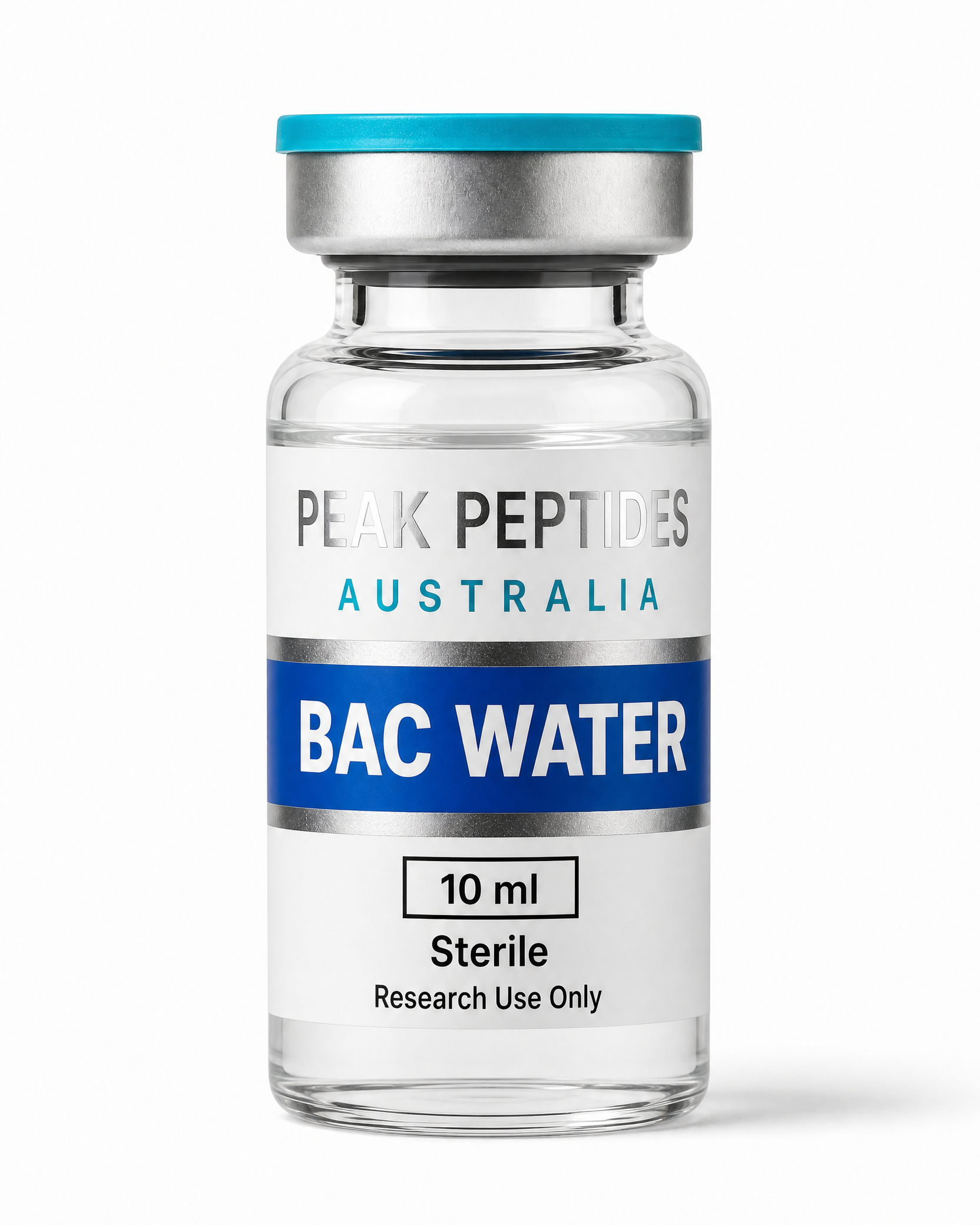
1BAC water 10 mL bottle2 mL used for mixing
2Alcohol swabsStoppers when mixing

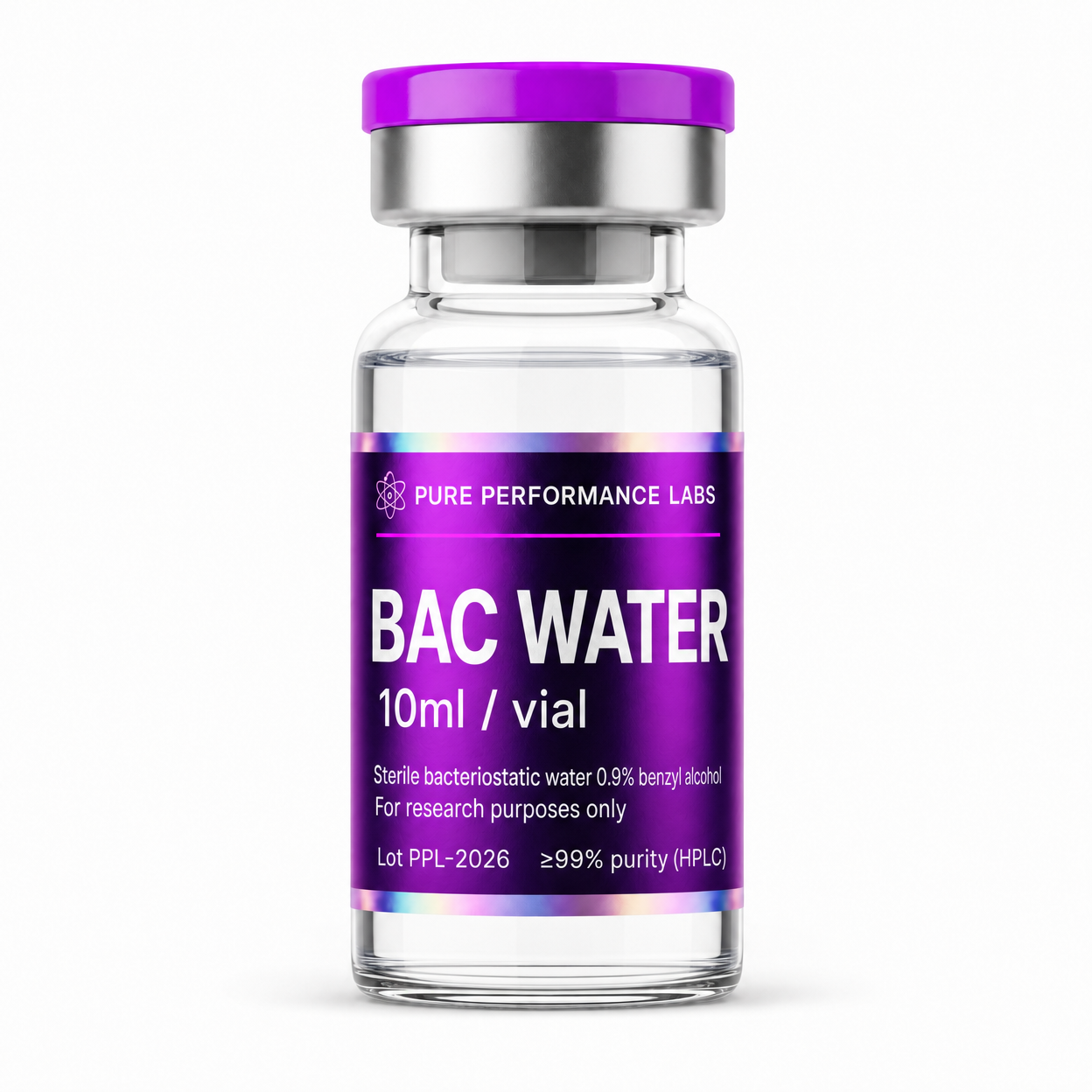
Syringes and swabs are sold by Australian pharmacies — Peak Peptides and Pure Performance supply the bacteriostatic water.

04 · CALCULATOR

Check a different amount

Enter your vial, water and dose to see the matching syringe units.

Concentration Calculator
mg
2 mL
mcg

Concentration

5.00 mg/mL

(5000 mcg/mL)

Calculated Liquid Volume

0.040 mL

Equivalent U-100 volume scale position

4markings (not biological IU)
01020304050607080901004 marks

Illustration of a U-100 volume scale, not preparation or injection guidance

05 · PROTOCOL DETAILS

About Semax

Protocol overview

Reference amount
200–300 mcg per intranasal administration
Frequency
2–3 times daily in the first half of the day
Source duration
5 days; no general ongoing cycle established
Published route
Intranasal drops or measured nasal solution
Peak mix reference
2 mL BAC water → 5 mg/mL
200 mcg measurement
4 U-100 units = 0.04 mL at 5 mg/mL; not an injection instruction

Storage

Before mixing
Keep the sealed vial under supplier-documented conditions and protect it from light.
After mixing
Refrigerate at 2–8 °C and protect from light; no sourced shelf life establishes stability for a custom BAC-water mixture.
Never
Do not assume storage directions for the registered Russian nasal drops apply to a custom preparation.

How it works

Semax is a synthetic seven-amino-acid peptide, Met-Glu-His-Phe-Pro-Gly-Pro, also called ACTH(4–7)-Pro-Gly-Pro. It is distinct from full-length ACTH and has been studied in neurotrophin-related signalling.

In a rat focal-ischaemia model, Semax changed expression of many genes, including Bdnf; this is a preclinical molecular finding, not proof of a human clinical effect.

Small human intranasal experiments have measured functional brain-network or clinical endpoints, but they do not establish a general cognitive or neuroprotective outcome for this research vial.

Illustrated mechanism explainer

What the research shows

  • A 2018 resting-state fMRI experiment involved 24 healthy volunteers: 14 received intranasal 1% Semax and 10 placebo; the Semax group had a greater rostral default-mode-network subcomponent.
  • A 2018 clinical report followed 110 people after ischaemic stroke; its standard Semax regimen was 6,000 mcg per day for two 10-day courses separated by 20 days.
  • A 2013 moderate-head-injury report enrolled 40 people and used intranasal Semax for 5 days: 9 mg on day 1, 6 mg on day 2, then 3 mg daily on days 3–5 alongside standard treatment.
  • FDA states that clinical information is insufficient to characterise the safety profile of Semax free base or acetate, and it found no human pharmacokinetic studies for those forms by any route.
  • Semax is not a TGA-approved therapeutic good in Australia or an FDA-approved medicine in the United States; Peak identifies its 10 mg item as in-vitro research material.

Reported side effects

  • Human safety reporting is incomplete. FDA says available information is insufficient to characterise the safety profile of Semax free base or acetate.
  • The registered Russian nasal-drop instructions list mild irritation of the nasal mucosa with prolonged use; that preserved finished medicine is not the same as Peak's freeze-dried vial.
  • FDA flags potential immunogenicity from aggregation and peptide-related impurities in compounded Semax products, including proposed nasal-spray and injectable forms.
  • FDA described one voluntary adverse-event report of eye pain and burning after online Semax 0.1% nasal drops, with hospitalisation and symptoms lasting at least a year; such reports cannot establish causation or frequency.

Important notes

  • Semax is not an approved medicine in Australia. Peak identifies this 10 mg item as in-vitro research material, not a therapeutic good or ready-made nasal medicine.
  • Published human Semax work and the Russian product instructions use intranasal drops or solution. No clinically established subcutaneous Semax dose was found.
  • The 2026 WADA Prohibited List does not name Semax. Athletes should confirm their current status with their sport's anti-doping organisation before use.
  • FDA notes insufficient clinical safety information and potential immunogenicity concerns related to aggregation and peptide-related impurities.
  • Never use a mixed vial that is cloudy or has particles in it.
06 · QUICK ANSWERS

Semax questions

How many syringe units is 200 mcg of Semax?

With 2 mL in a 10 mg vial, the concentration is 5 mg/mL. A 200 mcg amount is 4 U-100 units (0.04 mL), while 300 mcg is 6 units (0.06 mL). These are measurement conversions only and do not convert the intranasal source schedule into an injection protocol.

How much BAC water is used for Peak's Semax 10 mg reference mix?

Peak's reference mix is 2 mL, which makes a 10 mg vial 5 mg/mL. At that concentration, 20 U-100 units are 1 mg. Peak's vial is not a ready-made nasal medicine, and this mix does not establish a nasal formulation.

How long does a 10 mg Semax vial last?

A nominal 10 mg vial contains 25 days at 400 mcg per day and about 11.1 days at 900 mcg per day. The reference schedule itself lasts 5 days, so these are content calculations rather than evidence for an extended cycle.

Can intranasal Semax amounts be converted to a subcutaneous dose?

No. The reference source, Russian instructions and published human reports describe intranasal preparations. No clinically established subcutaneous Semax dose was found, and route, formulation and absorption are not interchangeable.

What does the reference schedule say for Semax?

The reference chart gives 200–300 mcg per intranasal administration, 2–3 times in the first half of the day for 5 days. It states a daily total of 400–900 mcg and does not establish a general ongoing cycle.

07 · SOURCES

References

Related dosage guides

All dosages