Skip to content
Dosage guide · 10 mg vial

Adamax Dosage Protocol

N-acetyl Semax amidate · modified Semax analogue

The reference protocol starts at 300 mcg once daily for weeks 1–2, then increases to 500 mcg, 750 mcg and 1 mg in two-week steps. With 3 mL of bacteriostatic water, a 10 mg vial is 3.33 mg/mL, so the 300 mcg start amount is 9 units (0.09 mL) on a U-100 syringe.

How oftenOnce daily
Starting dose300 mcg
Start = units9 units
Mix3 mL BAC water

Reviewed 25 Oct 2026 · Education only, not medical advice

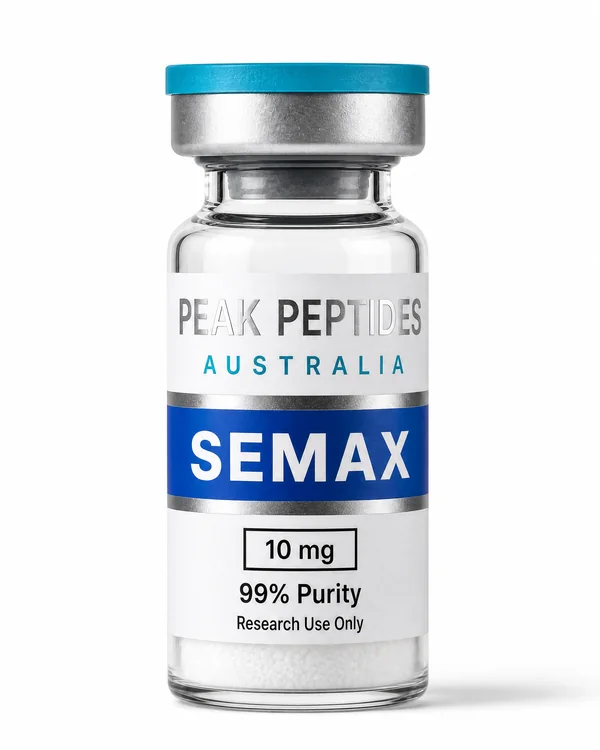
Adamax 10 mg vial

Not currently stocked by Peak Peptides Australia

No product photo — this strength isn't stocked by Peak

01 · DOSAGE CHART

Adamax dosage chart

Gradual daily approach · 10 mg vial + 3 mL BAC water

BAC water added
Concentration3.33 mg/mL
1 unit (U-100)33.3 mcg= 0.01 mL
How oftenOnce dailySubcutaneous injection

3 mL is the dilution on the reference protocol, giving 3.33 mg/mL and 9 units for the 300 mcg start amount.

Adamax dosage chart for a 10 mg vial mixed with 3 mL of bacteriostatic water
WeekDaily doseSyringe units
Weeks 1–2Start300 mcg9 units0.09 mL
Weeks 3–4500 mcg15 units0.15 mL
Weeks 5–6750 mcg22.5 units0.225 mL
Week 7 onwardsMaintenance1 mg30 units0.3 mL

Once daily · any consistent time · subcutaneous injection

Increase only at the two-week steps shown in the reference protocol.

The source's 12- and 16-week supply estimates assume 1 mg once daily continues after week 8.

Community-reported amounts — Adamax has no approved or clinically established human dose. Education only, not medical advice. Dose amounts adapted from Adamax 10 mg vial dosage protocol (PeptideDosages.com); units are recalculated for the vial and mix selected above.

02 · HOW TO MIX

Mixing a 10 mg vial with 3 mL of BAC water

Using a 1 mL (100-unit) insulin syringe, 3 full draws of bacteriostatic water gives 3.33 mg/mL.
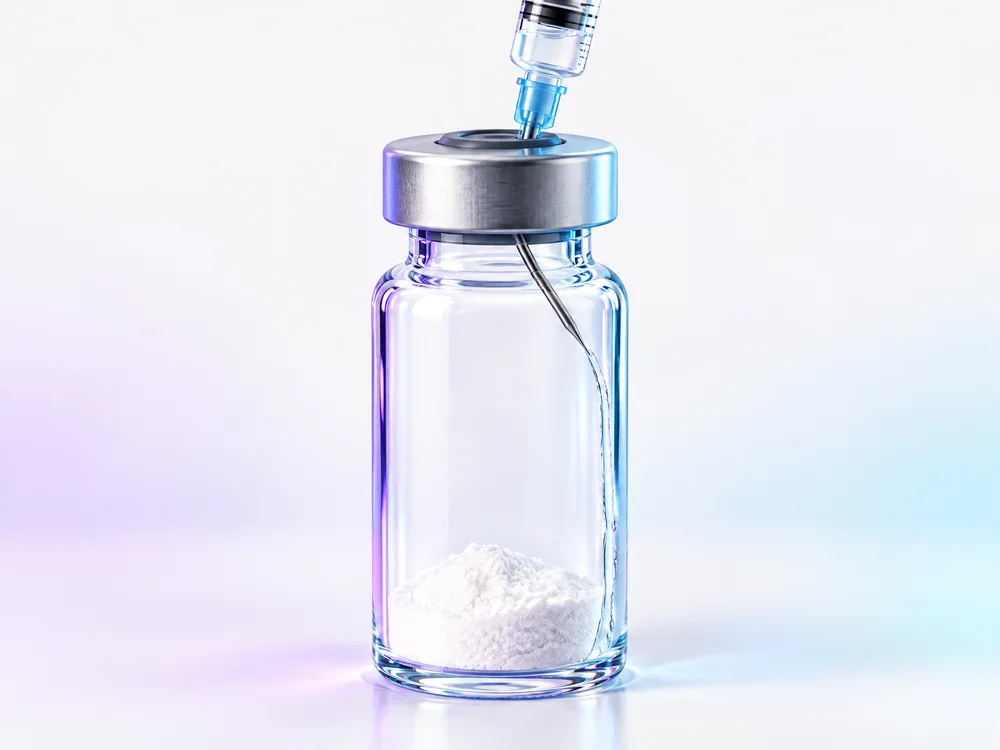
  1. Bacteriostatic water running slowly down the inside wall of a peptide vial1

    Add the water slowly

    Wipe both rubber stoppers with an alcohol swab and let them dry. Draw 3 mL of bacteriostatic water and let it run slowly down the inside of the vial wall — not straight onto the powder.
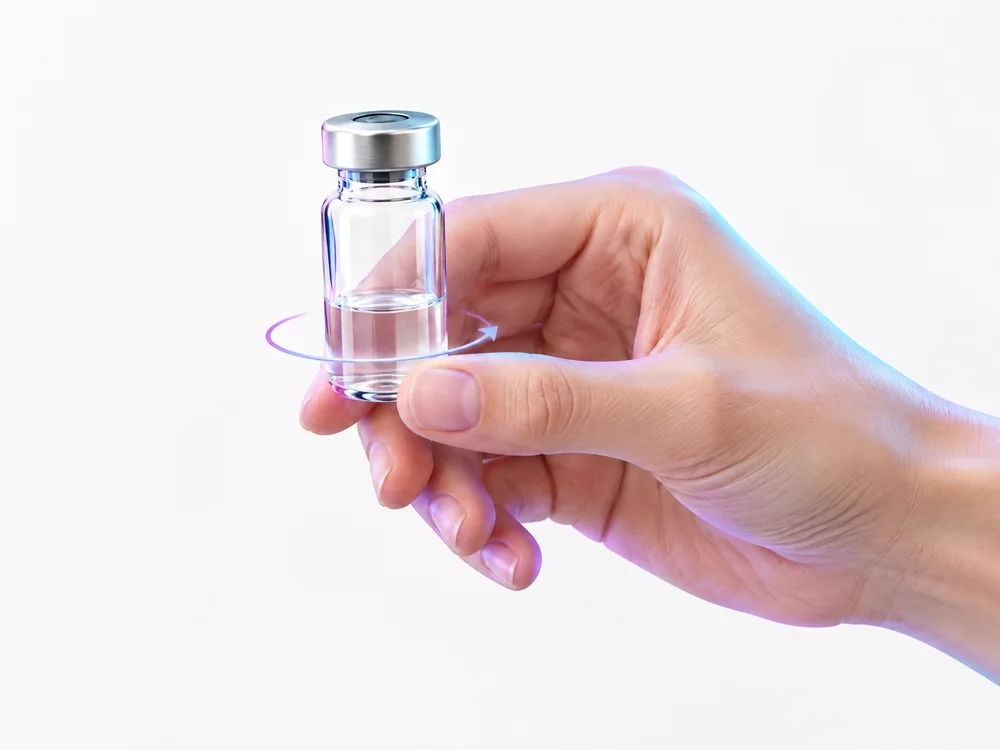
  2. Hand gently swirling an upright vial in a small circle2

    Swirl gently

    Swirl or roll the vial gently until the powder has dissolved. Give it a few minutes to settle if needed.
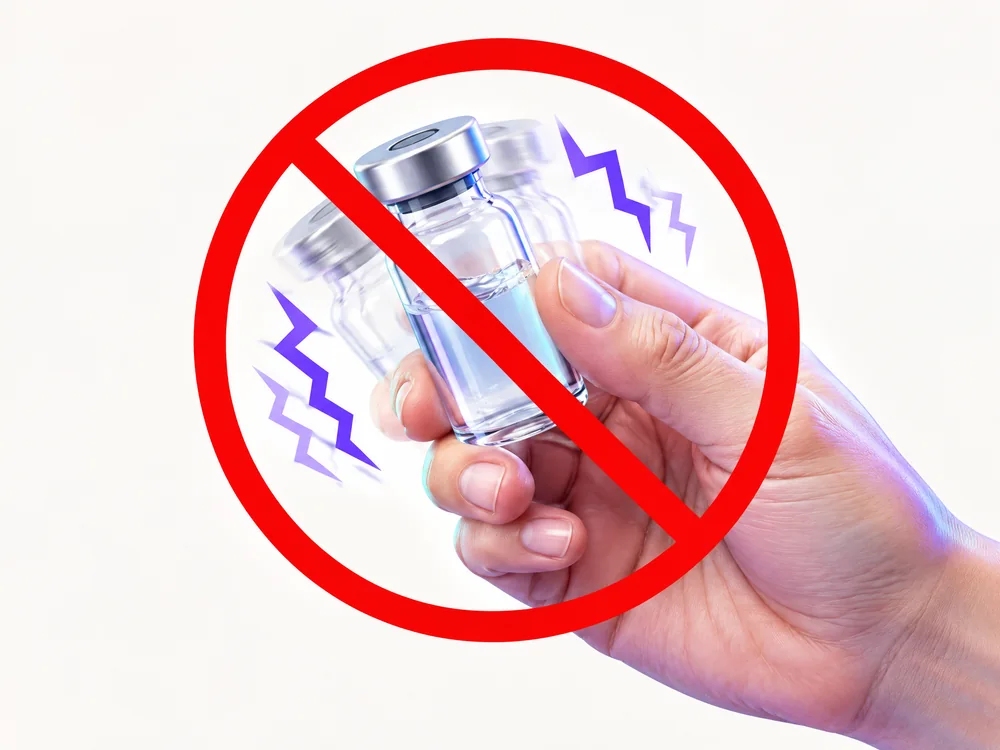
  3. A vial being shaken with a red cross through it3

    Don't shake it

    Shaking can damage the peptide and cause foaming. Gentle swirling only.
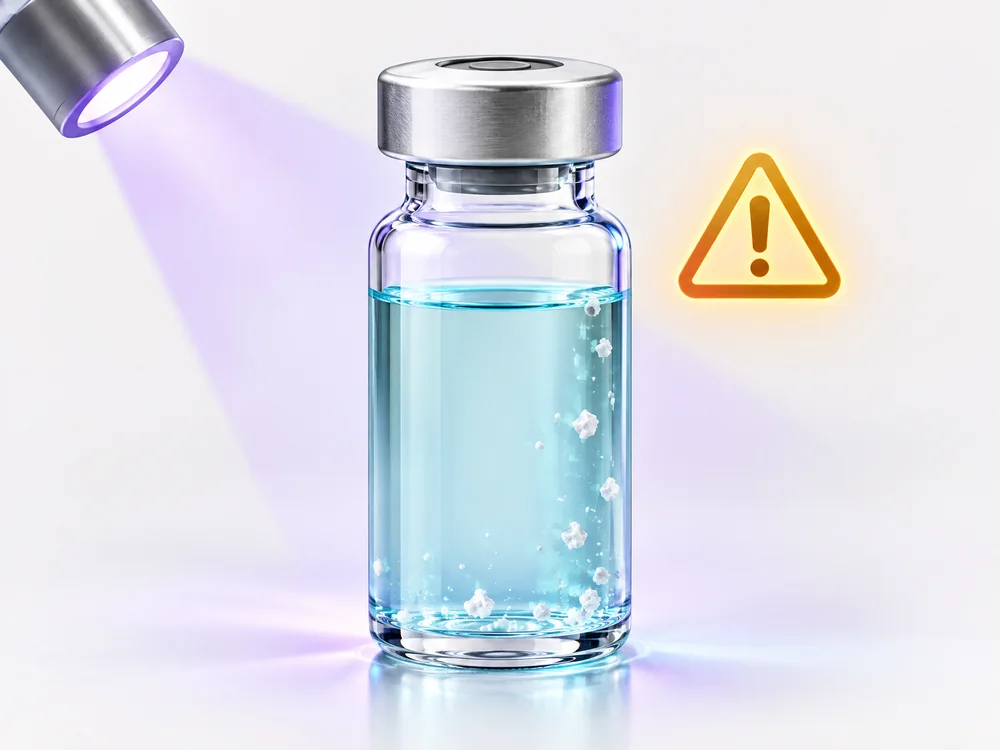
  4. Close-up of a vial with small undissolved particles and a caution symbol4

    Check it's fully clear

    Only use it once it is fully clear with no particles. Label the vial with the date and 3.33 mg/mL, then store it in the fridge at 2–8 °C.

Full illustrated reconstitution guide
03 · SUPPLIES NEEDED

What you'll need

Counts follow the dosage chart above at the highest amount in each step, using a 10 mg vial mixed with 3 mL.

Length of protocol
4Adamax 10 mg vials35.7 mg needed in total
601 mL insulin syringesU-100, 27–31G · one per draw + one per vial mixed
2BAC water 10 mL bottles12 mL used for mixing
120Alcohol swabsSkin + stopper, every time

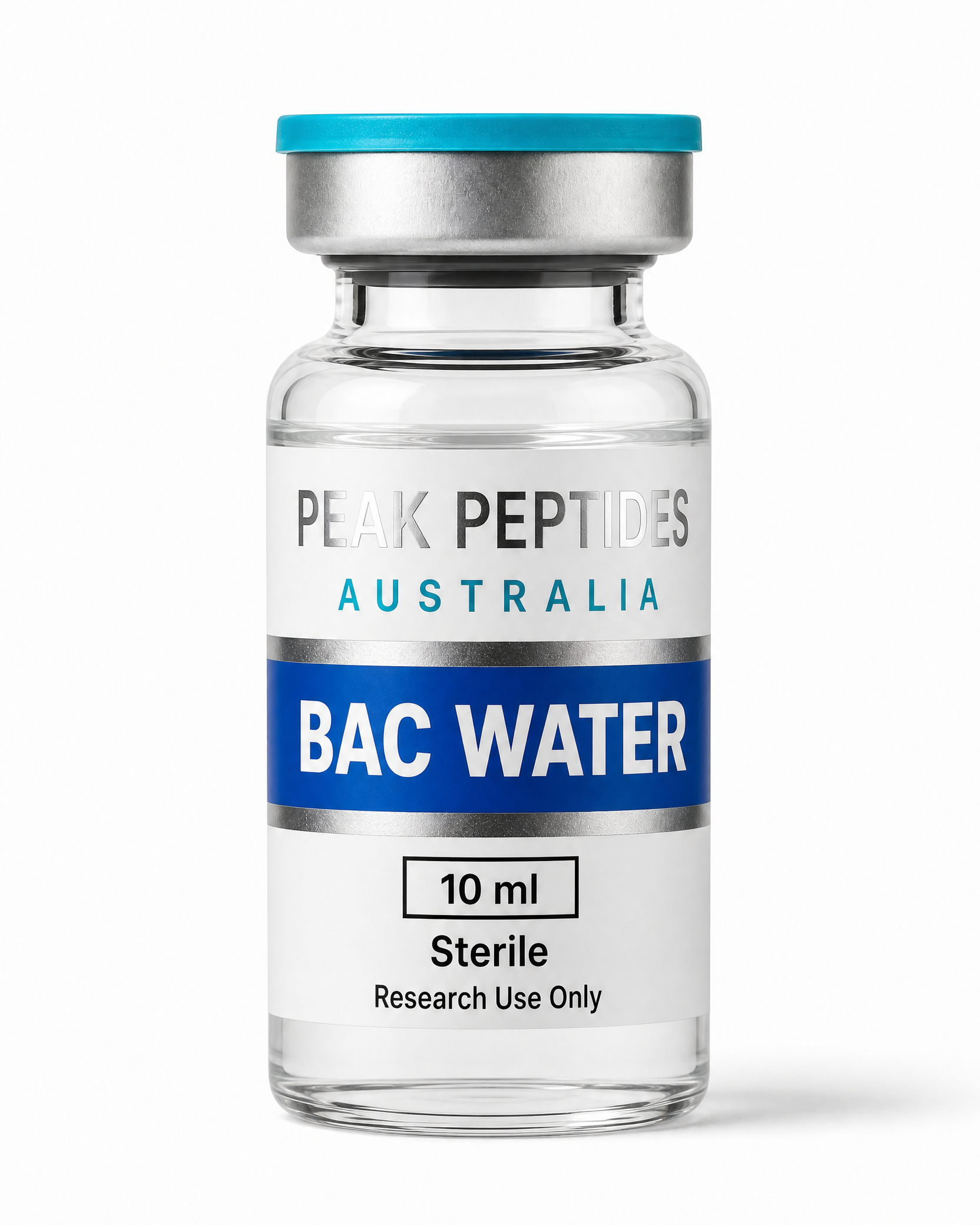
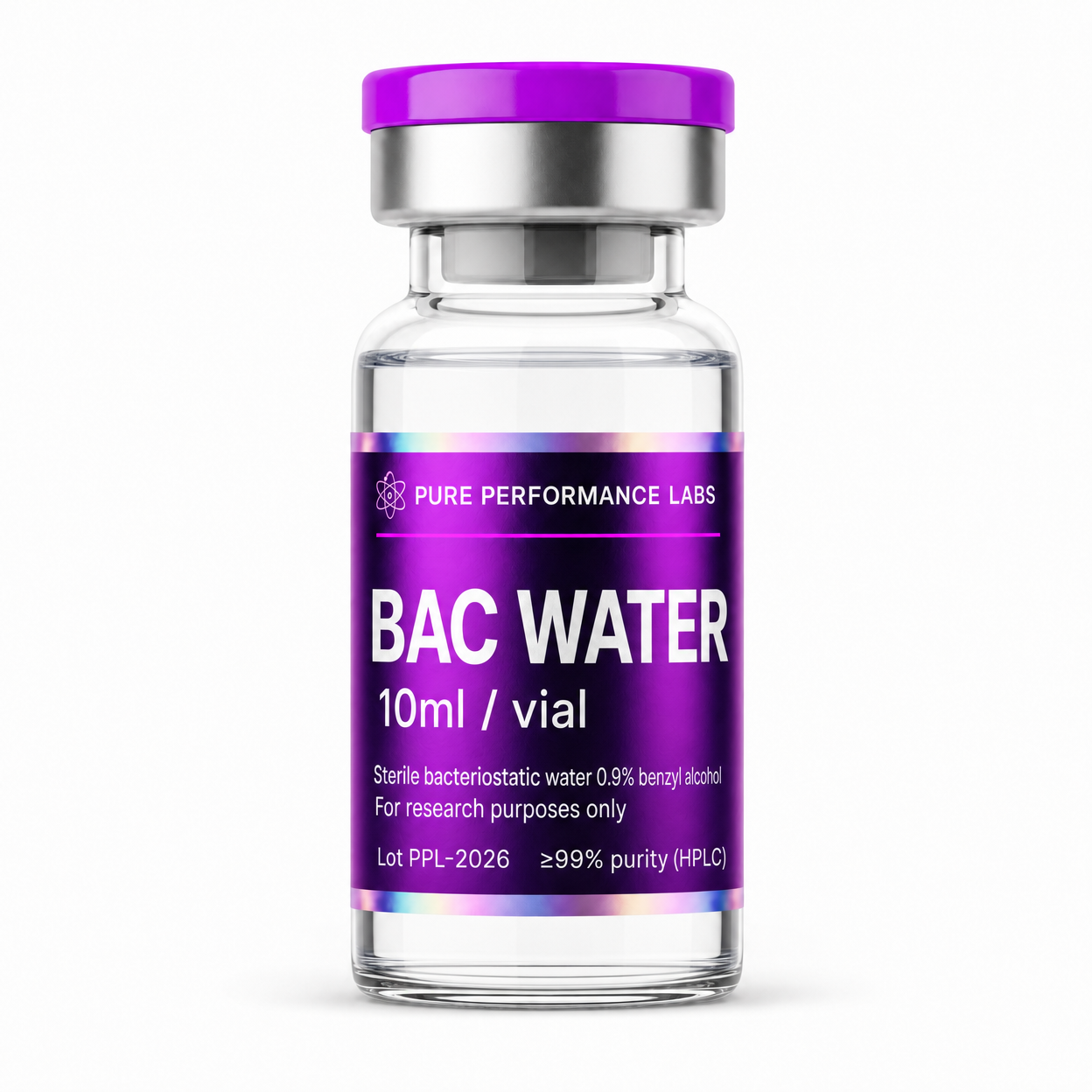
Plus an approved sharps container. Syringes and swabs are sold by Australian pharmacies — Peak Peptides and Pure Performance supply the bacteriostatic water.

04 · CALCULATOR

Check a different amount

Enter your vial, water and dose to see the matching syringe units.

Concentration Calculator
mg
3 mL
mcg

Concentration

3.33 mg/mL

(3333 mcg/mL)

Calculated Liquid Volume

0.090 mL

Equivalent U-100 volume scale position

9markings (not biological IU)
01020304050607080901009 marks

Illustration of a U-100 volume scale, not preparation or injection guidance

05 · PROTOCOL DETAILS

About Adamax

Protocol overview

Starting dose
300 mcg once daily for weeks 1–2
How it increases
500 mcg, then 750 mcg, then 1 mg in two-week steps
Frequency
Once daily
When to take it
Any consistent time
Protocol length
8 weeks; source also provides 12- and 16-week supply estimates
Common mix
3 mL bacteriostatic water → 3.33 mg/mL

Storage

Before mixing
Keep the lyophilised vial at −20 °C in a dry, dark place.
After mixing
Refrigerate at 2–8 °C, protected from light, and follow product-specific use-by directions.
Never
Avoid repeated freeze–thaw cycles or using a solution that is cloudy or has particles.

How it works

Adamax is N-acetyl Semax amidate, a modified form related to Semax, an ACTH(4–10)-derived heptapeptide. The acetylated analogue has different metal-binding chemistry from Semax in laboratory work.

In a rat focal-ischaemia model, parent Semax altered expression of immune- and vascular-system-related genes. That animal finding does not establish the mechanism, benefit or safety of Adamax in people.

Illustrated mechanism explainer

What the research shows

  • A laboratory study found that N-terminal acetylation changed Semax metal-binding chemistry; acetylated Semax did not protect SH-SY5Y neuroblastoma cells from copper-induced toxicity. This was not a human study.
  • In a rat focal-ischaemia gene-expression experiment, parent Semax altered 24 vascular-system-related genes at 3 hours and 12 at 24 hours. These are animal results, not Adamax clinical outcomes.
  • A controlled clinical study of parent Semax in acute hemispheric ischaemic stroke included 30 Semax-treated patients and 80 conventional-therapy controls. The report described 12 mg daily for moderate stroke and 18 mg daily for severe stroke over 5 or 10 days; it does not establish a dose, benefit or safety profile for Adamax.
  • ARTG searches for both “Adamax” and “N-acetyl Semax amidate” returned no matching results. Adamax is not an approved medicine listed under those names in the Australian register search.

Reported side effects

  • No adequate human safety data for Adamax were identified in the sources reviewed; its risk profile and long-term effects are unknown.
  • In a neuroblastoma cell-line experiment, acetylated Semax did not protect against copper-induced toxicity. This laboratory finding cannot predict adverse effects in people.

Important notes

  • Adamax is not an approved medicine listed under the searched names in the Australian Register of Therapeutic Goods.
  • Athletes: WADA S0 prohibits at all times pharmacological substances with no current approval by a governmental health authority. Adamax is not named in the retrieved list; obtain an individual status determination from the relevant anti-doping organisation before use.
  • The chart is from a reference-site educational protocol, not a clinical dose study of Adamax.
  • The supplied product record has no Peak or Pure product URL, so this page has no shop link or verified supplier-specific mixing instructions.
  • Never use a mixed vial that is cloudy or has particles in it.

Injection basics

  • Use a new sterile 1 mL (100-unit) U-100 insulin syringe, 27–31G, every time — never reuse or share.
  • Wipe the vial stopper and the skin with an alcohol swab and let both dry first.
  • Inject under the skin (subcutaneously) of the abdomen, thigh or upper arm, and rotate sites.
  • Put used syringes straight into an approved sharps container — the NDSS lists Australian disposal options.

Guidance: World Health Organization · National Diabetes Services Scheme (NDSS)

06 · QUICK ANSWERS

Adamax questions

How many units is 300 mcg of Adamax?

With 3 mL in a 10 mg vial, the concentration is 3.33 mg/mL. A 300 mcg amount is 9 units, or 0.09 mL, on a U-100 syringe.

How much bacteriostatic water for Adamax 10 mg?

The default reference mix is 3 mL in a 10 mg vial, which is 3.33 mg/mL. At that concentration, 300 mcg is 9 units (0.09 mL) on a U-100 syringe.

How many units is 1 mg of Adamax?

With 3 mL in a 10 mg vial at 3.33 mg/mL, 1 mg is 30 units, or 0.30 mL, on a U-100 syringe.

How long does a 10 mg Adamax vial last?

At 300 mcg once daily, a 10 mg vial lasts about 33.3 days. At 500 mcg it lasts 20 days, at 750 mcg about 13.3 days, and at 1 mg 10 days.

07 · SOURCES

References

Related dosage guides

All dosages