
 View on Peak SINGLEDosage chart
Semax
Heptapeptide Analog of ACTH
Research summary · not a validated human regimen
Open dosage chart
Tuftsin analogue · synthetic heptapeptide
The reference schedule is 300 mcg three times daily for days 1–14, totalling 900 mcg a day. With 2 mL of bacteriostatic water, a 10 mg vial is 5 mg/mL, so 300 mcg is 6 units (0.06 mL) on a U-100 syringe. That is concentration math only: the source schedule is intranasal, not an injection conversion.
Reviewed 25 Oct 2026 · Education only, not medical advice
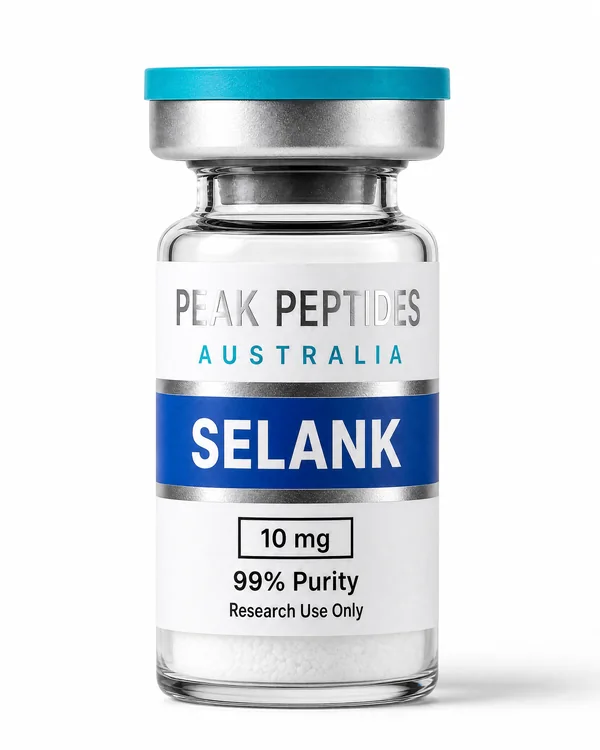
Selank 10 mg vial
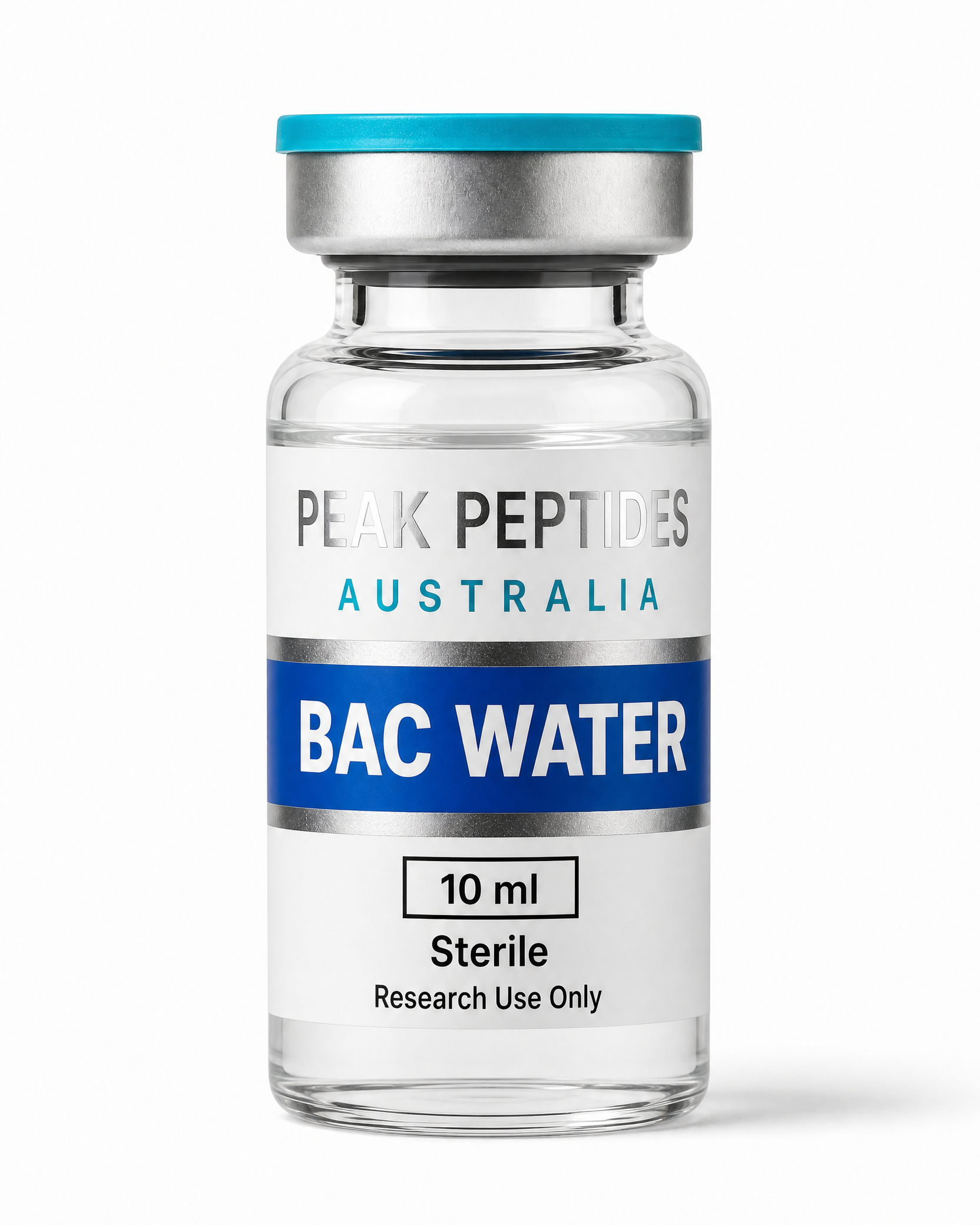
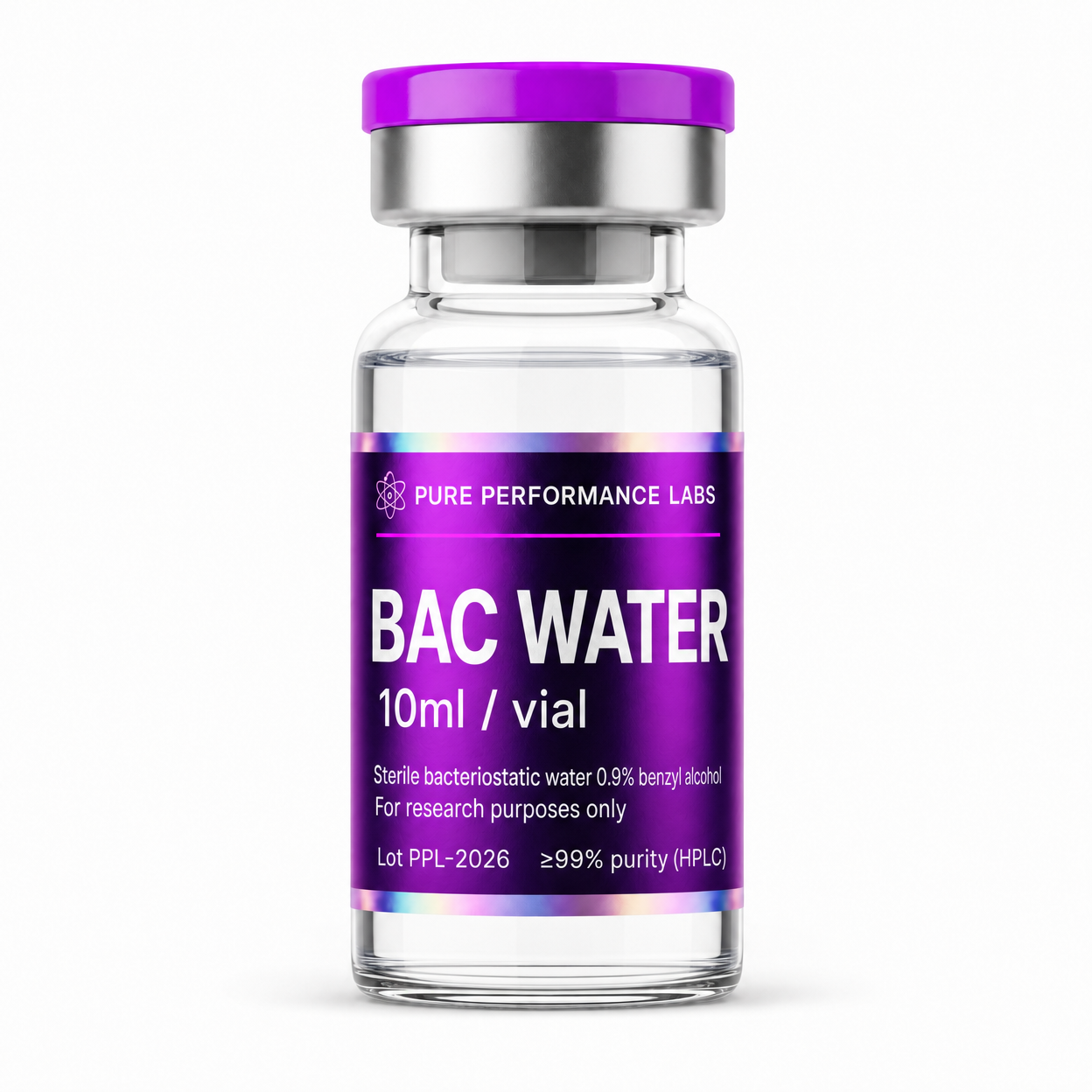
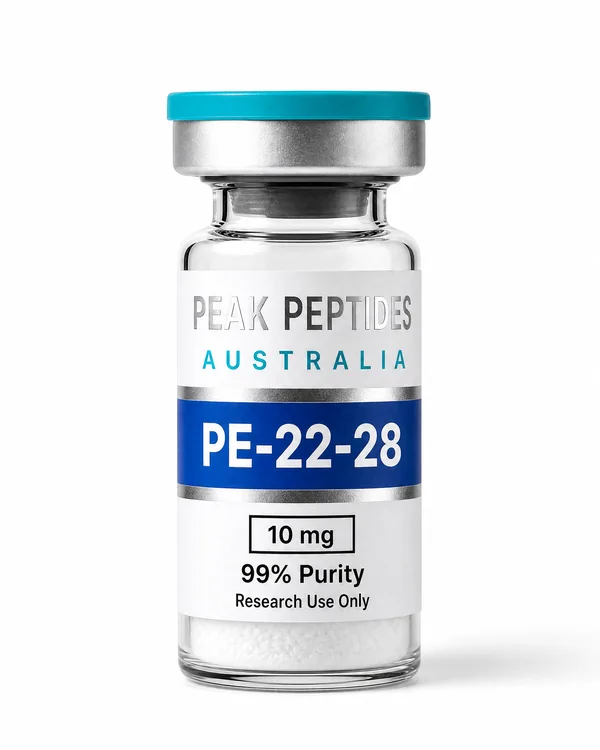
View on Peak Peptides Also at Pure PerformanceExact Peak Peptides Australia product photo
14-day intranasal reference · 10 mg vial + 2 mL BAC water
2 mL is the reconstitution shown on both supplied 10 mg store pages, giving 5 mg/mL and 6 units for 300 mcg.
The source schedule is intranasal. Units show how much of the mixed vial each amount represents — they are not an injection instruction.
| Days | Dose each time | Syringe units | Syringe fill |
|---|---|---|---|
| Days 1–14Start3 times daily | 300 mcg | 6 units0.06 mL |
3 times daily · intranasal research route · 14 days
The reference protocol reports 300 mcg per administration, three times daily, for 14 days (900 mcg a day).
This is an intranasal schedule from a specific 0.15% drop formulation; it must not be converted into an injection schedule.
The units shown by the calculator are vial-concentration mathematics only and do not establish an injectable dose.
Reference-site amounts reflect an intranasal research schedule; Selank has no TGA-approved Australian dose. Education only, not medical advice. Dose amounts adapted from Selank 10 mg vial dosage protocol (PeptideDosages.com); units are recalculated for the vial and mix selected above.
Using a 1 mL (100-unit) insulin syringe, 2 full draws of bacteriostatic water gives 5 mg/mL.
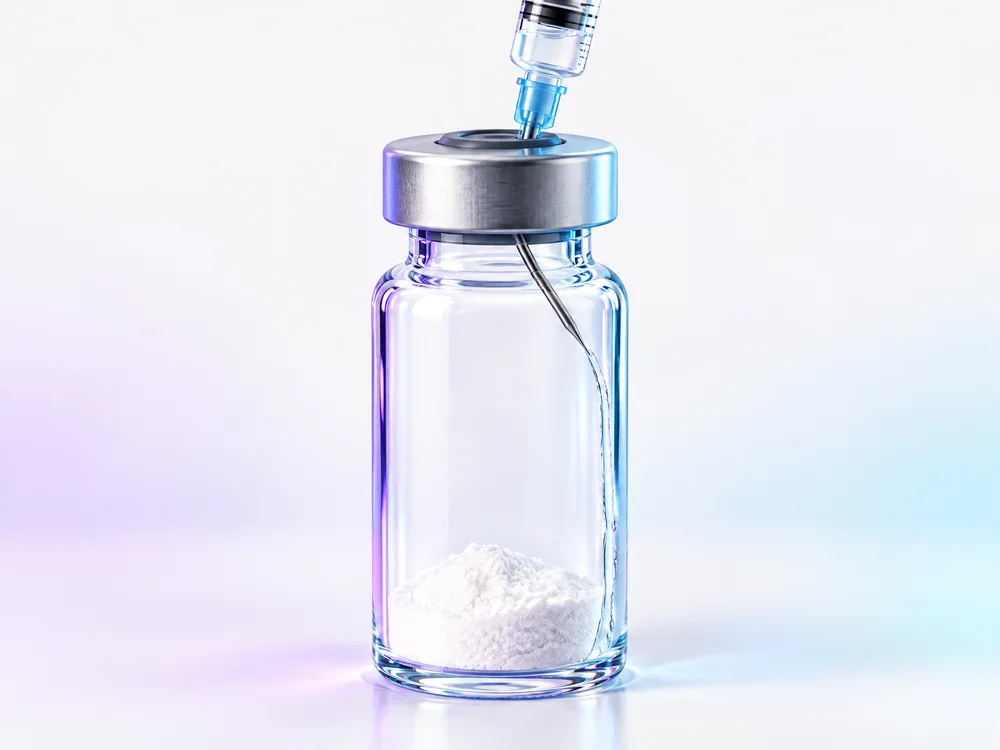 1
Wipe both rubber stoppers with an alcohol swab and let them dry. Draw 2 mL of bacteriostatic water and let it run slowly down the inside of the vial wall — not straight onto the powder.
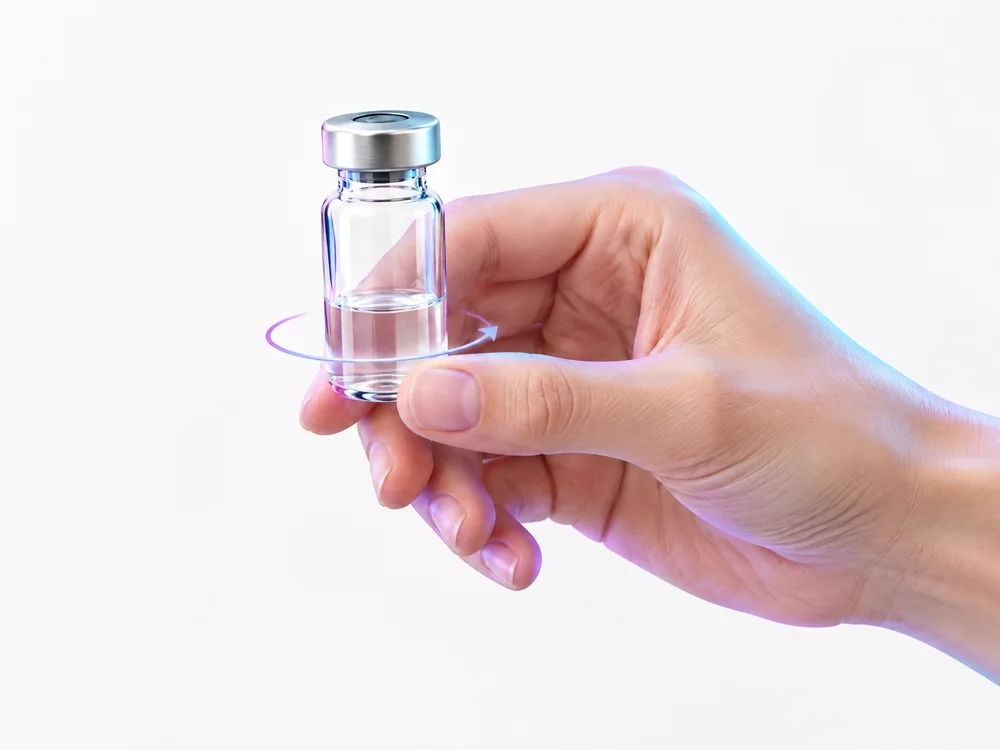 2
Swirl or roll the vial gently until the powder has dissolved. Give it a few minutes to settle if needed.
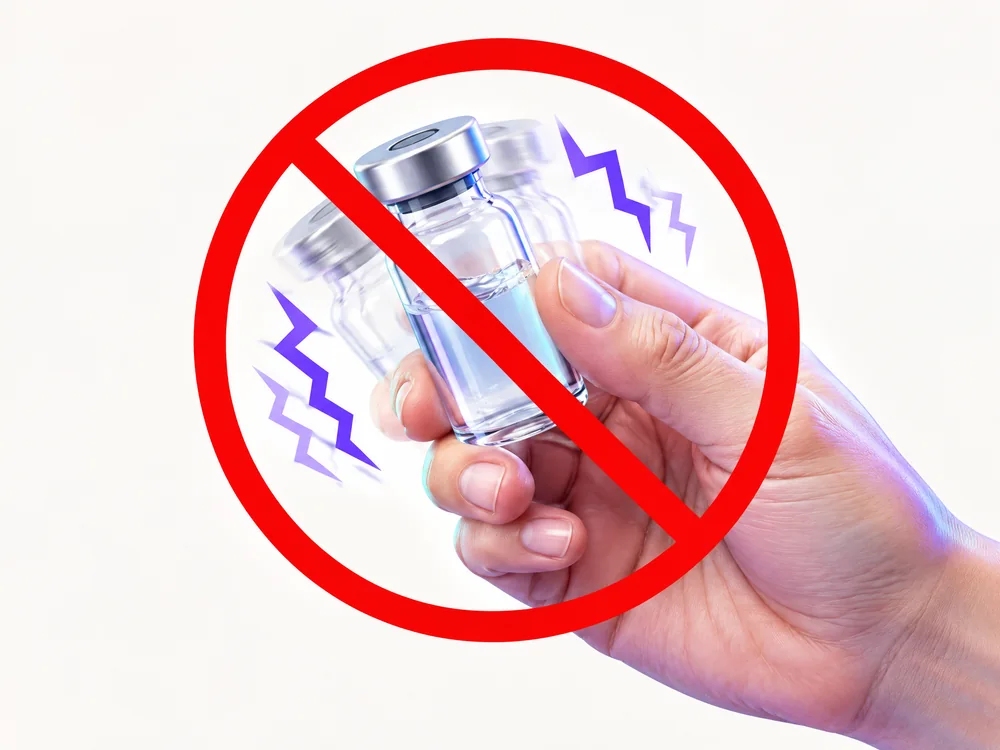 3
Shaking can damage the peptide and cause foaming. Gentle swirling only.
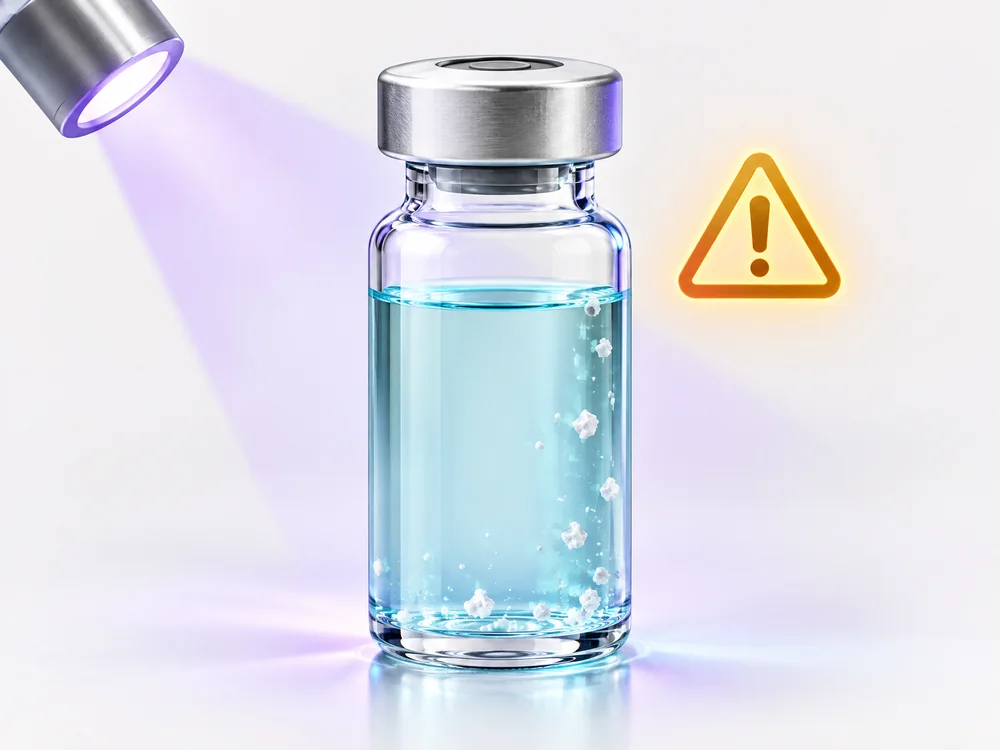 4
Only use it once it is fully clear with no particles. Label the vial with the date and 5 mg/mL, then store it in the fridge at 2–8 °C.
Counts follow the dosage chart above at the highest amount in each step, using a 10 mg vial mixed with 2 mL.
Syringes and swabs are sold by Australian pharmacies — Peak Peptides and Pure Performance supply the bacteriostatic water.
Enter your vial, water and dose to see the matching syringe units.
Concentration
5.00 mg/mL
(5000 mcg/mL)
Calculated Liquid Volume
0.060 mL
Equivalent U-100 volume scale position
Illustration of a U-100 volume scale, not preparation or injection guidance
Selank is a synthetic seven-amino-acid peptide based on the tuftsin sequence.
In a rat frontal-cortex experiment, one intranasal 300 mcg/kg dose was associated with changes in mRNA expression of genes involved in GABAergic, dopamine and serotonin signalling. Animal gene-expression findings do not establish a human mechanism or clinical effect.
Human research has examined anxiety-related measures, enkephalin metabolism and functional brain connectivity, but those findings do not validate a self-directed dose or a different formulation or route.
With 2 mL in a 10 mg vial, the concentration is 5 mg/mL. The arithmetic equivalent of 300 mcg is 6 units (0.06 mL) on a U-100 syringe. This is concentration math only, not an injection instruction: the reference schedule is intranasal.
Both supplied 10 mg store pages show 2 mL bacteriostatic water, giving 5 mg/mL. At that concentration, 20 U-100 units equals 1 mg (0.2 mL). This does not reproduce the 0.15% nasal-drop formulation used in the reference schedule.
A 10 mg vial contains 10,000 mcg. At 900 mcg a day, it contains about 11.1 days of peptide; a 14-day course uses 12.6 mg, or 1.26 nominal vials, before allowing for preparation or device losses.
The matching 10 mg reference page gives 300 mcg per intranasal administration, three times daily for days 1–14, totalling 900 mcg a day. It specifically says a custom preparation or pump is not equivalent to the registered preserved drop formulation.
View on Peak SINGLEDosage chartHeptapeptide Analog of ACTH
 View on Peak SINGLEDosage chart
Spadin-Derived TREK-1 Research Peptide
Cited example and evidence context
Pinealon (Glu-Asp-Arg)