Skip to content
Dosage guide · 200 mg vial

L-Carnitine Dosage Protocol

Levocarnitine · mitochondrial fatty-acid transport cofactor

The reference protocol uses 50 mg subcutaneously once daily for weeks 1–2, then 100 mg daily. With 2 mL of bacteriostatic water, a 200 mg vial is 100 mg/mL, so the 50 mg start amount is 50 units (0.5 mL) on a U-100 syringe. These are reference-site amounts, not Carnitor label dosing.

How oftenOnce daily
Starting dose50 mg
Start = units50 units
Mix2 mL BAC water

Reviewed 25 Oct 2026 · Education only, not medical advice

L-Carnitine 200 mg vial

Not currently stocked by Peak Peptides Australia

No product photo — this strength isn't stocked by Peak

01 · DOSAGE CHART

L-Carnitine dosage chart

Gradual daily approach · 200 mg vial + 2 mL BAC water

BAC water added
Concentration100 mg/mL
1 unit (U-100)1 mg= 0.01 mL
How oftenOnce dailySubcutaneous injection

2 mL is the reconstitution volume on the reference protocol, giving 100 mg/mL and 1 mg per U-100 unit.

L-Carnitine dosage chart for a 200 mg vial mixed with 2 mL of bacteriostatic water
WeekDaily doseSyringe units
Weeks 1–2Start50 mg50 units0.5 mL
Week 3 onwardsMaintenance100 mg100 units1 mL

Once daily · any consistent time · subcutaneous injection

The reference protocol increases from 50 mg to 100 mg after 2 weeks.

Its stated protocol length is 8–12 weeks, with an optional extension to 16 weeks.

Reference-site subcutaneous amounts only — L-carnitine has no clinically established subcutaneous wellness dose, and Carnitor’s official injection label is intravenous for defined carnitine-deficiency indications. Education only, not medical advice. Dose amounts adapted from L-Carnitine 200 mg vial dosage protocol (PeptideDosages.com); units are recalculated for the vial and mix selected above.

02 · HOW TO MIX

Mixing a 200 mg vial with 2 mL of BAC water

Using a 1 mL (100-unit) insulin syringe, 2 full draws of bacteriostatic water gives 100 mg/mL.
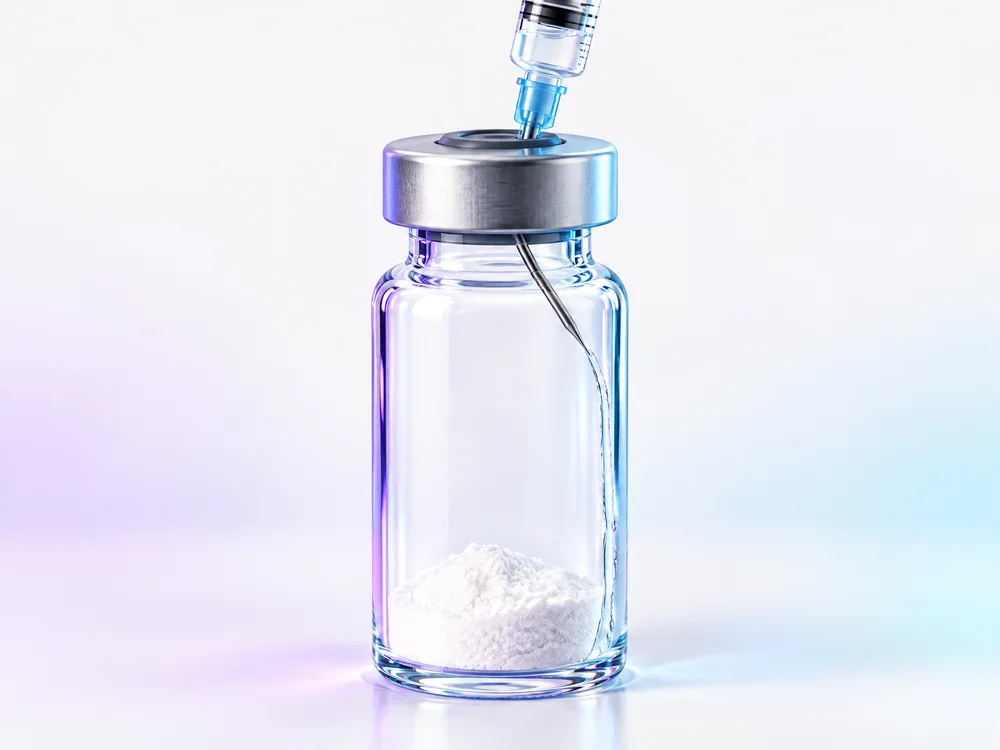
  1. Bacteriostatic water running slowly down the inside wall of a peptide vial1

    Add the water slowly

    Wipe both rubber stoppers with an alcohol swab and let them dry. Draw 2 mL of bacteriostatic water and let it run slowly down the inside of the vial wall — not straight onto the powder.
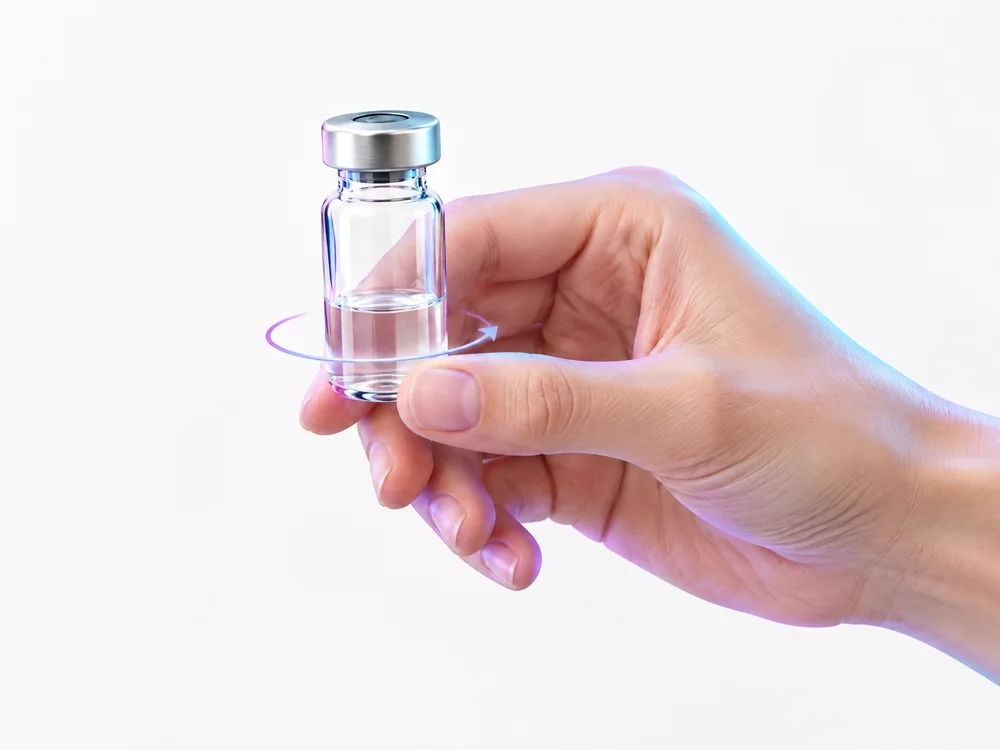
  2. Hand gently swirling an upright vial in a small circle2

    Swirl gently

    Swirl or roll the vial gently until the powder has dissolved. Give it a few minutes to settle if needed.
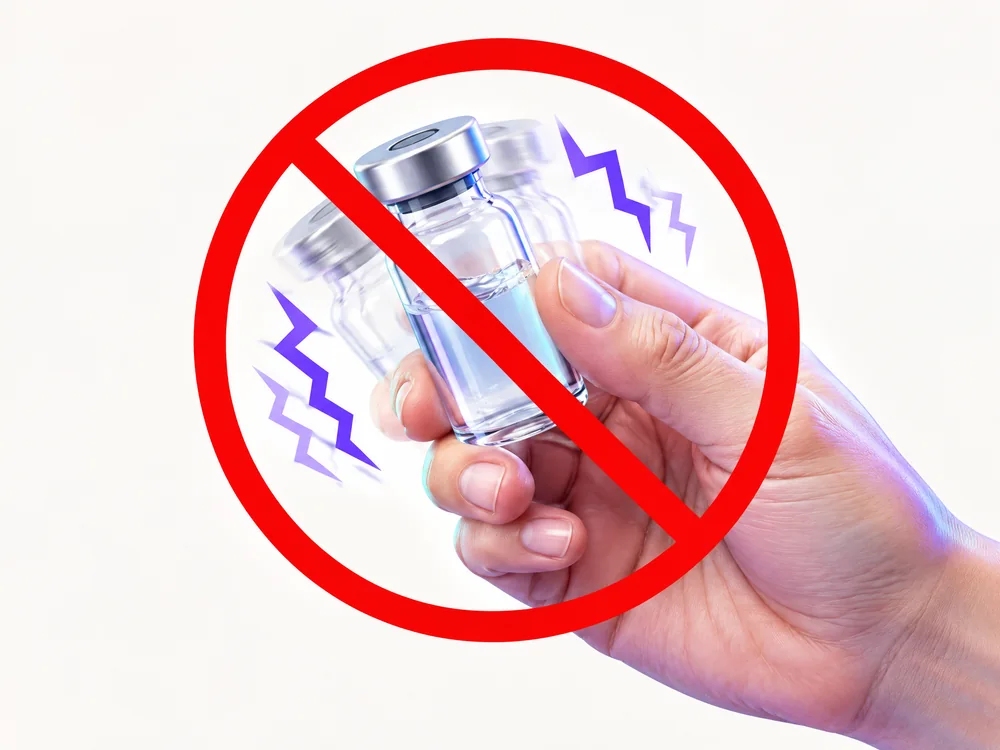
  3. A vial being shaken with a red cross through it3

    Don't shake it

    Shaking can damage the peptide and cause foaming. Gentle swirling only.
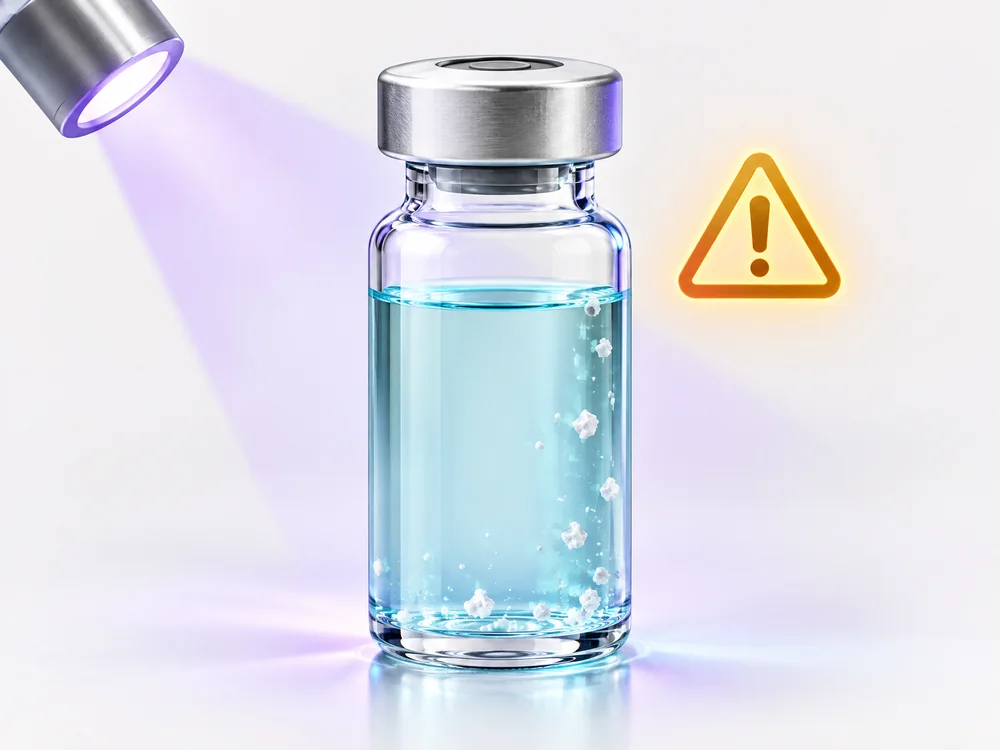
  4. Close-up of a vial with small undissolved particles and a caution symbol4

    Check it's fully clear

    Only use it once it is fully clear with no particles. Label the vial with the date and 100 mg/mL, then store it in the fridge at 2–8 °C.

Full illustrated reconstitution guide
03 · SUPPLIES NEEDED

What you'll need

Counts follow the dosage chart above at the highest amount in each step, using a 200 mg vial mixed with 2 mL.

Length of protocol
25L-Carnitine 200 mg vials4900 mg needed in total
811 mL insulin syringesU-100, 27–31G · one per draw + one per vial mixed
5BAC water 10 mL bottles50 mL used for mixing
162Alcohol swabsSkin + stopper, every time

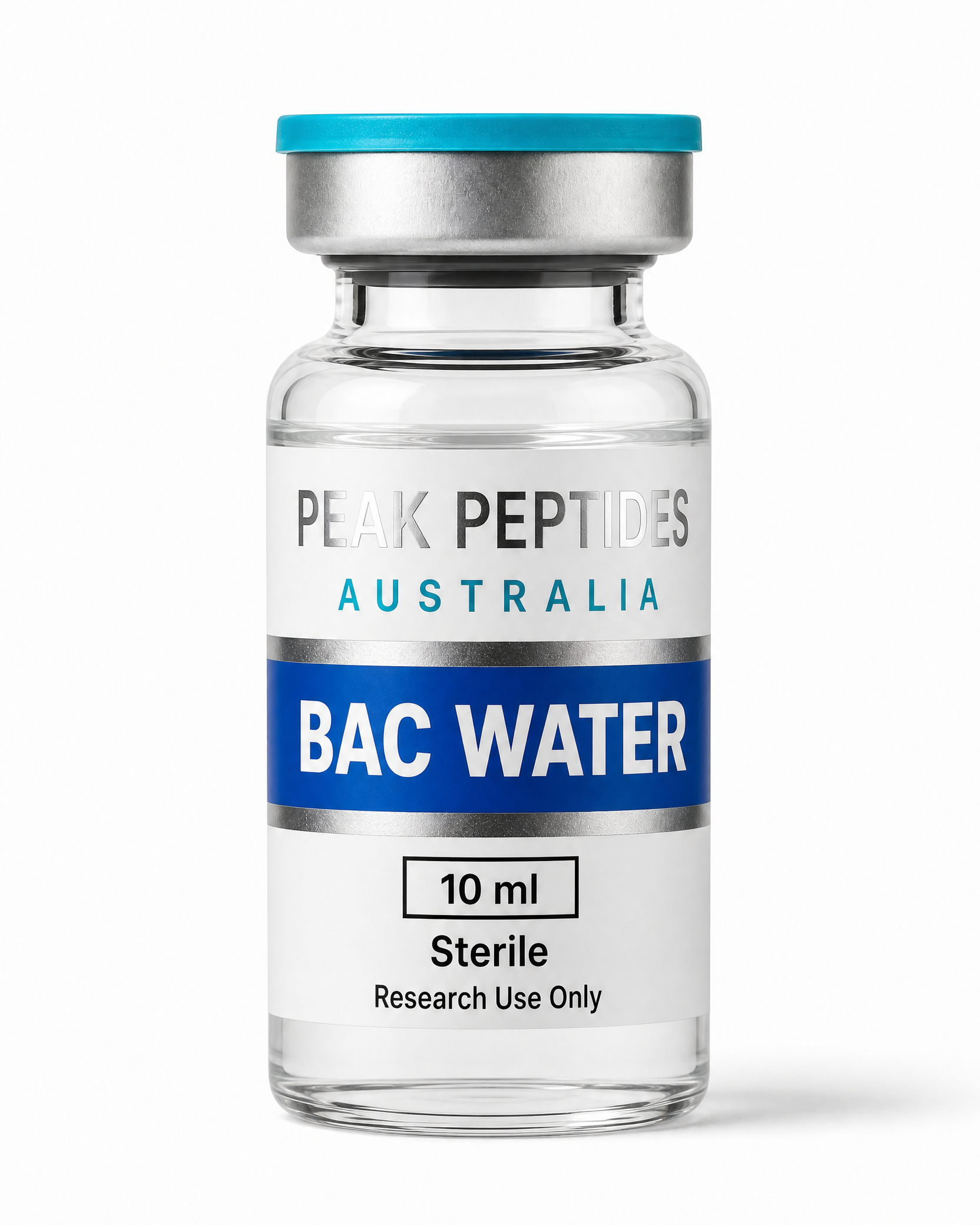
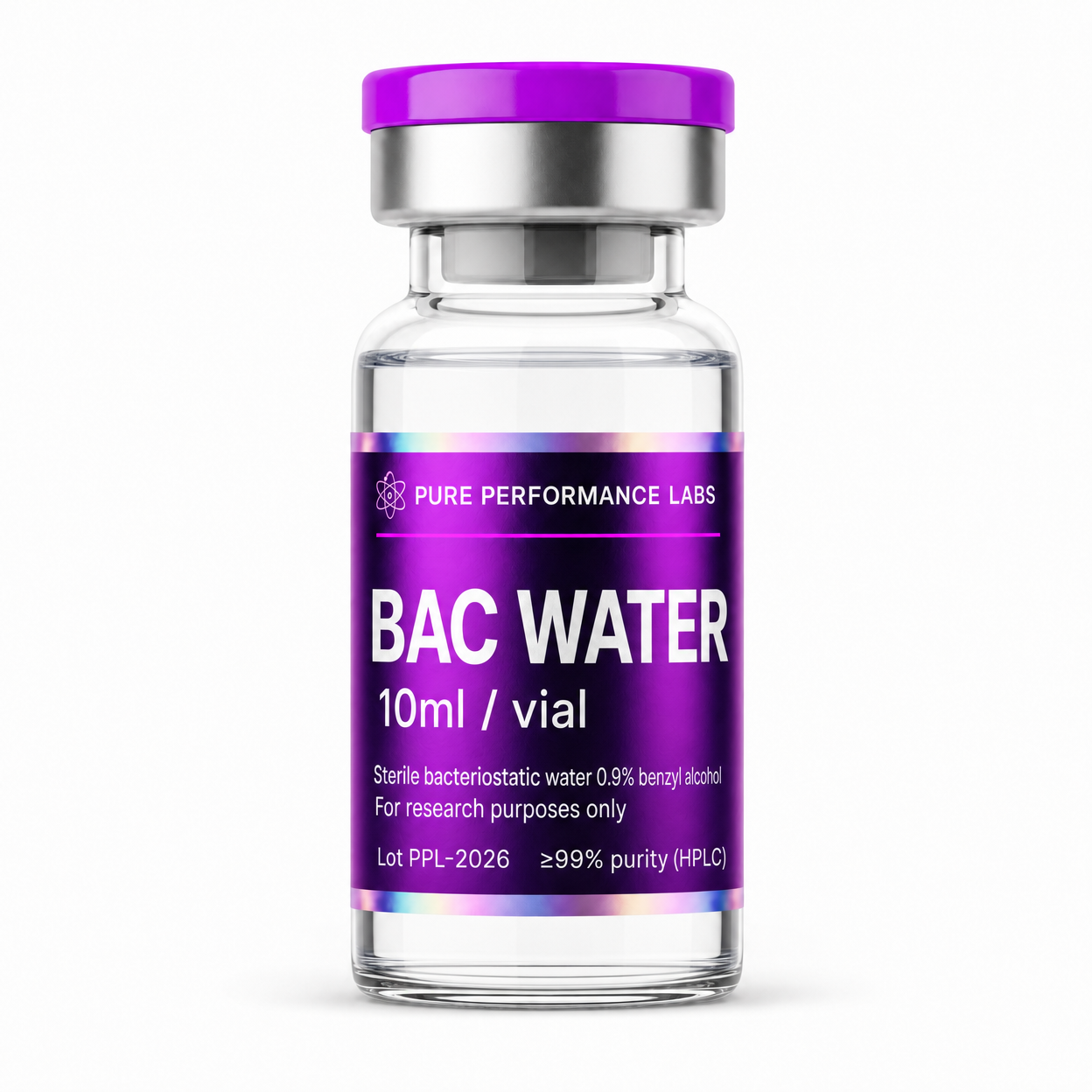
Plus an approved sharps container. Syringes and swabs are sold by Australian pharmacies — Peak Peptides and Pure Performance supply the bacteriostatic water.

04 · CALCULATOR

Check a different amount

Enter your vial, water and dose to see the matching syringe units.

Concentration Calculator
mg
2 mL
mg

Concentration

100.00 mg/mL

(100000 mcg/mL)

Calculated Liquid Volume

0.500 mL

Equivalent U-100 volume scale position

50markings (not biological IU)
010203040506070809010050 marks

Illustration of a U-100 volume scale, not preparation or injection guidance

05 · PROTOCOL DETAILS

About L-Carnitine

Protocol overview

Starting dose
50 mg once daily for weeks 1–2
How it increases
100 mg once daily from week 3
Frequency
Once daily
When to take it
Any consistent time; the reference page notes morning or before exercise
Reference duration
8–12 weeks, with an optional extension to 16 weeks
Common mix
2 mL bacteriostatic water → 100 mg/mL; 50 mg = 50 units (0.5 mL)

Storage

Before mixing
The reference page advises −20 °C, dry and protected from light; follow the exact product label.
After mixing
The reference page advises 2–8 °C and protection from light; it gives no universal validated use-by period.
Never
Never use a mixed vial that is cloudy or has particles in it.

How it works

L-carnitine, also called levocarnitine, is a naturally occurring carrier molecule involved in energy metabolism. It helps move long-chain fatty acids across the inner mitochondrial membrane, where they can be oxidised for energy.

The official Carnitor label describes this role in skeletal and cardiac muscle and uses levocarnitine for particular carnitine-deficiency conditions. That prescription intravenous formulation is different from this reconstituted 200 mg reference vial.

Illustrated mechanism explainer

What the research shows

  • The US Carnitor label describes a sterile 1 g per 5 mL levocarnitine injection, equivalent to 200 mg/mL, for intravenous use in defined carnitine-deficiency settings; it is not a subcutaneous wellness protocol.
  • A systematic review of 11 oral-supplement studies found five chronic protocols of 1–3 g/day for 4–24 weeks and six acute protocols below 7 days. It found no significant improvement in moderate-intensity performance, while some high-intensity outcomes improved.
  • A meta-analysis of 37 oral-supplement randomised trials with 2,292 participants reported a mean body-weight difference of −1.21 kg, BMI difference of −0.24 kg/m² and fat-mass difference of −2.08 kg; the authors described the effect as modest.
  • The TGA ARTG lists Levocarnitine Oral Solution, USP 1 g/10 mL as a medicine entered on 26 May 2025. That record concerns an oral product, not a reconstituted 200 mg subcutaneous vial.

Reported side effects

  • The Carnitor label reports transient nausea and vomiting; less frequent reactions include body odour and gastritis.
  • Serious hypersensitivity reactions, including anaphylaxis, laryngeal oedema and bronchospasm, have been reported, mostly in people with end-stage renal disease receiving dialysis.
  • Seizures have been reported with oral or intravenous levocarnitine, including increased frequency or severity in people with a prior seizure disorder.
  • The label reports increases in INR with warfarin and recommends monitoring after starting levocarnitine or changing its dose. The oral studies above do not establish safety for this reconstituted subcutaneous protocol.

Important notes

  • The chart reproduces a reference-site subcutaneous protocol. It is not an official Carnitor dose and is not a clinically established subcutaneous dose for exercise, fat loss or general wellbeing.
  • Carnitor is a prescription, sterile aqueous levocarnitine injection supplied at 1 g/5 mL and labelled for intravenous use only; it is not the same formulation as a 200 mg powder vial mixed with bacteriostatic water.
  • The TGA ARTG entry located for levocarnitine is an oral 1 g/10 mL medicine. It does not establish registration of a reconstituted 200 mg injectable vial in Australia.
  • For competitive athletes, WADA prohibits intravenous infusions or injections totalling more than 100 mL in 12 hours unless a stated exception applies; seek sport-specific advice for any medical treatment.
  • Never use a mixed vial that is cloudy or has particles in it.

Injection basics

  • Use a new sterile 1 mL (100-unit) U-100 insulin syringe, 27–31G, every time — never reuse or share.
  • Wipe the vial stopper and the skin with an alcohol swab and let both dry first.
  • Inject under the skin (subcutaneously) of the abdomen, thigh or upper arm, and rotate sites.
  • Put used syringes straight into an approved sharps container — the NDSS lists Australian disposal options.

Guidance: World Health Organization · National Diabetes Services Scheme (NDSS)

06 · QUICK ANSWERS

L-Carnitine questions

How many units is 50 mg of L-Carnitine?

With 2 mL in a 200 mg vial, the concentration is 100 mg/mL. A 50 mg amount is 50 units, or 0.5 mL, on a U-100 syringe; 100 mg is 100 units, or 1 mL.

How much bacteriostatic water for a 200 mg L-Carnitine vial?

The reference protocol uses 2 mL, producing 100 mg/mL. At that concentration, each U-100 unit is 1 mg and 50 units is 0.5 mL. Check the actual product label, because Carnitor is a ready-made intravenous solution rather than a powder to reconstitute.

How long does a 200 mg L-Carnitine vial last?

At 50 mg once daily, a 200 mg vial supplies 4 days. At 100 mg once daily, it supplies 2 days. These supply figures use the reference protocol amounts and do not set a beyond-use period after mixing.

Is a 200 mg reconstituted vial the same as Carnitor injection?

No. The official Carnitor injection is a prescription sterile solution containing 1 g in 5 mL, or 200 mg/mL, and is labelled for intravenous use only. A 200 mg vial mixed with 2 mL is 100 mg/mL, so it is a different formulation, concentration and route.

07 · SOURCES

References

Related dosage guides

All dosages