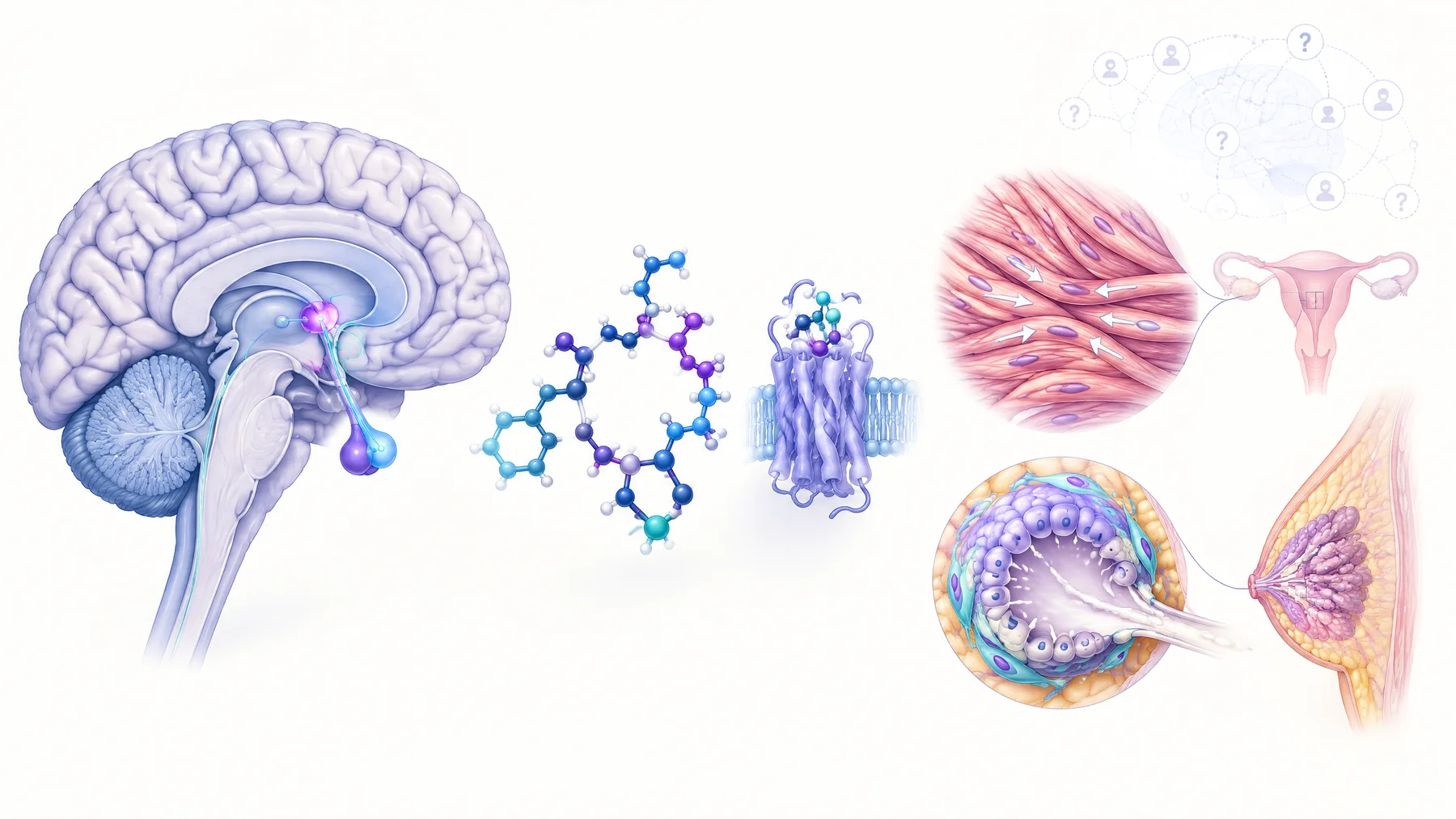

What is LL-37?
LL-37 is a genuine 37-amino-acid, cationic human host-defence peptide (sequence LLGDFFRKSKEKIGKEFKRIVQRIKDFLRNLVPRTES; measured mass 4,492.9 Da). It is the C-terminal mature peptide processed from the 170-amino-acid CAMP (cathelicidin antimicrobial peptide, also called hCAP-18) precursor. It is neither a hormone, a small molecule nor a mixture. In drug-development literature, topical LL-37 has also been called ropocamptide.
LL-37 is an endogenous antimicrobial peptide, but that biology does not make externally supplied LL-37 an established treatment. Human research has evaluated protocol-specific topical formulations for selected chronic wounds. A 34-person venous-leg-ulcer trial was encouraging, whereas a larger Phase IIb trial did not improve healing in its full 148-patient population; a large-ulcer subgroup signal was post hoc and requires confirmation. A small diabetic-foot-ulcer trial reported a better granulation-index trajectory but not a significant microbiological or cytokine benefit. No approved Australian LL-37 medicine or approved consumer dosing schedule was identified.
1. What LL-37 is — and is not
LL-37 is the mature antimicrobial portion of the human CAMP precursor, not a generic name for any peptide vial. The reviewed human protein record identifies a 37-residue peptide at the C-terminus of CAMP and describes roles in innate defence, including interactions with bacterial lipopolysaccharide and in-vitro membrane permeabilisation. Calling it a ‘peptide’ is accurate; calling it an approved antibiotic, a hormone, or a standard wound medicine is not. [1]
The development name ropocamptide refers to LL-37 in a topical wound-drug programme. That is distinct from a research supplier’s lyophilised material: the clinical papers evaluated defined study products in supervised wound-care protocols, not an interchangeable injection product or a general-purpose wellness supplement. [6] [7] [8]
2. Molecular actions: useful biology, not a single therapeutic switch
In simplified lipid-bilayer experiments, LL-37 showed more than one membrane behaviour. It caused immediate dye release consistent with pore formation in some unsaturated or cholesterol-containing model membranes, but promoted peptide–lipid tubular/fibrillar structures in saturated models. This demonstrates that lipid context changes the observed action; it does not prove that one membrane mechanism explains healing in people. [5]
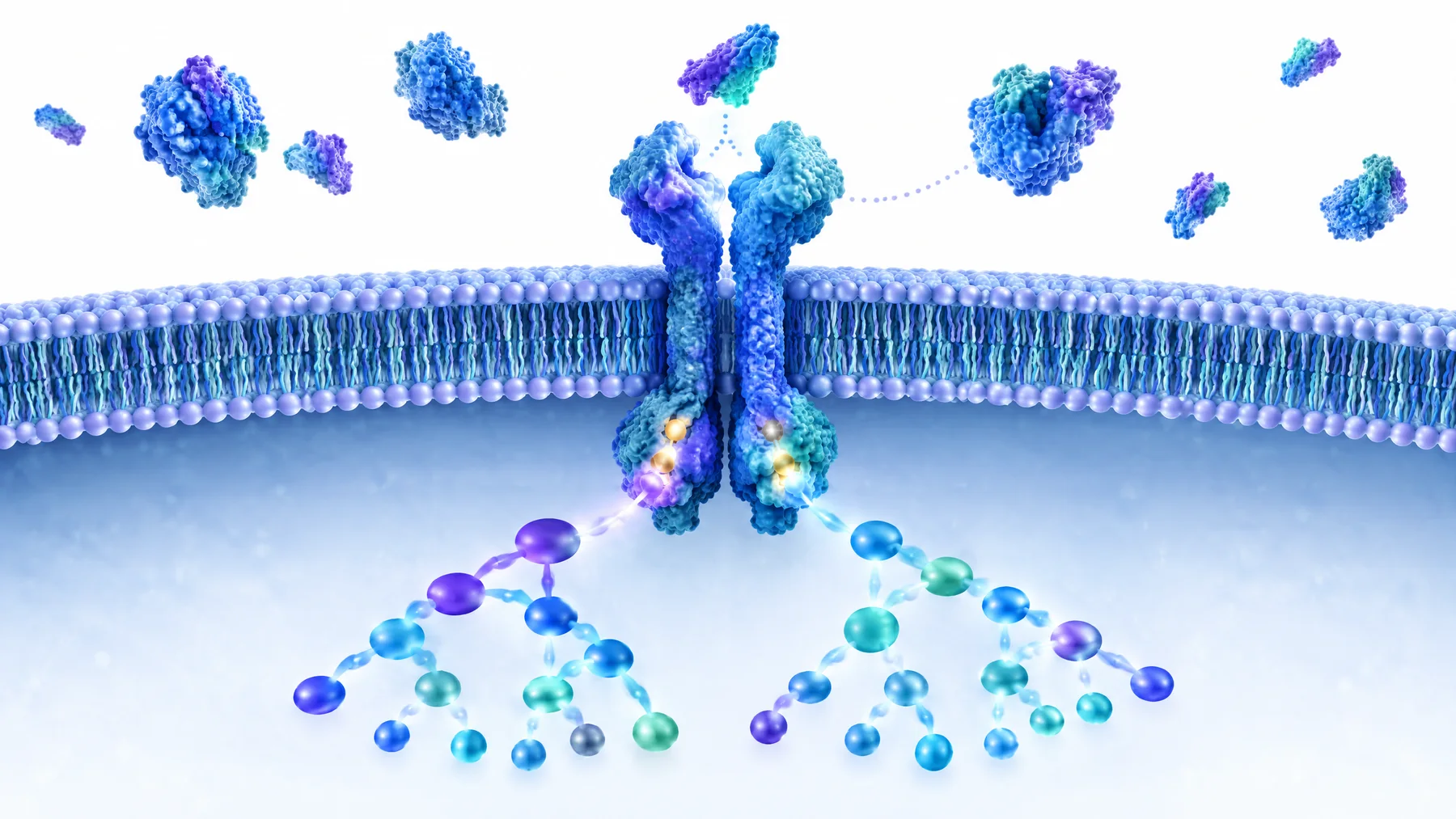
LL-37 can also signal to host cells. In an ex-vivo human-cell study, it induced calcium flux and directed migration of peripheral-blood monocytes; experiments with FPRL1-transfected cells, pertussis toxin and cross-desensitisation supported a Gi-coupled FPRL1 (now commonly termed FPR2/ALX-family) pathway for that chemotactic response. Those are receptor and cell-migration findings, not evidence that receptor activation produces a clinical wound-healing outcome. [2]
This dual antimicrobial and host-response biology is why LL-37 attracts wound-healing research. It is also why simple claims such as ‘kills infection’ or ‘regenerates tissue’ are misleading: antimicrobial activity, immune-cell recruitment, keratinocyte behaviour and tissue repair are different endpoints measured in different systems. [1] [2] [3] [5]
3. What preclinical models actually found
In HaCaT keratinocyte cultures, LL-37 increased migratory signalling involving focal-adhesion proteins, MAPK and PI3K/Akt pathways. In the same publication, adenoviral LL-37 transfer into excisional wounds of diabetic ob/ob mice improved re-epithelialisation and granulation tissue. The delivery method, mouse strain and experimental wounds matter: this is supportive mechanistic and animal evidence, not a demonstrated human treatment effect. [3]
A separate MRSA surgical-wound experiment used eight groups of 10 BALB/c mice, with a constructed full-thickness wound inoculated with a reference MRSA strain. Synthetic LL-37 reduced tissue bacterial counts versus untreated infection and the topical-plus-intraperitoneal LL-37 group showed improved histology, microvessel density and VEGF expression. The model used a 98%-pure experimental peptide and both topical and intraperitoneal dosing; it cannot establish safety, dose equivalence or efficacy for human infected wounds. [4]
The model evidence should not be converted into a claim that LL-37 treats MRSA infection in people. Animal wound architecture, bacterial burden, peptide exposure and immune responses differ from clinical infections, and human wound trials to date were topical, not systemic anti-infective trials. [4] [6] [7] [8]
4. Human evidence: early signal, then a larger negative primary analysis
The 2014 first-in-human venous-leg-ulcer study enrolled 34 people. After a placebo run-in, participants received placebo or synthetic topical LL-37 at one of three concentrations for four weeks, alongside wound care. The two lower-concentration groups had faster healing-rate estimates and lower mean ulcer area than placebo, while the highest-concentration group did not differ from placebo. No local or systemic safety concern was identified in this small, short study. Its promising result was a reason to test the candidate further, not proof of an approved regimen. [6]
The subsequent HEAL LL-37 Phase IIb study was a multicentre, double-blind, placebo-controlled trial in 148 treated participants with hard-to-heal venous leg ulcers receiving compression therapy. It compared two topical LL-37 concentrations with placebo over a 13-week treatment phase. The prespecified full-population efficacy analysis found no significant improvement in healing versus placebo. A post hoc subgroup with wounds at least 10 cm² showed favourable signals in several related healing measures, but the authors state that this subgroup analysis was not designed or powered for a definitive comparison. [7]
Read together, these trials are more informative than either headline alone: the larger controlled study did not confirm a population-wide benefit, while leaving a specific large-ulcer hypothesis for a future adequately powered trial. In the Phase IIb study, adverse events and local reactions were monitored and the study drug was reported as well tolerated, but that does not establish long-term safety or effectiveness outside the trial population. [6] [7]
5. Diabetic foot ulcer study: a small, narrow topical trial
A 2023 randomised, double-blind controlled study in Jakarta analysed 25 people with diabetic foot ulcers that were uninfected or mildly infected and without systemic infection, osteomyelitis, septic arthritis or fasciitis. Thirteen received the study LL-37 cream and 12 placebo cream, in addition to standard wound care, for four weeks. The LL-37 group had a greater increase in granulation index at each weekly assessment; no participant withdrew, was excluded or was lost to follow-up. [8]
This finding needs careful boundaries. The study found no statistically significant between-group decrease in aerobic bacterial colonisation or wound-fluid IL-1α and TNF-α, despite the granulation-index result. The authors identify the small sample and a baseline IL-1α imbalance as limitations, and say that larger, more severely infected and anatomically broader ulcers still need study. The linked registry record planned 40 participants, lists an unknown recruitment status and has no results posted, so the peer-reviewed report rather than the registry summary is the appropriate source for reported findings. [8] [9]
6. Safety and uncertainty
LL-37 is not automatically harmless because it is human-derived. The original human-cell receptor study notes mammalian-cell cytotoxicity at concentrations above 5 × 10⁻⁵ M in prior work, while the reviewed human protein record includes in-vitro haemolytic activity. These findings do not quantify a clinical risk for a particular product; they do show why concentration, formulation, exposed tissue and delivery route cannot be assumed to be interchangeable. [1] [2]
The available clinical safety observations are confined to relatively small topical wound studies with selected participants and limited follow-up. They cannot establish safety for self-injection, intravenous or intraperitoneal use, pregnancy, children, severe infection, drug combinations, prolonged exposure or a product of uncertain identity and sterility. No universal LL-37 administration, dilution, storage or combination protocol can be inferred from these papers. [4] [6] [7] [8]
7. Australian regulatory context
LL-37 should be treated as an investigational human candidate in Australia, not as an approved medicine. A targeted check of the public Australian Register of Therapeutic Goods (ARTG) for ‘LL-37’ and ‘ropocamptide’ did not identify an ARTG medicine entry, Product Information or Consumer Medicine Information as at 3 October 2026. The TGA describes the ARTG as the public database for therapeutic goods that can legally be supplied in Australia; this article does not replace a current ARTG check or product-specific regulatory advice. [10]
The existence of pathways for an unapproved therapeutic good is not medicine approval. TGA guidance says unapproved goods have not been evaluated by the TGA for quality, safety, efficacy or performance, and access pathways require an eligible health practitioner, consideration of approved options and informed consent. Those pathways cannot be used as a rationale for routine commercial sale or for consumer-directed treatment claims. [10] [11]
8. How to read claims about LL-37 and research vials
The strongest human evidence concerns defined topical study formulations used with compression therapy or standard wound care in chronic venous leg ulcers and selected diabetic foot ulcers. It does not test bodybuilding, immune optimisation, gastrointestinal disease, systemic infection prevention, hair growth, injection protocols or multi-peptide blends. A supplier label saying ‘LL-37’, a stated purity percentage or a vial mass does not demonstrate that the item matches the clinical formulation, has human-use quality controls, or has the clinical evidence cited above. [6] [7] [8] [11]
For a fair reading of future studies, ask four questions: Was the outcome prespecified? Was the comparison placebo-controlled? Was the finding observed in the full randomised population or only a post hoc subgroup? And does the patient group, product and route match the claim being made? The Phase IIb venous-ulcer study illustrates why the last two questions matter: its exploratory large-wound signal is scientifically interesting, but it did not overturn the non-significant full-population result. [7]
Questions readers ask
Is LL-37 an approved medicine in Australia?
No approved Australian LL-37/ropocamptide medicine was identified in a targeted public ARTG check on 3 October 2026. The ARTG is the TGA’s public database for therapeutic goods that can legally be supplied; verify the current register and seek professional advice for any specific product. Access to an unapproved good, if available through a clinician-led pathway, is not approval. [10] [11]
Has LL-37 been tested in people?
Yes, but only in limited topical chronic-wound research. A 34-person venous-leg-ulcer study was encouraging; the larger 148-treated-participant Phase IIb venous-ulcer study missed its full-population efficacy comparison, with only an unpowered post hoc large-ulcer signal. A 25-person diabetic-foot-ulcer trial found better granulation-index changes, but not a significant bacterial-colonisation or cytokine benefit. [6] [7] [8]
Does laboratory antimicrobial activity mean LL-37 treats an infection?
No. LL-37 can permeabilise model membranes and reduced bacterial burden in a constructed mouse MRSA-wound model, but those data do not establish treatment of human infection. The human wound studies were not systemic anti-infective trials, and their clinical endpoints do not validate use against MRSA or other infections outside research. [4] [6] [7] [8]
Can a research vial be used according to the wound-study protocols?
No inference is justified. The studies used particular topical study products and clinical wound-care settings. They do not validate the identity, sterility, formulation, route, storage, dose or safety of a supplier vial, and they provide no universal self-administration protocol. [6] [7] [8] [11]
What remains uncertain
Evidence is heterogeneous across synthetic peptide, topical cream and adenoviral-transfer experiments; it cannot be pooled into one route, formulation or dose conclusion. Human evidence is limited to chronic-wound settings, with the largest venous-leg-ulcer study negative on its prespecified full-population efficacy analysis. The diabetic-foot-ulcer trial was small and restricted to selected ulcers. No approved Australian LL-37 medicine was identified in a targeted public ARTG search on 3 October 2026, but ARTG status is time-sensitive and should be checked directly. This record intentionally provides no self-administration, reconstitution, storage, injection or blend protocol.
References and further reading
- [1] CAMP - Cathelicidin antimicrobial peptide (P49913, reviewed human UniProtKB record). Reviewed reference protein annotation integrating experimental literature
- [2] LL-37, the neutrophil granule- and epithelial cell-derived cathelicidin, utilizes formyl peptide receptor-like 1 (FPRL1) as a receptor to chemoattract human peripheral blood neutrophils, monocytes, and T cells. Ex-vivo human leukocyte chemotaxis, calcium-flux and receptor-transfected-cell experiments
- [3] In vitro and in vivo wound healing-promoting activities of human cathelicidin LL-37. HaCaT keratinocyte signalling/migration experiments and adenoviral LL-37 transfer in excisional ob/ob mouse wounds
- [4] Efficacy of Cathelicidin LL-37 in an MRSA Wound Infection Model. MRSA-inoculated full-thickness surgical-wound experiment in BALB/c mice, eight groups of 10 animals
- [5] Membrane Core-Specific Antimicrobial Action of Cathelicidin LL-37 Peptide Switches Between Pore and Nanofibre Formation. Biomimetic lipid bilayers/liposomes with membrane biophysics, dye-release and molecular-dynamics experiments
- [6] Treatment with LL-37 is safe and effective in enhancing healing of hard-to-heal venous leg ulcers: a randomized, placebo-controlled clinical trial. First-in-human randomised, double-blind, placebo-controlled venous-leg-ulcer trial; 34 participants
- [7] Evaluation of LL-37 in healing of hard-to-heal venous leg ulcers: A multicentric prospective randomized placebo-controlled clinical trial. Phase IIb multicentre, double-blind, randomised, placebo-controlled trial; 148 treated participants with compression therapy
- [8] Efficacy of LL-37 cream in enhancing healing of diabetic foot ulcer: a randomized double-blind controlled trial. Randomised, double-blind, placebo-controlled topical cream study in 25 participants with selected diabetic foot ulcers
- [9] Efficacy of LL-37 Cream on Bacteria Colonization, Inflammation Response and Healing Rate of Diabetic Foot Ulcers (NCT04098562). Registered quadruple-masked Phase 2 parallel trial, planned enrollment 40; record displays unknown status and no posted results
- [10] About the Australian Register of Therapeutic Goods (ARTG). TGA public regulatory guidance and ARTG search portal
- [11] Access an unapproved therapeutic good (health practitioners). TGA guidance on Special Access Scheme and Authorised Prescriber pathways