What is Human menopausal gonadotrophin (HMG; menotropins)?
HMG, also called menotropins, is an approved prescription fertility medicine—not a peptide and not a generic ‘research peptide’ vial. It is a urine-derived mixture of glycoprotein gonadotrophin activity: Australian MENOPUR product information specifies equal labelled FSH and LH bioactivity, while noting that its LH bioactivity is almost entirely contributed by hCG. Its biological activity and use are therefore product- and protocol-specific.
Human menopausal gonadotrophin (HMG, or menotropins) is a prescription gonadotrophin medicine used under fertility-specialist supervision. It is not a peptide supplement or a research-only injectable. In Australia, registered MENOPUR formulations are indicated for selected anovulatory infertility and controlled ovarian hyperstimulation for ART. Evidence supports follicular stimulation in those settings, but it does not establish one universally best gonadotrophin preparation or a transferable self-directed dosing protocol. Ovarian hyperstimulation syndrome (OHSS), multiple pregnancy and thromboembolic complications are clinically important reasons for individual dosing and ultrasound/oestradiol monitoring.
What HMG is—and is not
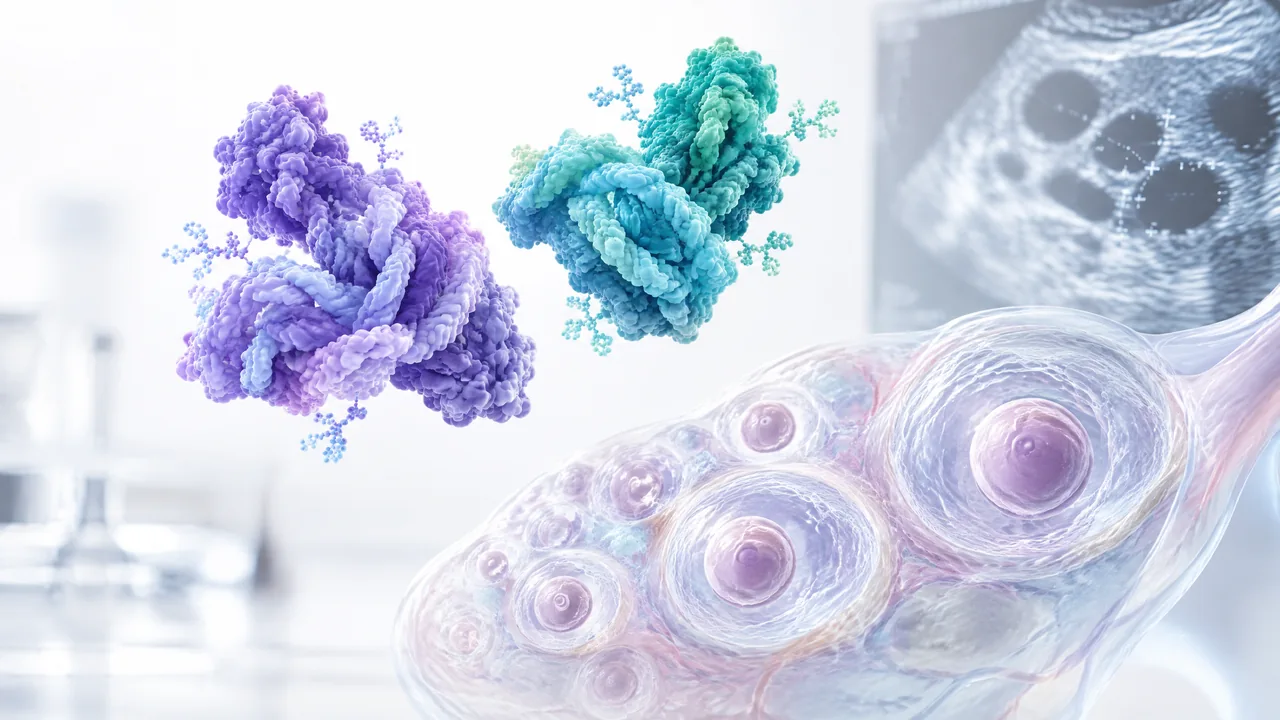
The names HMG, human menopausal gonadotrophin and menotropins refer to a fertility-hormone preparation with FSH and LH activity. These are glycoprotein hormones, not short synthetic peptides. In the Australian MENOPUR powder products, 600 IU or 1,200 IU of labelled FSH bioactivity is paired with the same labelled LH bioactivity; the product information says the LH activity is almost totally contributed by hCG. That composition is why ‘HMG peptide’ is a misleading category label. [2]
HMG is also not one interchangeable substance across every vial offered online. The evidence and regulatory status discussed here concern regulated menotropin medicines, especially MENOPUR, with defined manufacture, labelled activity, supplied diluent or pen device, and clinical monitoring. A supplier-labelled ‘HMG’ vial without Australian registration, verified contents and a prescriber is not made equivalent by the name on its label. [1] [2]
What approved HMG is used for
Australian product information lists two principal uses: treatment of anovulatory infertility, including polycystic ovarian disease in women unresponsive to clomiphene citrate, and controlled ovarian hyperstimulation to develop multiple follicles for ART such as IVF, GIFT and ICSI. These are clinical indications for a fertility medicine, not claims that HMG improves general wellbeing, physique, sexual performance or fertility in every person. [2]
The therapeutic aim differs by setting. In ovulation induction, clinicians aim for a single mature follicle where possible; in ART, stimulation is coordinated with a procedural protocol to obtain multiple follicles. The same medicine can therefore have different treatment objectives, monitoring thresholds and decisions to withhold a trigger or cancel a cycle. [2] [8]
Molecular pathway: what is established
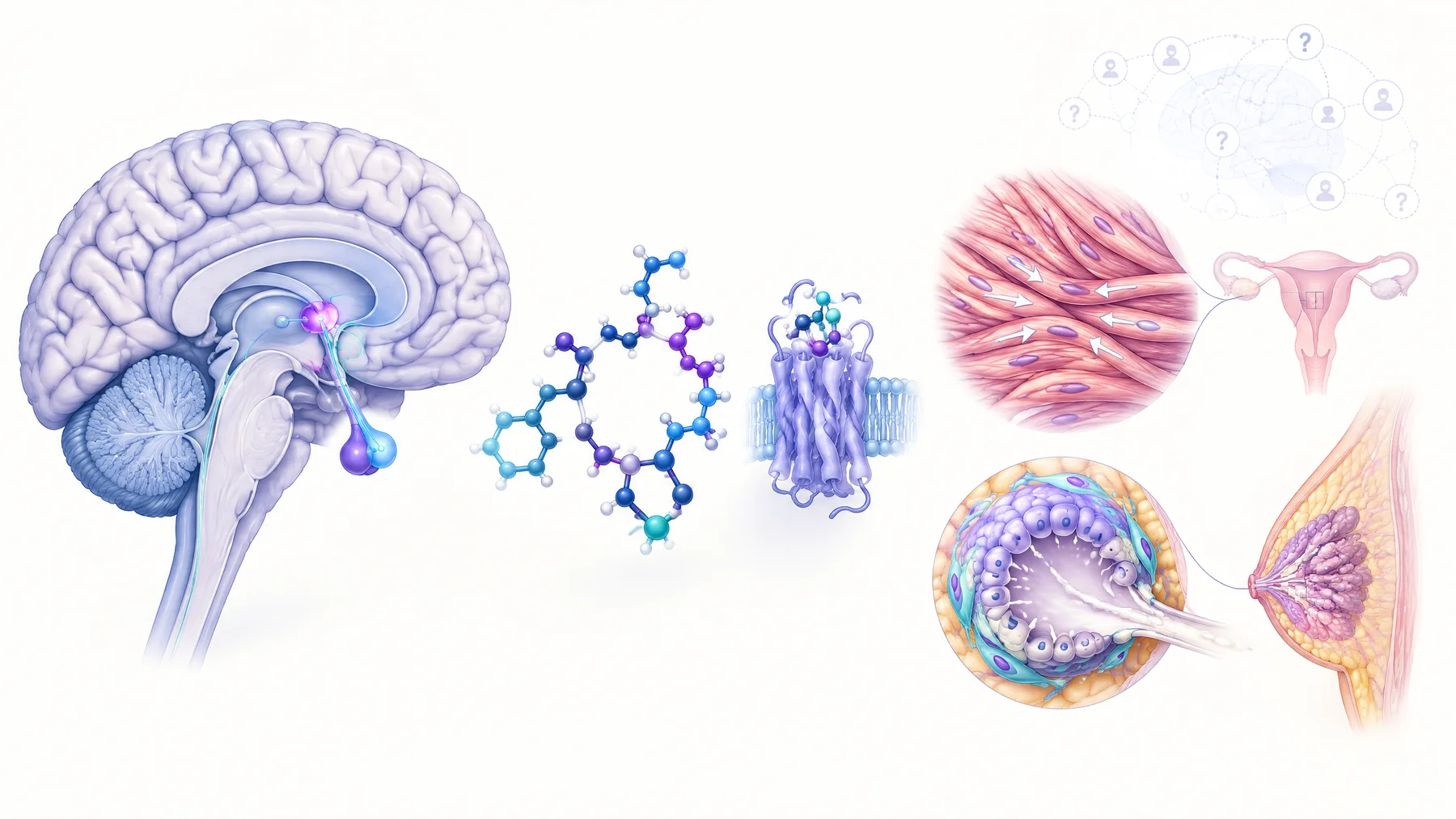
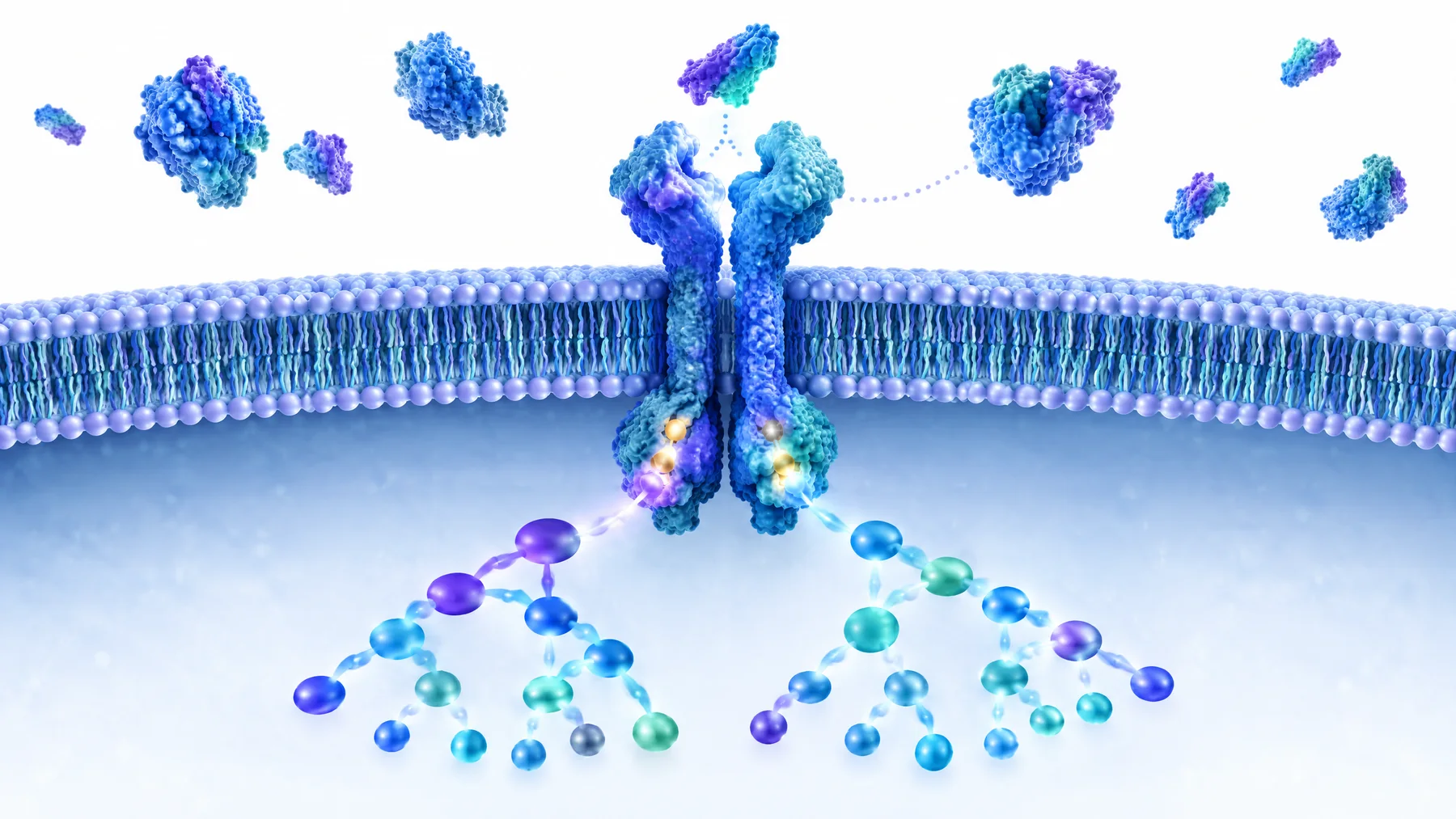
FSH and LH activity act within the ovarian endocrine system to support follicular development. The Australian product information describes HMG as a potent gonadotrophic substance and explains that its labelled LH bioactivity has a longer duration than native LH because it is mainly supplied by hCG activity. The US label states that menotropins produce follicular growth and maturation in women without primary ovarian failure; final ovulation generally requires a separate hCG trigger after adequate follicular maturation. [2] [4]
This pathway should not be simplified into a promise of pregnancy. Follicle growth, oocyte retrieval, fertilisation, embryo development, implantation, ongoing pregnancy and live birth are distinct outcomes. Infertility diagnosis, ovarian reserve, age, protocol, sperm factors, embryo transfer practice and chance all affect the later stages. [5] [6] [8]
What controlled studies found in specific models
In the MERIT trial, 731 women undergoing IVF after long GnRH-agonist down-regulation were randomised to highly purified HMG (363) or recombinant FSH (368). The primary endpoint was ongoing pregnancy per started cycle. Ongoing pregnancy was 27% with highly purified HMG and 22% with recombinant FSH (odds ratio 1.25, 95% CI 0.89–1.75): the study established non-inferiority but could not conclude superiority. Recombinant FSH retrieved more oocytes, while the proportion classified as top-quality embryos was higher with HMG. These results apply to that selected IVF protocol, not to unsupervised use or all infertility diagnoses. [5]
A later randomised, open-label, assessor-blinded non-inferiority trial enrolled 620 predicted high responders aged 21–35 years with AMH at least 5 ng/mL in a GnRH-antagonist ICSI setting with planned single-blastocyst transfer. Ongoing pregnancy after fresh transfer was 35.5% with highly purified HMG and 30.7% with recombinant FSH; non-inferiority was met. Cumulative live birth was similar (50.6% versus 51.5%). The published trial also reported less OHSS and less cumulative early pregnancy loss in the HMG arm, but the high-responder, young, protocol-specific population limits generalisation. [6] [7]
A small randomised study in clomiphene-resistant PCOS compared letrozole with HMG, 48 participants per group. HMG was associated with more cycles having at least two mature follicles, more ovarian cysts/OHSS and more multiple pregnancies; pregnancy and live-birth outcomes were reported as similar. Its modest size, short observation and single clinical context make it a signal about multifollicular risk rather than a general ranking of treatments. [9]
How to read the human evidence
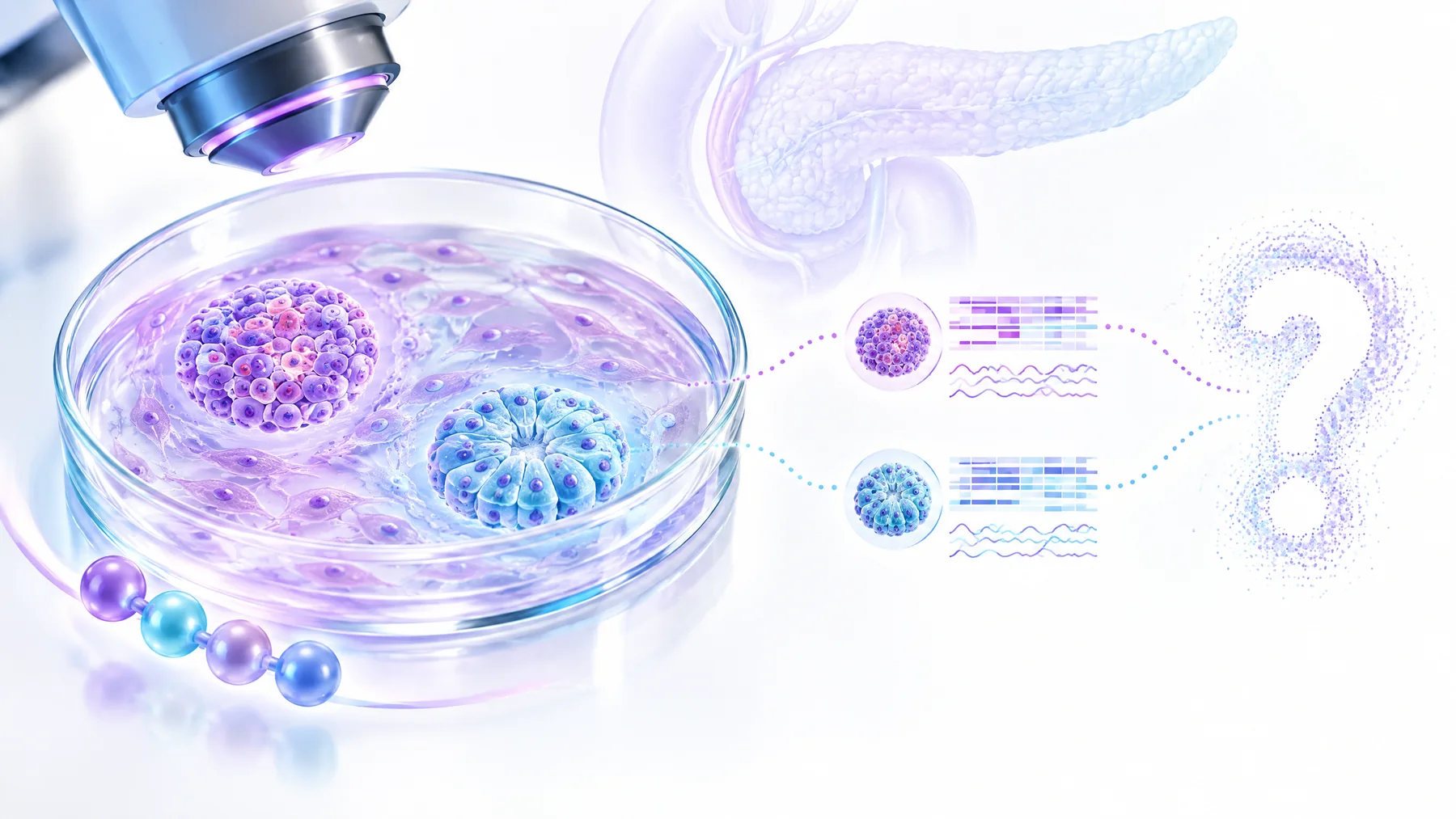
The comparison question in most trials is not ‘does HMG make someone fertile?’ It is whether one clinician-managed ovarian-stimulation preparation performs differently from recombinant FSH within a defined ART protocol. For example, an older meta-analysis of six randomised trials in 2,030 IVF/ICSI participants found a higher clinical-pregnancy rate with HMG in long GnRH-agonist protocols, but no statistically clear difference in ongoing pregnancy or live birth per woman. [10]
A practical hierarchy is to give greatest weight to the prespecified primary endpoint, the population and the protocol. The high-responder trial was powered for fresh-cycle ongoing pregnancy and recruited a narrow AMH- and age-defined group; its cumulative live-birth findings are useful but do not prove the result for older patients, low responders, anovulatory cycles outside ART, or other HMG brands. Funding and author relationships should also be read: the MERIT trial and the high-responder trial involved Ferring sponsorship or employees. [5] [6] [7]
Risks and why monitoring is part of the treatment
OHSS is the central serious risk. It is distinct from uncomplicated ovarian enlargement and can involve increased vascular permeability with fluid accumulation; severe cases may include abdominal distension or pain, weight gain, breathing difficulty, reduced urine output, haemoconcentration, thrombosis and rarely ovarian torsion. The Australian label notes that OHSS may worsen after treatment has stopped and recommends follow-up after hCG administration. [2]
Commonly reported adverse reactions in MENOPUR trials include OHSS, headache, pelvic or abdominal pain and discomfort, abdominal distension, nausea and injection-site reactions. Multiple pregnancy is more frequent after gonadotrophin ovulation induction than after natural conception, and patients with recognised thrombosis risk factors may have increased risk during or following gonadotrophin treatment. Pregnancy itself also changes thrombotic risk. [2]
These are not risks that can be safely managed with a universal internet schedule. Specialist guidance describes serial transvaginal ultrasound and estradiol as central to safe gonadotrophin treatment, because follicle number and response guide dose changes, cancellation and trigger decisions. HMG is contraindicated in pregnancy and in several conditions including primary ovarian failure, certain hormone-sensitive tumours, unexplained gynaecological bleeding and ovarian enlargement not due to PCOS. [2] [8]
Australian regulatory context
HMG is an approved medicine in Australia, not an investigational candidate. The TGA ARTG lists MENOPUR human menopausal gonadotrophin 1,200 IU/1.92 mL pre-filled multidose pen (ARTG 354652) as a registered medicine, with active ingredient human menopausal gonadotrophin and active licence status. The earlier 600-IU powder-with-diluent presentation (ARTG 161984) is also listed as an active registered medicine. [1] [3]
Australian Healthdirect identifies MENOPUR packs and pens as Schedule 4 prescription-only medicines and repeats the registered infertility indications. The PBAC’s public assessment records a Section 100 IVF/GIFT Program recommendation for 600-IU and 1,200-IU powder products through accredited IVF/GIFT clinics; PBS arrangements and individual eligibility can change, so this historical policy document is not a substitute for checking current access. [3] [11]
The approved formulation matters. The Australian product information describes a particular powder-and-solvent product with prescribed reconstitution, strength and use conditions; the ARTG separately records pen formulations. Storage, handling, administration and post-reconstitution directions should be read only from the exact current product information and prescriber instructions, rather than copied from another brand, country or supplier listing. [1] [2] [11]
Comparison with related fertility substances
Recombinant FSH supplies FSH activity, whereas HMG supplies FSH activity together with LH activity that, in Australian MENOPUR, is largely hCG-derived. hCG itself is a different glycoprotein hormone medicine and is typically used as a later trigger once appropriate follicular maturation has been achieved; it is not an interchangeable synonym for HMG. [2] [4]
The choice between HMG and recombinant FSH is not settled by a blanket ‘better’ claim. In anovulatory women, an ASRM committee opinion concluded there is no significant advantage for any specific gonadotrophin preparation overall, while the Australian PBAC found HMG non-inferior to follitropin alfa for ongoing pregnancy and live birth in its reviewed ART evidence. Individual protocol, expected ovarian response, safety profile and clinic practice remain decisive. [3] [8]
What the references do—and do not—support
The evidence supports a narrowly defined conclusion: regulated HMG is an established, specialist-managed fertility medicine that can stimulate follicular development and is used in selected ovulation-induction and ART pathways. It supports neither cosmetic, bodybuilding or anti-ageing claims nor a generic home-injection protocol. It also cannot validate a blended or research-supplier product merely because its name resembles an approved HMG formulation. [1] [2] [4] [8]
The source list separates regulator records and product labels from primary trials and professional guidance. That distinction matters: a label establishes what a particular product is approved and warned for; a trial estimates an outcome in its enrolled population; and neither one turns a group average into a prediction for an individual patient. [1] [2] [5] [6] [8]
Questions readers ask
Is HMG a peptide?
No. HMG/menotropins are glycoprotein gonadotrophin hormones with FSH and LH bioactivity. Calling it a ‘peptide’ obscures its actual identity and its regulated fertility-medicine context. [2]
Is HMG approved in Australia?
Yes, registered MENOPUR HMG medicines appear on the ARTG for infertility treatment; the exact approved presentation, indication and supply status should be checked against current ARTG/product information. [1] [3]
Does HMG guarantee pregnancy or live birth?
No. It can support follicular stimulation in selected clinical pathways, but pregnancy and live birth depend on many later biological and treatment steps. In randomised comparisons with recombinant FSH, outcomes varied by endpoint and protocol, with non-inferiority more consistently supported than universal superiority. [5] [6] [10]
Why are online HMG dosing charts unsafe to follow?
Response to gonadotrophins varies substantially between patients. Product information and specialist guidance make ultrasound and, where appropriate, estradiol monitoring part of risk management because excessive follicular response can lead to OHSS and multiple pregnancy. [2] [8]
Is HMG the same as hCG or recombinant FSH?
No. HMG provides FSH and LH bioactivity; in Australian MENOPUR the LH activity is largely hCG-derived. Recombinant FSH is a different preparation, and hCG is a separate hormone commonly used later in a treatment pathway to trigger final maturation/ovulation. [2] [4]
What remains uncertain
This record is educational rather than personal medical advice. The human trials compare clinician-supervised products in specific ART or ovulation-induction protocols; they do not validate self-administration, unregistered supplier vials, universal dosing, storage or reconstitution rules, blends, or use outside infertility care. Evidence of comparative benefit varies by population and endpoint, and several pivotal studies were industry-sponsored. Regulatory information is formulation- and date-specific; readers should verify the exact current Australian product information, ARTG entry and access arrangements.
References and further reading
- [1] MENOPUR human menopausal gonadotrophin 1200 IU/1.92 mL solution for injection pre-filled multidose pen (ARTG 354652). ARTG medicine-registration database entry
- [2] Australian Product Information: MENOPUR (human menopausal gonadotrophin) powder and solvent for injection. Regulated medicine label
- [3] PBAC Public Summary Document: Human menopausal gonadotrophin (Menopur), March 2012. PBAC evidence review and policy decision
- [4] MENOPUR (menotropins for injection) prescribing information. US prescribing information including clinical pharmacology and trial summary
- [5] Clinical outcome following stimulation with highly purified hMG or recombinant FSH in patients undergoing IVF: a randomized assessor-blind controlled trial. Multinational randomized assessor-blind controlled IVF trial; 731 women; long GnRH-agonist protocol
- [6] Randomized, assessor-blinded trial comparing highly purified human menotropin and recombinant follicle-stimulating hormone in high responders undergoing intracytoplasmic sperm injection. Randomized, open-label, assessor-blinded parallel-group non-inferiority trial; 620 predicted high responders
- [7] MENOPUR in a Gonadotropin-Releasing Hormone Antagonist Cycle With Single-Blastocyst Transfer in a High Responder Subject Population (MEGASET HR), NCT02554279. Completed randomized parallel-assignment, single-outcome-assessor-masked trial
- [8] Use of exogenous gonadotropins for ovulation induction in anovulatory women: a committee opinion (2020). Evidence review and committee opinion
- [9] Letrozole and human menopausal gonadotropin for ovulation induction in clomiphene resistance polycystic ovary syndrome patients: A randomized controlled study. Small computer-randomized controlled study; 48 participants per arm; clomiphene-resistant PCOS
- [10] Effectiveness of human menopausal gonadotropin versus recombinant follicle-stimulating hormone for controlled ovarian hyperstimulation in assisted reproductive cycles: a meta-analysis. Meta-analysis of six randomized controlled trials; 2,030 IVF/ICSI participants
- [11] Menopur — Healthdirect Australia medicines information. ARTG- and AMT-linked consumer medicines database entry