
What is Chonluten (Glu-Asp-Gly; EDG; T-34)?
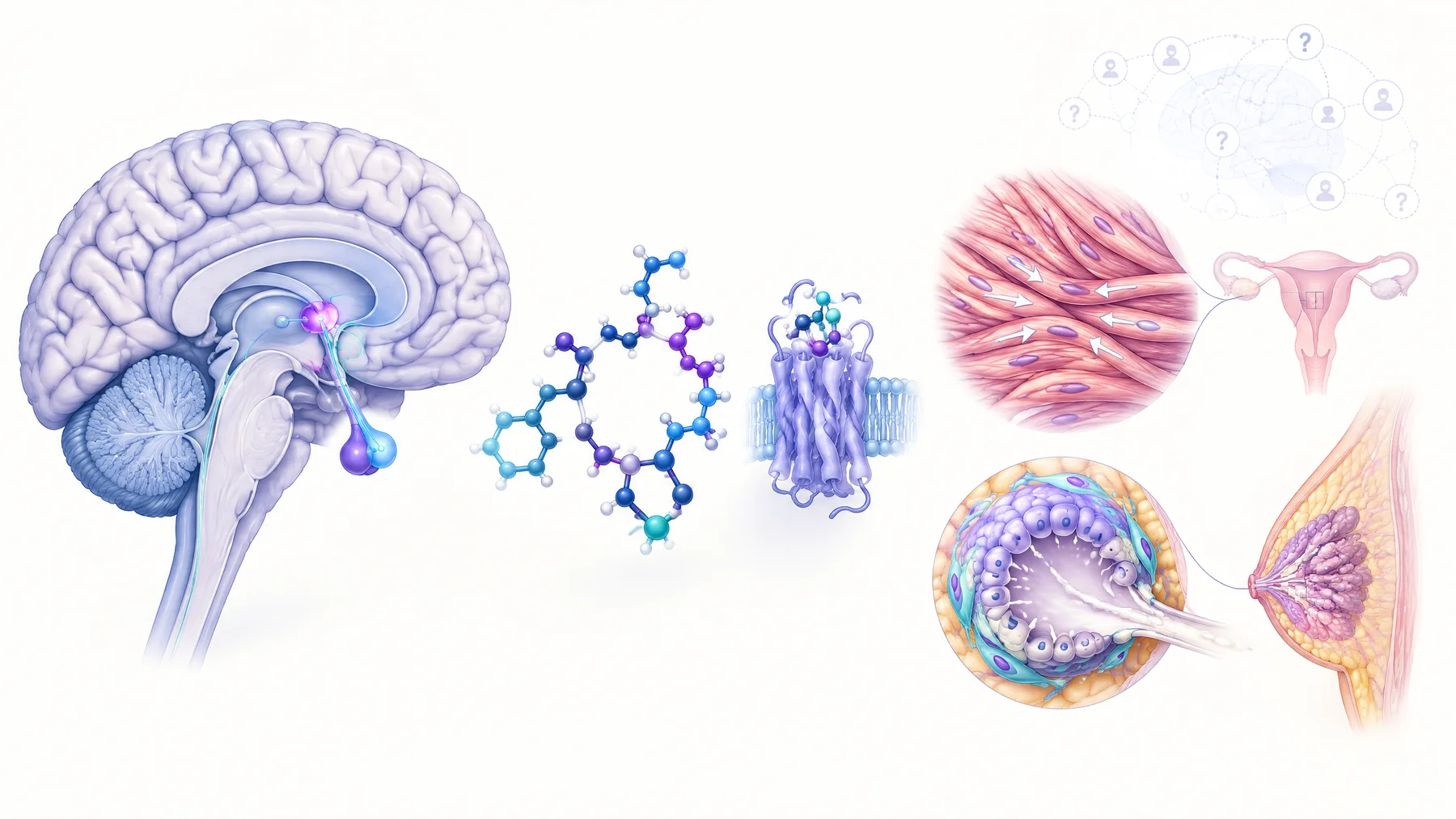
Chonluten is a synthetic, low-molecular-weight tripeptide, not a hormone, mixture, or small molecule. In the peer-reviewed THP-1 paper it is designated P5 and specified as Glu-Asp-Gly (EDG); PubChem records the same compound as L-alpha-glutamyl-L-alpha-aspartyl-glycine (CID 194641; C11H17N3O8; molecular weight 319.27 g/mol). It is best classified as a preclinical research peptide. The names Chonluten and T-34 are used inconsistently in commercial and secondary material, so the sequence—not a vial label—is the essential identity check.
Chonluten is EDG, a three-amino-acid peptide promoted as a ‘bronchial’ bioregulator. Its directly relevant published evidence is laboratory-level: a 2022 study used synthetic EDG in a human THP-1 monocyte/macrophage model, while a 2012 paper indexed EDG/T-34 in a chemically induced gastric-ulcer rat model. These are not evidence that EDG treats respiratory disease in people. A narrative review reports historical oral-use claims, but a search of ClinicalTrials.gov returned no Chonluten records and no peer-reviewed, controlled human Chonluten trial was verified for this article. It should therefore not be represented as an approved medicine, a proven respiratory treatment, or a product with an established self-administration protocol.
What Chonluten is—and is not
Chonluten is genuinely a peptide: the sequence is Glu-Asp-Gly, abbreviated EDG. PubChem describes glutamyl-aspartyl-glycine as a tripeptide, with a molecular weight of 319.27 g/mol. The 2022 cell study likewise calls Chonluten P5 and specifies the same three residues. That matters because online descriptions sometimes drift between different sequences, or attach bronchial claims to neighbouring ‘bioregulator’ products. [1] [2]
It is not an approved Australian respiratory medicine on the evidence reviewed here, and it is not a standard peptide hormone. The most defensible classification is a research-stage synthetic tripeptide. ‘Bronchial’ is a research descriptor used by authors and sellers; it is not a validated clinical indication. In particular, a vial carrying the name Chonluten is not itself evidence of its sequence, sterility, pharmaceutical quality, or regulatory approval. [1] [2] [6]
The evidence snapshot
The Chonluten-specific literature found is thin. The most directly relevant modern primary paper is an in-vitro study in the human THP-1 leukaemic monocyte line and PMA-differentiated THP-1 macrophages. A separate 2012 primary paper describes T-34 and is indexed to glutamyl-aspartyl-glycine in a rat gastric-ulcer setting. Neither is a human respiratory efficacy trial. [2] [3]
A 2020 narrative review states that oral EDG had been used for bronchopulmonary conditions and chronic bronchitis with an asthmatic component. That statement is a lead, not confirmation of clinical effectiveness: the passage does not establish a modern, independently verifiable randomised trial, and the review itself proposed further investigation in the COVID-19 context rather than reporting proven COVID-19 treatment. [4]
A current ClinicalTrials.gov search for ‘Chonluten’ returned zero records. Registry silence is not proof that no person has ever received EDG, but it means there is no named study record there from which to verify protocol, participant numbers, outcomes, or adverse events. For an educational evidence grade, the appropriate conclusion is no verified human clinical evidence in this review. [5]
What the THP-1 experiment actually tested
Avolio and colleagues cultured THP-1 monocytes and PMA-differentiated macrophages, then exposed cells to 100 ng/mL of each peptide, including EDG/Chonluten, with or without 100 ng/mL bacterial lipopolysaccharide (LPS). The macrophage experiments included 2-, 4-, 8- and 12-hour time courses; results were reported from three independent experiments. This is a controlled cell-signalling experiment—not an inhalation, oral, injection, pharmacokinetic, or clinical-dose study. [2]
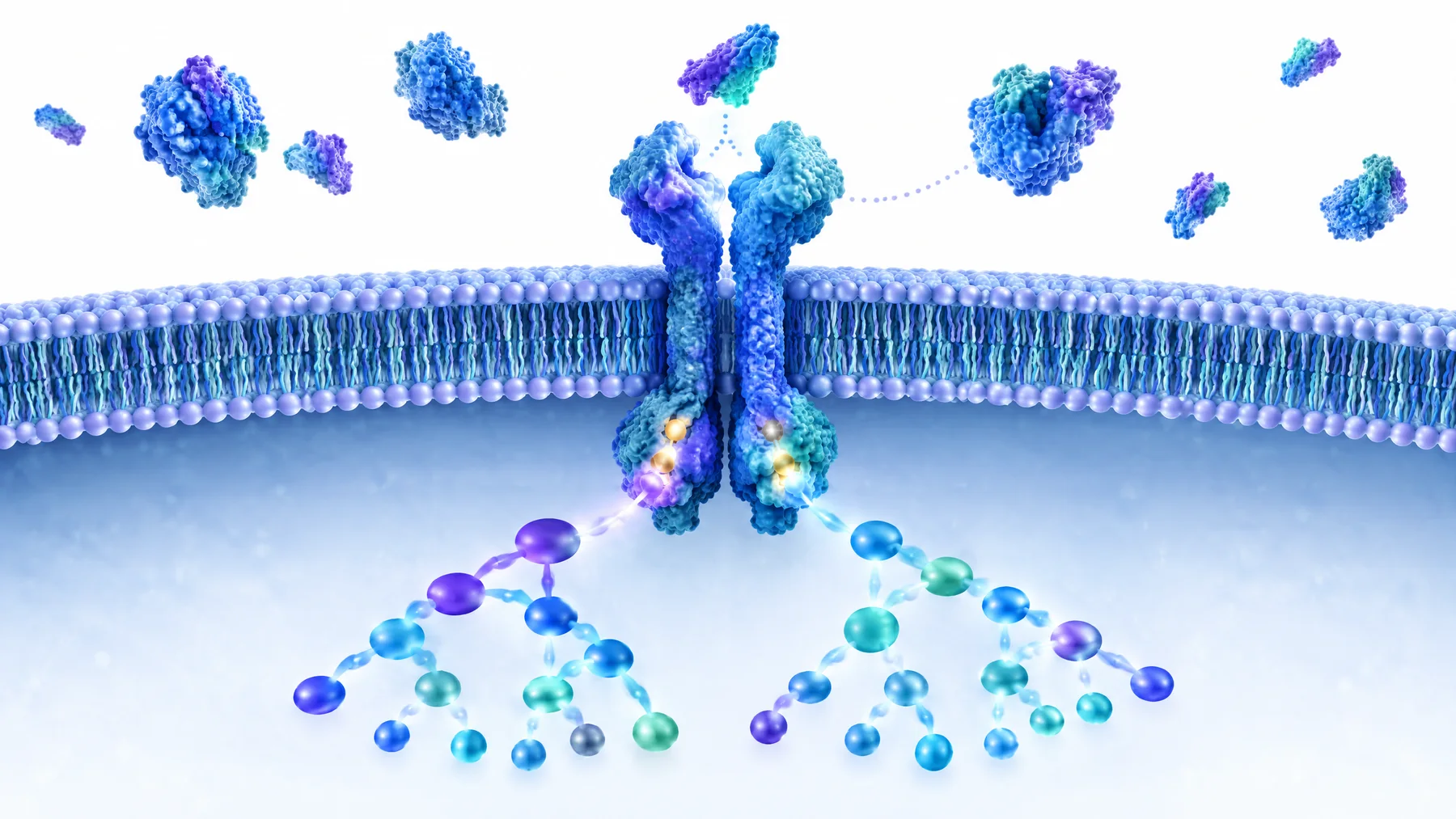
In that model, the authors reported that Chonluten (P5) activated STAT1 phosphorylation in differentiated THP-1 macrophages during the time-course experiment. They also observed a slight TNF release from monocytes exposed to P5 alone. In LPS-treated macrophages, the paper describes lower TNF-alpha and IL-6 release with the peptide treatments overall, but it does not establish a Chonluten-specific therapeutic effect in lungs or people. [2]
The experiment is useful as a signal that EDG can alter read-outs in this particular human cell line under these conditions. It cannot show that EDG reaches bronchial tissue after any route of administration, engages the same pathway in living humans, reduces exacerbations, improves spirometry, or has an acceptable safety profile. The authors themselves stated that the exact mechanism influencing the inflammatory state had not been identified. [2]
Other model-specific findings: relevant, but not respiratory proof
The 2012 paper ‘Peptidergic Regulation of Expression of Genes Encoding Antioxidant and Anti-Inflammatory Proteins’ studied T-34 in a chemically induced gastric-ulcer model in Sprague-Dawley rats, as indicated by the PubMed record. Its abstract reports modulation of mRNA expression and normalisation of synthesis of antioxidant and anti-inflammatory proteins. PubMed indexes glutamyl-aspartyl-glycine among the paper’s substances, linking this source to EDG/T-34. [3]
This rat gastric-mucosa work does not validate a respiratory indication. It is, however, a reason to distinguish model, tissue, species and endpoint whenever claims are made for Chonluten. A molecular change in injured rat stomach tissue and a cytokine or phospho-STAT read-out in a THP-1 culture are different types of evidence, neither of which measures patient-centred outcomes. [2] [3]
Molecular pathway: observation versus hypothesis
The only directly observed Chonluten pathway result located for this article is altered STAT1 phosphorylation in the THP-1-derived macrophage experiment. This supports a narrow statement about an in-vitro signalling observation. It does not identify a receptor, demonstrate direct binding to DNA, or establish the direction of a whole-body immune response. [2]
Some short-peptide literature proposes that small peptides may enter cells, interact with DNA or influence gene expression. Those ideas are mechanistic hypotheses or findings for particular peptides and experimental systems; they should not be converted into a proven EDG mechanism in humans. The 2022 authors explicitly left the exact inflammatory mechanism unresolved. [2] [10]
For this reason, phrases such as ‘switches on lung repair’, ‘normalises immunity’ or ‘reprograms bronchial genes’ overstate the evidence. The supported wording is more modest: EDG has produced selected signalling and inflammatory read-outs in early experimental models that require replication, target identification, exposure studies and human testing. [2] [3]
Human evidence, safety and administration uncertainty
No human Chonluten dose, route, duration, dilution, storage method or escalation schedule can be inferred from the laboratory sources. The 100 ng/mL concentration in the THP-1 paper is a cell-culture condition, not a human dose. It provides no basis for translating a supplier’s milligram-labelled vial into oral, nasal, inhaled or injectable use. [2]
Likewise, the reviewed literature does not supply a reliable human adverse-event rate, interaction profile, contraindication list, reproductive-safety assessment, pharmacokinetic profile or long-term safety dataset for EDG. A lack of reported clinical harms in these early sources is not evidence of safety; it primarily reflects missing adequately described human exposure data. [2] [3] [5]
Anyone with breathlessness, persistent cough, wheeze, chest pain, fever, blood in sputum or worsening diagnosed lung disease needs evidence-based clinical assessment rather than an unvalidated peptide. This article does not provide a self-use protocol. [5] [6]
Australian regulatory context: approval is product-specific
In Australia, therapeutic goods not included in the Australian Register of Therapeutic Goods (ARTG) have not been assessed by the TGA for safety, quality or effectiveness. The ARTG is the public register used to search products that can be supplied in Australia, including product and formulation details. This review did not identify an ARTG-listed Chonluten formulation or Australian Product Information/Consumer Medicine Information. [7] [8]
The TGA specifically warns that unapproved peptide products can have unknown manufacturing quality, sterility, contents, adverse effects and interactions; injection additionally raises contamination, infection and local-tissue risks. The TGA also states that a ‘research use only’ disclaimer does not itself change regulatory status, permit importation, or remove supply and advertising obligations. [6]
There are defined Australian pathways through which certain health practitioners may seek access to an unapproved therapeutic good for particular patients or groups, but these pathways do not amount to TGA assessment or product approval. They are not a substitute for a validated Chonluten regimen. [7]
Do not transfer evidence from Bronchogen or other ‘bioregulators’
Chonluten/EDG should not be conflated with Bronchogen. A primary bronchial-epithelium paper tested the distinct tetrapeptide ADEL (Ala-Asp-Glu-Leu) in human embryonic bronchial epithelial cell cultures and reported changes in selected proteins and differentiation-associated genes. That is not an EDG experiment. [9]
Similarly, two rat COPD-model publications describe Bronchogen, not Chonluten: rats were exposed intermittently to nitrogen dioxide for 60 days, and the authors reported reduced inflammatory read-outs and epithelial changes after Bronchogen. These results may be of interest for the separate tetrapeptide, but they cannot be used as efficacy evidence for EDG because sequence, compound and study intervention differ. [11] [12]
The practical reading rule is simple: match the exact sequence, formulation, model and endpoint before treating any cited paper as relevant. A shared marketing category such as ‘respiratory bioregulator’ is not a scientific bridge between different peptides. [1] [2] [9] [11]
Questions readers ask
Is Chonluten a peptide?
Yes. The identity supported by PubChem and the 2022 primary study is the tripeptide Glu-Asp-Gly (EDG), also called glutamyl-aspartyl-glycine or T-34. It is not a glycoprotein hormone, a coenzyme, a small molecule or a peptide mixture. [1] [2]
Is Chonluten an approved medicine in Australia?
This review did not identify an ARTG-listed Chonluten formulation or Australian prescribing information. The TGA explains that products outside the ARTG have not been assessed by it for safety, quality or effectiveness; access pathways for unapproved goods are not the same as approval. [7] [8]
Does the THP-1 study show that Chonluten treats lung disease?
No. It shows selected effects of EDG in a human monocyte/macrophage cell-line model, including STAT1-phosphorylation observations. Cell culture cannot establish human delivery to lungs, clinical benefit, dose or safety. [2]
Are there registered Chonluten clinical trials?
A search of ClinicalTrials.gov for ‘Chonluten’ returned no records when checked for this article. That does not exclude every possible historical or unregistered exposure, but it leaves no registry record from which to verify a human protocol or results. [5]
Can Bronchogen studies be used to support Chonluten?
No. Bronchogen studies cited here used a different tetrapeptide (reported as ADEL in the human bronchial-culture paper) and separate rat COPD models. Sequence-specific evidence should not be transferred from one peptide to another. [9] [11] [12]
What remains uncertain
Evidence is sparse and heterogeneous. The most relevant work is a single human cell-line study and one indexed rat gastric-ulcer study; these models do not establish clinical respiratory efficacy, pharmacokinetics or safety. Several older reports are available only as abstracts, translations or secondary citations, limiting verification of methods and effect sizes. Some reviews and commercial pages blur EDG/Chonluten with Bronchogen or other short peptides; this record deliberately does not transfer results across sequences. A ClinicalTrials.gov zero-result search does not prove no historical human use, but no named registered Chonluten trial was available to verify. The ARTG is product-specific; the absence statement here is limited to this review’s search and should not be read as a legal determination about any individual product or access pathway.
References and further reading
- [1] PubChem Compound Summary: Glutamyl-aspartyl-glycine (CID 194641). Curated compound record
- [2] Peptides Regulating Proliferative Activity and Inflammatory Pathways in the Monocyte/Macrophage THP-1 Cell Line. In-vitro human THP-1 monocyte and PMA-differentiated macrophage experiments with peptide exposure, LPS conditions and signalling/cytokine assays
- [3] Peptidergic Regulation of Expression of Genes Encoding Antioxidant and Anti-Inflammatory Proteins. Chemically induced gastric-ulcer study in Sprague-Dawley rats, with gene/protein expression endpoints
- [4] Peptides: Prospects for Use in the Treatment of COVID-19. Literature review and hypothesis discussion
- [5] ClinicalTrials.gov search: Chonluten. Registry query
- [6] Understanding your responsibilities when importing, compounding and supplying unapproved peptide products. Regulatory guidance and safety communication
- [7] Unapproved therapeutic goods. Regulatory information page
- [8] Australian Register of Therapeutic Goods (ARTG). Public searchable regulatory register
- [9] Peptide Regulation of Gene Expression and Protein Synthesis in Bronchial Epithelium. Human embryonic bronchial epithelial cell-culture study of ADEL with protein, gene-expression and in-vitro DNA-interaction analyses
- [10] Mechanism of Biological Activity of Short Peptides: Cell Penetration and Epigenetic Regulation of Gene Expression. Review and theoretical synthesis of short-peptide penetration and gene-regulation literature
- [11] Modulating Effect of Peptide Therapy on the Morphofunctional State of Bronchial Epithelium in Rats with Obstructive Lung Pathology. Nitrogen-dioxide-induced obstructive lung pathology in rats treated with tetrapeptide Bronchogen
- [12] Anti-inflammatory and Regenerative Effect of Peptide Therapy in the Model of Obstructive Lung Pathology. Nitrogen-dioxide-induced COPD model in rats evaluating tetrapeptide Bronchogen